
13 Yurt Loft Ideas: Top 7 Practical Designs for Efficient Space Use
Yurt lofts add practical space and charm to the unique structure of a yurt. They offer a way to use vertical space efficiently, making yurts more comfortable and functional for living or storage. Many people choose lofts to create extra sleeping areas or cozy retreats within their yurt.
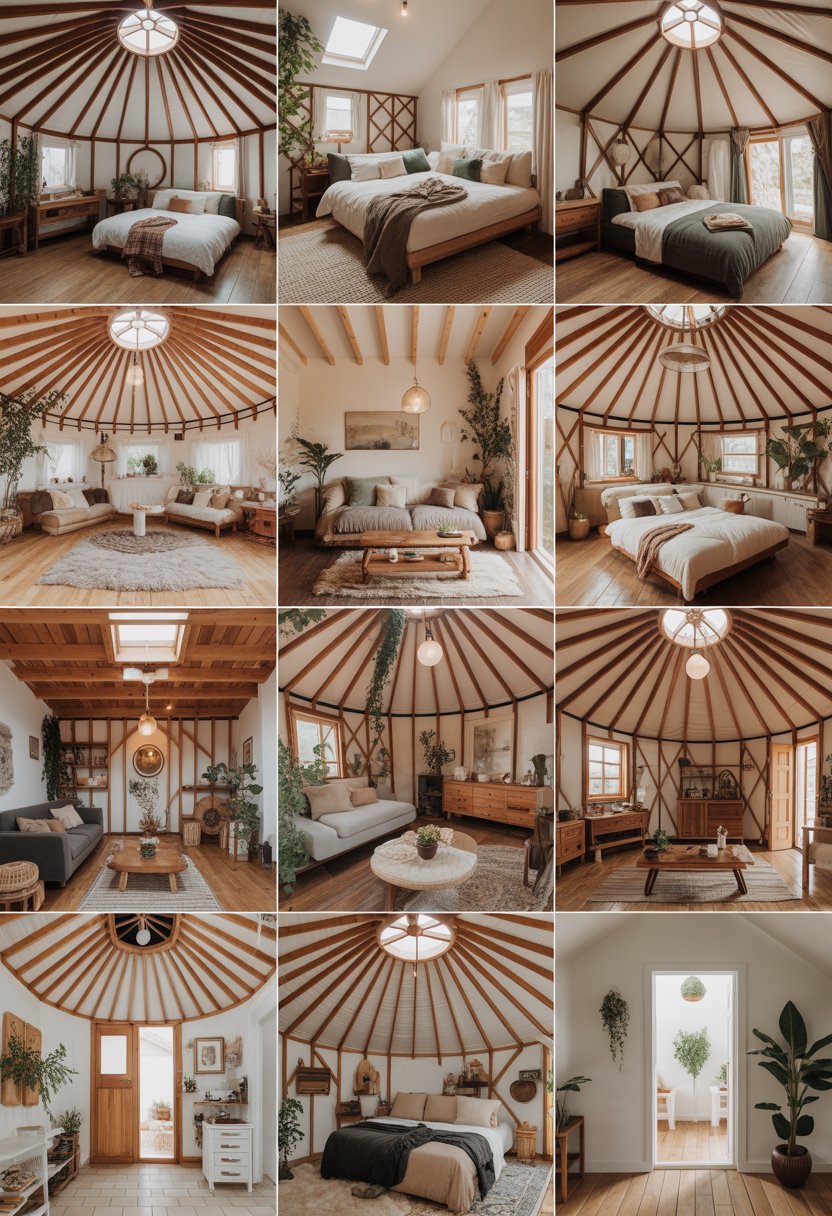
Yurt loft ideas help maximize space while enhancing the yurt’s design and livability. These ideas focus on combining style and utility to fit different needs and preferences. Exploring various loft options can inspire creative solutions for anyone looking to improve their yurt experience.
Find Below Yurt Loft Design Ideas
1) Elevated sleeping loft with skylight for natural light

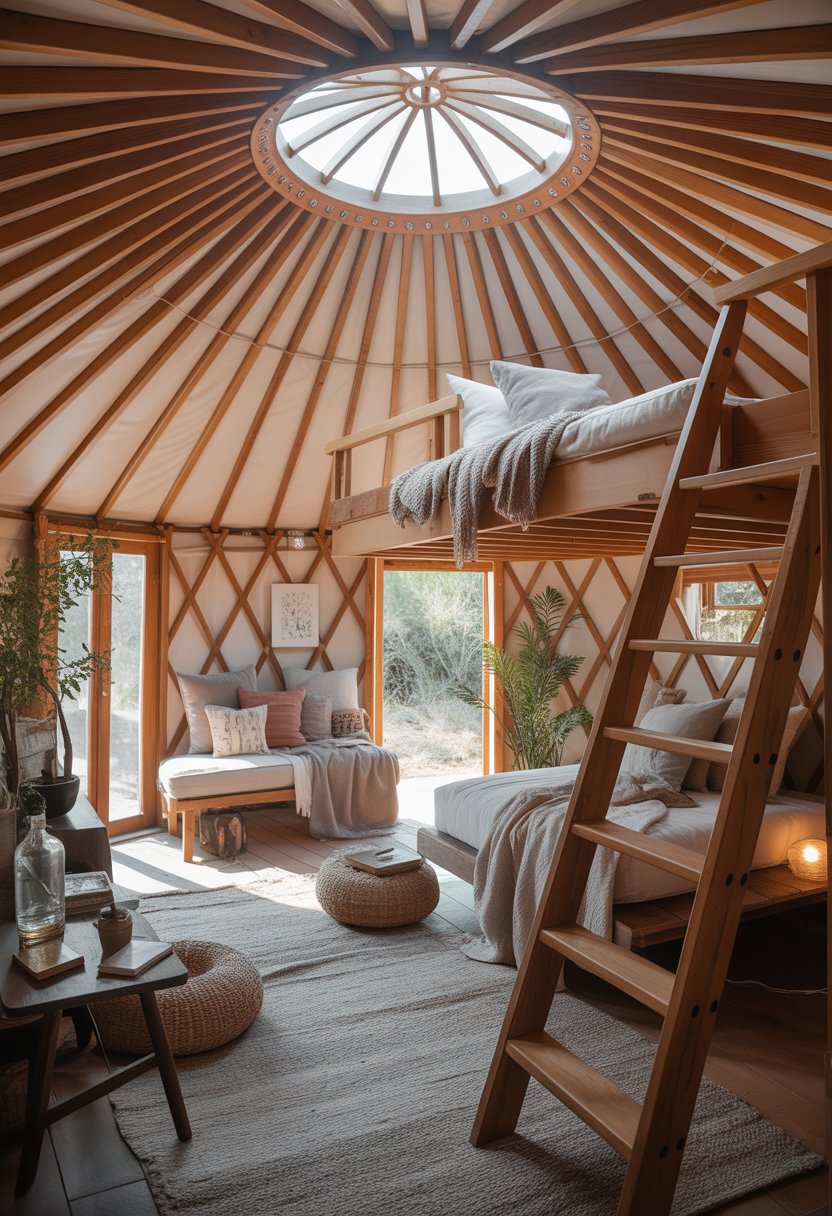
An elevated sleeping loft uses the yurt’s high ceiling to create extra space. It often includes a skylight that brings in natural light. This setup can make the area feel open and bright while providing a cozy place to sleep.
2) Compact storage loft with built-in shelves

A compact loft with built-in shelves makes efficient use of limited space. Shelves fit neatly into walls or under the loft, providing storage without taking up extra room. This design helps keep the yurt organized and clutter-free. Built-in shelving also adds a clean and integrated look to the loft area.
3) Loft bedroom with cozy railing for safety
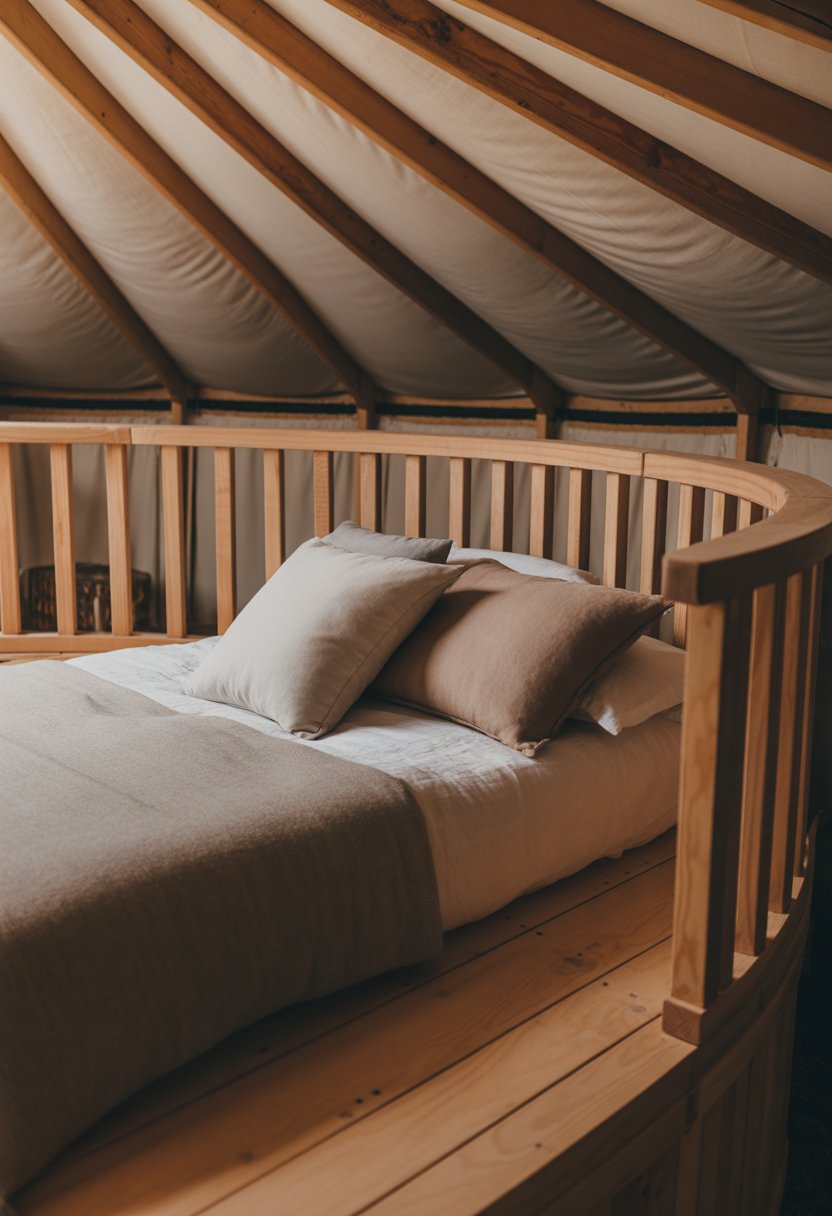
A sturdy railing is key for a yurt loft bedroom. It prevents falls while adding a warm, inviting touch.
Choosing a railing with simple design and smooth edges keeps the space safe and comfortable. It fits well in small loft areas.
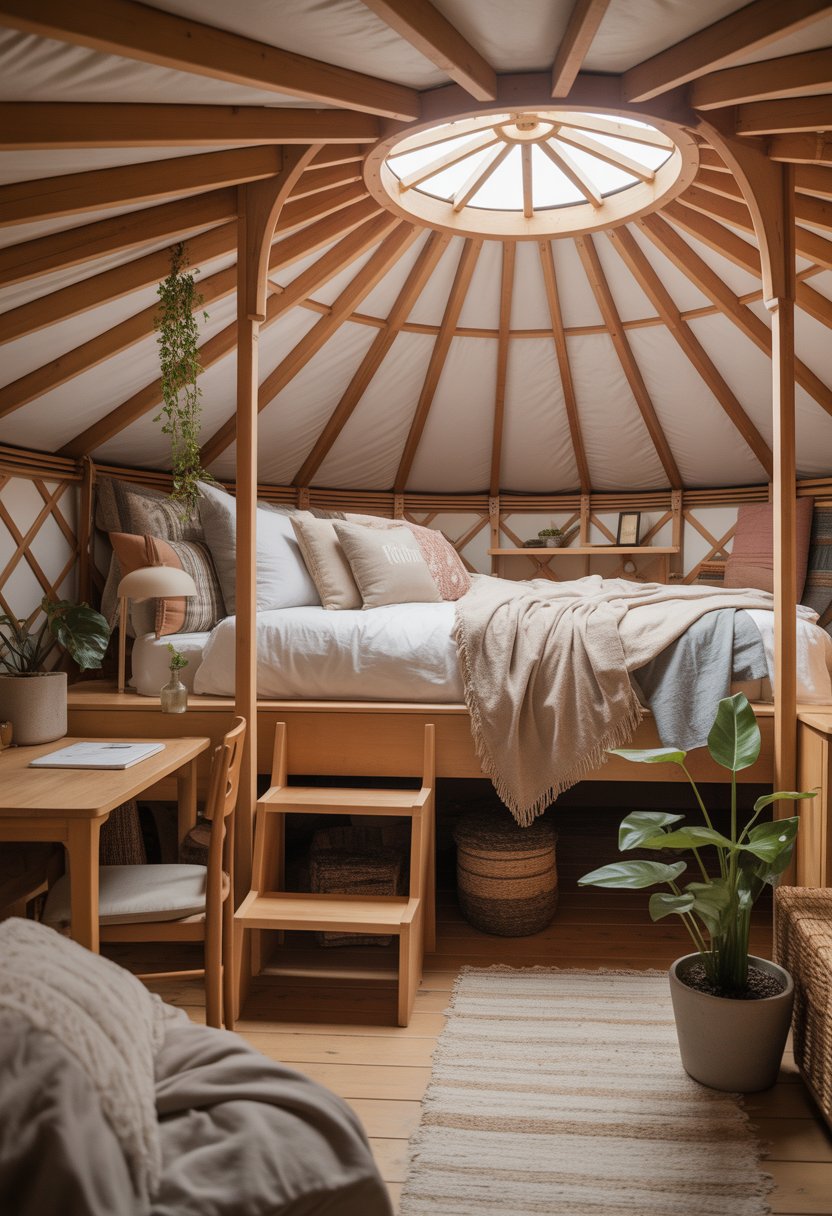
4) Raised platform bed with under-loft seating area
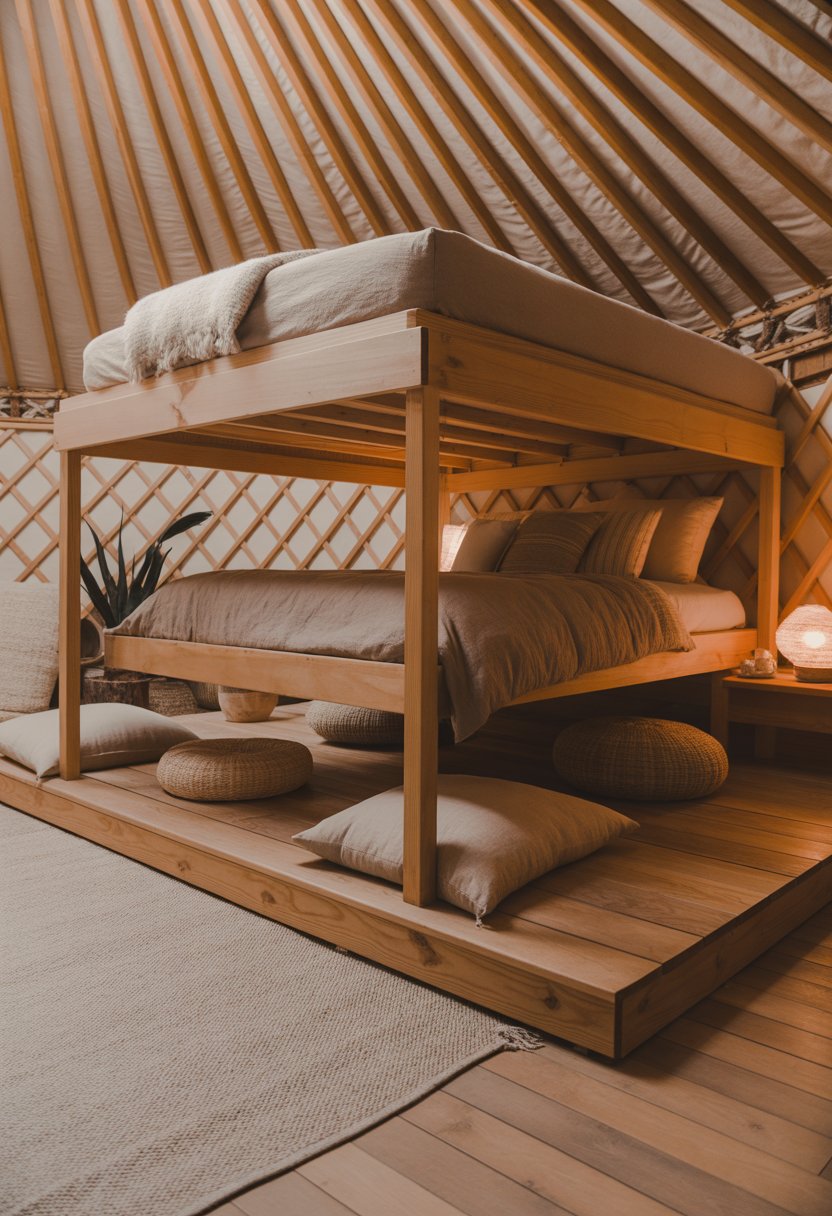
A raised platform bed creates extra space underneath that can be used for seating. This design adds functionality by making a lounge or reading area below the sleeping space. It maximizes the yurt’s limited floor area without crowding the room.
5) Loft office space maximizing vertical height
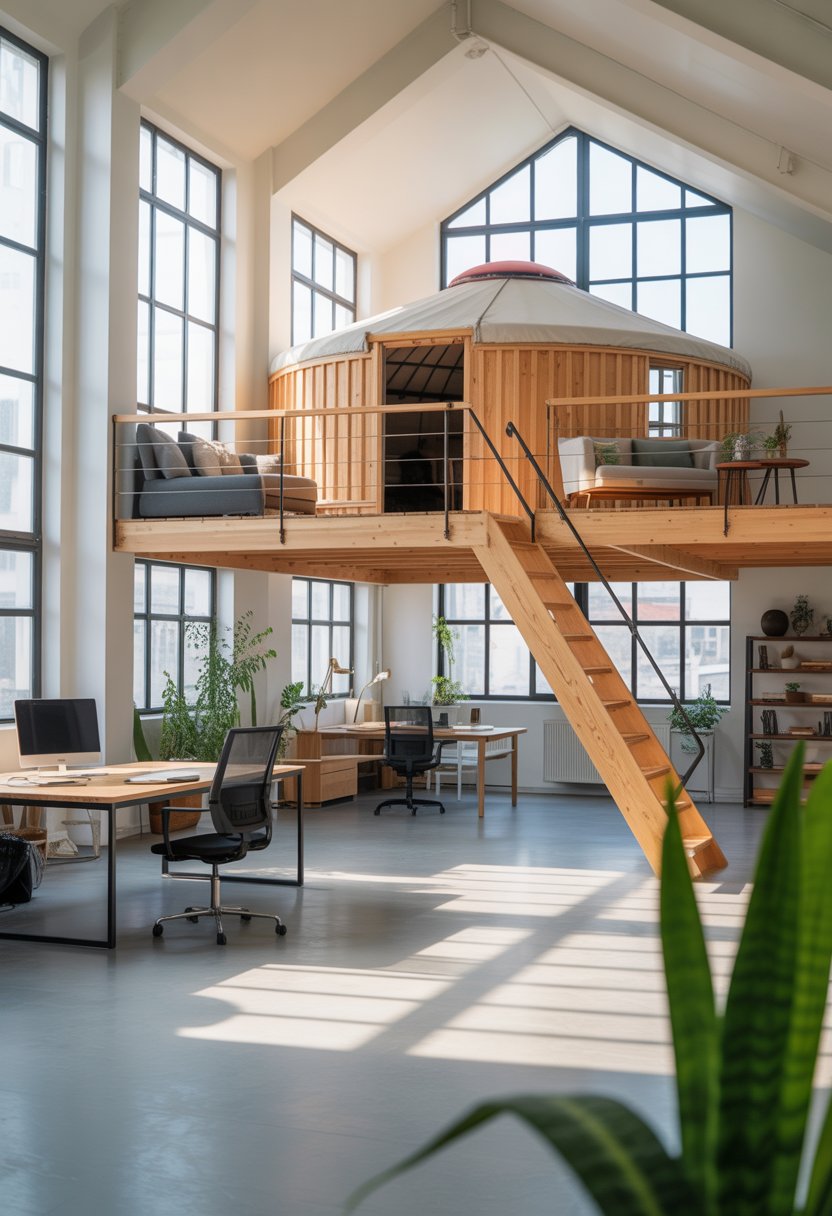
A loft office in a yurt can use vertical space fully by adding shelves or wall storage. This keeps the floor clear and the area organized.
Using tall furniture or a standing desk helps take advantage of the loft’s height. Natural light from windows near the roof adds brightness to the workspace.
6) Loft with insulated walls to enhance comfort
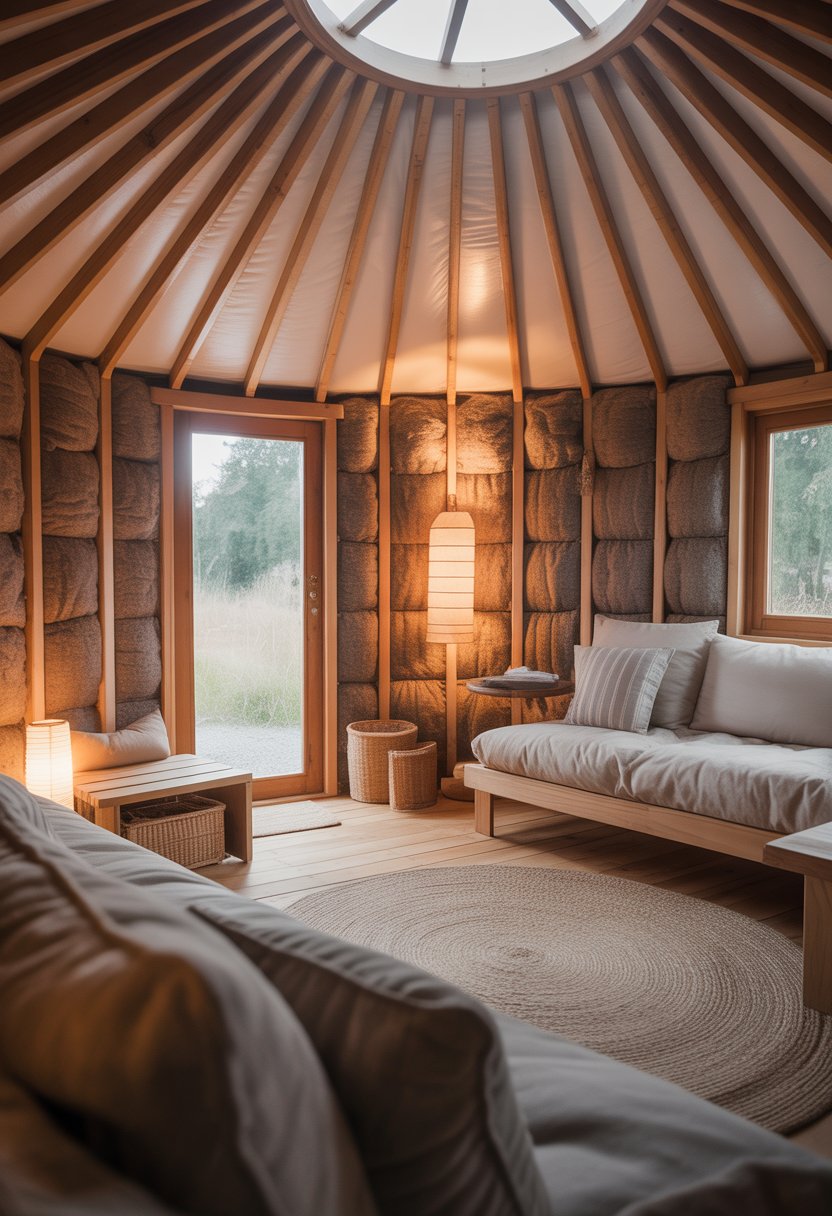
Insulating the walls of a yurt loft helps maintain a stable temperature. It reduces heat loss in winter and keeps the space cooler in summer. Proper insulation makes the loft more comfortable for sleeping or storage throughout the year.
7) Open loft design maintaining yurt’s circular feel
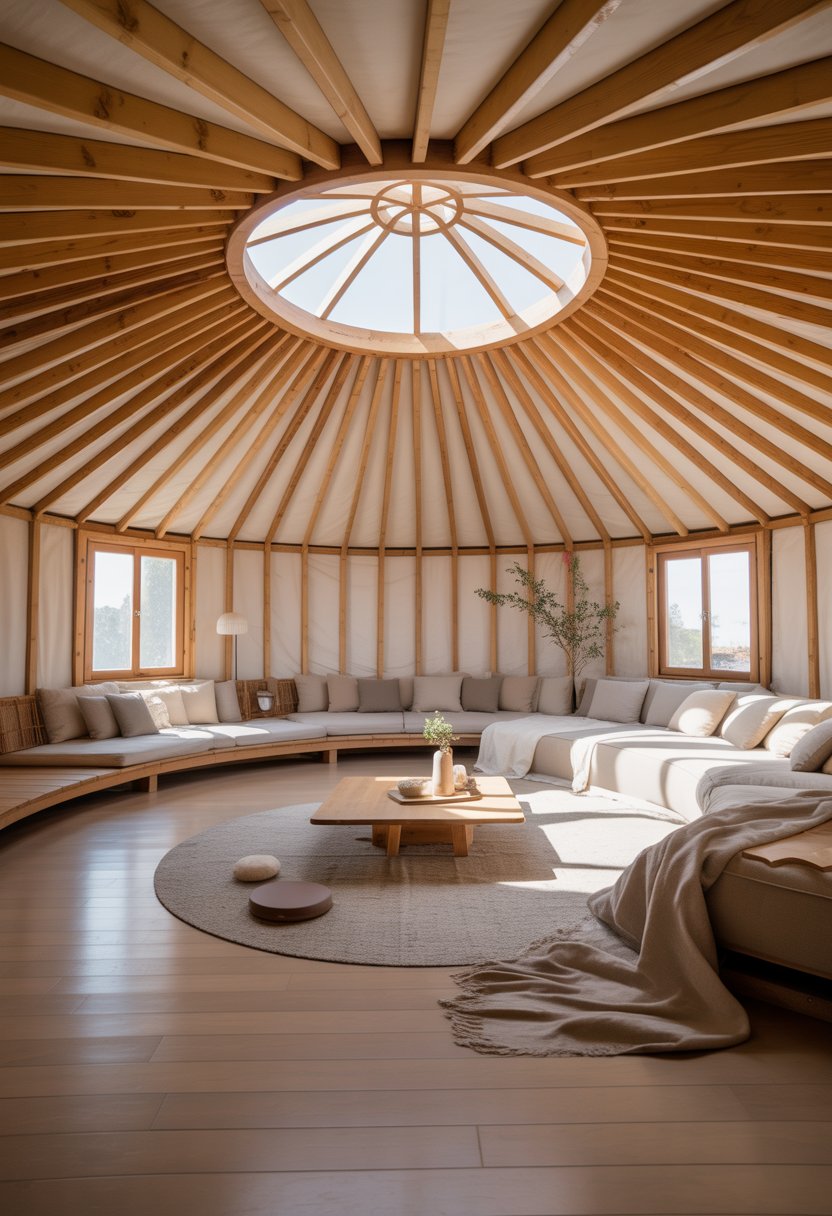
The open loft design keeps the central space free, preserving the yurt’s circular flow. It avoids full walls, using low railings or open barriers instead. This helps maintain light and air while adding extra space above. The loft blends with the yurt’s shape, enhancing openness and usability.
Design Considerations for Yurt Loft Spaces
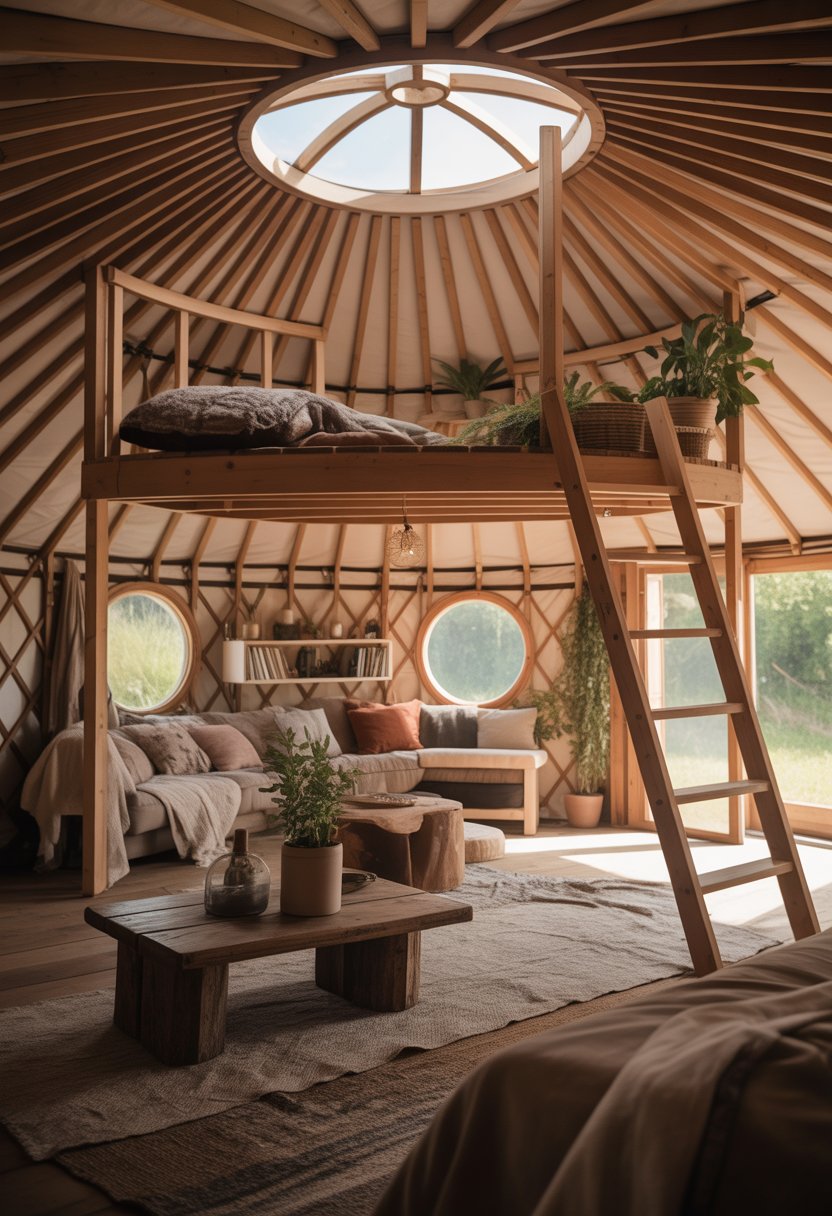
Careful planning of height, support, access, and safety is essential when adding a loft to a yurt. Proper measurements and strong materials ensure the loft functions well without compromising the overall structure.
Ceiling Height and Structural Support
A yurt’s circular shape limits vertical space near the edges, so loft placement usually works best near the center where the roof is highest. The height must be enough for comfortable movement, typically at least 4 to 5 feet of headroom.
Structural support is critical. Loft floors should rest on strong, well-built walls or posts inside the yurt. If partition walls exist, they can serve as supports. Using durable beams and cross-bracing helps distribute weight and adds stability.
It’s important to account for the yurt’s roof tension ring and wooden lattice walls. The loft must not interfere with these key parts, or it could weaken the entire frame.
Access and Safety Features
Safe and convenient access is vital. Common solutions include ladders or stairs that fit the small space without blocking main areas. Staircases with handrails offer more safety but may take up more room.
Railings around the loft edge are necessary to prevent falls. Height for railings should be around 36 to 42 inches.
Clear pathways at both the base and loft levels improve movement and reduce accidents. Lighting along stairs or ladders helps visibility in low light.
Materials for access points should be sturdy and secure. Non-slip surfaces and well-attached fixtures increase safety in daily use.
Maximizing Comfort and Functionality
A yurt loft should balance comfort with practical use. Paying close attention to temperature control and lighting helps create a space that feels cozy and works well for different needs. Both elements play key roles in making the loft usable year-round and at all times of day.
Insulation and Temperature Control
Proper insulation is essential for maintaining a comfortable temperature in a yurt loft. Using thick, high-quality insulation materials such as wool or foam panels helps keep heat in during winter and blocks heat in summer. Adding a radiant barrier under the loft floor also improves temperature regulation.
Ventilation is equally important. Installing vents or small windows near the loft can promote air flow, preventing stuffiness and lowering humidity. Ceiling fans or small, quiet fans can aid in moving air without compromising the cozy atmosphere.
Heating options should fit the loft’s size and use. Electric or propane heaters with safety features work well. Some yurts have wood stoves with pipes safely routed through the structure, but local building codes and safety must be considered.
Lighting Solutions
Lighting in a yurt loft must balance brightness and ambiance. Natural light is ideal, so placing skylights or windows near the loft helps illuminate the space during the day. Frosted or curtain-covered windows can provide privacy without losing light.
For artificial light, multiple small light sources work best. Wall sconces or clip-on LED lamps can be directed where needed without taking much space. Dimmable lights allow for adjusting brightness based on activity and mood.
Using energy-efficient bulbs reduces power consumption, which is important if the yurt is off-grid. Including task lighting near reading areas or workspaces enhances functionality. Strategically placed lights can also highlight the interior design while maintaining a warm and inviting environment.
Frequently Asked Questions
A 13-foot yurt loft can be designed to use space smartly while keeping safety and stability in mind. Choosing strong materials and planning for insulation can make a loft comfortable and durable. Balancing cost and style helps maintain the yurt’s traditional look with modern function.
What are creative ways to maximize space in a 13-foot yurt loft?
Using built-in shelves and compact storage keeps the loft organized without taking up floor space. Adding a raised platform bed with seating underneath creates more usable room. Skylights bring in natural light, making the loft feel bigger and more open.
How do you ensure stability and safety when designing a loft inside a yurt?
The loft structure should be firmly anchored to the yurt’s frame. Railings or barriers around sleeping or seating areas prevent falls. Using strong support beams and cross-bracing helps keep the loft secure and stable.
What materials are best suited for constructing a durable yurt loft?
Lightweight but strong woods like pine or spruce are ideal. Metal fasteners add extra strength at joints. Using quality plywood for flooring provides a sturdy base that can handle regular use while keeping weight low.
Can installing a loft in a yurt affect its insulation properties?
Yes, the loft can change how heat moves inside the yurt. Proper insulation under and around the loft floor is important to avoid cold spots. Ventilation near the skylight helps regulate temperature and reduce moisture buildup.
What are some cost-effective loft design ideas for yurt living?
Simple raised platforms and open shelving use fewer materials and reduce labor costs. Repurposing wood or using off-the-shelf furniture parts can save money. Keeping the design minimal lowers expenses without sacrificing comfort.
How might a loft addition impact the traditional aesthetics of a yurt?
A well-planned loft can blend with the yurt’s circular shape and open layout. Using natural materials and keeping railings low preserves the yurt’s airy feel. Adding a skylight fits with the yurt’s focus on natural light and connection to the outdoors.


