
3 Bedroom Yurt House Plans: Modern Designs and Layout Ideas
A 3-bedroom yurt house plan gives families and groups enough space to live comfortably while keeping the cozy, open feel that yurts are known for. Modern yurt designs can include separate bedrooms, bathrooms, open living spaces, and even a loft to make the most of every square foot. With proper planning, it’s easy to fit three bedrooms, a kitchen, and a living area inside the round structure of a yurt.

Many people like yurt homes because they are different from standard houses and can be more affordable. They also offer flexible layouts, letting people choose the features and rooms they need. Some plans even include a second floor or loft level to add more bedroom space without taking up extra land.
Exploring 3-bedroom yurt house plans helps buyers find the right size and layout to meet their needs. Whether it’s a large family home or a getaway for guests, there are many options for making a yurt feel spacious and comfortable.
Understanding 3 Bedroom Yurt House Plans
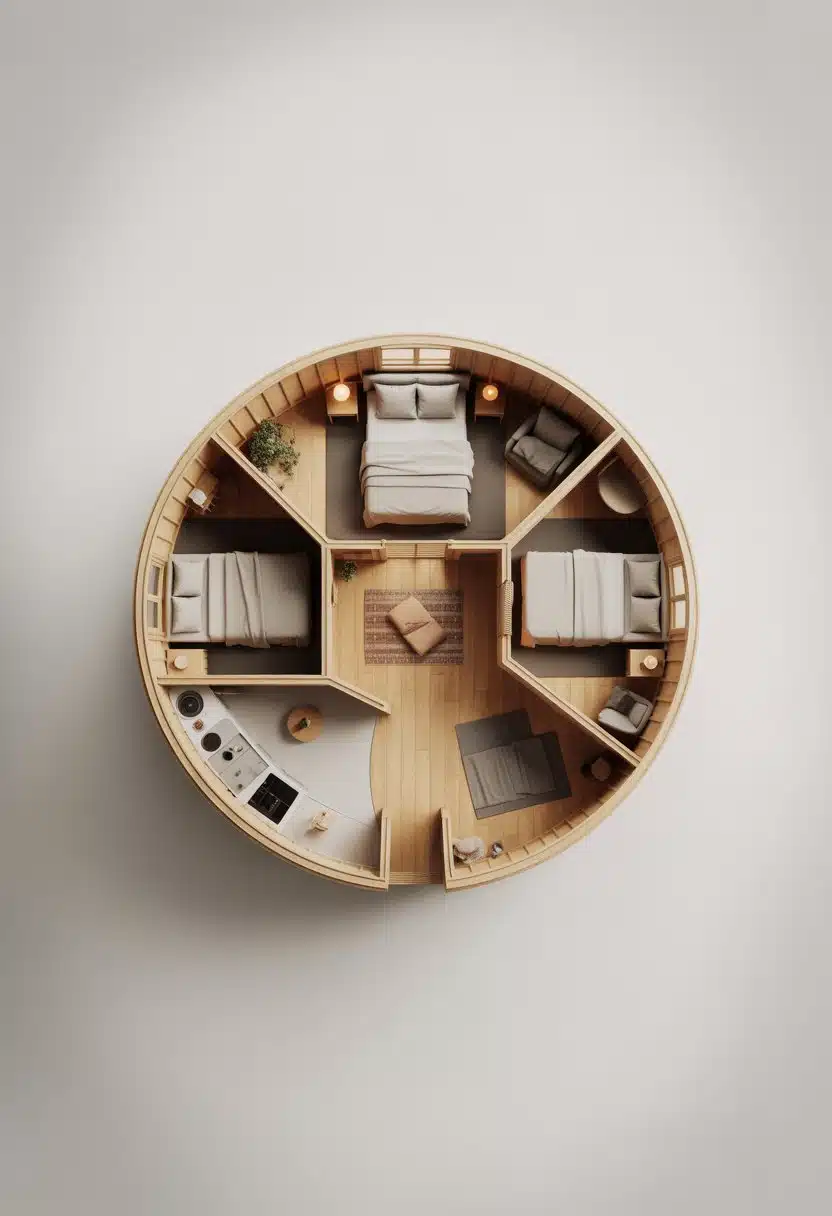
A 3 bedroom yurt house plan offers flexible space for families or groups who want a blend of open-concept living and private rooms. With well-arranged floor plans, modern yurts can include bedrooms, kitchens, bathrooms, and living areas while keeping the round structure’s traditional charm.
What Is a Yurt House?
A yurt house is a round, tent-like structure traditionally used by nomadic people in Central Asia. Today’s yurts have wood frames and fabric covers or more permanent construction with modern materials.
These houses are known for their circular shape, central roof support, and open interiors. Yurt homes can be built as single rooms or subdivided for separate spaces, like bedrooms and bathrooms. They often feature high ceilings and skylights for natural light.
Modern yurt houses can be used as main homes, vacation getaways, or guest houses. Their design makes them energy efficient and adaptable to many climates.
Key Features of 3 Bedroom Yurt Designs
Three bedroom yurt plans tend to range from 24 to 30 feet—or more—in diameter, allowing for adequate private sleeping space. Each bedroom is often arranged around the perimeter, keeping the center open for shared living and dining areas.
Many designs include:
- Open central gathering space for the living room and kitchen.
- Bedrooms separated by partitions or walls for privacy.
- Windows spaced evenly to maximize daylight.
- Storage nooks built into curved walls for efficiency.
Bathrooms and kitchens are usually located on one side to group plumbing. Some 3-bedroom yurts add a loft area for extra sleeping or storage.
Yurt interiors can be customized with modern finishes, insulation for year-round living, and built-in furniture to save space.
Types of Yurt Floor Plans
There are several ways to design a 3 bedroom yurt floor plan. Most use the circular layout to balance privacy and shared space.
Common plans include:
- Single-level yurt: All rooms on the main floor.
- Lofted yurt: Two bedrooms below and an additional bedroom in an upper loft.
- Attached pods: Extra rooms added as smaller yurts joined by hallways.
The open floor plan concept allows for flexible living and easy flow between areas. Bedrooms are typically placed to separate them from communal spaces without wasted hallway space.
A sample layout might include a kitchen and bathroom to one side, with bedrooms on the opposite side or as separate alcoves. The yurt’s central area stays open for dining and relaxing. Furniture arrangements and built-ins can be adapted to the circular shape to make the most of every square foot.
Layout Options for 3 Bedroom Yurt Houses
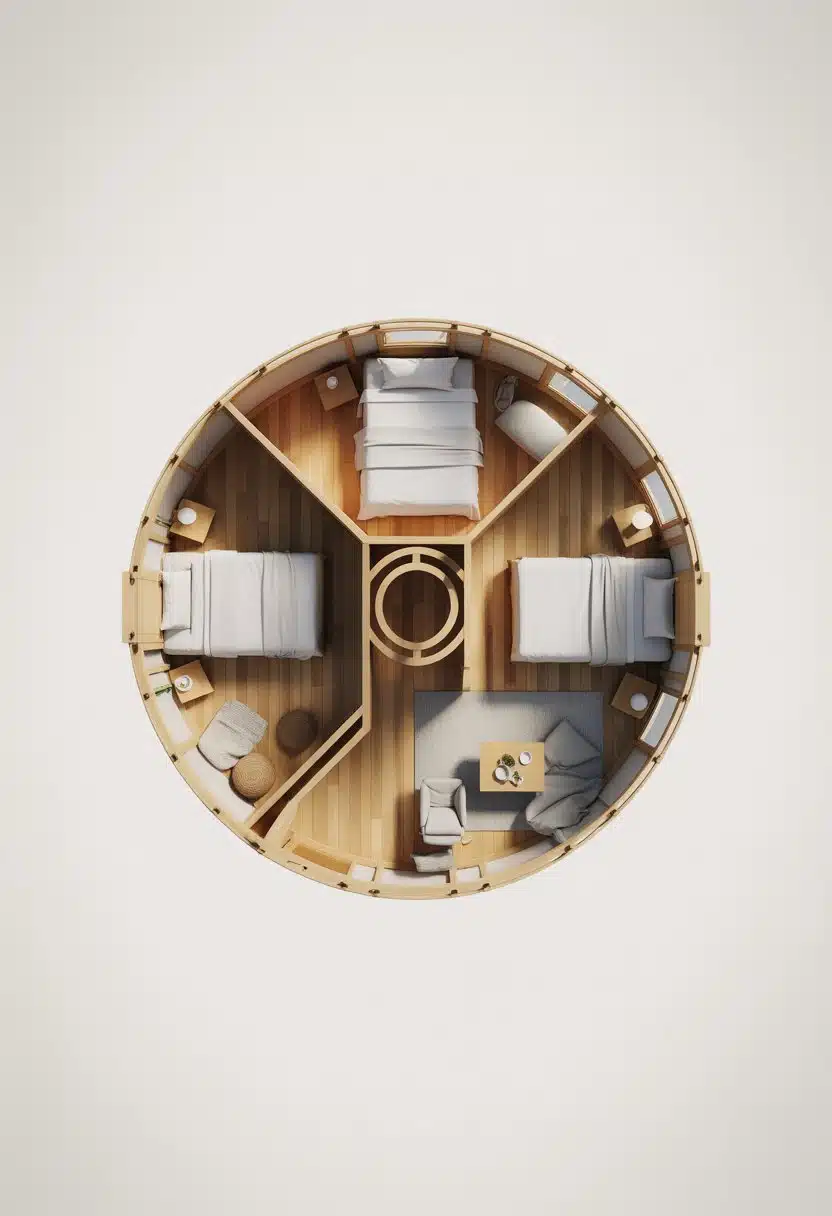
When planning a 3 bedroom yurt, layout choices affect privacy, space usage, and daily living. Details like the number of stories, wall placement, and kitchen or bathroom setup make a significant impact on comfort and function.
Single-Story Versus Multi-Story Layouts
A single-story yurt layout fits all rooms on one floor inside the round structure. This option keeps everything accessible, which helps families with young kids or anyone who prefers to avoid stairs. Bedrooms are often placed around the yurt’s edge, leaving the center open for a shared living area.
Multi-story yurt designs may include lofts or complete second levels. Lofts are sometimes used as one of the three bedrooms, or for extra storage and play space. Building upward allows for more privacy between rooms and larger common areas downstairs.
The structure and materials must support a second level safely. Some yurt kits are designed for lofts or multiple stories, but others are not. Weight limits and roof design can be a factor when choosing a multi-story plan.
Open-Concept Versus Divided Spaces
Open-concept floor plans let family members share a larger, united space. In these yurts, only the bedrooms are closed off by walls, curtains, or sliding doors. The kitchen, dining, and living room flow together in the center, making the area feel bright and spacious.
Divided yurt layouts separate each area with more walls or partitions. There might be a hallway or clear boundaries between the main spaces. This gives more privacy and noise control but can make the yurt feel smaller.
To decide between layouts, consider privacy needs and daily routines. Open concepts may work best for smaller families, while divided spaces are good for groups that value quiet and individual time.
| Feature | Open-Concept | Divided Spaces |
|---|---|---|
| Privacy | Lower | Higher |
| Air Flow & Light | More | Less |
| Noise Control | Less | More |
| Visual Space | Feels bigger | Feels smaller |
Integration of Bathrooms and Kitchens
Bathrooms and kitchens are usually placed near each other in a yurt for practical reasons. This allows easy plumbing installation and keeps water lines shorter, which can lower costs. Most yurt floor plans have the kitchen near the main entry and the bathroom along one edge or between bedrooms.
For a 3 bedroom yurt, designers often place the bathroom between two bedrooms for shared use. A master bedroom can include an en-suite bathroom if space allows. Kitchens are generally compact but efficient, often shaped like a “L” or a small galley. Ventilation is important, so windows near sinks or cooktops are common.
Some yurt owners choose composting toilets or small shower units to save space or reduce plumbing needs. In bigger yurts, full-size bathtubs or laundry areas can fit in. Careful planning helps balance comfort, privacy, and cost for these critical spaces.
Design Considerations and Customization

A 3 bedroom yurt requires thoughtful planning to balance comfort, functionality, and environmental impact. Attention to natural light, up-to-date amenities, and eco-friendly features ensures a better living experience.
Maximizing Natural Light and Ventilation
Yurts have a circular shape, with a central skylight often at the top. Placing bedrooms around the yurt’s edge lets sunlight enter rooms throughout the day. Using multiple windows—both operable and fixed—helps bring in more daylight and fresh air.
Strategically positioned operable windows can create cross-ventilation. This reduces the need for air conditioning on mild days. Choosing clear or frosted panels for doors and skylights also boosts sunlight in shared spaces.
Ventilation options include roof vents, operable side windows, and ceiling fans. These options work together to manage indoor temperature and airflow. Insulated window covers or curtains offer privacy and help control heat and cold.
Incorporating Modern Amenities
Modern yurts can have full kitchens, bathrooms, and laundry spaces. Plumbing and electrical systems may be routed through the yurt’s floor system or along interior walls. Careful planning allows for built-in storage and functional layouts, even within curved walls.
A 3 bedroom design can include:
- An open-plan kitchen with an island
- Multiple bathrooms (ensuite and shared)
- Closets or wardrobes in each bedroom
- Space for a washer and dryer
- Pantry or storage room
Electrical outlets and lighting can follow code, though wiring may be surface-mounted and hidden with trim or cabinetry. Heating and cooling can include mini-split units, wood stoves, or radiant floor heating. Insulation, vapor barriers, and noise control features enhance year-round comfort.
Sustainable and Eco-Friendly Design
Yurts can use energy-efficient materials and systems. Insulated panels, natural fiber insulation, and double-glazed windows help reduce energy loss. Rainwater collection systems, low-flow plumbing fixtures, and composting toilets offer ways to conserve water.
Renewable energy options like solar panels can provide electricity. Using locally sourced wood for the frame and natural cladding minimizes environmental footprint. Non-toxic paints, stains, and adhesives keep indoor air healthier.
Landscaping around the yurt can use native plants to reduce water use. Including shade trees, awnings, or plant-covered trellises can help cool the yurt naturally during warmer months. Steps like these make a 3 bedroom yurt healthier for people and the planet.
Selecting and Downloading Yurt House Plans

Finding the right 3 bedroom yurt floor plan is key to making the most of space and function. Choosing and downloading a plan involves knowing where to look, working with professionals, and understanding specific plan details to meet needs.
Where to Find 3 Bedroom Yurt Floor Plans
Many reputable companies and online platforms offer 3 bedroom yurt house plans. Websites such as Rainier Outdoor and the Colorado Yurt Company have dedicated sections for yurt floor plans, including downloadable PDFs. Some providers organize their plans by size, bedroom count, and added features, making it easy to filter results.
Yurt specialists often create floor plans with different layouts. Options include single-story designs and two-story layouts with loft bedrooms. For inspiration, buyers can review plan libraries that include options like open living spaces, private bedrooms, and integrated kitchen areas.
n addition to company websites, some architectural firms and DIY building sites also share yurt blueprints. Always check if plans are recent and include up-to-date safety features, window placements, and entry designs.
Working with Yurt Specialists
Consulting a yurt specialist can help create a plan tailored to personal needs. Yurt designers provide expert layout advice, taking into account space for bedrooms, bathrooms, kitchens, and living areas. They also help with adapting standard plans to fit family size or land requirements.
Specialists know current building codes and best materials for local climates. They can recommend options for insulation, snow loads, and ventilation. Many offer tools to sketch ideas or customize an existing plan before download.
Clients benefit from direct communication, as professionals can answer questions about door and window placement, safety features, and zoning rules. Working with a reputable expert reduces the risk of mistakes during construction.
Understanding Plan Specifications
Every yurt floor plan comes with key specifications to review before downloading. These include the overall square footage, number of bedrooms and bathrooms, window and door placement, and structure shape. Some plans include lofts, second stories, or attached platforms that increase usable space.
Buyers should check if the plans meet local building codes. Look for details like egress windows for bedrooms, sturdy entry doors, and suggestions for plumbing and electrical layouts. Plans should be clear and come with diagrams or layout sheets to guide construction.
Most providers offer plans in formats like PDF or CAD, suitable for both review and use by contractors. Before downloading, confirm the plan fits the budget, intended use, and family needs, and includes all necessary technical drawings.
Legal and Copyright Considerations

Building or buying 3-bedroom yurt house plans involves more than just picking a design. Homeowners and builders must follow legal rules and respect the copyright of the original plan creators.
Obtaining Permission for Use
Anyone who wants to use existing yurt house plans should get proper permission before starting construction. Most yurt floor plans are protected by copyright law, even if they are found online or in magazines.
Buying plans typically gives the buyer rights to build a single home from that design. To build more than one, or use the same design repeatedly, extra licenses are usually needed. Building without permission can come with serious financial penalties, up to tens of thousands of dollars per violation.
When considering a pre-made plan, buyers should always check licensing details first. This ensures that use is legal and avoids copyright claims.
Respecting Original Designs
Respecting original designs means not copying or sharing plans without clear approval from the owner or designer. Plans, blueprints, and detailed layouts are the creator’s intellectual property and protected under federal law.
Even changing small parts of a plan does not remove the original designer’s copyright. Copying a floor plan, distributing it, or using it to build a yurt without permission violates the creator’s rights. This applies to digital plans as well as printed materials.
The safest way to avoid copyright issues is to purchase plans from reputable sources. Written permission should be kept for records, especially if any changes are being made to the plans.
How Copyright Affects Customization
Making changes to a 3-bedroom yurt plan does not always mean the copyright is no longer in effect. Even if modifications are made, the new plan may still be considered a “derivative work” under the law. This means the original designer’s rights must still be respected.
Common customization scenarios and their implications:
| Customization Type | Permission Required? | Notes |
|---|---|---|
| Minor layout tweaks | Yes | Most small changes need approval |
| Adding new rooms | Yes | Still based on original design |
| Large redesign | Maybe | Depends on how much is changed |
Before altering a plan, it is best to get written clearance from the copyright owner. This protects against future legal claims, especially if the changes are small or the source material is still recognizable.
Frequently Asked Questions

Three-bedroom yurt homes require thoughtful design for sizing, layout, structure, utilities, and budget. Homeowners often look for flexible plans, loft options, and clear building guidelines.
What are the standard dimensions for a 3-bedroom yurt?
Most 3-bedroom yurt homes use a main yurt between 24 and 30 feet in diameter.
Some designs use a larger central yurt with smaller connecting pods or wings for extra bedrooms.
Yurt size also depends on space for common areas like kitchens and living rooms.
Can I find floor plans for a 3-bedroom yurt with a loft design?
Yes, many yurt companies and DIY resources offer plans that include lofts for extra space.
A loft is often used for a bedroom, office, or storage in yurt homes with high ceilings.
Adding a loft requires careful planning to make sure there is headroom and safe access.
Are there customizable floor plan options for a 3-bedroom yurt?
Builders and kit suppliers often give options for changing room layouts, door and window locations, and features like decks or porches.
Custom plans help match family needs and land shapes.
Several companies have online design tools for home buyers to try different layouts.
What are the structural considerations for constructing a 3-bedroom yurt?
Larger yurts need strong lattice walls, roof rings, and rafters to support the roof and any loft.
Wind, snow, and local building codes must be followed.
For long-term living, a solid foundation such as a wood platform or concrete slab is needed for stability.
How do utilities and amenities get incorporated into 3-bedroom yurt house plans?
Plumbing and electrical lines are often routed through the flooring or attached to interior framing.
Bathrooms, kitchens, and laundry areas must be planned near water and drain lines.
Proper insulation, heating, and cooling are key for comfort in all seasons.
What are the estimated costs for building a 3-bedroom yurt home?
The price for a 3-bedroom yurt house varies based on size, materials, and finishes.
Kit prices for a basic yurt of this size can start around $25,000 to $40,000 before adding custom features, foundation, or utilities.
With all systems included, the full build can cost anywhere from $60,000 to more than $100,000.


