Pod Container Contemporary Mobile Cabin Ideas: 7 Innovative Designs
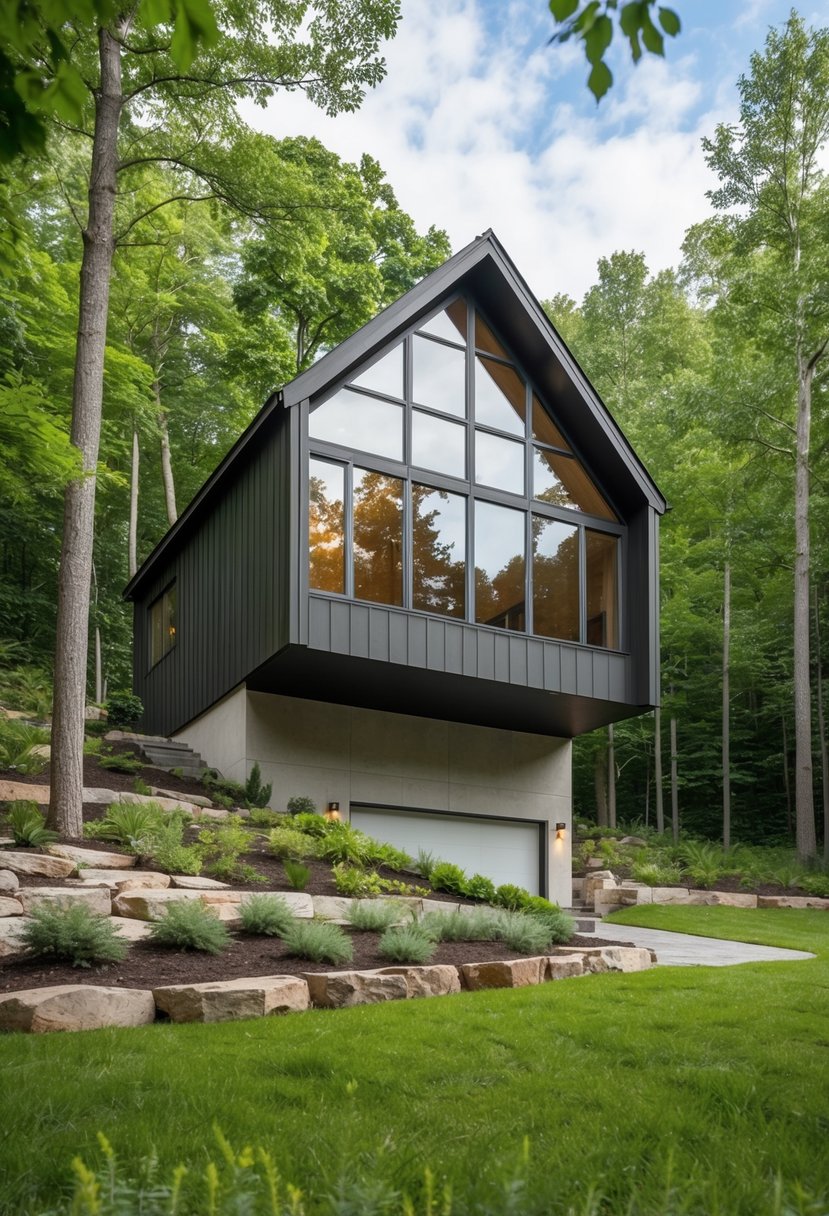
Pod container contemporary mobile cabins offer a flexible way to create functional living or working spaces in almost any location. They combine modern design with portability, making them suitable for a range of uses from personal retreats to professional setups. They provide a practical housing or workspace solution that adapts to changing needs and environments.
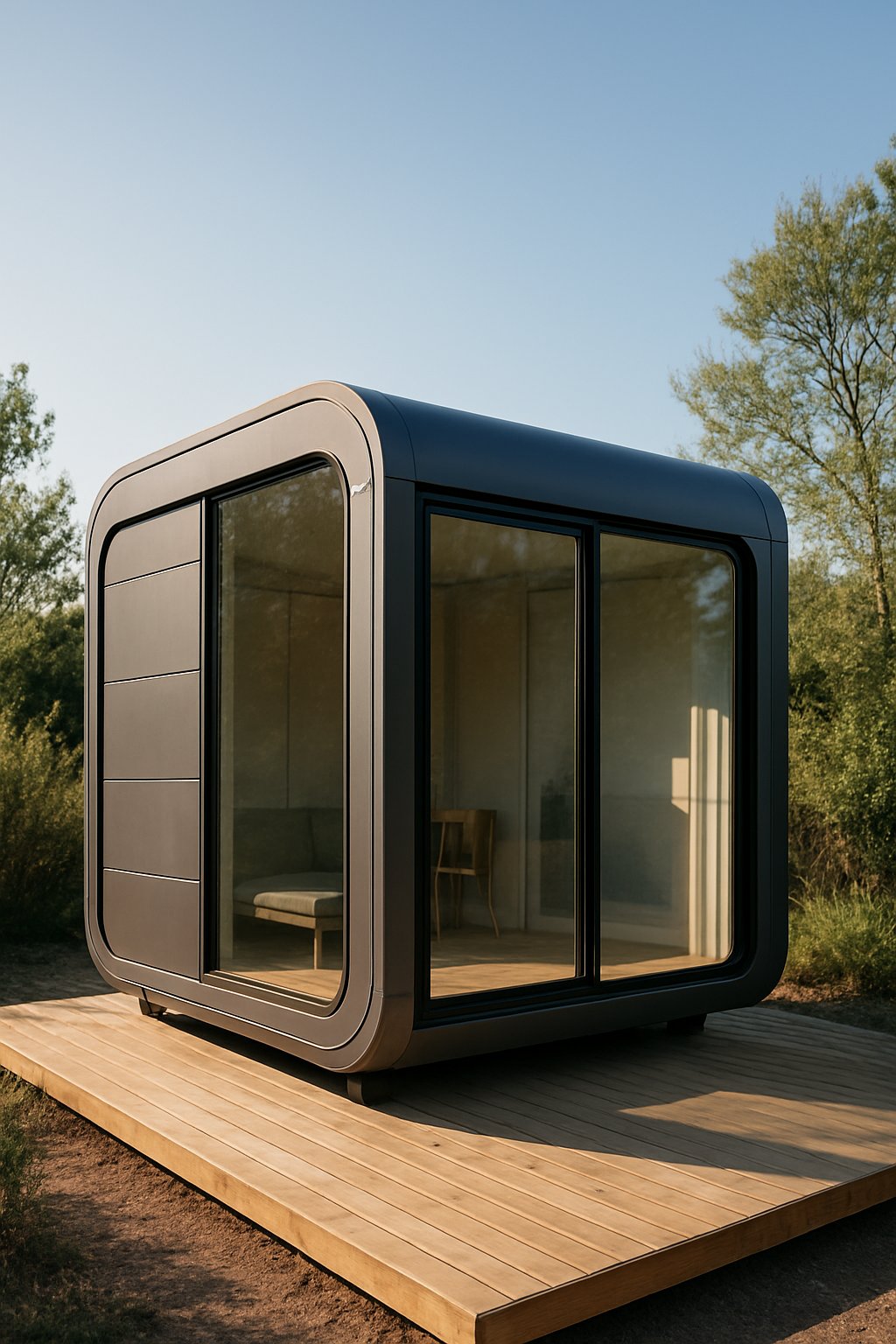
This approach to modular living focuses on efficient use of space, durable construction, and ease of relocation. With various styles, sizes, and configurations available, these cabins can fit different lifestyles and purposes without requiring permanent construction.
1) Vexho Modern 20ft Apple Shape Mobile Cabin
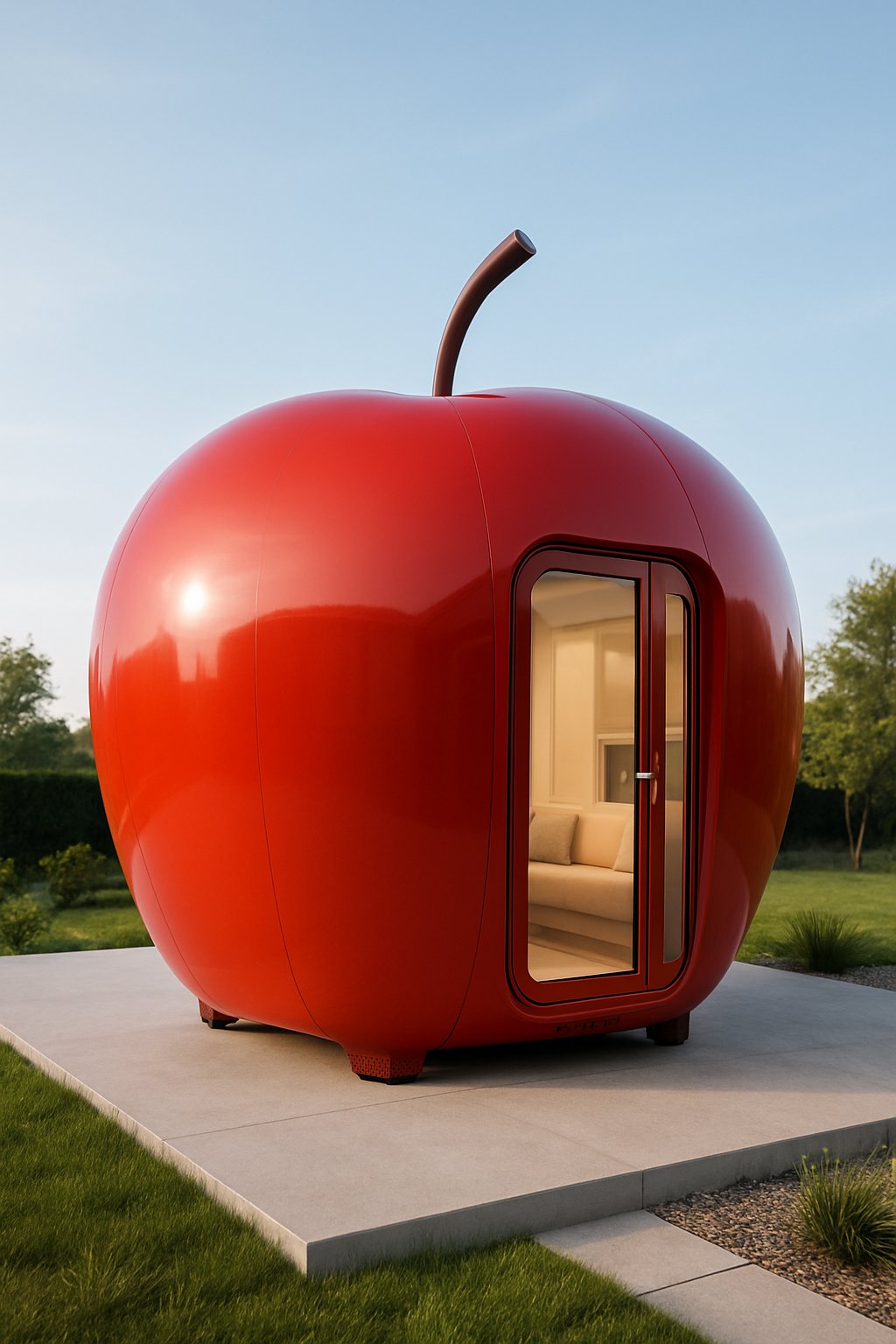
The Vexho Modern 20ft Apple Shape Mobile Cabin is a prefabricated unit designed for easy transport and setup.
It includes a compact living space with basic amenities such as a washroom, ventilation windows, and storage.
The exterior uses durable materials like aluminum composite panels for a modern look.
2) Modern Design Prefab Luxury Garden Pod
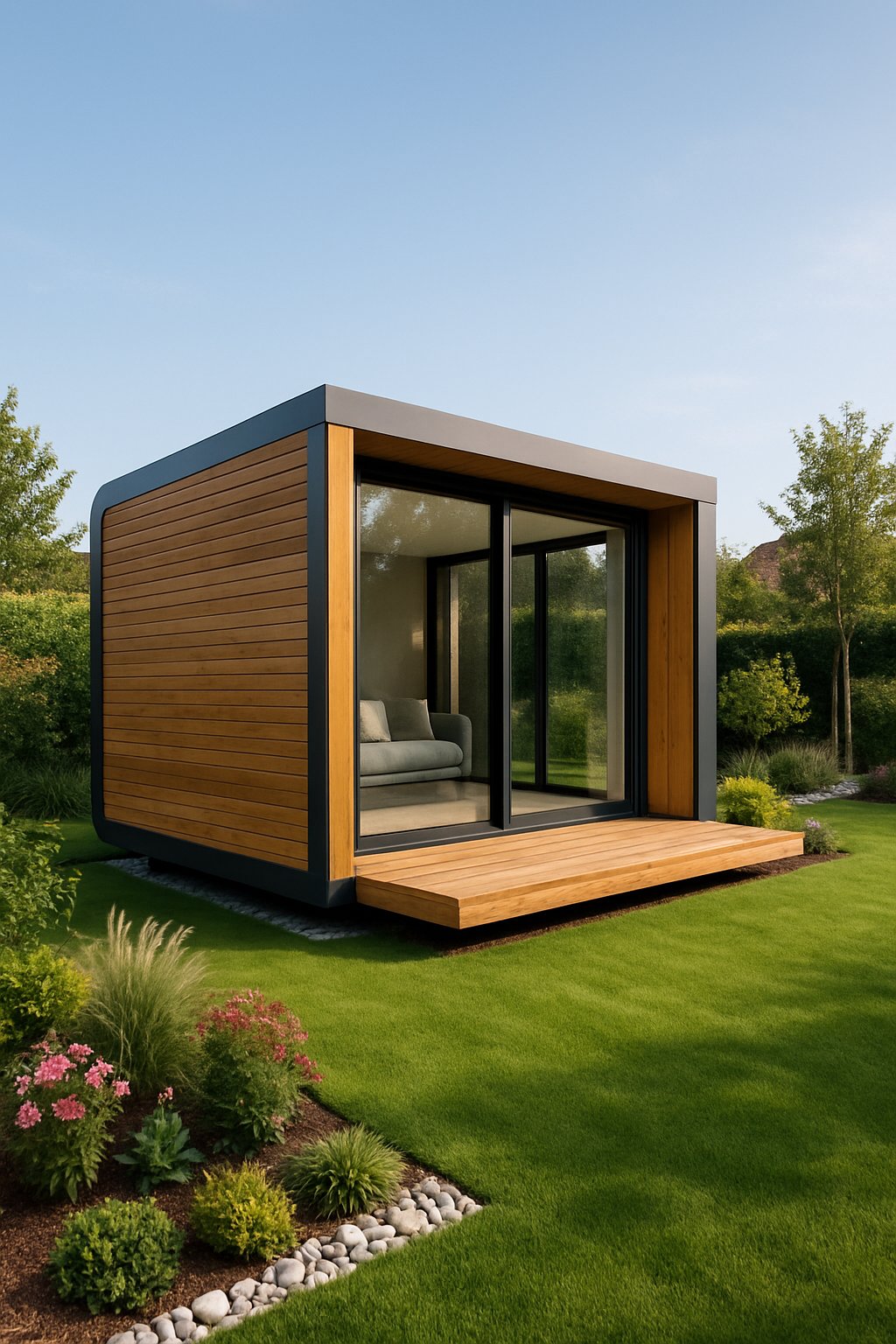
The modern design prefab luxury garden pod features clean lines and a compact structure. It is built for easy transport and quick setup in different locations.
Its materials are durable and weather-resistant, offering protection from rain and wind. Insulated panels help maintain indoor comfort in various climates.
3) Sunfine Eco-Friendly Apple Cabin
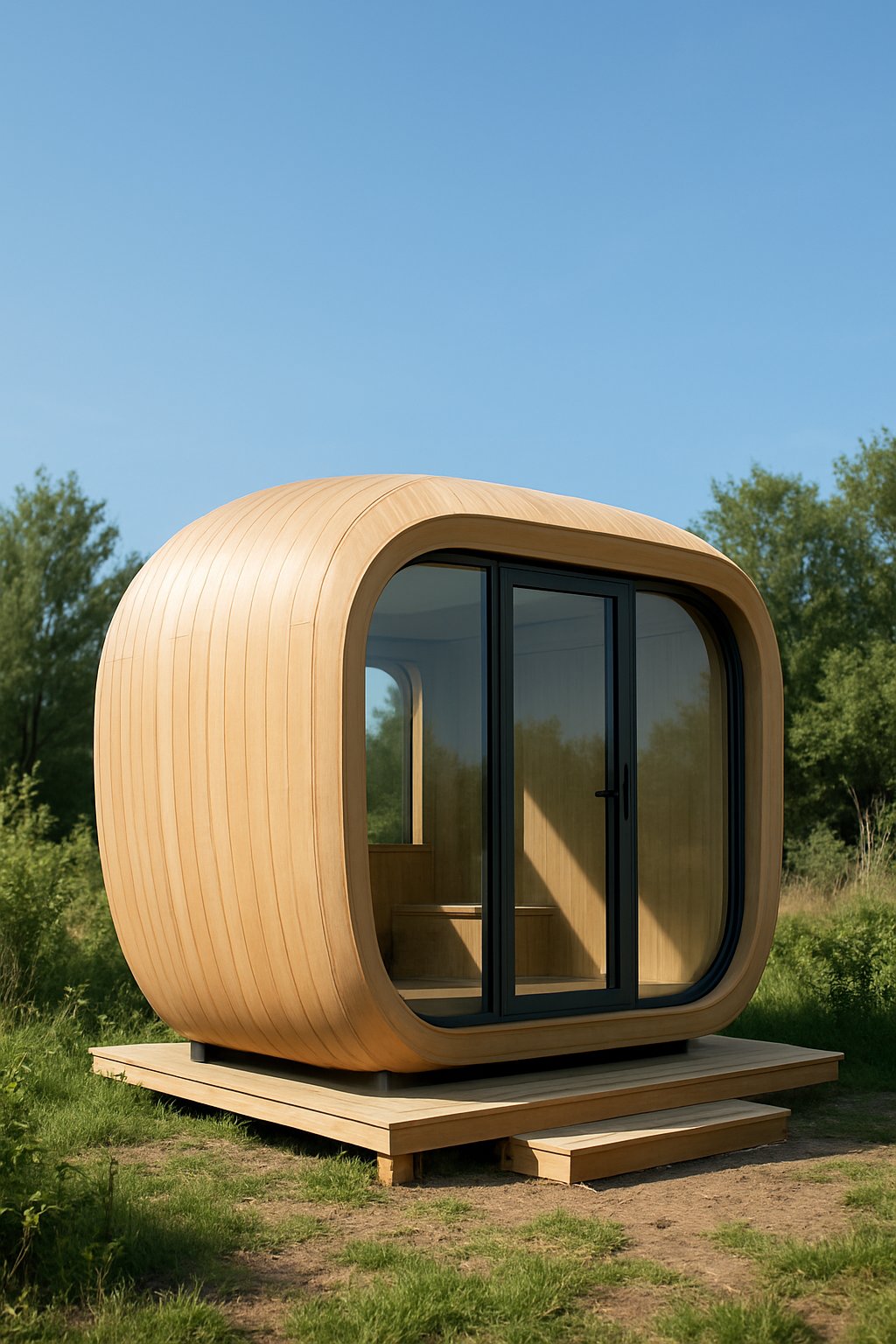
The Sunfine Apple Cabin is a compact, prefabricated unit built with eco-friendly materials. It is designed for portability and easy setup in different locations.
It can serve as a guest house, office, or temporary living space. Its modular design allows customization to meet different needs.
4) ZYC Modern Modular 20ft Pod House
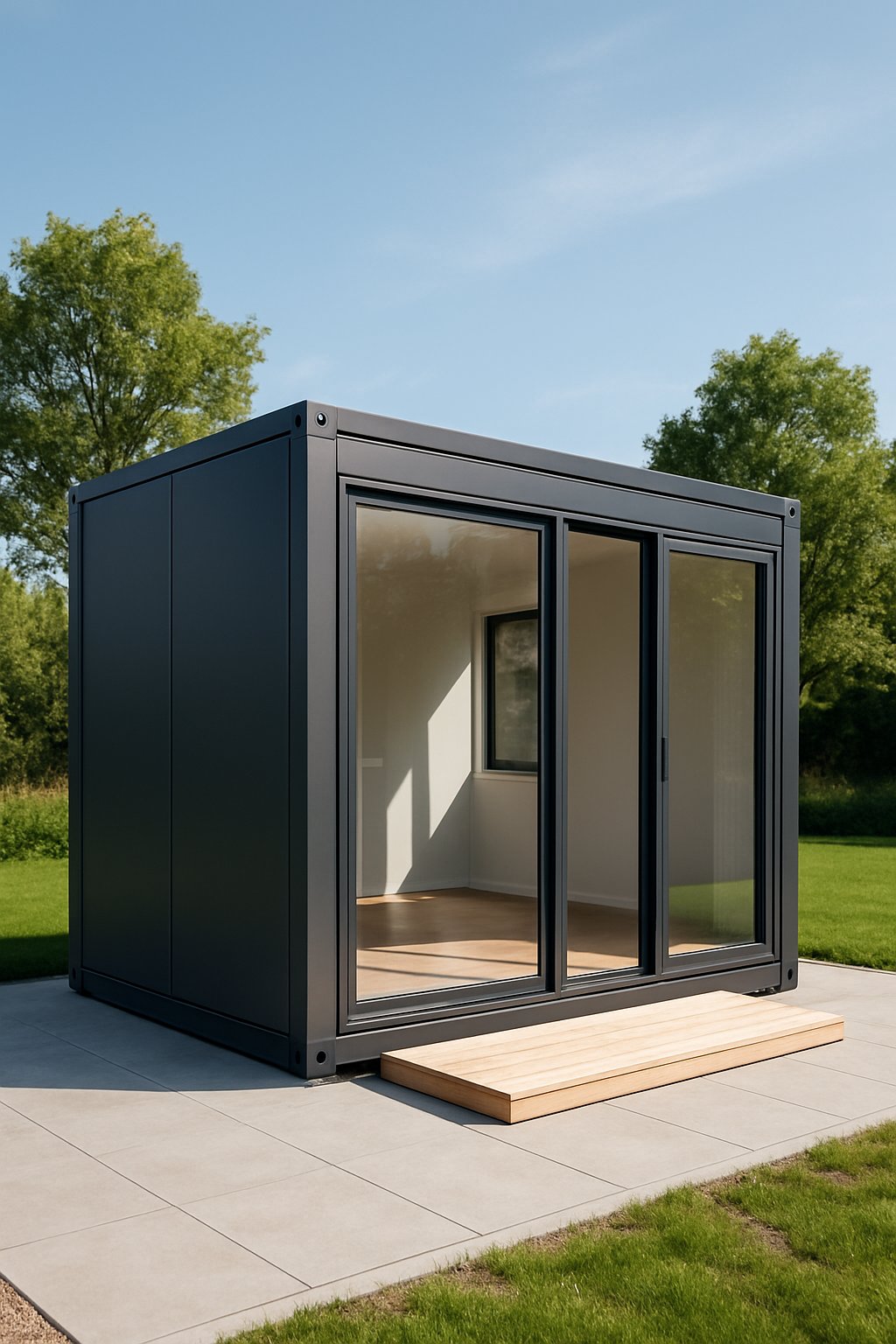
The ZYC Modern Modular 20ft Pod House uses a steel frame and insulated panels for strength and comfort.
It is designed for easy transport and can serve as a home, office, or rental unit.
The interior can include basic furnishings, kitchen facilities, and a bathroom.
5) Marscabin Smart Apple Cabin Sleeping Pod
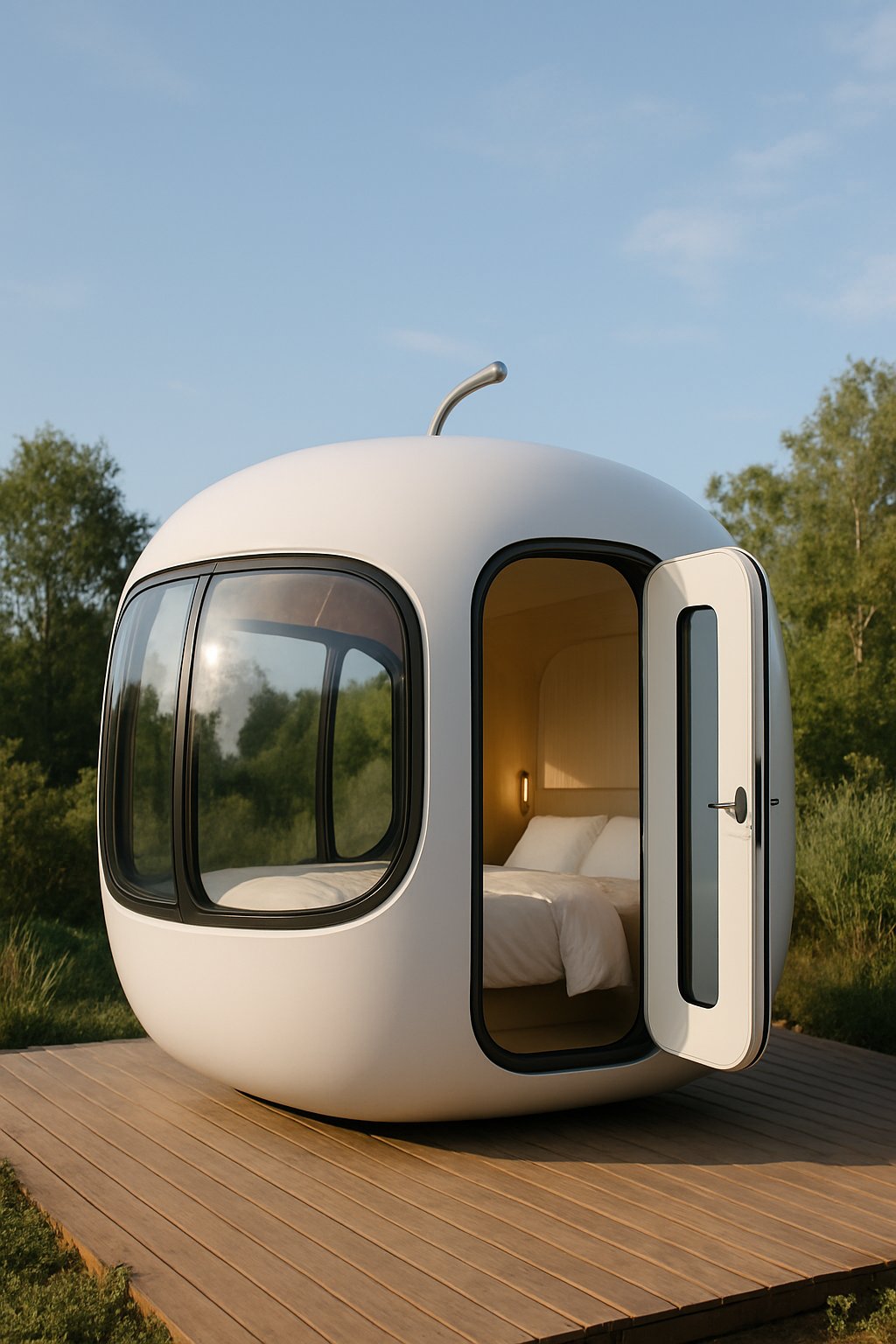
The Marscabin Smart Apple Cabin Sleeping Pod is a prefabricated modular unit delivered fully assembled.
It features a compact design with options for sleeping, living, and basic amenities.
Its structure uses durable materials and can be placed in various locations such as parks, resorts, or rural areas.
6) Luxury Modular 2 Layer Apple Pod Cabin
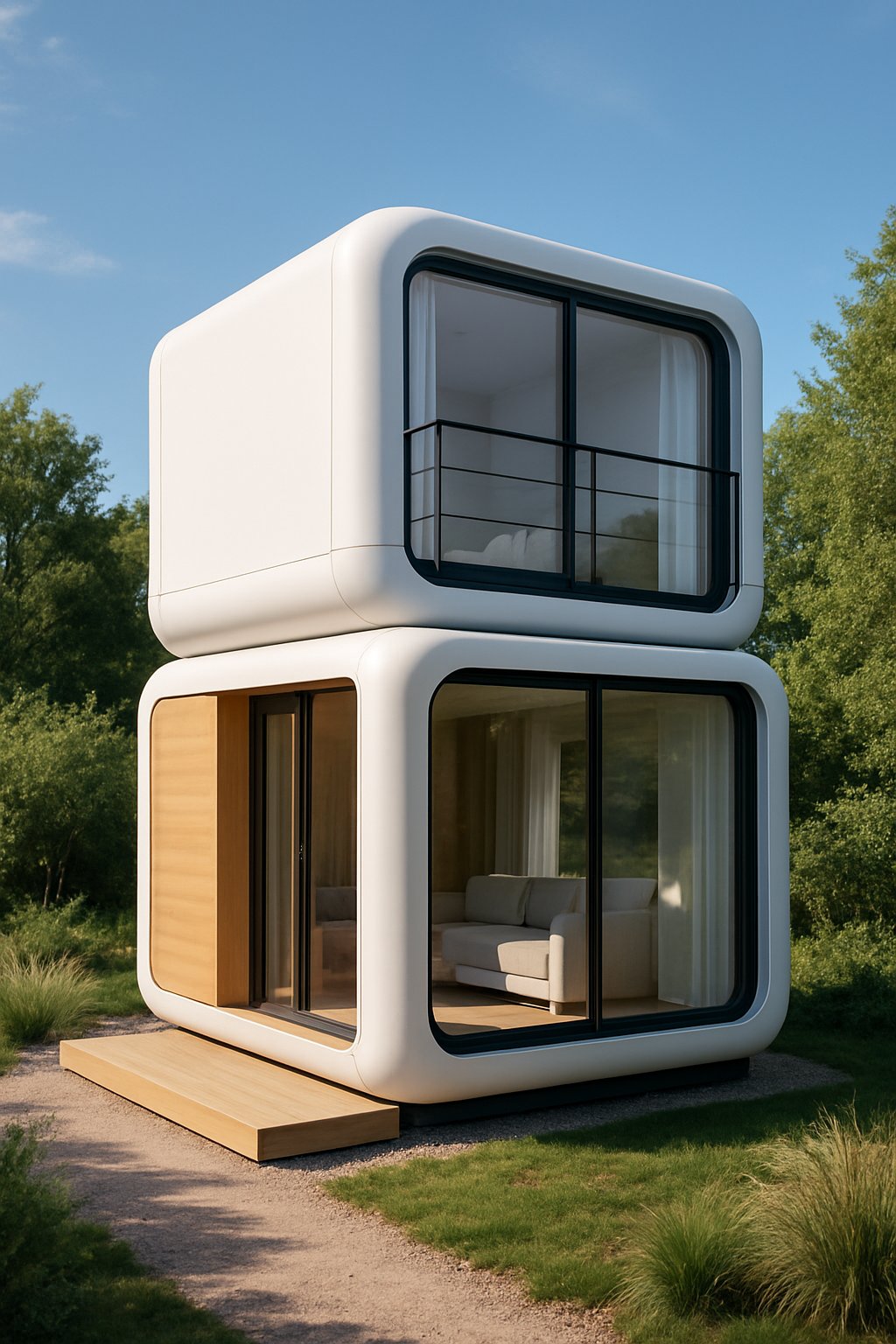
The two-layer Apple Pod Cabin uses a modular design to save space while offering separate living areas.
It is built with durable steel frames and insulated panels for strength and energy efficiency.
This cabin can serve residential or commercial needs and allows quick on-site assembly.
7) SlayGaloreHomes 40ft Movable Apple Cabin
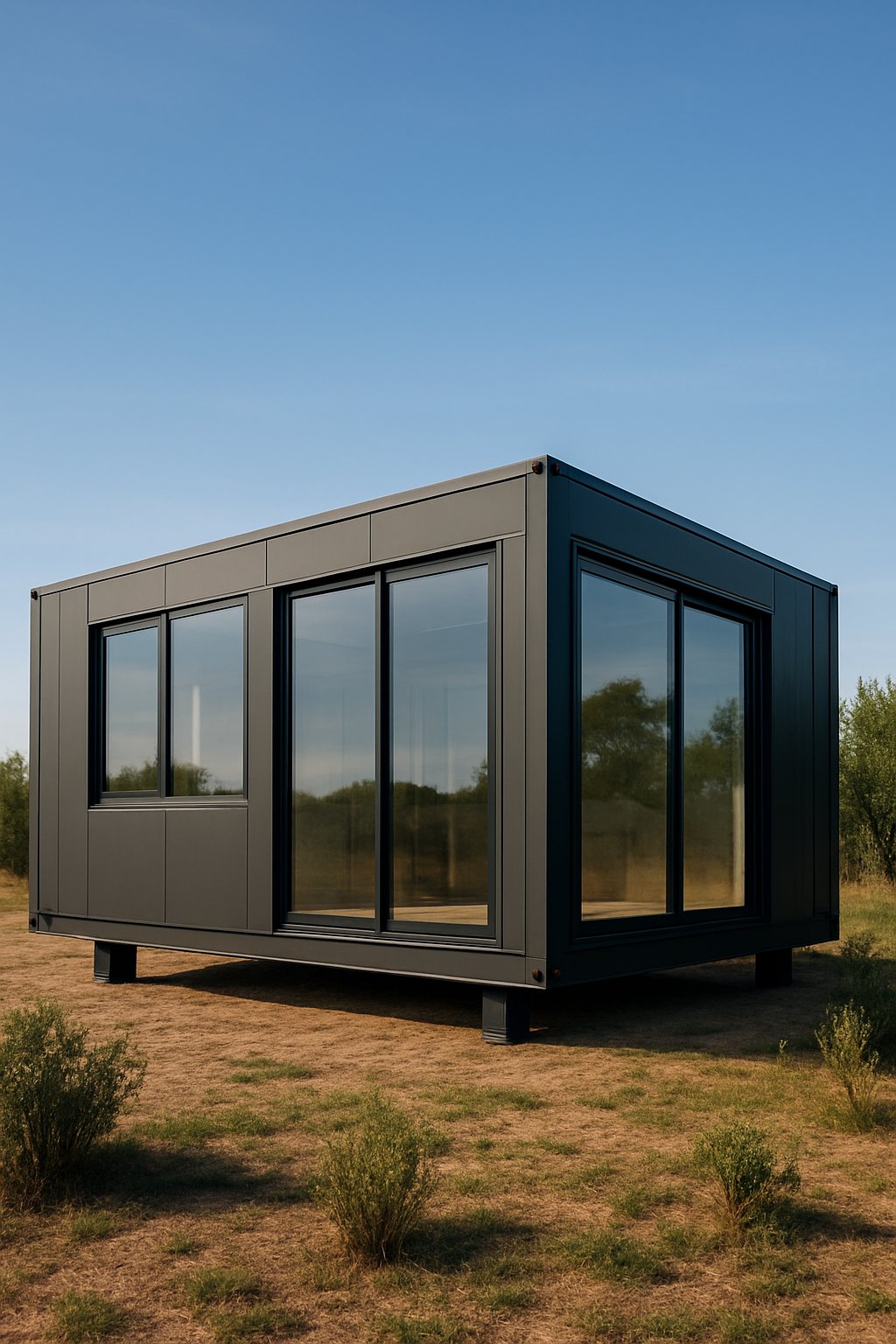
The 40ft Movable Apple Cabin from SlayGaloreHomes is a modular, prefabricated unit designed for flexible use.
It can function as a living space, office, or guest accommodation.
The structure features a modern design and is built for easy transport and setup in different locations.
Design Principles of Pod Container Contemporary Mobile Cabins
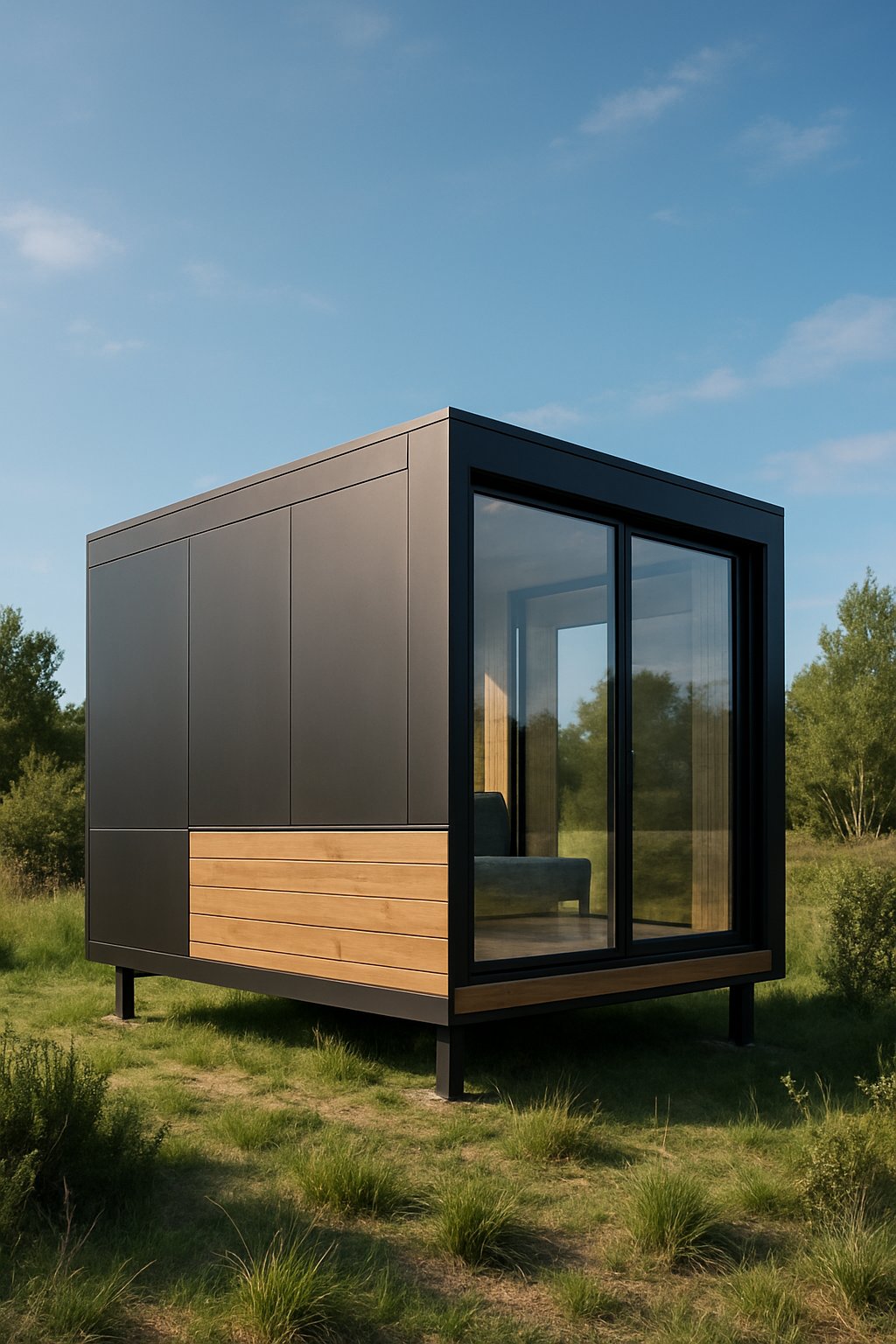
These cabins balance compact layouts with functional features to make the most of limited space. They also rely on durable, efficient materials that support long-term use and reduce environmental impact.
Space Optimization Strategies
Designers often use multi-functional furniture to save space. A sofa may convert into a bed, or a dining table may fold into the wall. This approach allows one area to serve multiple purposes without feeling crowded.
Vertical storage is another key method. Shelving, wall-mounted cabinets, and overhead compartments keep floors clear. This improves movement inside the cabin and makes small interiors feel more open.
Sliding doors replace swinging doors to free up floor space. Large windows and glass panels increase natural light, which can make interiors appear larger.
Some layouts use zoning to separate areas for sleeping, cooking, and working. Even in a small footprint, clear zones help maintain order and comfort.
A simple example layout might include:
| Zone | Features |
|---|---|
| Sleeping | Fold-down bed, under-bed storage |
| Cooking | Compact appliances, pull-out pantry |
| Living/Work | Convertible desk, modular seating |
Material Selection and Sustainability
Many cabins use repurposed shipping containers as the main structure. These steel frames are strong, weather-resistant, and designed to handle transport.
Insulation is critical for comfort and energy efficiency. Common choices include rigid foam panels or eco-friendly materials like sheep’s wool or recycled denim.
Interior finishes often use low-VOC paints and sustainably sourced wood to improve indoor air quality. Reclaimed wood adds character while reducing demand for new lumber.
For energy efficiency, designers may install double-glazed windows, LED lighting, and compact HVAC systems.
Exterior cladding can include weathering steel, fiber cement panels, or treated timber. These materials protect against moisture and require minimal upkeep.
Rainwater collection systems and rooftop solar panels are sometimes integrated to reduce reliance on external utilities. This supports off-grid or semi-off-grid living without sacrificing basic comfort.
Integration of Technology in Mobile Cabins
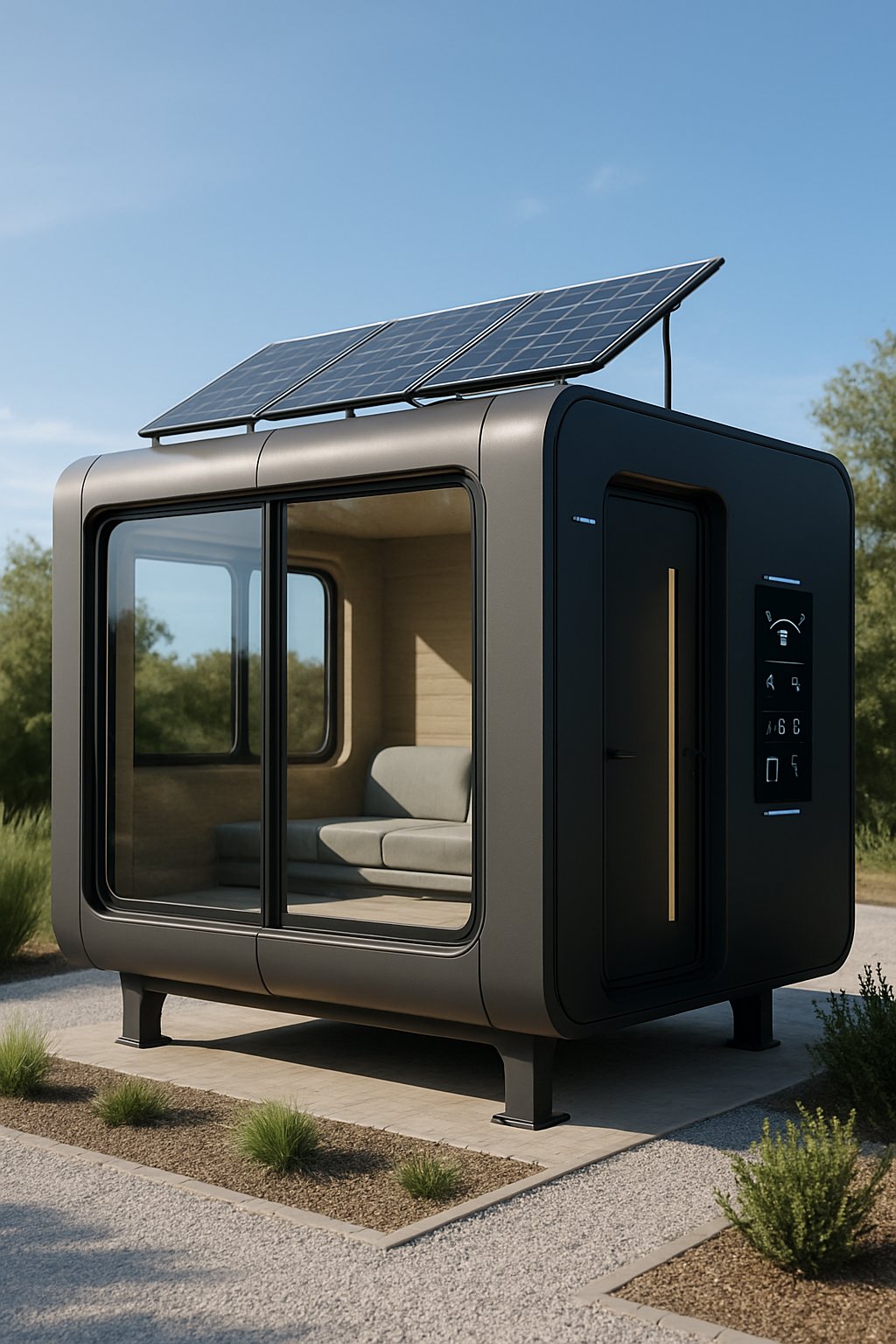
Modern mobile cabins use connected devices and efficient systems to improve comfort, security, and resource management. They often combine automation with sustainable energy setups to reduce reliance on external utilities while maintaining reliable performance.
Smart Home Features
Many mobile cabins now include automated lighting, climate control, and security systems. These features allow users to adjust settings through a smartphone or tablet, whether they are inside the cabin or away.
Motion sensors can turn lights on only when needed, helping save power. Smart thermostats learn usage patterns and adjust heating or cooling to maintain comfort while using less energy.
Security systems often include remote camera access, smart locks, and entry alerts. This makes it easier to monitor the cabin and control access without being on-site.
Some cabins also integrate entertainment systems that connect to streaming services or local media servers. These can be controlled through voice commands or mobile apps, reducing the need for multiple remotes or manual setup.
By linking devices through a central hub, owners can manage lighting, temperature, and security in one place, improving both convenience and efficiency.
Off-Grid Energy Solutions
Mobile cabins often use solar panels as the main renewable energy source. Panels feed into battery storage systems, allowing power use at night or during cloudy weather.
Energy storage capacity varies, but many setups include lithium-ion batteries for longer life and better efficiency compared to older lead-acid types.
Some cabins pair solar with small wind turbines to provide extra power in windy locations. This helps maintain a steady energy supply when sunlight is limited.
Water heating can use solar thermal systems or high-efficiency propane units. Appliances are often chosen for low power draw, such as LED lighting and induction cooktops.
By combining renewable generation with efficient appliances, these cabins can operate for extended periods without connecting to a traditional power grid.
Frequently Asked Questions
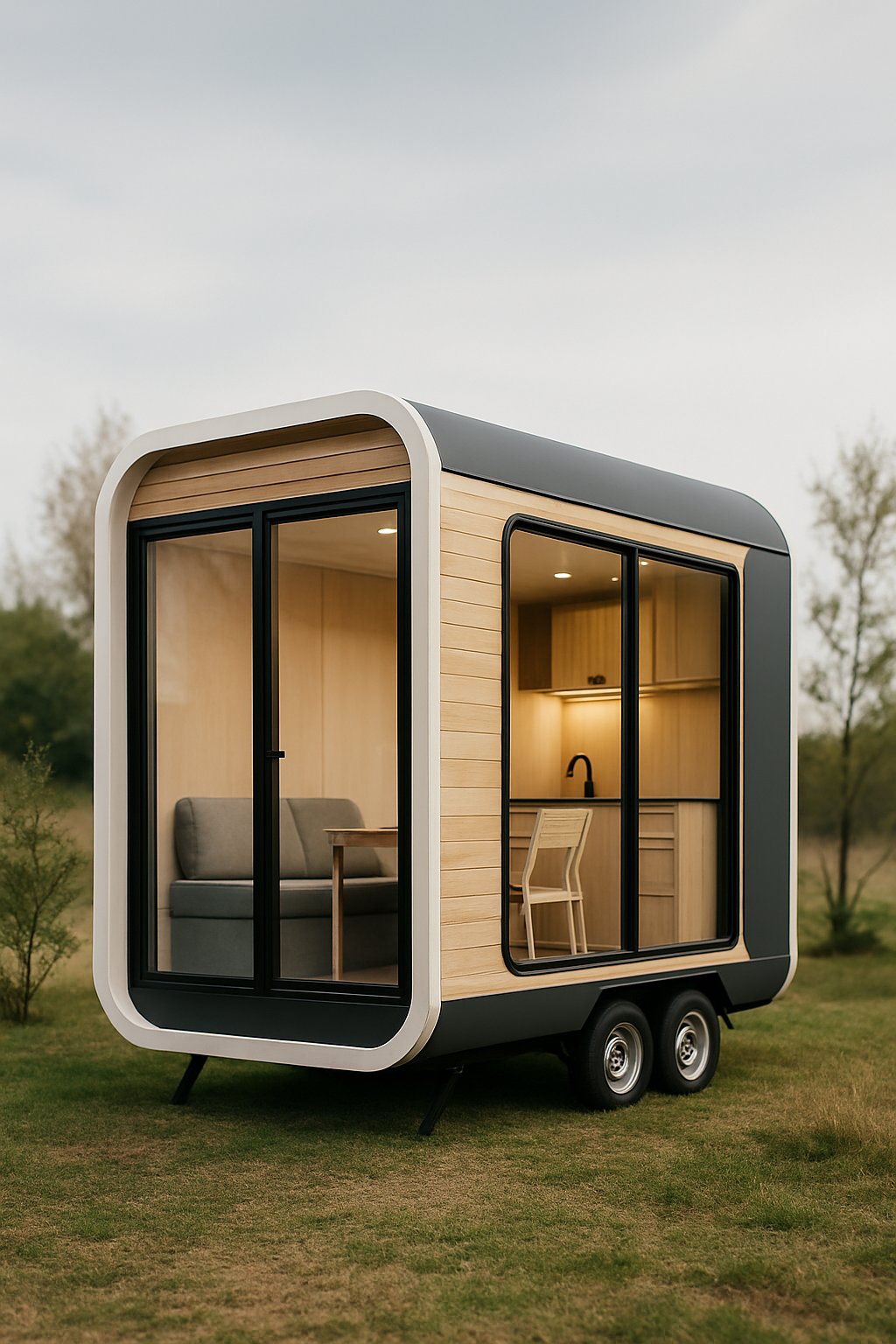
Contemporary pod container cabins combine compact design with functional living features. They often use modular construction methods, offer flexible layouts, and include sustainable material options to meet modern housing needs.
What are the key features of a contemporary mobile cabin designed for modern living?
These cabins often feature insulated walls, energy-efficient windows, and built-in ventilation systems. Many include compact kitchens, bathrooms, and multi-use living areas.
Models like the Vexho Modern 20ft Apple Shape Mobile Cabin and ZYC Modern Modular 20ft Pod House also focus on portability and quick installation.
How do the costs compare between traditional housing and a modern pod container cabin?
A pod container cabin generally costs less than a traditional home of similar size. The price depends on size, materials, and included features.
Transport and installation costs are usually lower, making them a more affordable option for those seeking a smaller footprint.
What are the customization options available for a contemporary mobile cabin?
Buyers can often choose from different exterior finishes, interior layouts, and energy systems. Options may include solar panels, upgraded insulation, and smart home technology.
Some models, such as the Modern Design Prefab Luxury Garden Pod, allow for additional windows, storage solutions, and built-in furniture.
How sustainable and eco-friendly are the materials used in constructing contemporary pod container cabins?
Many cabins use recycled steel frames and sustainably sourced wood. Insulation often meets modern energy efficiency standards.
The Sunfine Eco-Friendly Apple Cabin is an example of a model designed with low-impact materials and energy-saving systems.
What is the expected lifespan of a contemporary mobile cabin built with container technology?
With proper maintenance, these cabins can last 20 to 30 years or more. Steel frames resist pests and weather damage, while quality coatings protect against corrosion.
Regular inspections of seals, joints, and finishes help extend their usable life.
Can contemporary mobile cabins be legally placed on any type of land or are there zoning restrictions?
Placement depends on local building codes and zoning laws. Some areas allow them as primary residences, while others restrict them to temporary or accessory use.
Permits may be required for utilities, foundations, or long-term occupancy. Buyers should check local regulations before purchase or installation.