A Frame Wooden Homes Modular Triangle Houses Prefab Mobile Container House Triangle Camper: 7 Innovative Designs
A-frame wooden homes and modular triangle houses combine simple geometry with practical design. They use efficient construction methods that make them adaptable for different uses, from vacation cabins to compact full-time residences. They offer a balance of style, durability, and space efficiency that appeals to many looking for functional yet distinctive housing.
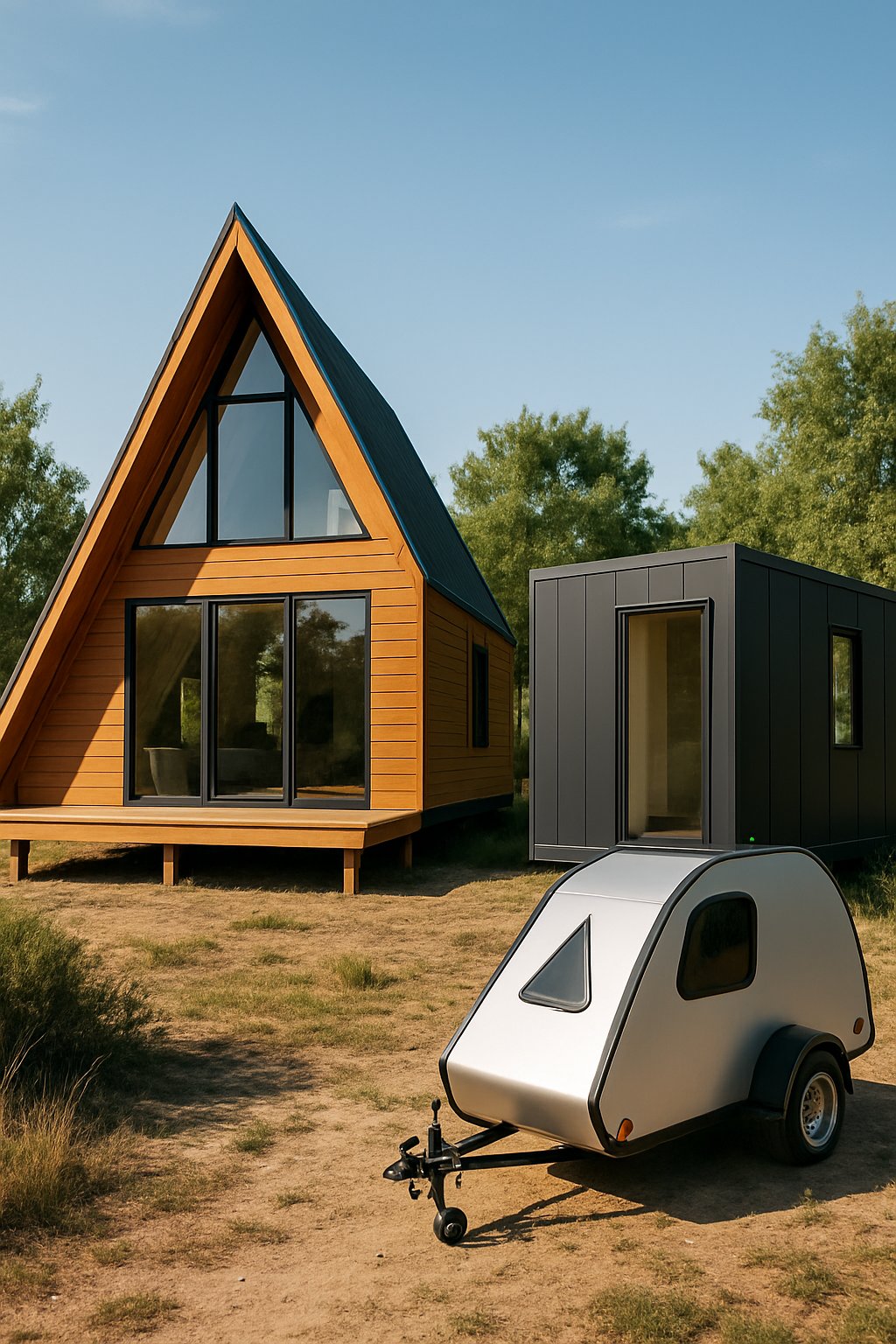
These structures often use prefab and modular building techniques, allowing faster assembly and easier transport. Their shape provides stability and weather resistance, while their modular nature makes them customizable for various needs. This article explores several types, designs, and innovations that shape today’s A-frame and triangle house options.
A Frame Wooden Homes Modular Triangle Houses
1) Keystone A-Frame Modular Homes
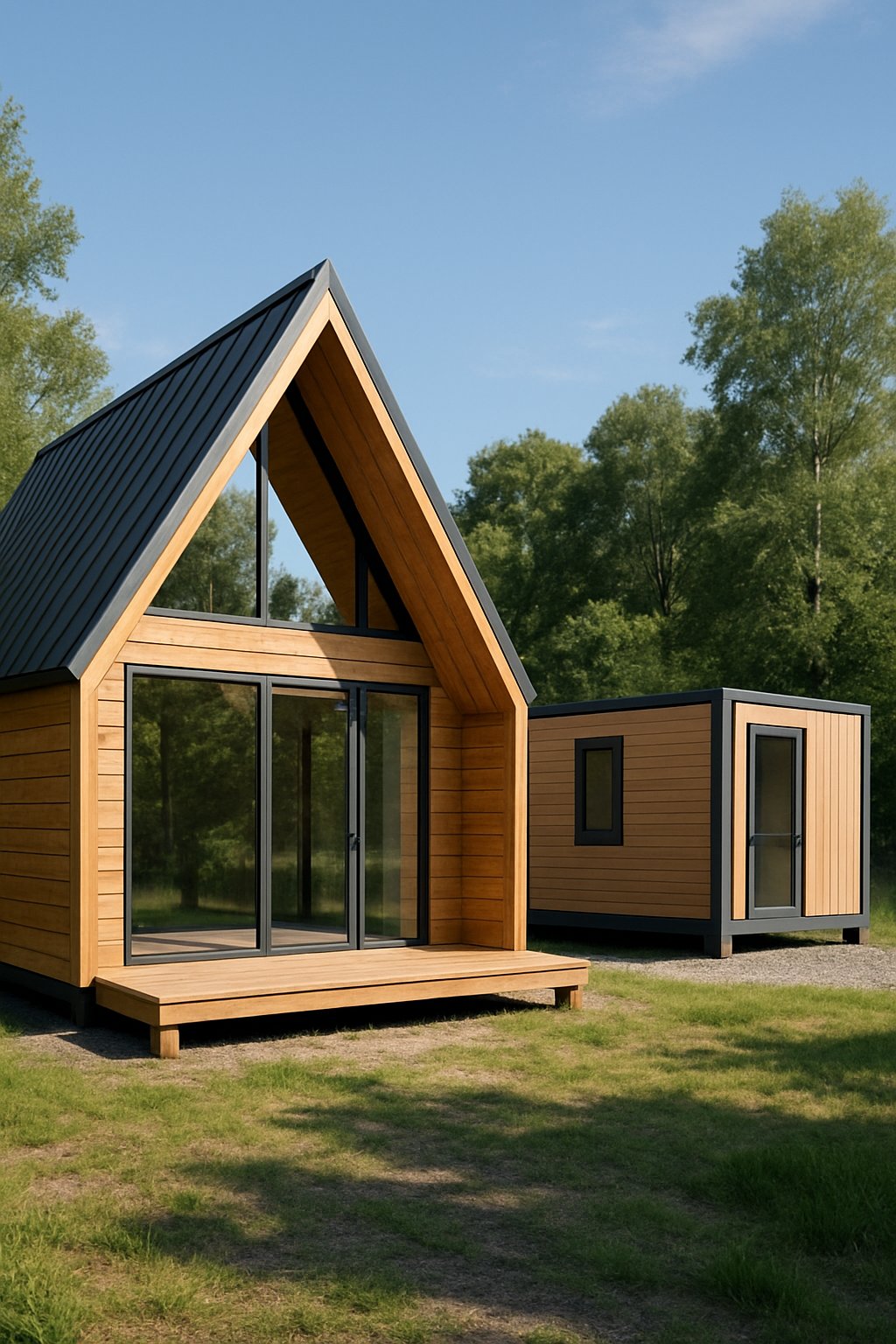
Keystone builds A-frame modular homes with a focus on comfort, style, and efficiency.
These homes use a triangular roof design that creates open interior spaces and allows for good natural light.
The modular construction process takes place in a controlled environment, which helps maintain quality and reduce building time.
2) Atlas House Triangle A-Frame
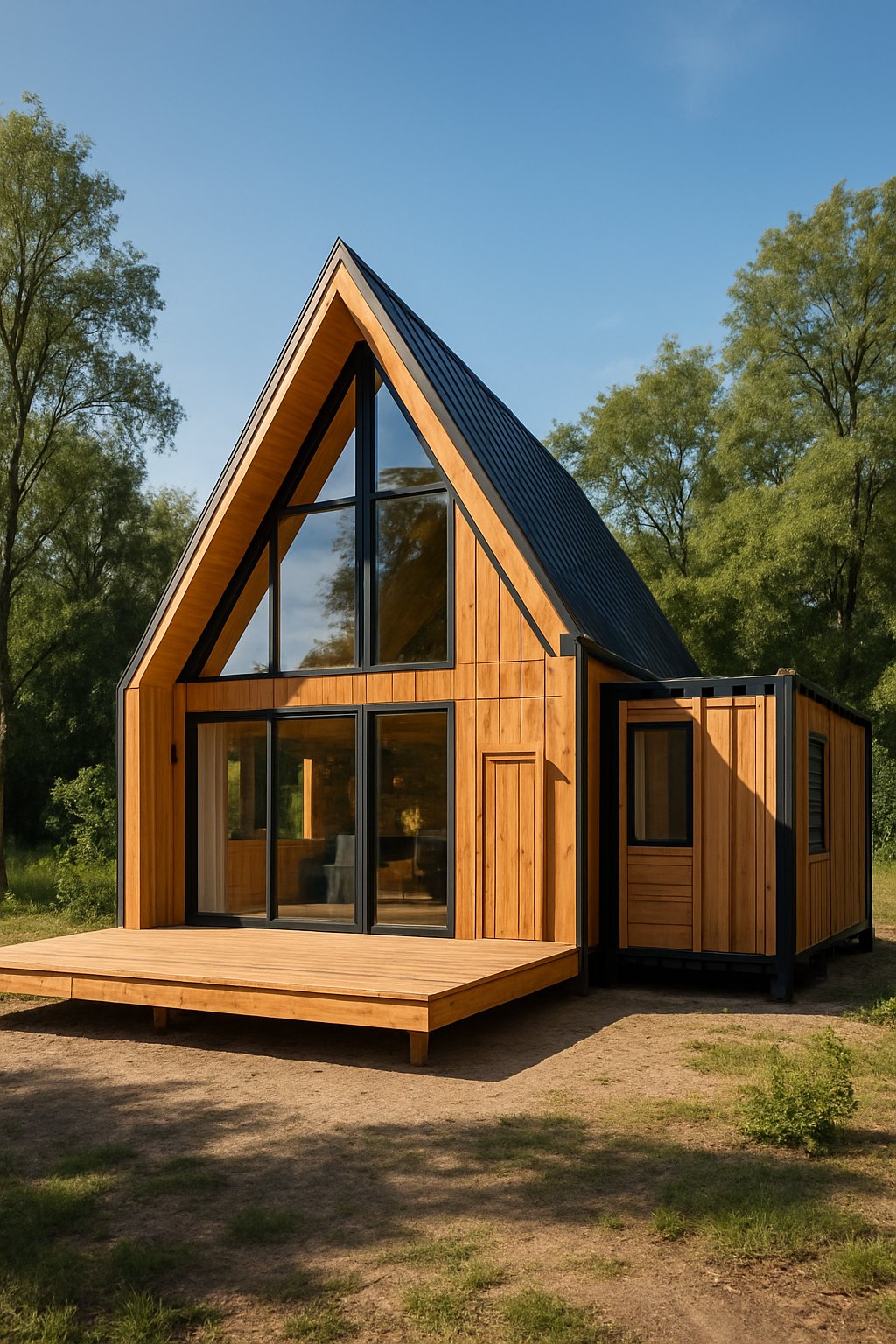
The Atlas House Triangle A-Frame features a simple triangular structure with a steep roof. Its design supports durability and efficient use of space.
It can serve as a permanent home, vacation cabin, or temporary accommodation. The modular build allows for quicker assembly compared to traditional construction.
Buyers can choose finishes, windows, and doors to match their needs while keeping the core A-frame style.
3) Kaipu Prefab A-Frame Triangle House
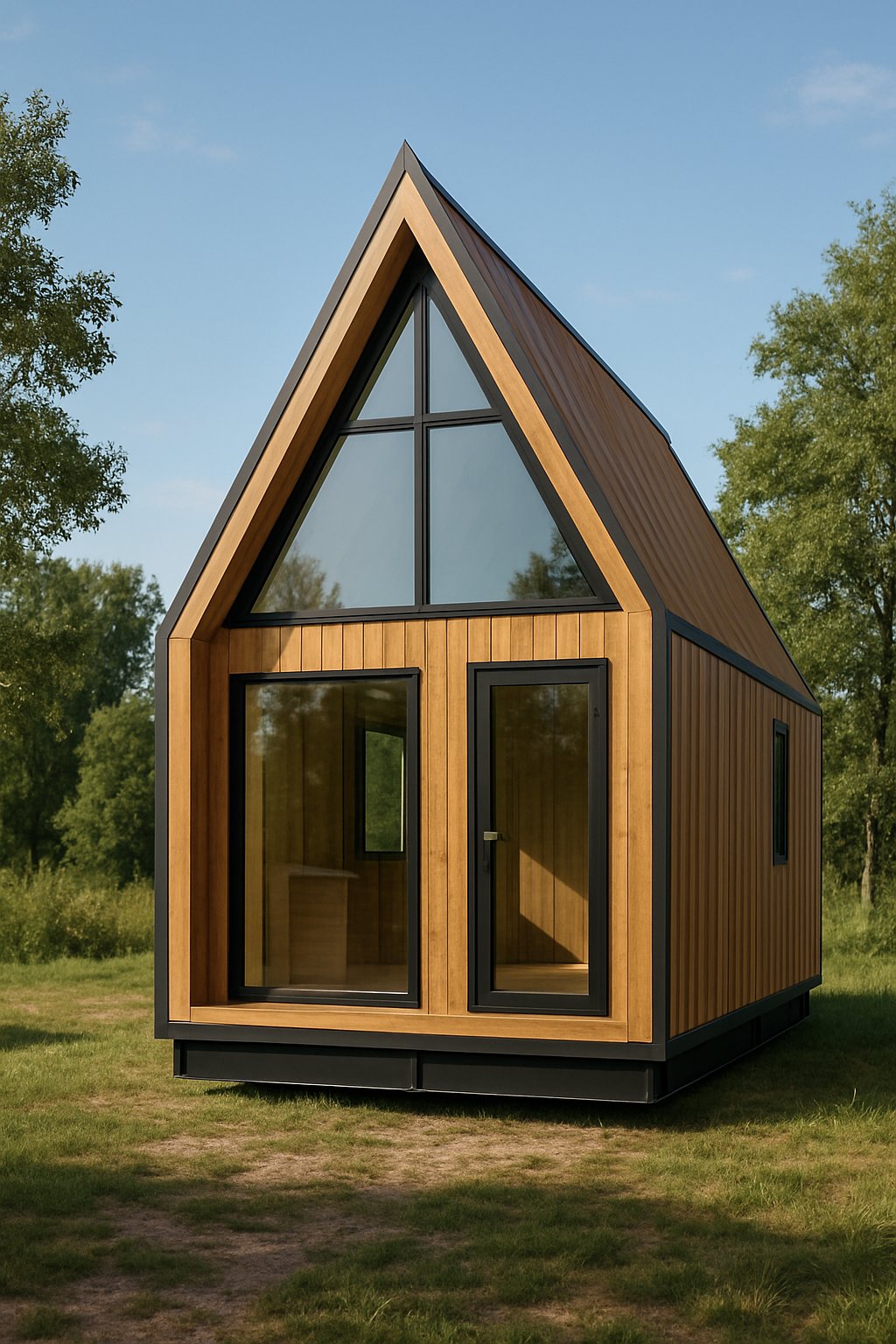
The Kaipu Prefab A-Frame Triangle House features a steeply pitched roof that forms a clear triangular shape. This design helps shed rain and snow efficiently.
It is built as a modular structure, allowing sections to be manufactured off-site and assembled quickly. The layout can be customized to fit different space and style needs.
Large windows are often included to bring in natural light and connect the interior with outdoor views.
4) A-Frame Valley Prefab Kit
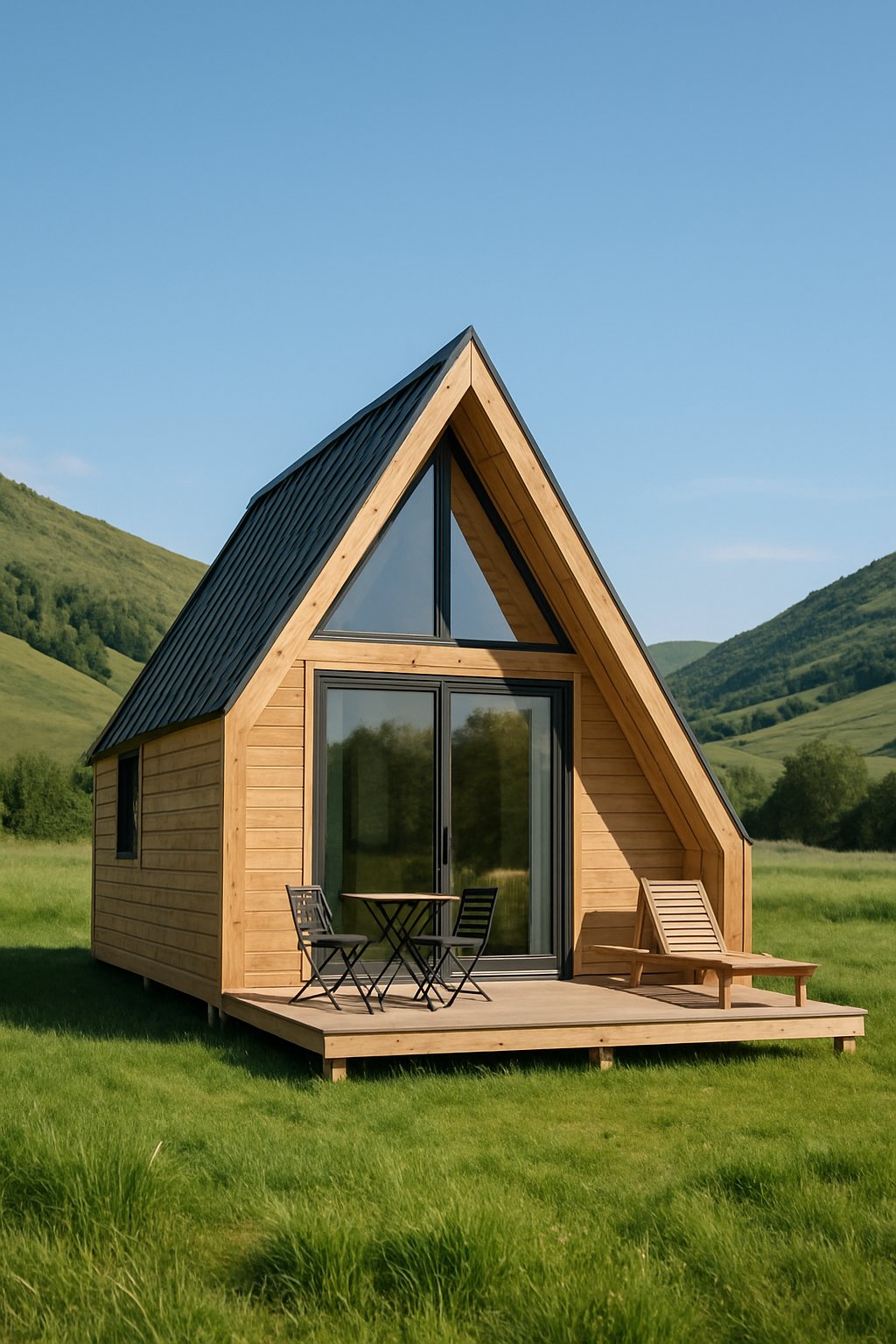
The A-Frame Valley Prefab Kit features a triangular design that offers a modern look and efficient use of space.
It comes as a pre-cut package, making assembly faster and more straightforward for builders.
The kit includes structural components, roof panels, and openings for windows and doors, allowing for customization to suit different needs.
5) Modern A-Frame Triangle House Cabin Kit
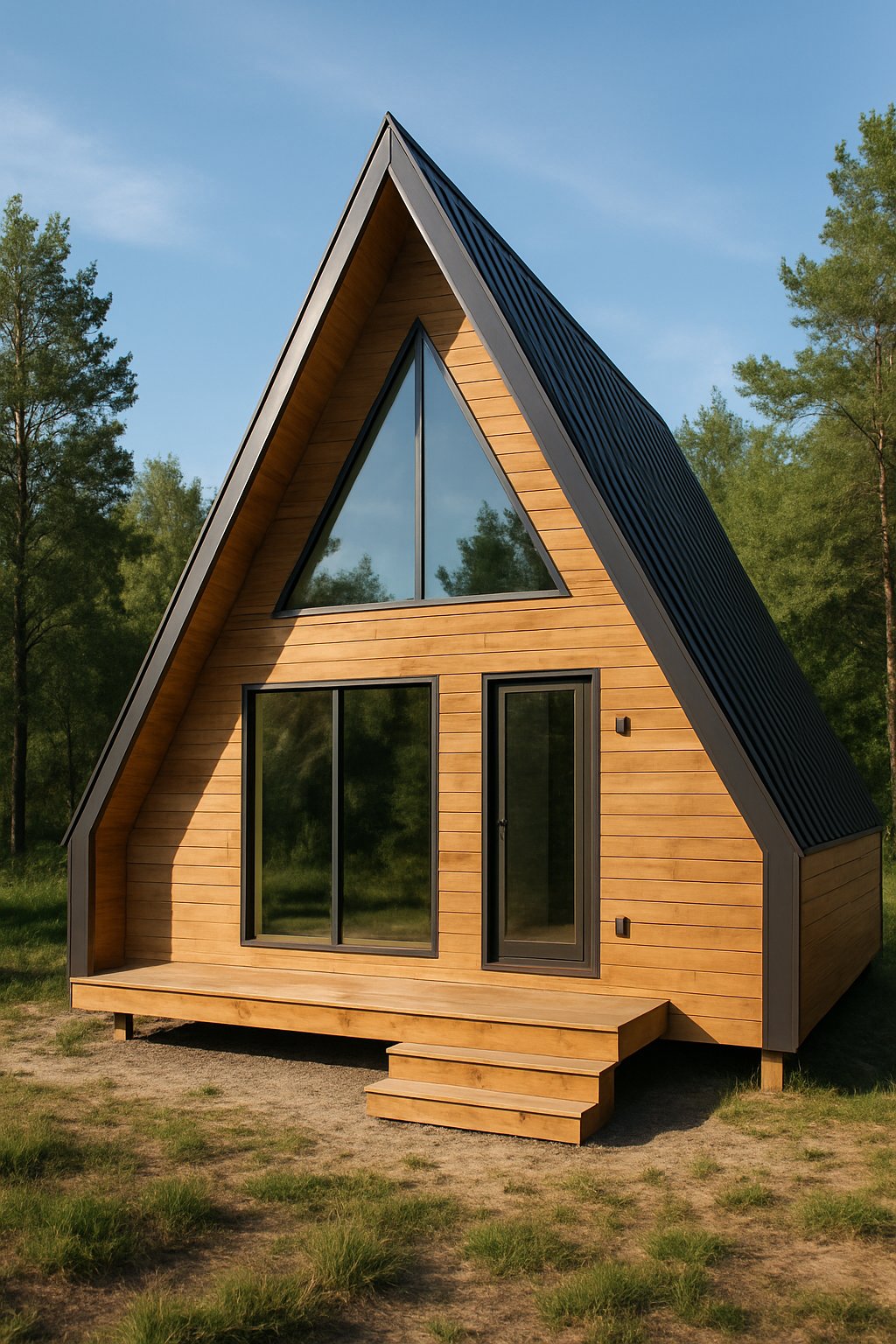
The modern A-frame triangle house cabin kit offers a compact and functional living space. Its steep roof design helps with rain and snow runoff.
These kits often come pre-cut for easier assembly. Many can be shipped to different locations and built on-site with basic tools.
The design suits small homes, vacation cabins, or mobile living setups. It balances simple construction with a distinctive appearance.
6) Luxury A-Frame Family Duplex
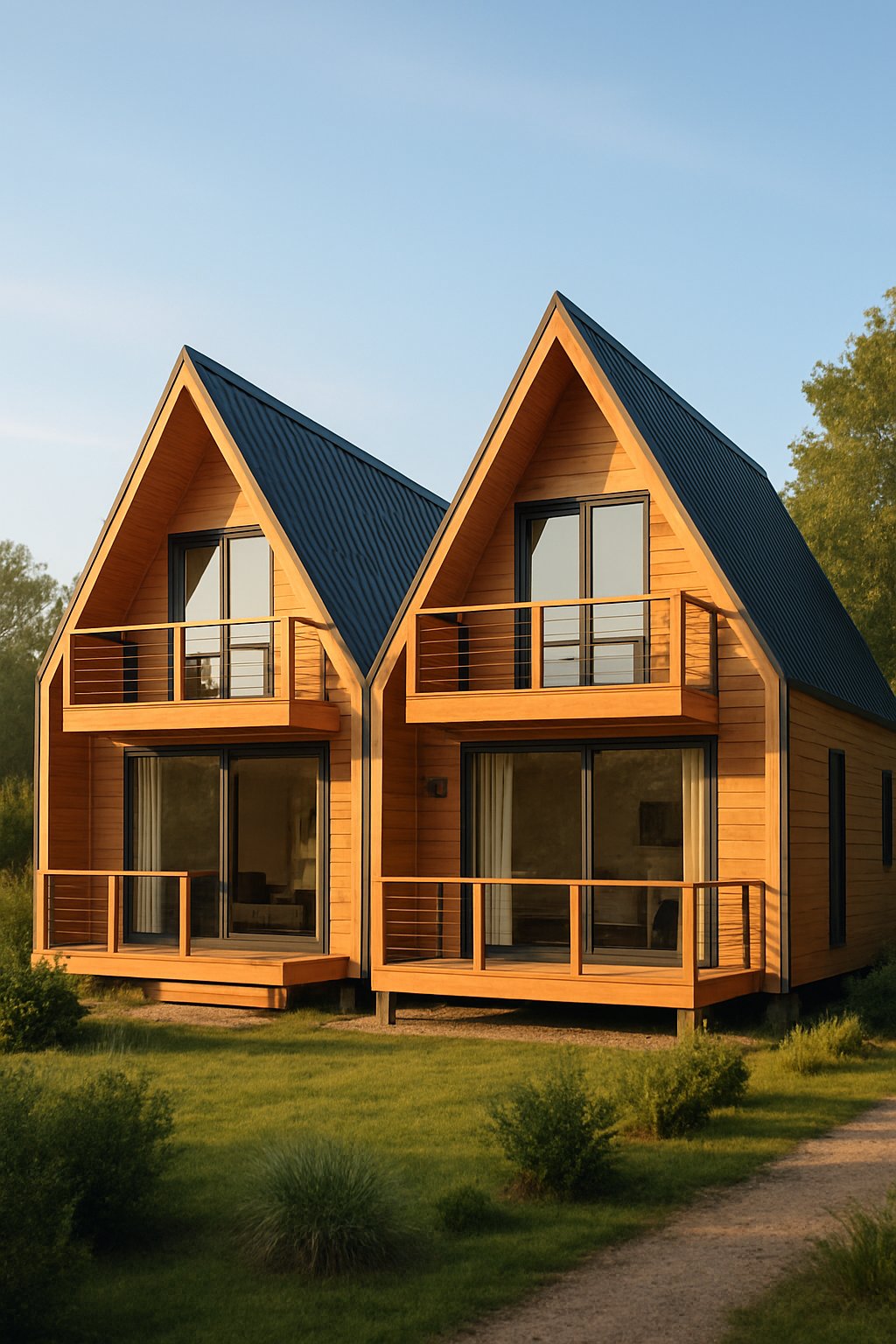
The luxury A-frame family duplex features a distinctive triangular roofline that maximizes interior height and natural light.
Its modular design allows for efficient construction and easy customization to suit different family needs.
Large windows provide open views, while the layout offers separate living spaces for privacy within a shared structure.
7) Prefab Tiny Triangle House
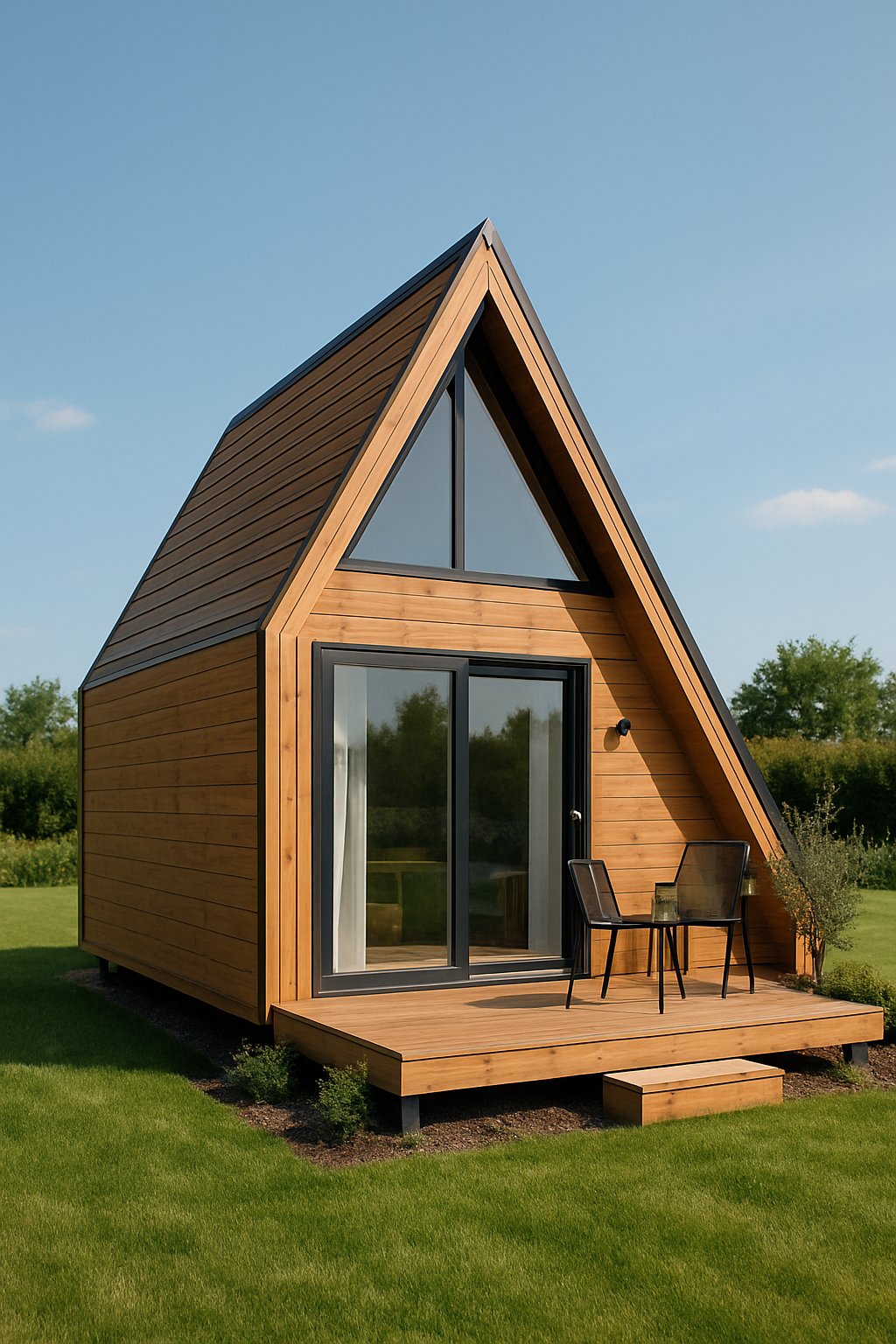
The prefab tiny triangle house uses an A-frame design with steeply angled sides that meet at the top. This shape helps shed rain and snow easily.
It is built from modular components that can be assembled on-site with basic tools. The process requires less labor than traditional construction.
These homes can serve as cabins, small residences, or mobile units depending on the chosen layout and materials.
Design Principles of A Frame Wooden Homes
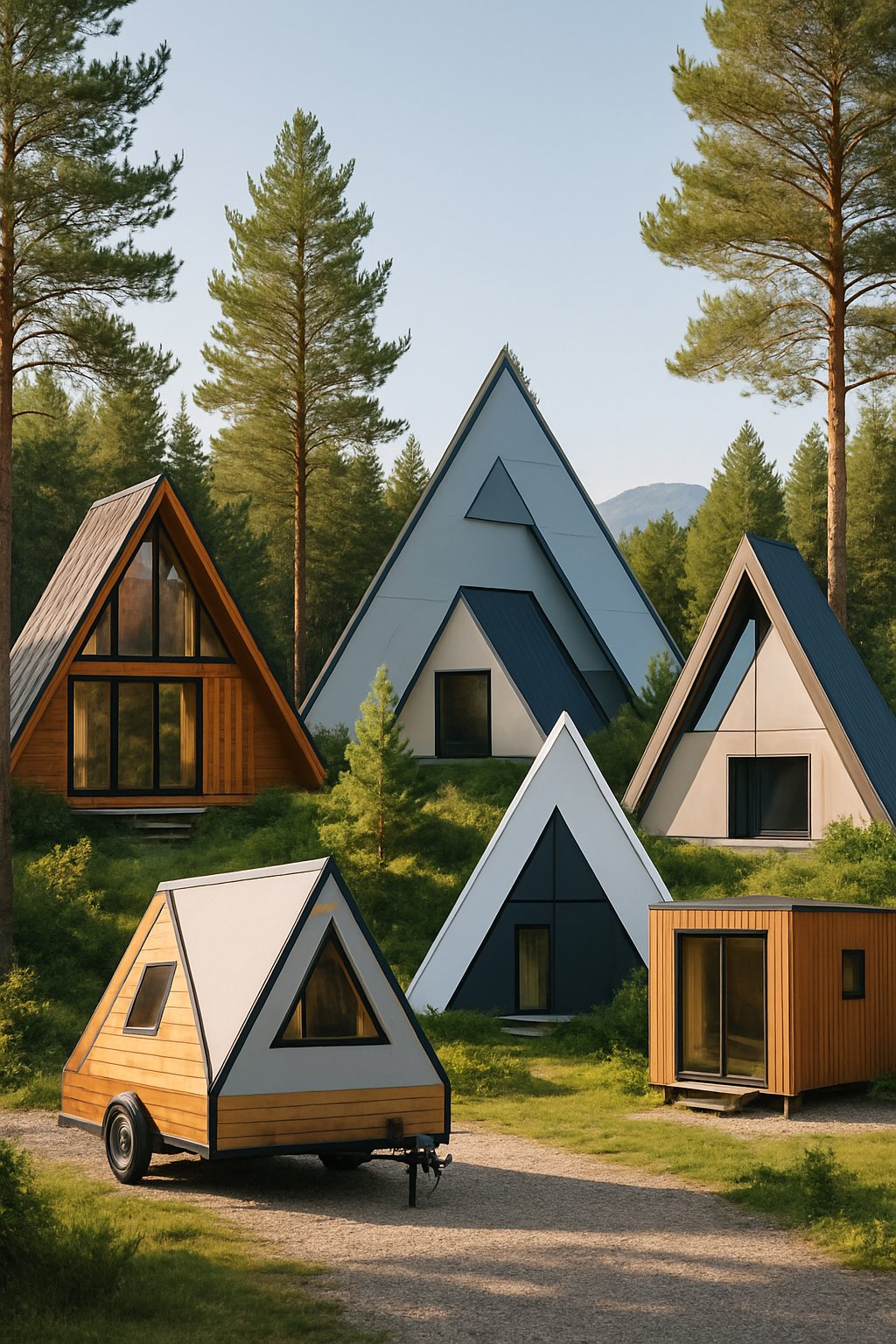
A-frame wooden homes use a steeply pitched roof and triangular form to create a strong, space-efficient structure. Their design supports stability in harsh weather and allows for practical use of materials while maintaining a simple construction process.
Structural Benefits of Triangle Architecture
The triangular frame distributes weight evenly to the ground, reducing the need for interior load-bearing walls. This allows for open floor plans and flexible interior layouts.
The steep roof pitch helps snow, rain, and debris slide off easily, lowering maintenance needs. In windy areas, the angled sides reduce wind resistance compared to vertical walls.
Many A-frame homes use wooden beams or timber framing for strength and durability. These materials are lightweight yet capable of handling heavy loads when properly engineered.
A-frame structures often require fewer materials than traditional box-shaped homes. This can lower costs and simplify transport for modular or prefab builds. The shape also makes it easier to assemble sections quickly on-site.
| Feature | Benefit |
|---|---|
| Steep roof | Prevents snow buildup |
| Even weight distribution | Improves stability |
| Fewer interior walls | Allows open layouts |
Energy Efficiency Considerations
The large roof surface can be insulated effectively to maintain indoor temperatures. High-quality insulation in the roof and floor helps reduce heat loss in winter and heat gain in summer.
Many A-frame designs include large windows on the front and rear walls. This maximizes natural light but can also increase heat gain. Proper glazing and shading are important to control temperature.
The compact footprint reduces the total area exposed to outside temperatures. This can make heating and cooling more efficient when combined with airtight construction.
Positioning the home to take advantage of passive solar heating can further lower energy use. South-facing windows in cooler climates can capture warmth, while overhangs or shades help block excess sun in warmer regions.
Modular Construction and Prefab Innovations
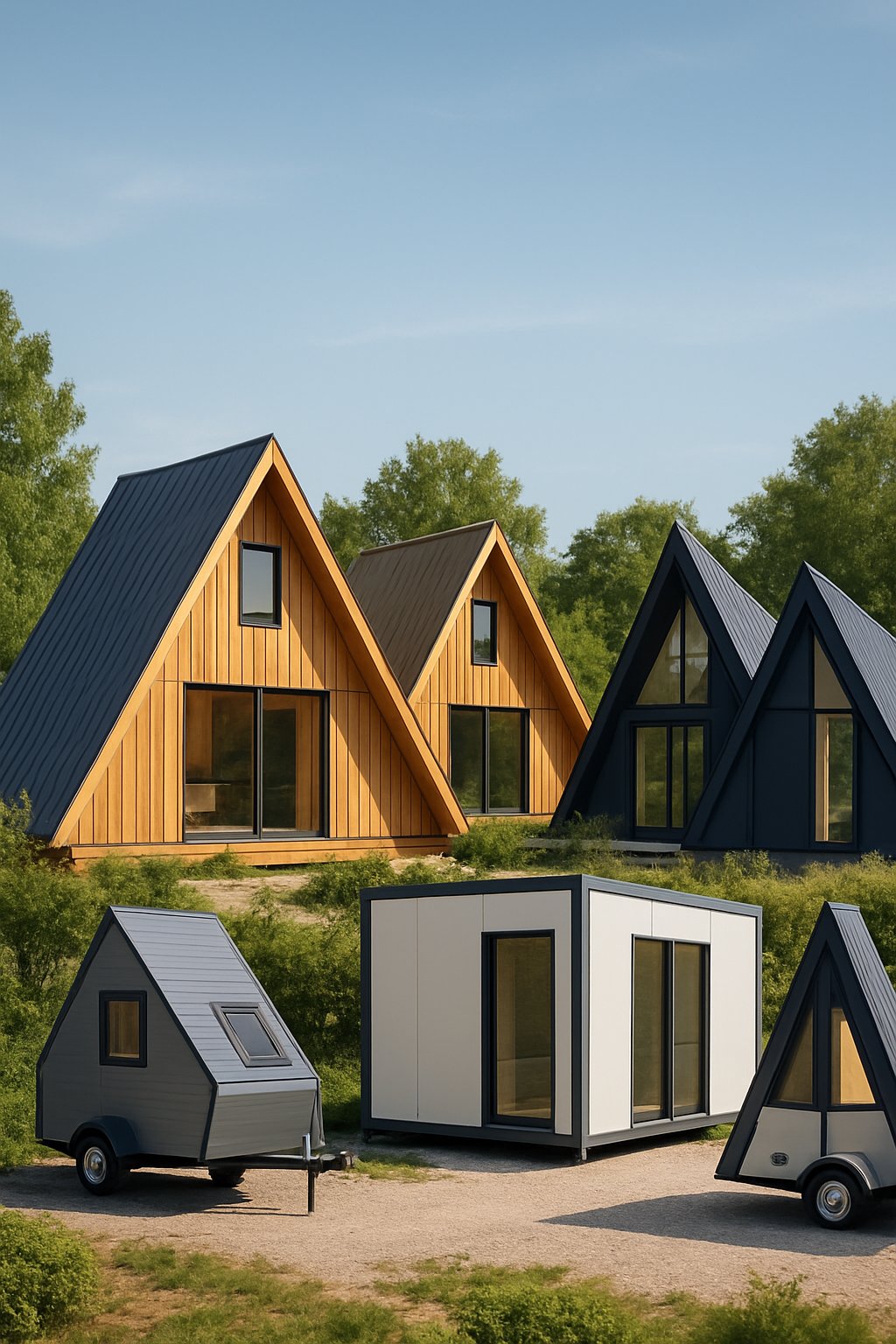
Modern A-frame wooden homes and triangle-shaped prefab units use precise manufacturing methods to improve build quality and reduce waste. Factory production allows for controlled assembly, consistent materials, and faster on-site setup compared to traditional construction.
Materials Used in Prefab Triangle Houses
Most prefab triangle houses use engineered wood for structural frames. This includes laminated timber or cross-laminated timber (CLT) for strength and stability. These materials resist warping and can handle heavy snow or wind loads.
Exterior panels often combine wood siding with weather-resistant coatings. Some designs use fiber cement or metal cladding for added durability. Insulated wall panels improve energy efficiency and reduce heating and cooling costs.
Roofing materials vary from metal sheets to asphalt shingles. Metal roofs are common for A-frame designs because they shed snow and rain easily.
Windows are usually double-glazed to improve insulation. Many kits include pre-installed window frames and doors to speed up assembly. Interior finishes can range from natural wood to painted drywall, depending on the buyer’s preference.
Assembly and Mobility Features
Prefab triangle houses are shipped as pre-cut kits or fully built modules. In kit form, each piece is labeled for quick assembly with basic tools. Fully built modules require a crane for placement on the foundation.
Some models are designed for mobility, built on steel frames with wheels or skids. This allows them to be moved like a container home or camper.
The assembly process often takes days instead of months, depending on size. Remote locations benefit from this approach since most work is done in the factory.
Connections for plumbing, electrical, and HVAC are often pre-installed, reducing the need for specialized labor on-site. This makes setup more predictable and less dependent on weather conditions.
Frequently Asked Questions
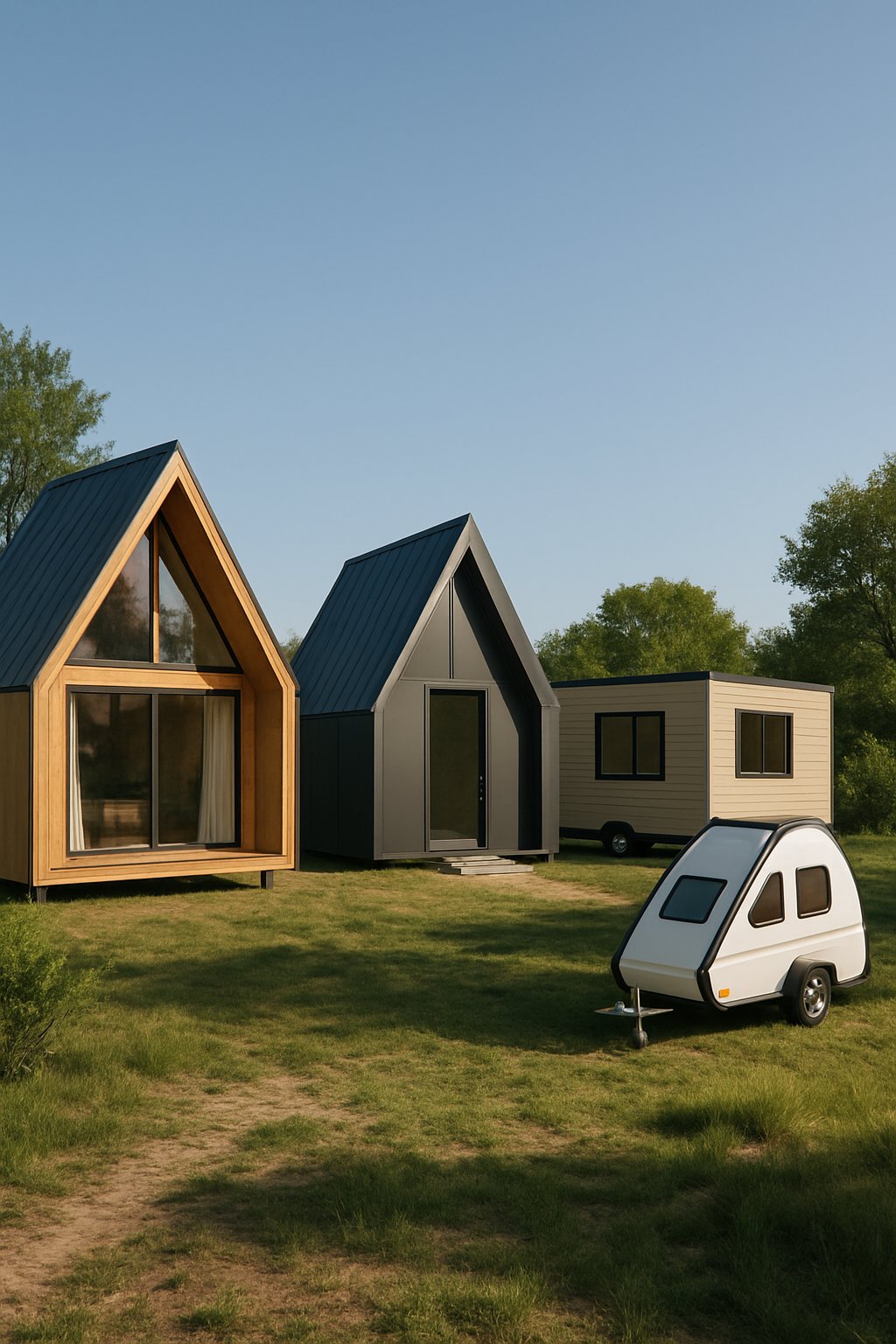
A-frame wooden homes and modular triangle houses use a distinct triangular roof design that offers both structural strength and efficient use of materials. Prefab and mobile container models can speed up construction, reduce waste, and allow for flexible customization while meeting local building requirements.
What are the structural benefits of A-frame wooden homes compared to traditional housing?
A-frame wooden homes have steeply angled roofs that evenly distribute weight to the ground. This shape helps them handle heavy snow and rain without stressing the structure. The design also reduces the need for interior load-bearing walls, allowing for open floor plans.
How does the modular design of triangle houses impact the construction timeline?
Modular triangle houses are built in sections at a factory before being moved to the site. This process shortens build time because site preparation and module construction can happen at the same time. Assembly on-site is often completed in days rather than months.
What are the typical costs associated with prefab mobile container homes?
Prefab mobile container homes vary in price depending on size, materials, and finishes. Smaller basic units can start under $30,000, while larger or more customized models can exceed $100,000. Transportation and site setup can add to the total cost.
Can triangle camper homes be customized to meet specific living requirements?
Yes, triangle camper homes can often be tailored to fit different needs. Buyers can choose layouts, finishes, and features like built-in storage or upgraded insulation. Some manufacturers also offer off-grid options for remote locations.
What are the sustainability features of A-frame modular homes?
Many A-frame modular homes use eco-friendly materials such as sustainably sourced wood. The compact design reduces energy use for heating and cooling. Factory production also limits excess waste compared to traditional on-site construction.
How do local building codes affect the construction and placement of A-frame triangle houses?
Local building codes may set rules for foundation type, roof pitch, insulation, and utility connections. Zoning laws can also limit where these homes can be placed. Builders must review these requirements before starting construction to ensure compliance.


