
Do I Need Planning Permission for a Yurt? A Clear Guide to Help You Understand
Yurts are becoming increasingly popular as a unique and eco-friendly living option. However, before setting up a yurt, it’s important to understand the legal requirements and regulations surrounding them. One of the most common questions asked by those interested in living in a yurt is whether or not planning permission is required.
In general, the answer to whether or not planning permission is required for a yurt depends on a number of factors, including the location of the yurt, its size, and its intended use. For example, if the yurt is being used as a temporary structure for camping or glamping, planning permission may not be required. However, if the yurt is being used as a permanent dwelling, planning permission will likely be necessary.
It’s important to note that planning permission requirements can vary depending on the specific location of the yurt. Regulations can differ between countries, states, and even counties. Therefore, it’s essential to research the local planning regulations and requirements before setting up a yurt to avoid any legal issues.
Understanding Yurt Planning Permission
Defining Yurts and Their Use
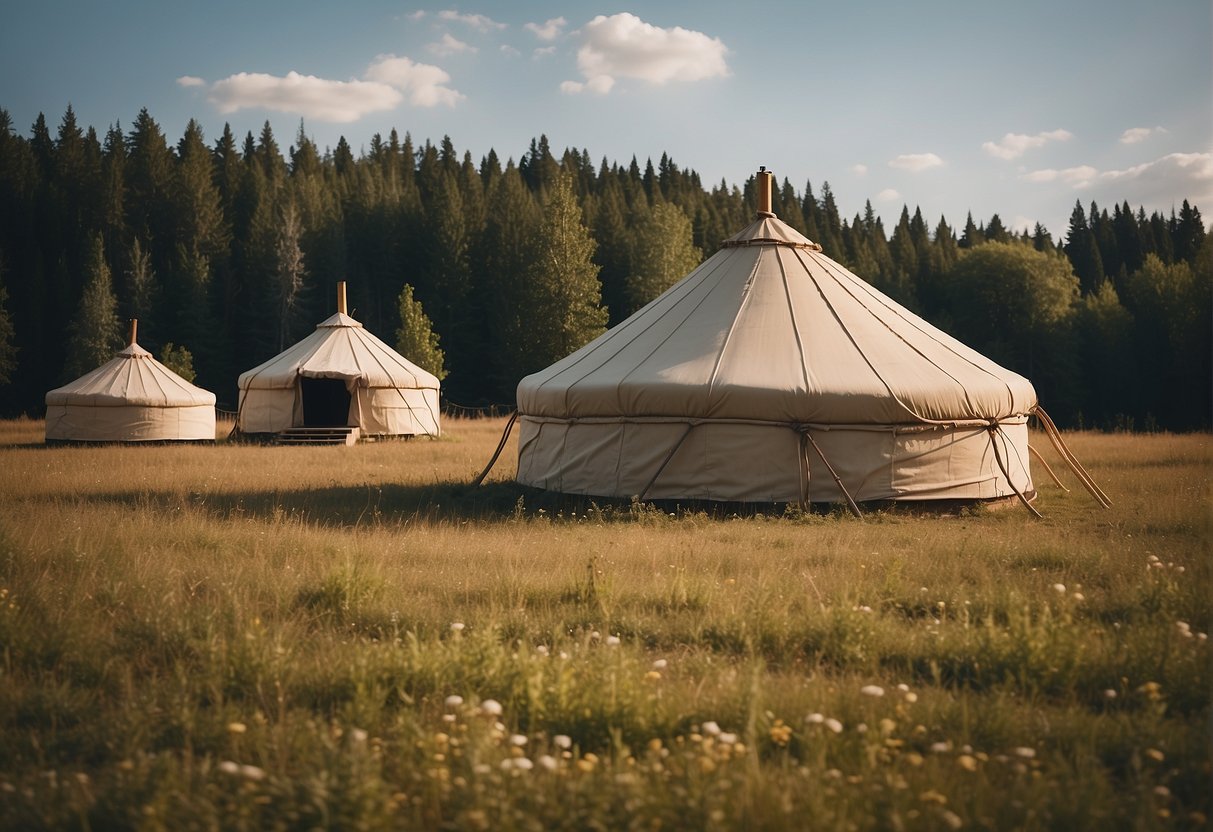
Yurts are temporary structures that have been used for centuries by nomadic tribes in Central Asia. They are becoming increasingly popular in the UK as a unique and affordable housing option. However, before setting up a yurt, it is important to understand the planning permission requirements.
Zoning Laws and Building Codes
The first step in determining whether a yurt requires planning permission is to check with the local planning authority. The locality where the yurt is to be set up will determine the zoning laws and building codes that apply. Some localities may have specific requirements for yurts, while others may not allow them at all.
The national planning policy framework and the general permitted development order provide guidance on what types of structures are exempt from planning permission. However, it is important to note that exemptions may not apply in all localities.
Exemptions and Flexibility in Planning
In some cases, yurts may be exempt from planning permission if they are considered a temporary structure. However, if the yurt is intended for permanent habitation, it may require legal approval and a building permit. Local building codes and code requirements may also apply.
Overall, it is important to consult with the local planning authority and follow all applicable zoning laws and building codes when setting up a yurt. With proper planning and adherence to regulations, yurts can provide a unique and sustainable housing option for those seeking an alternative to traditional homes.
Practical Considerations for Yurt Installation
Yurts are unique structures that require careful consideration before installation. Proper planning can help ensure that the yurt is safe, comfortable, and compliant with local regulations. In this section, we will discuss some practical considerations to keep in mind when installing a yurt.
Site Preparation and Foundation
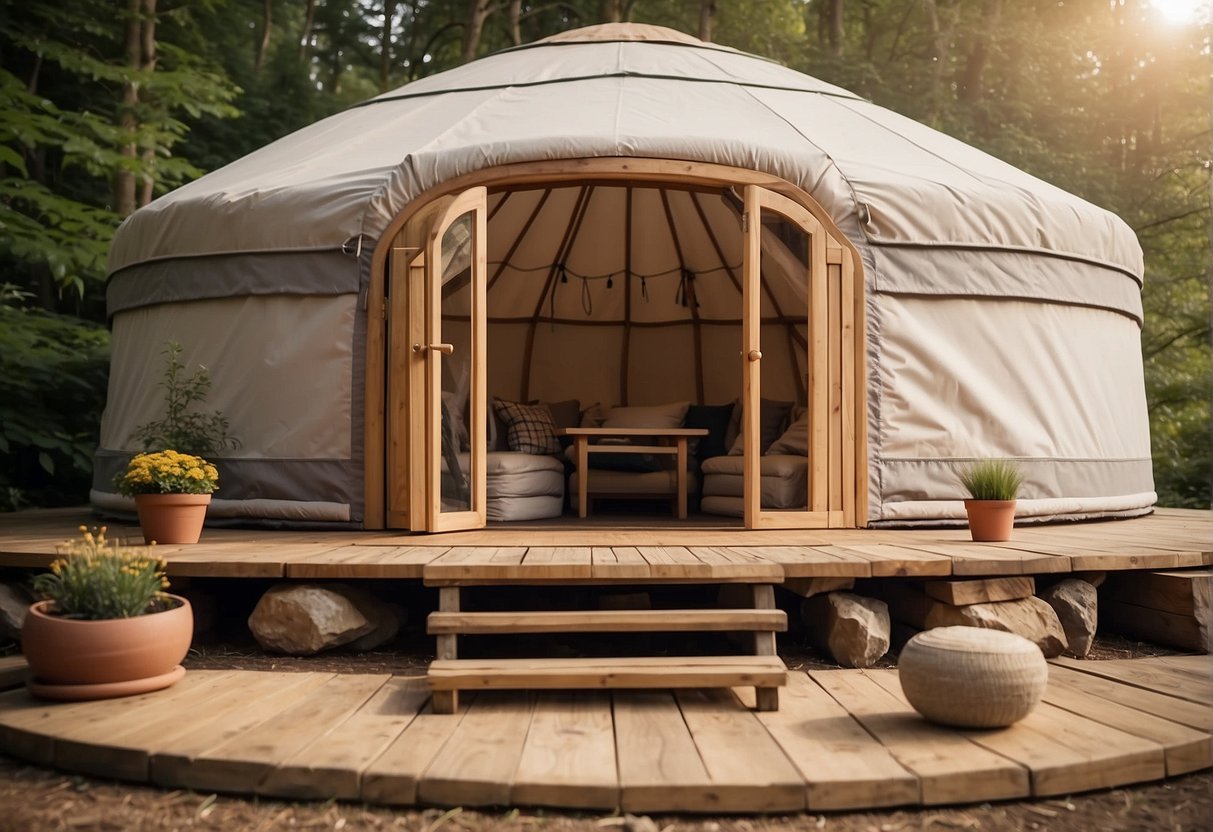
One of the most important aspects of yurt installation is site preparation and foundation. The yurt should be installed on level ground that is free of debris and vegetation. The foundation should be strong enough to support the weight of the yurt and withstand extreme weather conditions. There are different types of foundations to choose from, including platform, concrete, and gravel. The choice of foundation will depend on factors such as the yurt size, local building codes, and personal preferences.
Utilities and Maintenance
Another important consideration is utilities and maintenance. Yurts require utilities such as water, electricity, and plumbing. These utilities should be installed by a licensed professional to ensure compliance with local regulations and safety standards. Yurt owners should also be prepared to perform regular maintenance to keep the yurt in good condition. This includes tasks such as cleaning, sealing, and repairing the fabric.
Weather and Insulation Factors
Yurts are designed to be used in a variety of weather conditions, but it is important to choose the right insulation and ventilation to ensure comfort and safety. Insulation can help regulate temperature and reduce energy costs, while ventilation can prevent moisture buildup and improve indoor air quality. Yurt owners should also consider factors such as wind speed, snow load, and fire-rating requirements when choosing a yurt and planning for installation.
In summary, yurt installation requires careful planning and consideration of factors such as site preparation, utilities, and weather conditions. Proper planning can help ensure that the yurt is safe, comfortable, and compliant with local regulations.
Frequently Asked Questions

What are the requirements for obtaining a permit to erect a yurt in California?
In California, the requirements for obtaining a permit to erect a yurt vary depending on the location and intended use of the yurt. Generally, a permit is required for the installation of a yurt, and the process involves submitting plans and obtaining approval from the local building department. Additionally, the yurt must meet certain safety and zoning requirements, such as minimum setback distances from property lines and other structures.
Are there specific counties in California that are more yurt-friendly in terms of regulations?
Yes, there are some counties in California that are more yurt-friendly in terms of regulations. For example, Mendocino and Humboldt counties have established regulations for yurt construction and have streamlined the permitting process. However, it is important to note that even in these counties, the yurt must still meet certain safety and zoning requirements.
Is a foundation necessary for the construction of a yurt, and how does it affect planning permission?
Whether or not a foundation is necessary for the construction of a yurt depends on the specific regulations in the area where it will be installed. In some cases, a foundation may be required to meet safety and zoning requirements. However, in other cases, a yurt may be installed on a temporary platform or directly on the ground. The presence or absence of a foundation can affect planning permission, as it may impact the classification of the yurt as a temporary or permanent structure.
Can I legally reside in a yurt on my own property in Washington state?
Yes, it is possible to legally reside in a yurt on your own property in Washington state. However, the yurt must meet certain safety and zoning requirements, and a permit may be required for its installation. Additionally, the yurt may be subject to specific regulations depending on the location and intended use.
What building codes apply to the construction of a yurt?
The building codes that apply to the construction of a yurt vary depending on the location and intended use of the yurt. In some cases, the yurt may be subject to the same building codes as a traditional structure, while in other cases, there may be specific codes that apply to yurt construction. It is important to consult with local building officials to determine which codes apply in a specific area.
Under what conditions can a yurt be considered a permanent structure requiring planning permission?
A yurt may be considered a permanent structure requiring planning permission if it is installed on a permanent foundation, connected to utilities, or intended for year-round habitation. Additionally, the length of habitation and the specific regulations in the area where the yurt is installed can impact whether or not planning permission is required. It is important to consult with local building officials to determine the specific requirements in a given area.


