Where To Buy Tesla Tiny House: Official Sources, Pricing, and Availability
You may have seen headlines about a Tesla tiny house and wondered where you can buy one. The idea sounds simple: a small home powered by Tesla solar panels and batteries. You cannot buy an official Tesla tiny house right now because Tesla does not sell one to the public.
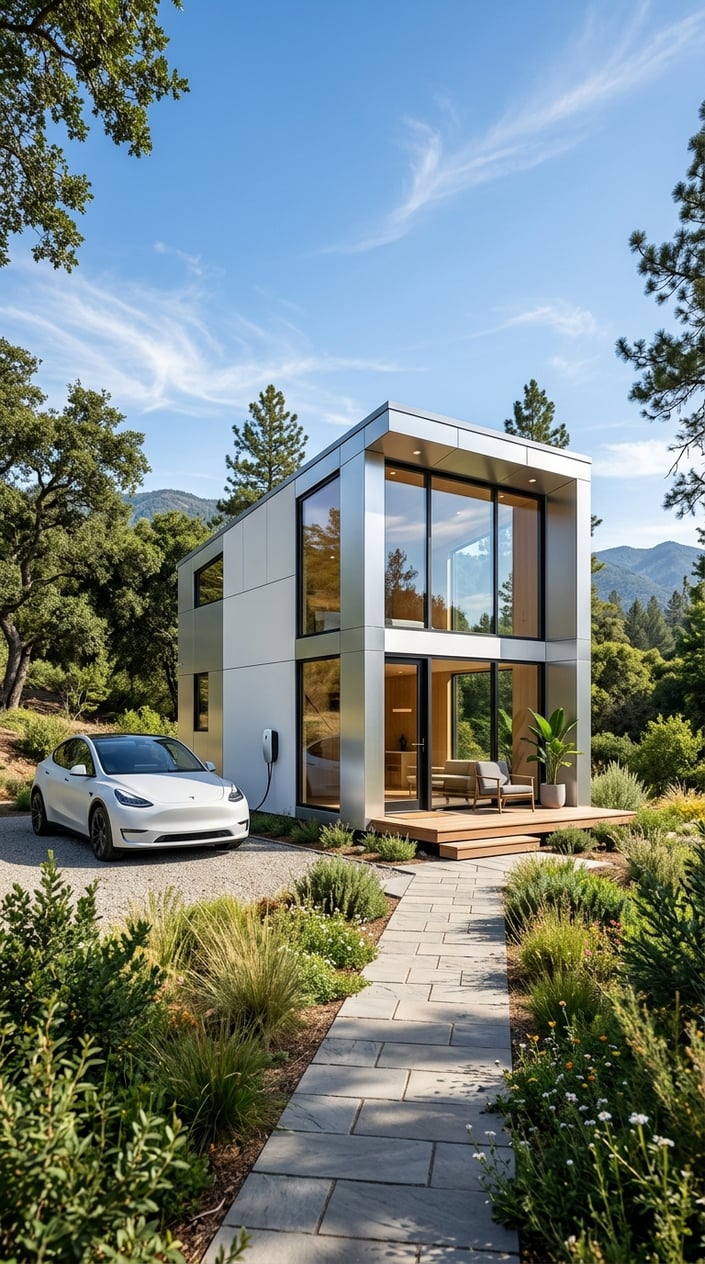
Tesla built a small mobile house in 2017 to show off its solar and Powerwall systems, but it was only a demo unit. No Tesla showroom or website offers a tiny home for sale. Some third-party sites make claims, but Tesla has not released a consumer model.
That does not mean you are out of options. You can explore solar-ready tiny homes from other builders and add Tesla energy products to create a similar setup. You will also see what these homes cost, what to expect in the future, and which brands offer strong alternatives today.
Tesla Tiny House Overview
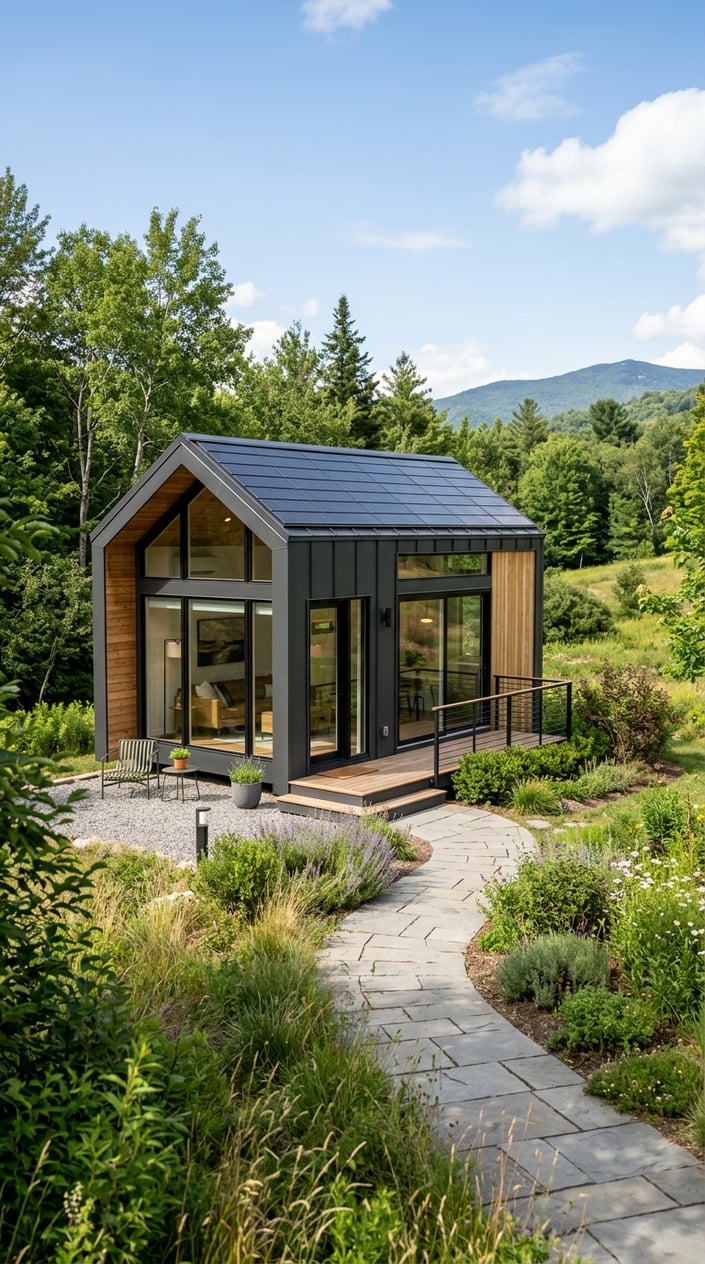
The Tesla tiny house started as a working demo, not a product you could order. It showed how solar panels and battery storage could power a small, efficient living space without relying on the grid.
Why Tesla Built It
Tesla built the Tesla tiny house to promote its energy products, not to launch a housing division. In 2017, the company toured Australia with a small mobile home powered by Tesla solar panels and a Powerwall battery.
You could walk through the space and see how the system worked in real time. The home ran lights, appliances, and climate control using stored solar energy. Tesla used it to show how you could power a compact home with clean energy.
The project focused on:
- Solar panels
- Powerwall battery storage
- Energy monitoring through Tesla software
- Off-grid capability
The Tesla tiny home acted as a marketing tool. It helped people picture how Tesla energy products could support daily life inside small homes, cabins, or remote properties.
Is It a Real Product or a Concept?
You cannot buy an official Tesla tiny house from Tesla. The company has not released a mass-produced Tesla home or listed any tiny houses for sale.
Many online posts claim Tesla sells a tiny home for prices like $7,789 or $5,795. Fact-check reviews have found these claims misleading. Tesla has not confirmed any retail tiny house product at those prices.
Some websites estimate that if Tesla built a full-featured tiny house with solar and battery systems, it could cost much more. These are opinions, not official pricing.
Right now, the Tesla tiny homes you see online are either:
- The original 2017 demo unit
- Concept ideas
- Third-party projects using Tesla solar and Powerwall systems
Tesla remains focused on cars, batteries, and solar products.
What Happened After the Demo?
After the 2017 tour, Tesla did not move forward with mass production. The company did not open preorders or announce a launch date for Tesla tiny houses.
In 2020, Elon Musk publicly downsized to a small prefab home near SpaceX facilities. Some reports linked this move to renewed interest in a Tesla tiny home. However, Tesla has not confirmed a related housing product launch.
Since then, the Tesla tiny house has remained a concept tied to energy products. You can still build your own small home and power it with Tesla solar panels and a Powerwall.
If you want a Tesla home experience today, you must buy:
- Tesla solar panels or Solar Roof
- Tesla Powerwall battery
- A separate tiny house from a third-party builder
Tesla provides the energy system, not the structure itself.
Can I Buy A Tesla Tiny House
Can I Buy a Tesla Tiny House? Exploring the Options Available

Current Availability and Future Prospects
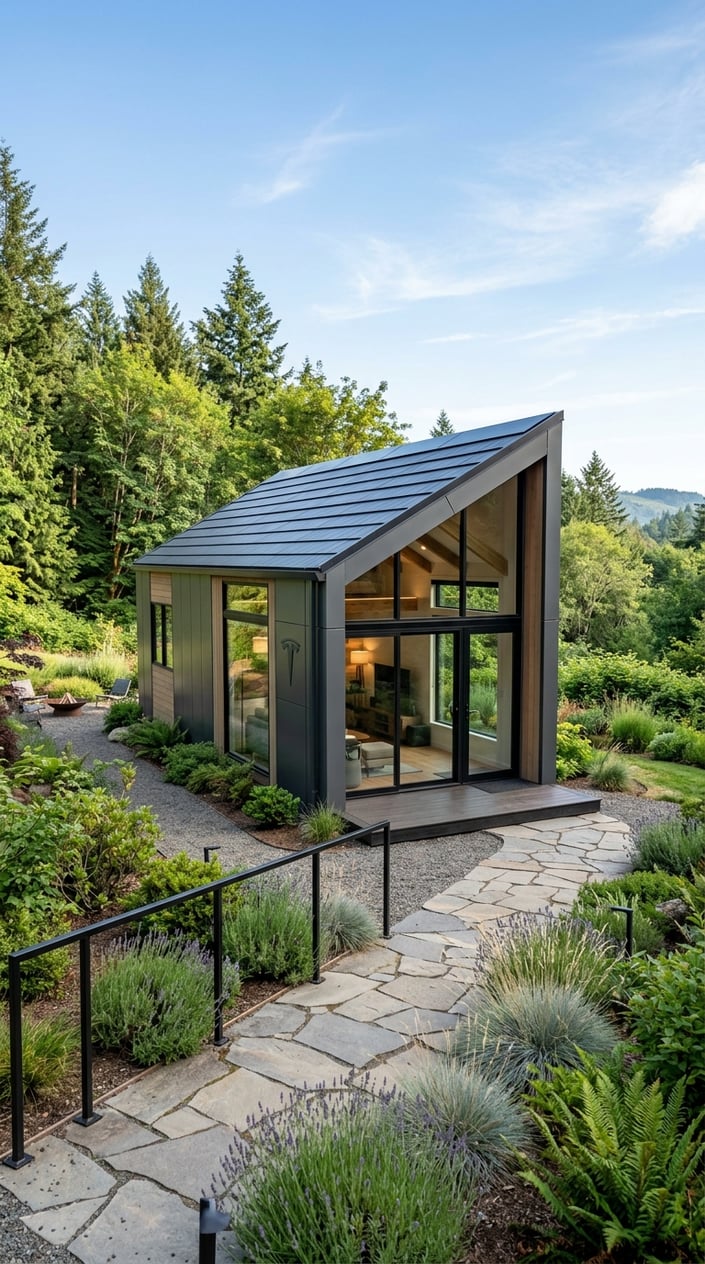
Many online claims suggest you can buy a Tesla tiny house today, but the facts show a different picture. You need clear details before you search tiny house listings or send money to a seller.
Does Tesla Sell Tiny Houses?
As of July 2026, Tesla does not sell a tiny house as an official product. Tesla has not listed any home for sale on its website, and it has not confirmed a retail housing line.
Several viral posts claim you can buy a Tesla tiny house for prices between $6,000 and $8,000. Fact-check reports show these claims are misleading. They often link to concept designs, fan projects, or unrelated prefab homes.
Elon Musk has lived in a small, prefabricated home near SpaceX facilities in Texas. That home was built by a third-party company, not Tesla. This fact likely fueled many of the rumors.
If you search “where to buy Tesla tiny house,” you will not find verified Tesla tiny house listings. You may find third-party dealers using the Tesla name in marketing, but these homes are not official Tesla products.
Will Tesla Release One in the Future?
Tesla has not announced a confirmed release date for a tiny house. The company focuses on electric vehicles, solar panels, and battery storage systems like the Powerwall.
However, Tesla Energy products could support a future housing concept. A small home powered by solar panels and Powerwall batteries would match Tesla’s existing technology.
Some articles mention possible pre-orders or upcoming launches, but Tesla has not backed these claims with official statements. Until Tesla publishes details directly, you should treat future release reports as speculation.
If Tesla enters the housing market, you would likely see:
- An official product page on Tesla’s website
- Clear pricing and specifications
- Direct ordering through Tesla, not third parties
For now, you cannot buy a Tesla tiny house, and no verified release date exists.
Top Solar Tiny Homes to Consider
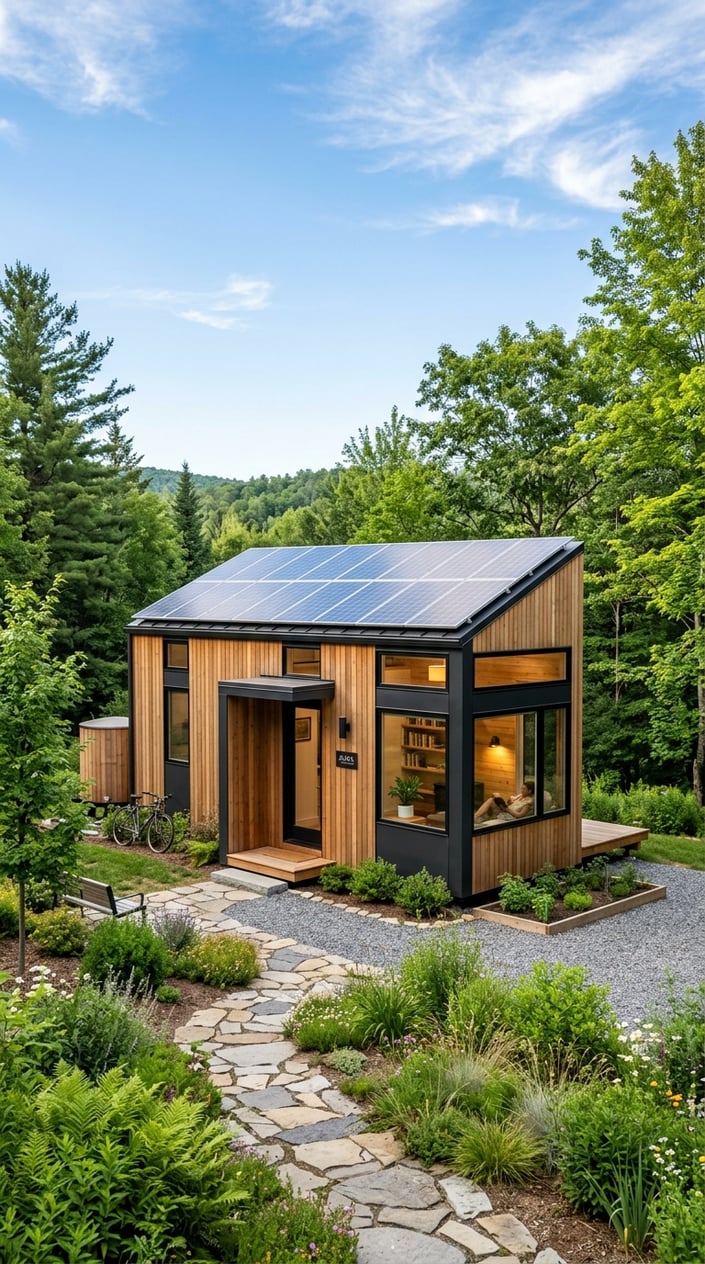
Several tiny home builders now offer models that pair well with solar panels and battery storage. You can choose from modular home designs, park models, and factory-built units that support off-grid or low-energy living.
Boxabl Casita
Boxabl builds the Casita as a foldable modular home that ships compact and unfolds on site. The standard model offers about 361 square feet with a full kitchen, bathroom, and living area.
You get steel framing, concrete board panels, and foam insulation. These materials help control heat and reduce energy use. That makes the Casita a strong base for rooftop solar panels and a battery system such as a Tesla Powerwall.
Boxabl does not sell a “Tesla Tiny House.” Instead, you can add Tesla solar panels and storage through a certified installer after delivery. You must place the Casita on a proper foundation and follow local zoning rules.
If you want a fast setup and a clean, modern layout, this modular home gives you a simple starting point for a solar-powered setup.
ESCAPE Homes
ESCAPE Homes designs park model RVs and tiny homes on wheels. The company builds each unit in a factory and delivers it ready to use.
Models range from compact one-room layouts to larger designs over 400 square feet. Many include large windows, high ceilings, and full-size appliances. These features support full-time living.
You can equip an ESCAPE unit with rooftop solar panels and battery storage. Some buyers choose partial solar setups for backup power. Others build full off-grid systems with expanded panel arrays.
ESCAPE focuses on energy efficiency. The homes use tight construction and quality insulation to reduce heating and cooling loads. If you want flexibility in size and a builder with many floor plans, ESCAPE offers strong options.
Nestron
Nestron produces compact modular homes with a futuristic design. Models such as the Cube and Legend series arrive mostly finished and ready for utility connections.
These homes often include built-in wiring for smart systems. That setup makes it easier for you to integrate solar panels, inverters, and battery storage. Some models also support optional solar packages.
Nestron builds with insulated composite materials and steel framing. This structure helps improve durability and energy control. Sizes usually range from about 150 to 400 square feet, depending on the model.
Before you buy, check shipping costs and local permits. Nestron ships internationally, so delivery times and rules may vary. If you want a compact modular home with a modern look, Nestron gives you a solar-ready platform.
Wheelhaus
Wheelhaus builds high-end tiny homes and park model RVs. The company focuses on rustic-modern design with strong materials.
Many models range from 400 to 760 square feet. You get full kitchens, private bedrooms, and standard bathrooms. These larger layouts give you more roof space for solar panels.
Wheelhaus uses structural insulated panels (SIPs). SIPs improve energy efficiency by reducing air leaks and heat loss. That helps your solar system work more effectively.
You can add solar and battery storage through third-party installers. Wheelhaus works well if you want a small modular-style home with premium finishes and space for a robust solar setup.
Boxabl Casita
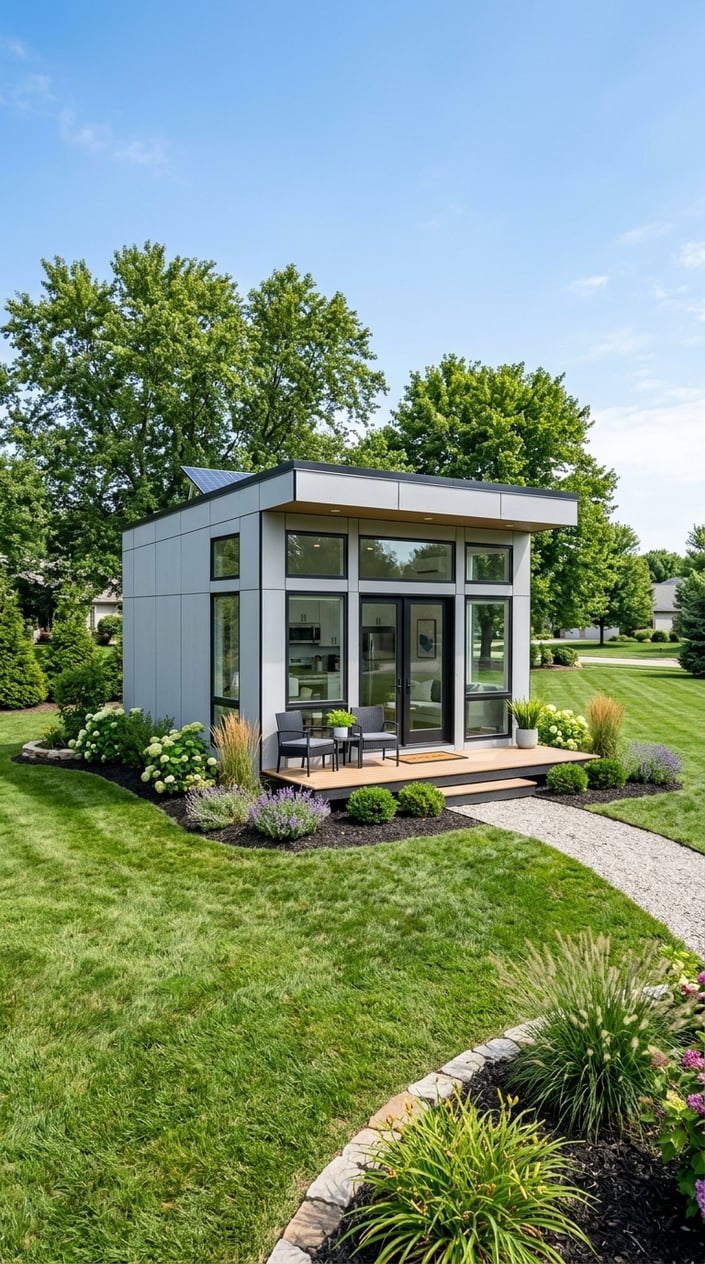
Boxabl offers a factory-built tiny home that ships folded and sets up on site in a short time. You get a small, finished space with a fixed layout, clear base pricing, and limited model options.
Overview
The Boxabl Casita is a prefab tiny home built in a factory and delivered to your site as one unit. It measures about 361–375 square feet, depending on how the space is listed. The home unfolds from a compact shipping form into a full studio-style layout.
You get a combined living and sleeping area, a full bathroom, and a small kitchen. The kitchen includes basic appliances, cabinets, and countertops. The bathroom comes with a shower, toilet, and sink already installed.
Boxabl builds the Casita with materials designed for transport and repeated handling. The company focuses on mass production, which helps keep the design simple and consistent.
Setup can happen in a short time once the unit arrives, but you still need site prep. You must arrange utilities, permits, and foundation work before delivery.
Pricing
Boxabl advertises a base price starting around $49,500 for the Casita. This price covers the standard unit built at the factory.
You should expect the real cost to be higher. Extra costs may include:
- Delivery to your state
- Site preparation and foundation
- Utility hookups (water, sewer, electric)
- Local permits and inspections
- Taxes and setup fees
Depending on your location, total costs can move well beyond the base price. Transport distance and local rules affect your final budget the most.
Boxabl mainly sells directly through its own website. Availability can vary by state due to zoning and building rules, so you must confirm that the unit meets local codes before you commit.
Best For
The Casita works best if you want a compact, factory-built home with a fixed layout and fast installation. You do not choose from many floor plans, so you must be comfortable with a studio design.
You may use it as:
- A backyard guest house
- An accessory dwelling unit (ADU)
- A small primary home on approved land
- Temporary or workforce housing
It suits you if you value predictable design and controlled factory construction over custom features. You also need land or a legal place to install it.
If you want strong brand recognition in the prefab space and a simple buying process through one company, Boxabl offers a clear path.
ESCAPE Homes
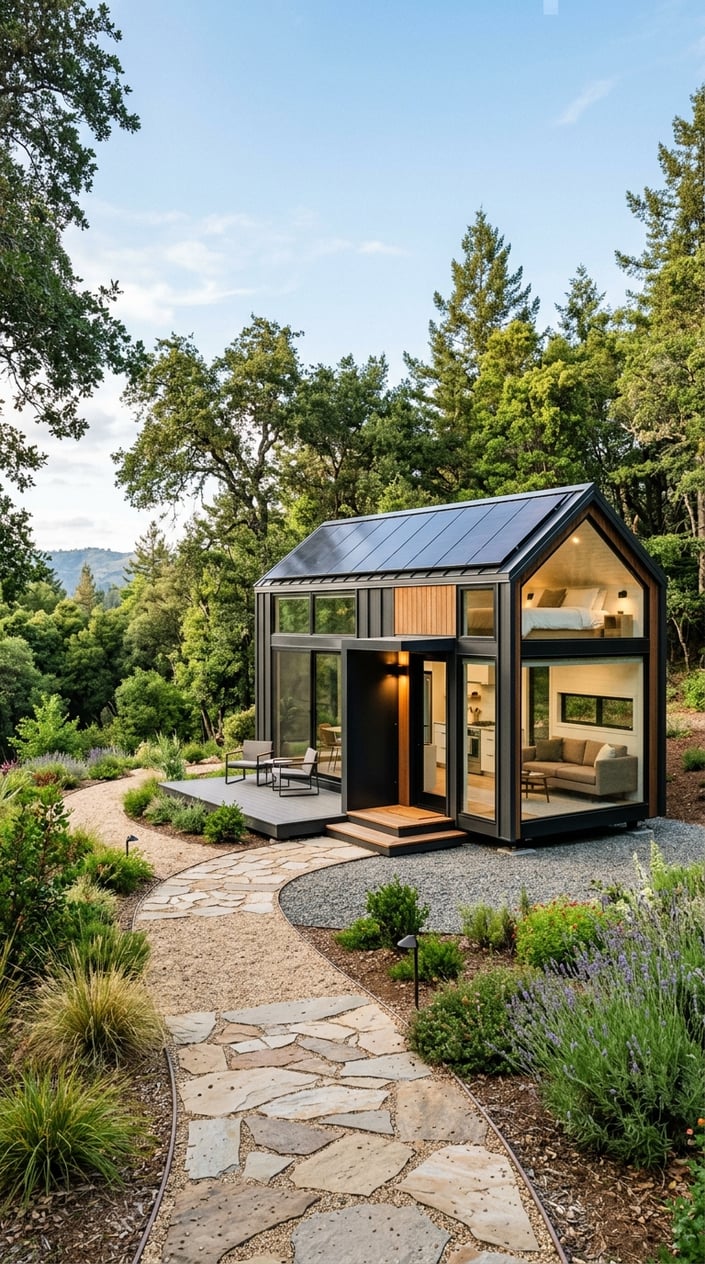
ESCAPE builds high-quality tiny homes and offers electric models under its eESCAPE line. You can buy directly from the company and choose from several layouts designed for full-time living, rentals, or guest use.
Overview
ESCAPE Homes designs and builds tiny houses in the United States. You can order units like the ESCAPE ONE or the all‑electric eONE, which runs fully on electric systems instead of gas.
The eESCAPE line focuses on energy-efficient living. Models often include large windows, high ceilings, and open floor plans. Some layouts feature a large rear loft, expanded kitchens, and added storage.
You can use these homes as:
- A backyard ADU
- A short-term rental such as Airbnb
- A guest house
- A full-time small home
ESCAPE sells directly to buyers. You select a floor plan, finishes, and upgrades. The company builds the unit and delivers it to your site. Many models come move-in ready with appliances, bathroom fixtures, and built-in storage already installed.
Pricing
ESCAPE promotes its eESCAPE models at prices starting below some of its basic ESCAPE units, which helps keep electric living more accessible. Exact pricing depends on size, features, and custom options.
Base prices typically increase with:
- Larger square footage
- Loft or dual-loft layouts
- Premium finishes
- Upgraded appliances
- Solar or energy add-ons
You can also apply for long-term financing, and some buyers may qualify for zero-down options. Monthly payments depend on your credit and loan terms.
Keep in mind that the listed home price does not include land, utility hookups, permits, or site work. You need to budget for delivery and local setup costs. Always confirm zoning rules in your area before you buy.
Best For
ESCAPE Homes work well if you want a ready-built tiny house from an established company. You do not need to manage a custom builder or piece together parts yourself.
You may find ESCAPE a good fit if you:
- Want an electric-focused tiny home
- Plan to use the unit as a rental or ADU
- Prefer modern design with large windows and open space
- Need financing options
The eONE model suits you if you want more kitchen space and a large loft. That layout supports longer stays and full-time living.
If you are searching for a “Tesla tiny house,” ESCAPE offers a realistic alternative. Tesla does not sell a widely available consumer tiny home, but ESCAPE provides real, purchasable units with clear pricing and delivery options.
Nestron
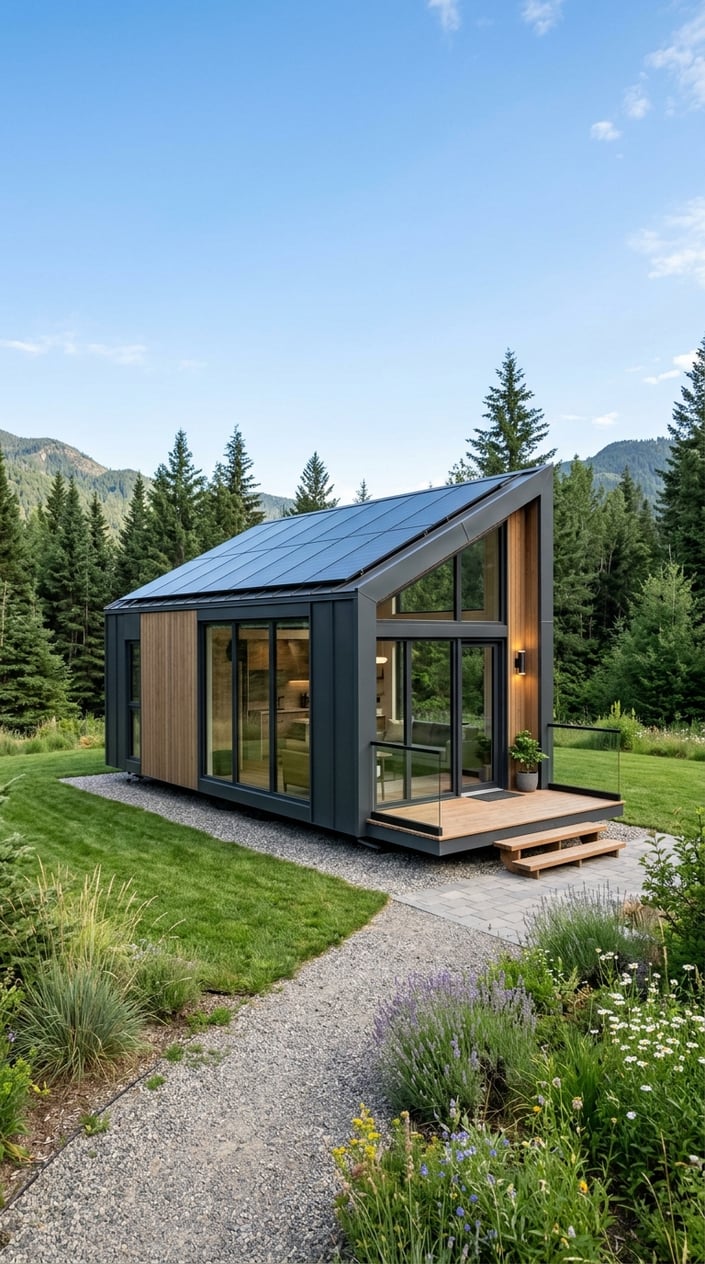
Nestron builds fully prefabricated tiny homes that arrive ready to live in. You get built-in furniture, integrated smart systems, and a fast setup process with fixed base pricing.
Overview
Nestron focuses on fully finished, factory-built tiny homes. The company markets them as a new generation of tiny living, with models designed for quick delivery and setup.
You receive the home in a ready-to-live condition. That means it includes built-in furniture, lighting, bathroom fixtures, and a smart home system. Some models support off-grid living, with options for solar integration and energy storage.
Nestron designs many of its homes with curved, modern exteriors. The structures use insulated wall panels and steel framing for durability. Certain models do not require a traditional concrete foundation, which can lower site prep costs.
You can place these units as backyard ADUs, vacation homes, rental units, or full-time residences, depending on local zoning rules.
Pricing
Nestron homes typically start around $40,000, based on public listings for entry-level models. Larger or upgraded models cost more, depending on size and added features.
Base pricing usually includes:
- Built-in furniture
- Bathroom and kitchen fixtures
- Lighting and electrical systems
- Smart home controls
You still need to budget for:
- Shipping and delivery
- Site preparation
- Utility connections
- Permits and local fees
Compared to custom-built tiny homes, Nestron offers more transparent starting prices. However, final costs depend on your location and setup needs. Always confirm total installed cost before you commit.
Pros
Turnkey setup stands out as a major benefit. You avoid managing multiple contractors because the home arrives nearly complete.
You also get integrated smart home features. Many models include app-based lighting and climate control, which adds convenience.
The homes use modern, compact layouts that maximize limited space. Built-in storage and furniture reduce clutter and improve function.
Another advantage is speed. Factory construction often reduces build time compared to on-site construction.
For buyers searching for something similar to a “Tesla tiny house,” Nestron offers a real, available product rather than a concept or rumor.
Cons
You face limited customization compared to a fully custom build. Nestron designs come in set models, so layout changes are minimal.
Shipping costs can be high. Large prefabricated units require special transport, especially for long distances.
Zoning can also create issues. Some cities restrict tiny homes or ADUs, even if the unit is fully compliant with building standards.
You may also need a crane or special equipment for placement. That adds to installation costs and requires proper site access.
Finally, while the base price appears competitive, total installed cost can rise quickly once you include land, permits, and utility work.
Best For
Nestron works best if you want a modern, plug-and-play tiny home without managing a full construction project.
You benefit most if you already own land or plan to place the unit as a backyard ADU. It also suits buyers who value built-in furniture and smart features over heavy customization.
If you want a fast, factory-built alternative while researching where to buy a Tesla tiny house, Nestron gives you an available and structured option.
You may not find a Tesla-branded home on the market, but you can purchase a Nestron unit today through the company’s official sales channels.
Wheelhaus
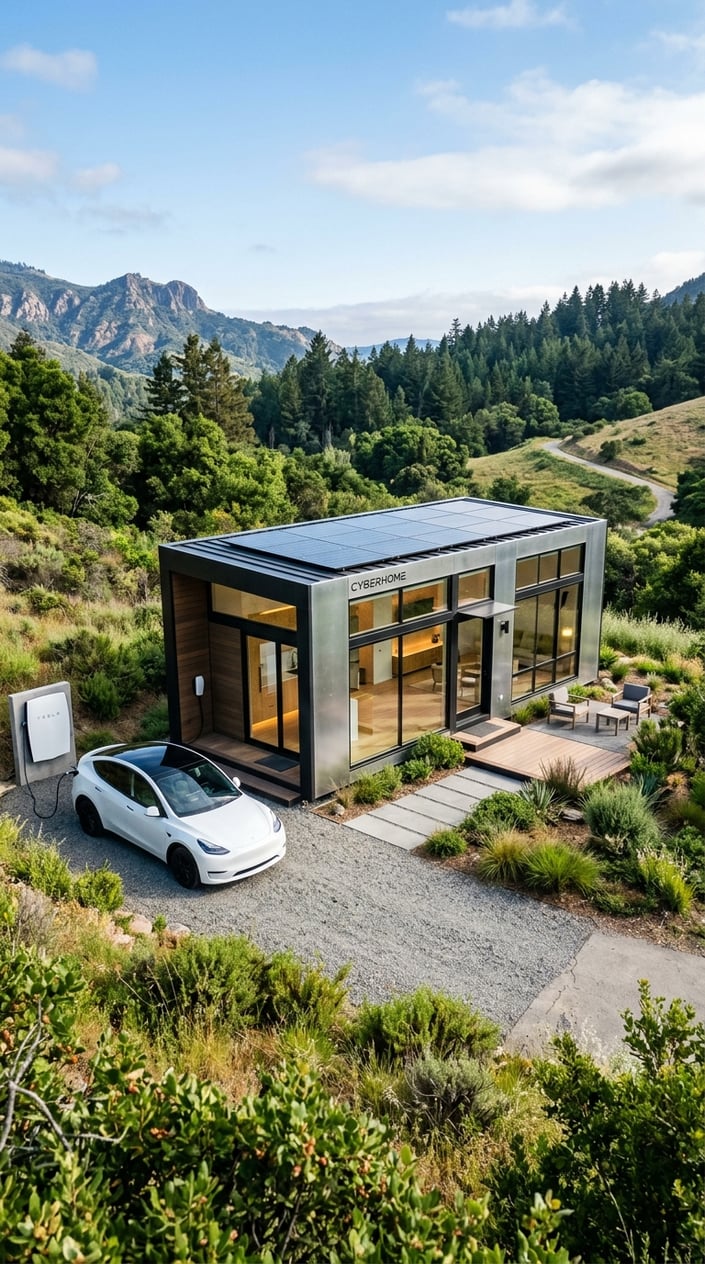
Wheelhaus builds high-end tiny homes and modular cabins that focus on efficient space and strong materials. You get a turnkey unit delivered on wheels, ready to use as a full-time home, rental, or guest house.
Overview
Wheelhaus launched in 2006 with a focus on “living large with less.” The company designs compact homes that use fewer materials and less square footage without cutting quality.
You can choose from park models, modular cabins, and units built on wheels. Many models feature large windows, open floor plans, and modern finishes. Interiors often include full kitchens, bathrooms, and built-in storage.
Wheelhaus builds its homes in a controlled factory setting. This process helps reduce waste and improves consistency. After construction, the company delivers the unit to your site.
These homes work well in mountain towns, lake areas, and backyard spaces. Some buyers use them as short-term rentals. Others place them on private land as a primary residence or vacation cabin.
Pricing
Wheelhaus homes sit in the higher end of the tiny home market. Prices vary based on size, layout, and finishes.
Many models start in the six-figure range, especially for larger park models or modular cabins. Custom upgrades, site prep, permits, and utility hookups add to the total cost.
Compared to basic tiny homes that can cost $20,000 to $100,000, Wheelhaus focuses on premium materials and design. You pay more, but you receive a finished product with modern fixtures and detailed craftsmanship.
You should also budget for:
- Land purchase or lease
- Foundation or pad preparation
- Utility connections
- Transportation and setup fees
Contact the company directly for current pricing and build timelines. Costs can change based on demand and material prices.
Best For
Wheelhaus works best if you want a luxury tiny home with modern design. You likely value strong construction, clean lines, and durable materials.
This brand fits buyers who plan to place a unit in a resort area or use it as a rental cabin. It also suits homeowners who want a high-end accessory dwelling unit (ADU) in their backyard.
If you compare Wheelhaus to the idea of a Tesla tiny house, you will notice one key difference. Wheelhaus already builds and sells real units with clear models and delivery options. You do not need to wait for a concept or rumor.
Choose Wheelhaus if you want a finished, design-focused tiny home from an established builder with nearly two decades of experience.
Full Cost Breakdown for a Tesla-Style Tiny Home
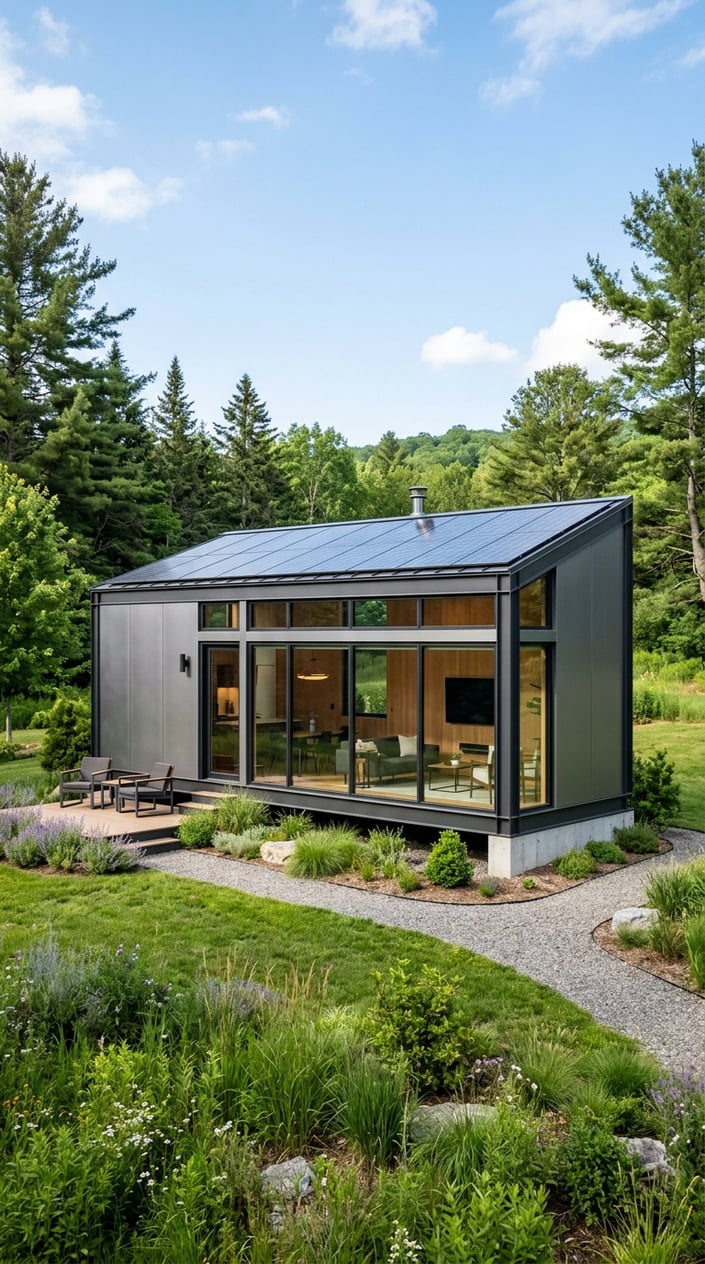
You need to budget for three main parts: the tiny home itself, the solar panel system, and a Tesla Powerwall battery. Each part has a wide price range based on size, features, and location.
Tiny Home Base Price
The base price depends on whether you buy a finished prefab unit or build your own. Most tiny homes in the U.S. cost $45,000 to $80,000 for a professionally built model.
Some lower-cost options start around $20,000 to $30,000 if you handle parts of the build yourself. High-end prefab units with custom finishes can reach $100,000 or more.
A few online sources claim prices as low as $6,975 or $15,000, but those figures usually cover only a small structure or shell. They often exclude delivery, setup, plumbing, insulation upgrades, and permits.
You also need to plan for:
- Delivery and crane fees: $3,000–$10,000
- Foundation or trailer: $5,000–$15,000
- Utility hookups (if not off-grid): $5,000–$20,000
Your real base cost usually lands closer to $60,000 to $100,000 once you include setup.
Solar and Powerwall Setup Cost
A Tesla-style tiny home relies on solar panels and a Tesla Powerwall for energy storage. Costs vary based on how much power you need.
A small Tesla solar setup for a tiny home may cost $8,000 to $15,000 before incentives. This usually includes panels, inverter, hardware, and installation.
The Tesla Powerwall stores excess solar energy so you can use it at night. One Powerwall typically costs $9,000 to $12,000 installed, depending on labor and local rules.
Some setups require:
- Electrical panel upgrades
- Permits and inspection fees
- Additional mounting hardware
If you want full off-grid use with strong backup capacity, you may need two Powerwalls, which can push battery costs above $20,000.
Federal tax credits may lower your solar and Powerwall costs if you qualify.
Total Estimated Budget
When you combine the home and energy system, your total investment becomes clear.
A realistic breakdown looks like this:
| Item | Estimated Cost |
|---|---|
| Tiny Home (finished) | $60,000–$100,000 |
| Tesla Solar Panels | $8,000–$15,000 |
| One Tesla Powerwall | $9,000–$12,000 |
| Delivery & Setup | $10,000–$25,000 |
Estimated total: $90,000 to $150,000+
Costs increase if you buy land, add a second Powerwall, or choose premium finishes.
You should also budget for land, which can range from $10,000 to over $100,000 depending on location. Property taxes, insurance, and maintenance add ongoing expenses.
A Tesla-style tiny home rarely costs $15,000 in real-world conditions. Most buyers spend closer to six figures when they include the structure, solar panels, and Tesla Powerwall system.
Final Verdict
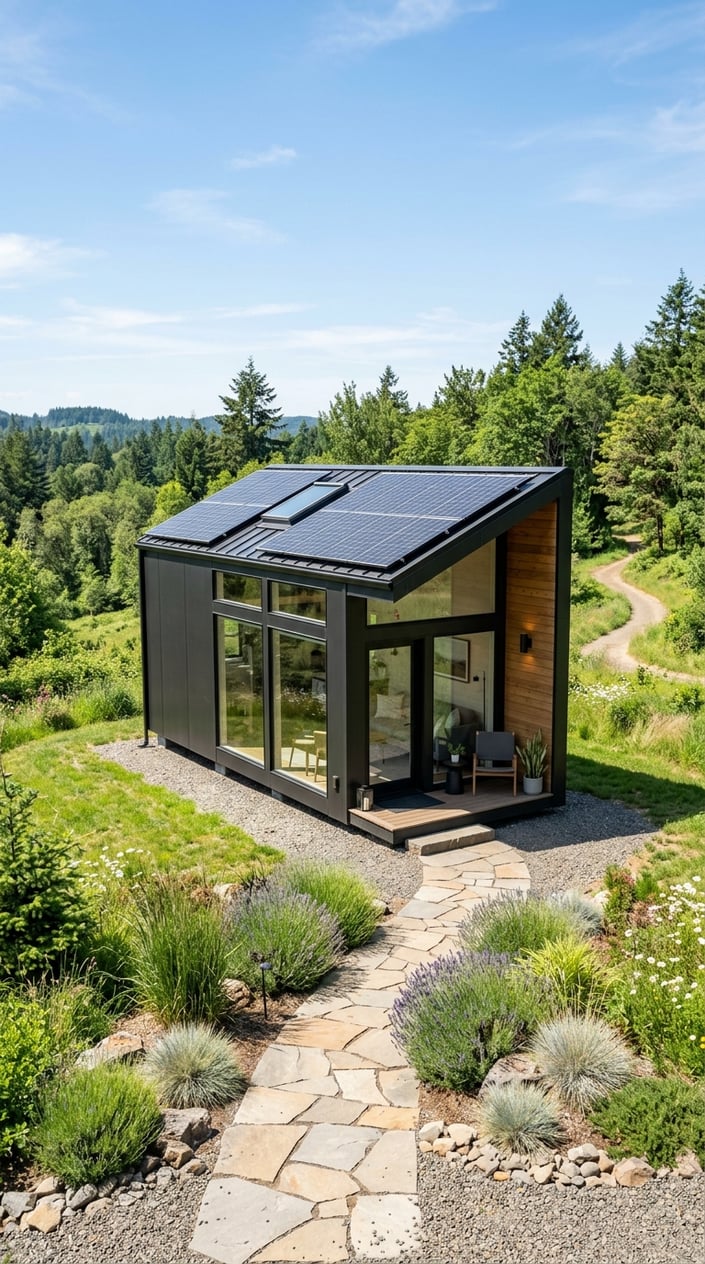
You cannot buy an official Tesla Tiny House today. Your best path is to choose a proven tiny home builder now or wait for clear, public action from Tesla.
Best Alternative to Buy Today
You should focus on established tiny house companies instead of chasing a Tesla-branded unit.
Several sources claim Tesla sells a tiny house, but no official product is listed for public sale. Tesla showed a small solar-powered demo home in 2017, but it was a marketing project, not a retail product.
You can buy from trusted builders such as:
- Tumbleweed Tiny House Company
- Tiny Heirloom
- Escape Traveler
You can also search listing sites like:
- Tiny House Listings
- Tiny House Marketplace
Many builders let you add solar panels, battery storage, and smart home systems. You can pair these with a Tesla Powerwall through Tesla Energy if you want Tesla-branded power storage.
This route gives you clear pricing, real delivery dates, and customer support.
Should You Wait for Tesla?
You should only wait if Tesla makes a formal announcement on its official website.
Online claims about a $7,789 or $50,000 Tesla Tiny House are not supported by verified product listings. Some articles suggest third-party sellers, but Tesla has not confirmed an official, mass-market tiny home.
Waiting could mean:
- No timeline
- No confirmed price
- No public order page
If Tesla enters the housing market, it will likely announce full specifications, pricing, and availability through its main channels. Until that happens, you risk delaying your plans for a product that may not launch.
If you want a tiny home now, buy from an established builder and add Tesla energy products separately.


