
Victorian House Plans For Timeless Architecture And Modern Living
Key Traits of Victorian Houses
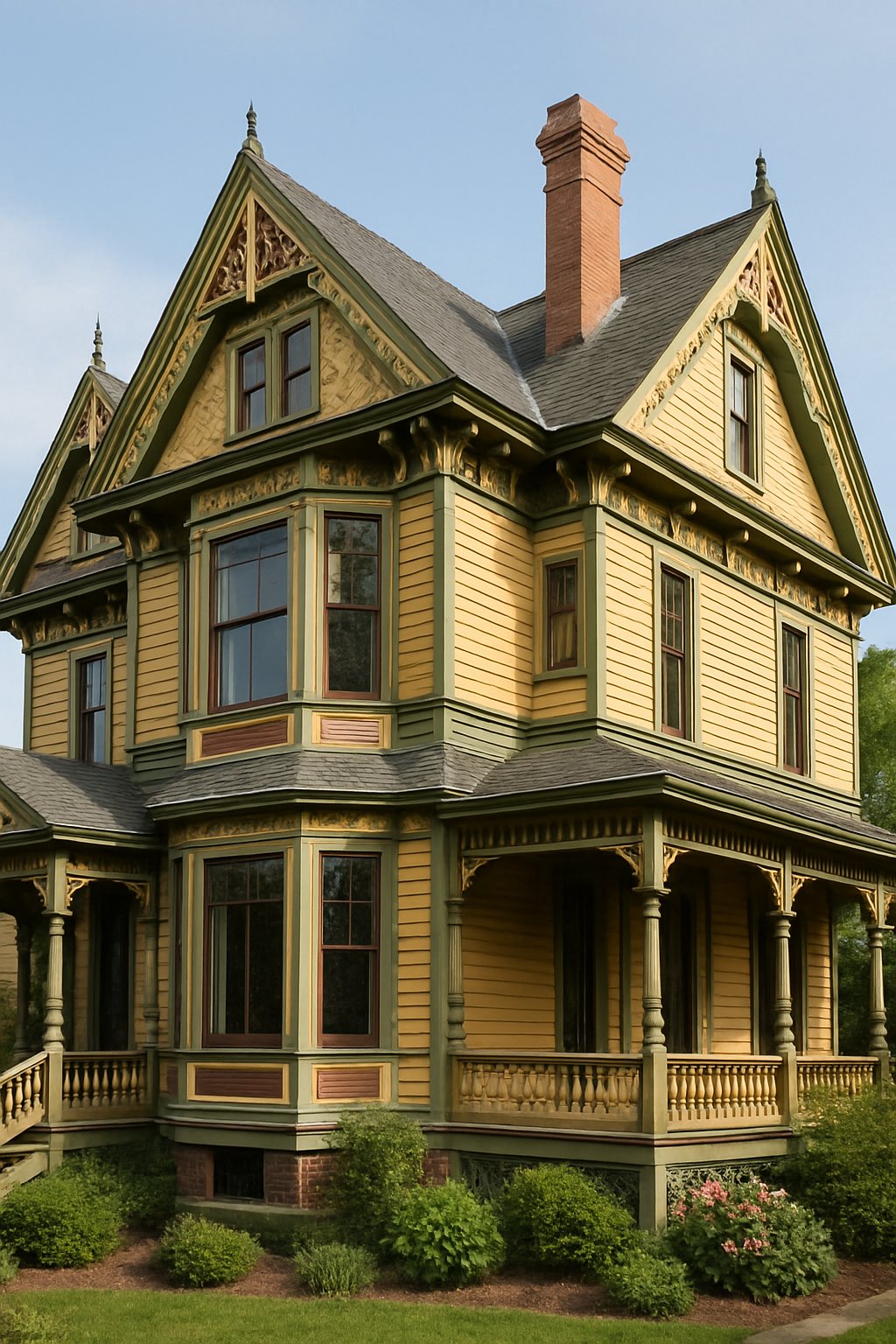
Victorian houses often stand out for their mix of ornate details and distinctive shapes. Many include steep, irregular roofs with a large front-facing gable, along with gingerbread trim or bracketed posts that add decoration. Towers, turrets, and wide wraparound porches are also common.
Other features include:
- Asymmetrical layouts
- Bay or sash windows, sometimes with stained glass
- Textured shingles and decorated rooflines
- Multiple fireplaces with elaborate designs
- Spacious interiors with open floor plans
Victorian Style Home Layouts and Designs
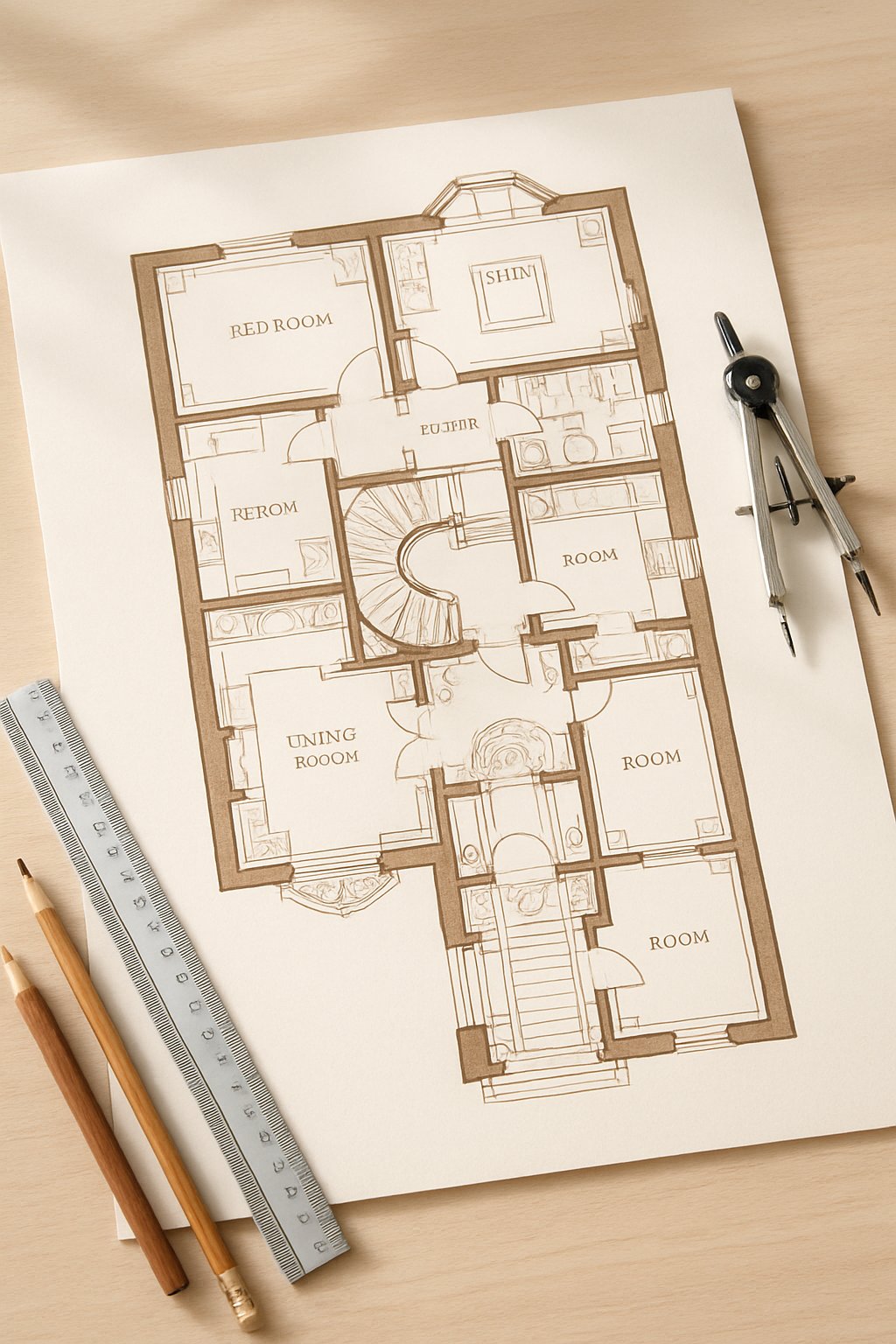
Victorian home layouts often display a mix of ornate details and practical living spaces. Common exterior traits include gingerbread trim, spindled railings, and bracketed posts that add texture and depth. Many designs highlight towers or turrets, paired with wraparound porches or gazebos that create inviting outdoor areas.
Key elements often found in these plans include:
- Steep, irregular roofs with front-facing gables
- Textured shingles and decorated rooflines
- Bay or sash windows, sometimes with stained glass
- Spacious interiors with open layouts and multiple fireplaces
Victorian Style Homes | From Classic to Gothic Layouts
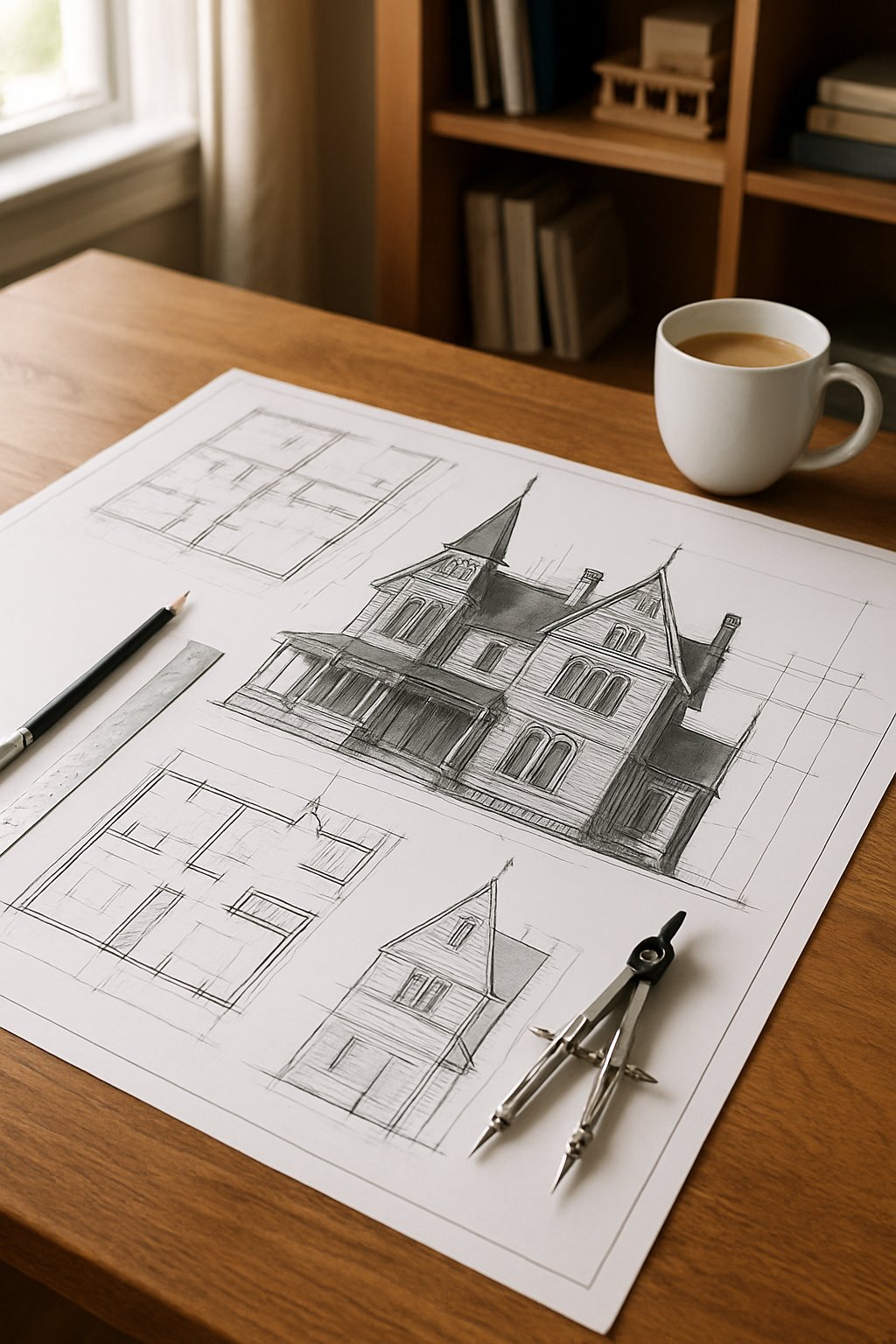
Victorian house designs often highlight ornamental details and unique layouts that set them apart from other styles. Common features include:
- Decorative trim such as spindle railings and carved posts
- Towers or turrets with rounded or angled shapes
- Porches that may wrap around the home or include gazebos
- Rooflines with steep pitches, irregular forms, and front-facing gables
- Windows like bay, sash, or stained glass for added character
| Feature | Typical Element |
|---|---|
| Roof Style | Steep, irregular, gabled |
| Exterior Detail | Gingerbread trim, brackets |
| Interior Element | Open layouts, multiple fireplaces |
Ideal Victorian Home Layouts and Blueprints
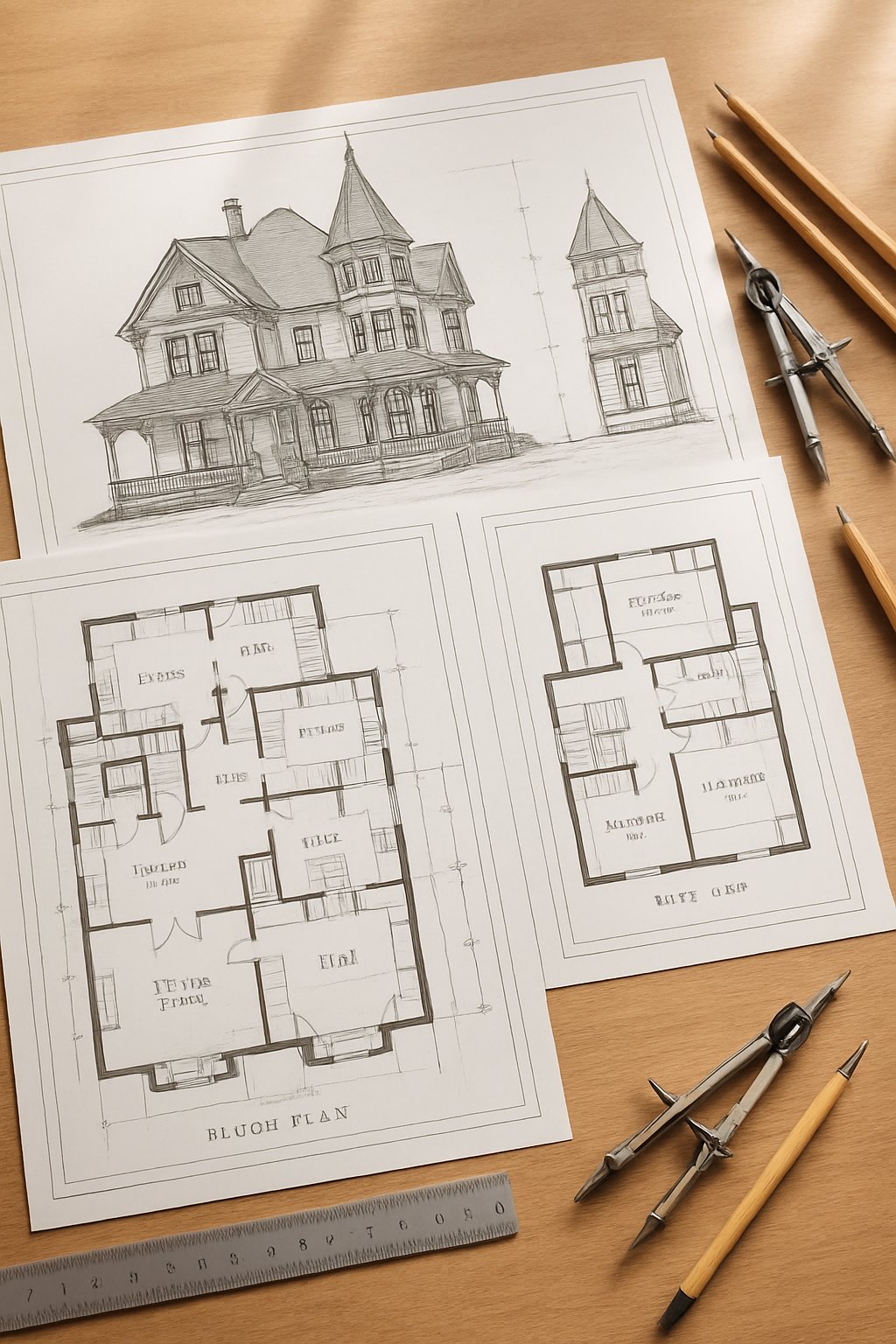
Victorian house designs often highlight ornamental details and a mix of shapes that create strong curb appeal. Common elements include gingerbread trim, spindled railings, and bracketed posts that give the exterior a crafted look.
Key features often found in these plans include:
- Towers or turrets with curved forms
- Wide wraparound porches or gazebos
- Steep, irregular rooflines with front-facing gables
- Bay or sash windows, sometimes with stained glass
- Multiple fireplaces for added character
These layouts often combine open interiors with decorative exteriors, blending function and style.
Can Victorian-Style Homes Still Be Built?
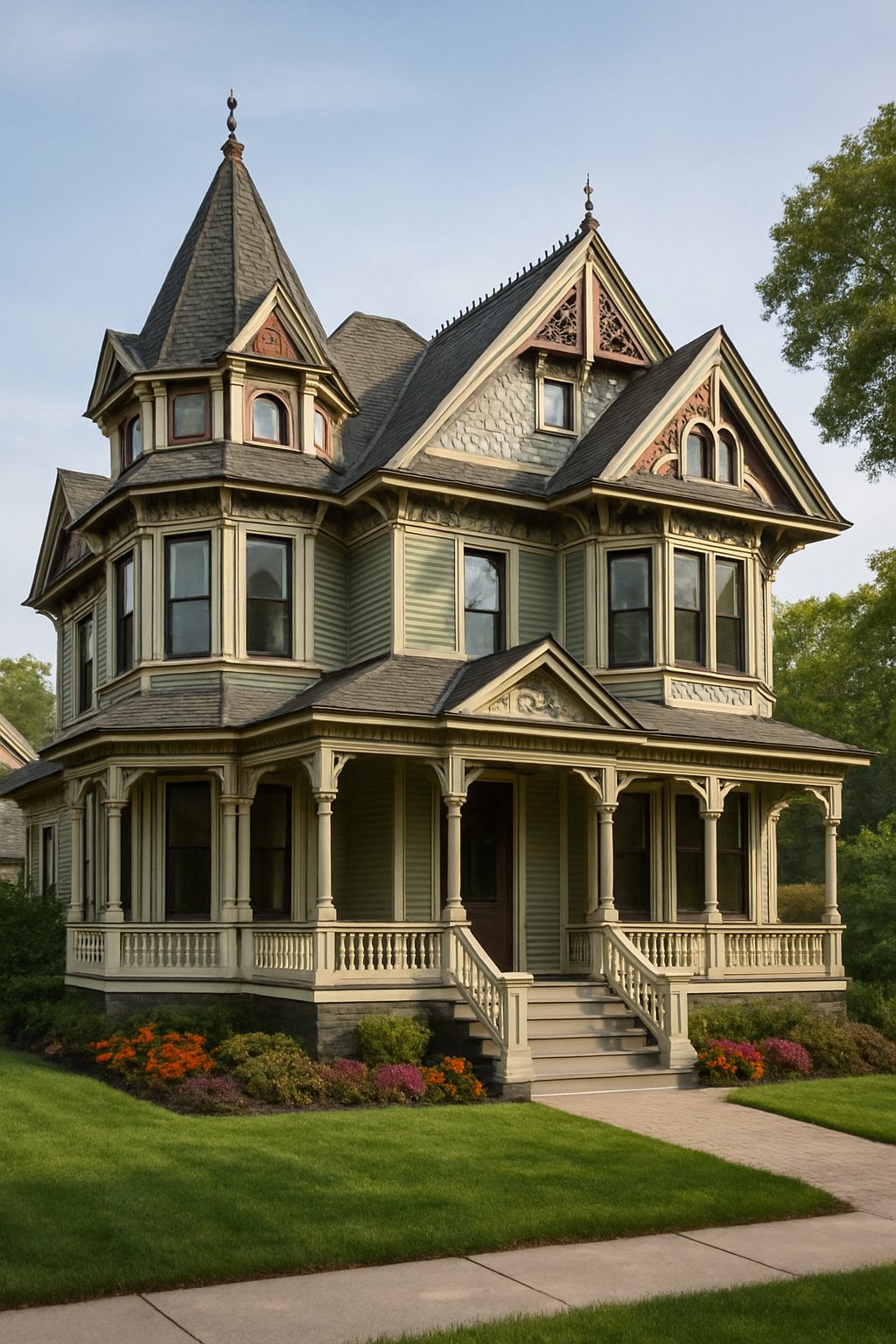
Yes, builders can still create houses that reflect Victorian design. While the term Victorian originally described a time period, it is now often used to describe the architectural style itself. Modern construction allows homeowners to request Victorian-inspired plans that include features such as:
- Steep rooflines
- Decorative trim
- Wraparound porches
Designers recognize the style, so asking for Victorian house plans is widely understood.
Typical Layout of a Victorian Home
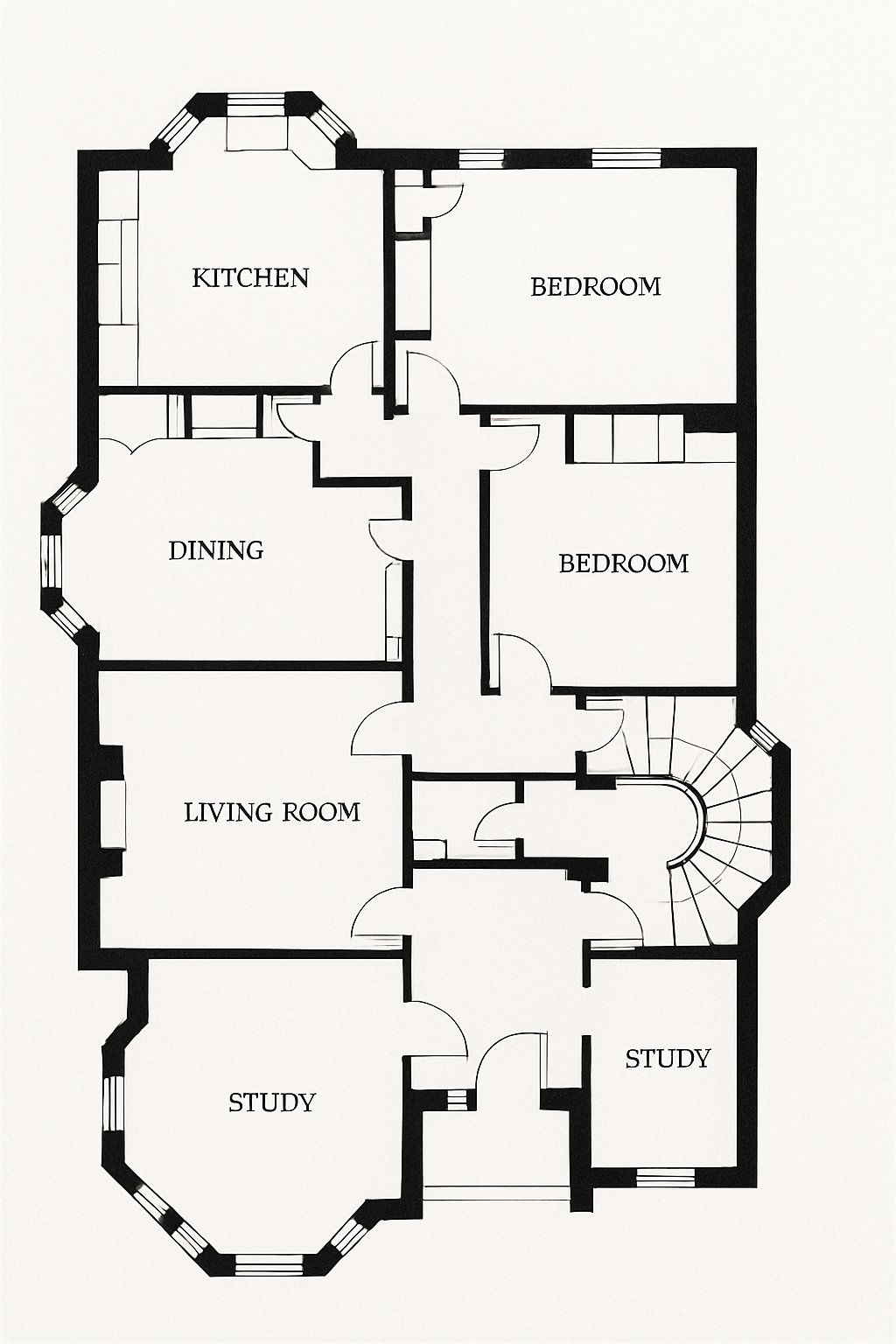
Victorian floor plans often feature complex and decorative arrangements that reflect the style’s emphasis on detail and craftsmanship. Many homes include staircases with carved woodwork, hidden alcoves, and small storage spaces that add both function and charm. Towers and turrets are common elements, sometimes rising two or three stories. These rounded or polygonal spaces often serve as bedrooms, studies, or reading rooms, and they bring in generous natural light.
Windows play a central role in Victorian house plans. Bay windows extend outward to create more interior space, while stained glass adds color and artistry. These features not only brighten rooms but also highlight the home’s exterior character.
Victorian home plans were originally created for families who valued both comfort and entertainment. Rooms were laid out to support social gatherings, with parlors, dining rooms, and sitting areas designed for hosting. The layouts often feel spacious, even in modestly sized houses, because of the tall ceilings and large windows.
Modern interpretations of Victorian house plans adapt these features to today’s needs. For example:
- Split-bedroom layouts for privacy
- Main-floor primary suites with secondary bedrooms upstairs
- Flexible square footage ranging from small one-story homes under 800 sq. ft. to expansive designs over 7,000 sq. ft.
This variety allows Victorian-inspired homes to maintain their historic charm while fitting modern lifestyles.
Bedroom Count in Victorian Homes
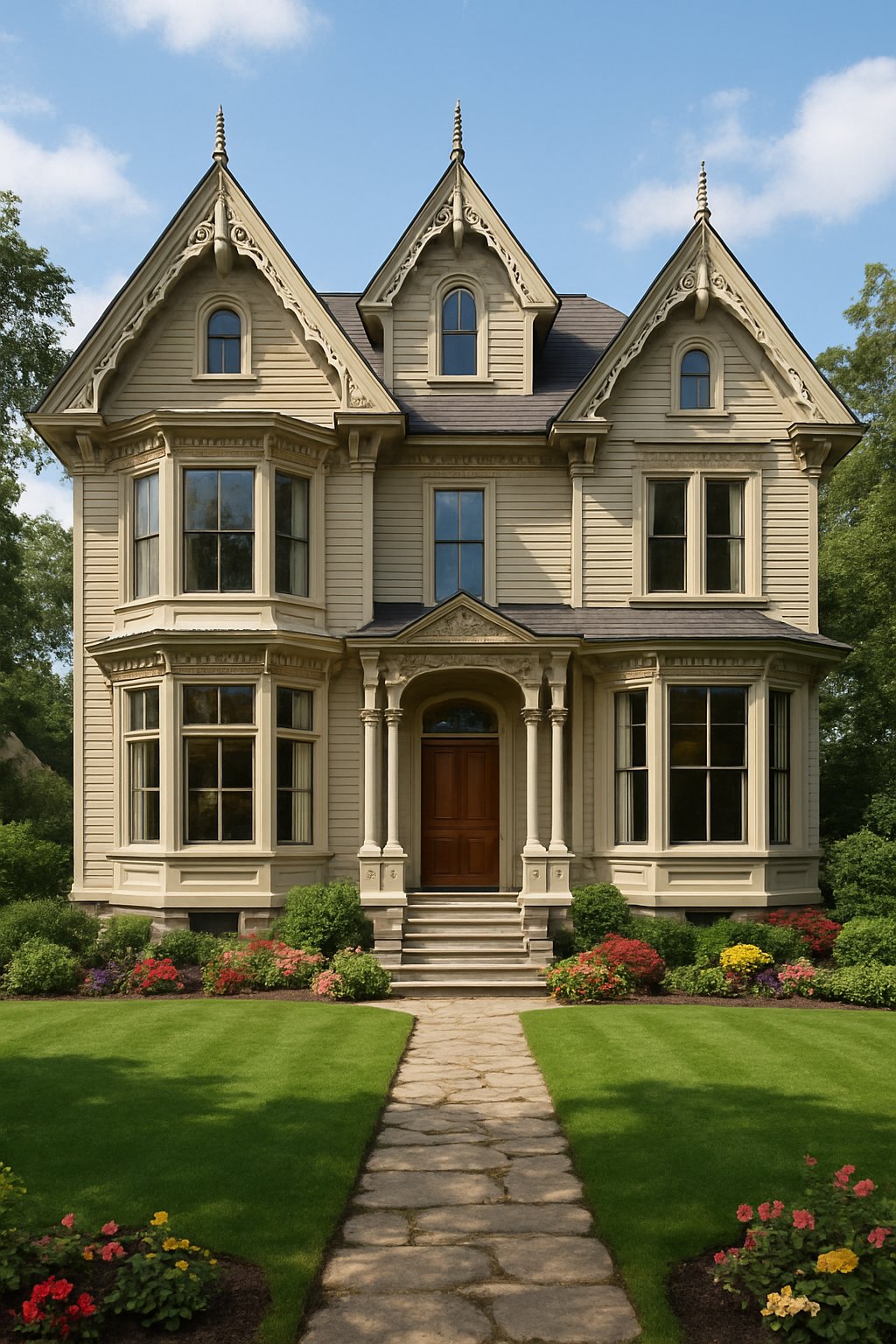
The number of bedrooms in a Victorian home varies with its size and layout. These houses can include just a few rooms or many.
- Smaller designs: 2–3 bedrooms
- Larger estates: 4–6+ bedrooms
| Home Size | Typical Bedrooms |
|---|---|
| Compact | 2–3 |
| Medium | 3–4 |
| Large | 5+ |
Did Victorian homes include two living spaces?
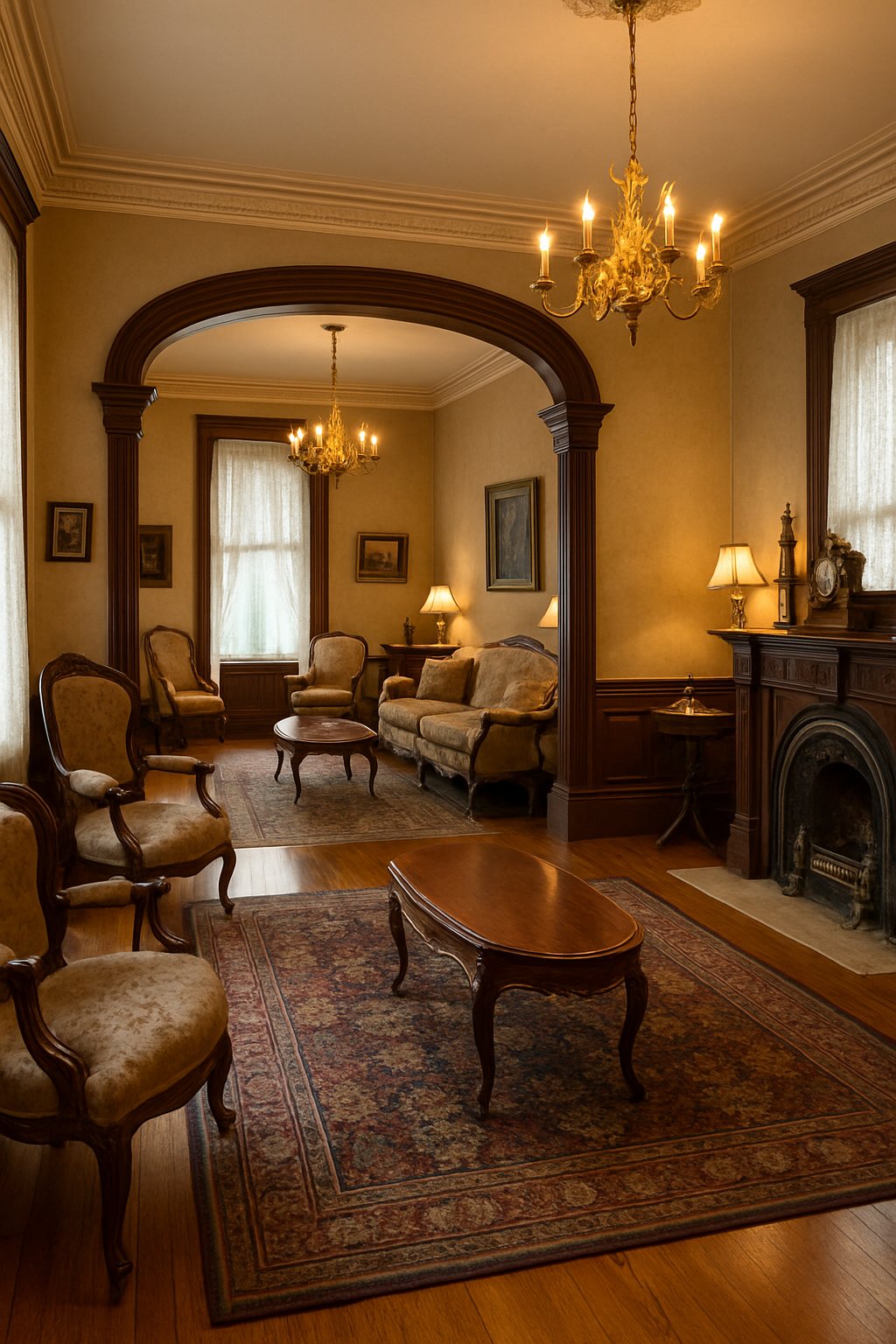
Many Victorian houses contained two separate rooms that functioned like living rooms, though they had different names and purposes.
- Parlor: Served as the main social space. Families welcomed visitors here, often using it for polite conversation or courtship.
- Secondary space: Could be a library, study, or billiards room. This area was usually more private and often associated with men’s activities.
| Room Name | Common Use | Who Used It |
|---|---|---|
| Parlor | Entertaining guests | Men and women |
| Library/Study | Reading, work, leisure | Primarily men |
| Billiards | Games and recreation | Primarily men |
Lifespan of Victorian Homes
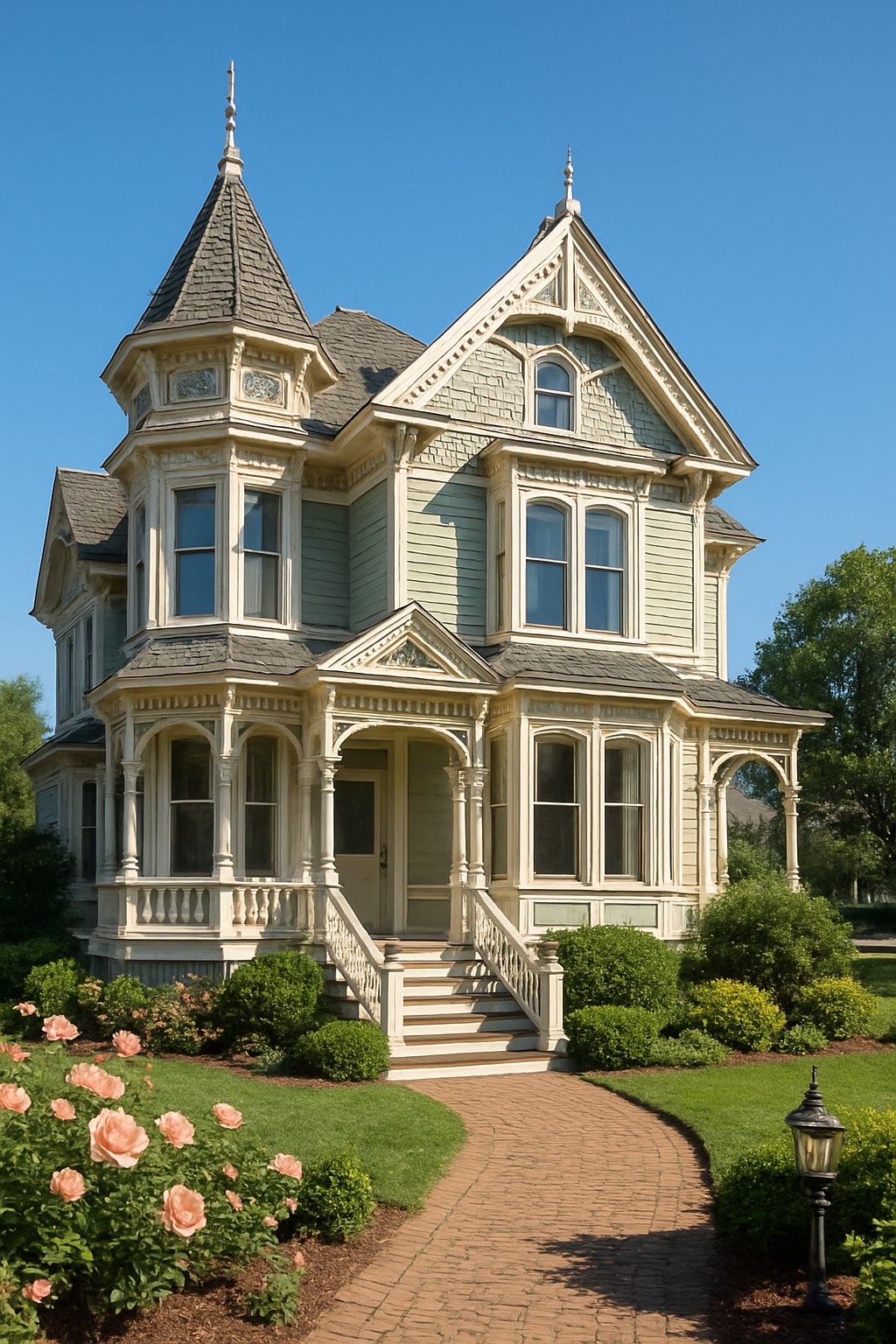
Victorian houses can remain standing for close to two centuries when owners handle upkeep with care. Many examples today are already 100–180 years old. Their durability depends on timely repairs and consistent maintenance.
Key factors that support longevity include:
- Regular inspections
- Prompt repair of damage
- Ongoing structural care
How to Recognize a Victorian-Style Home
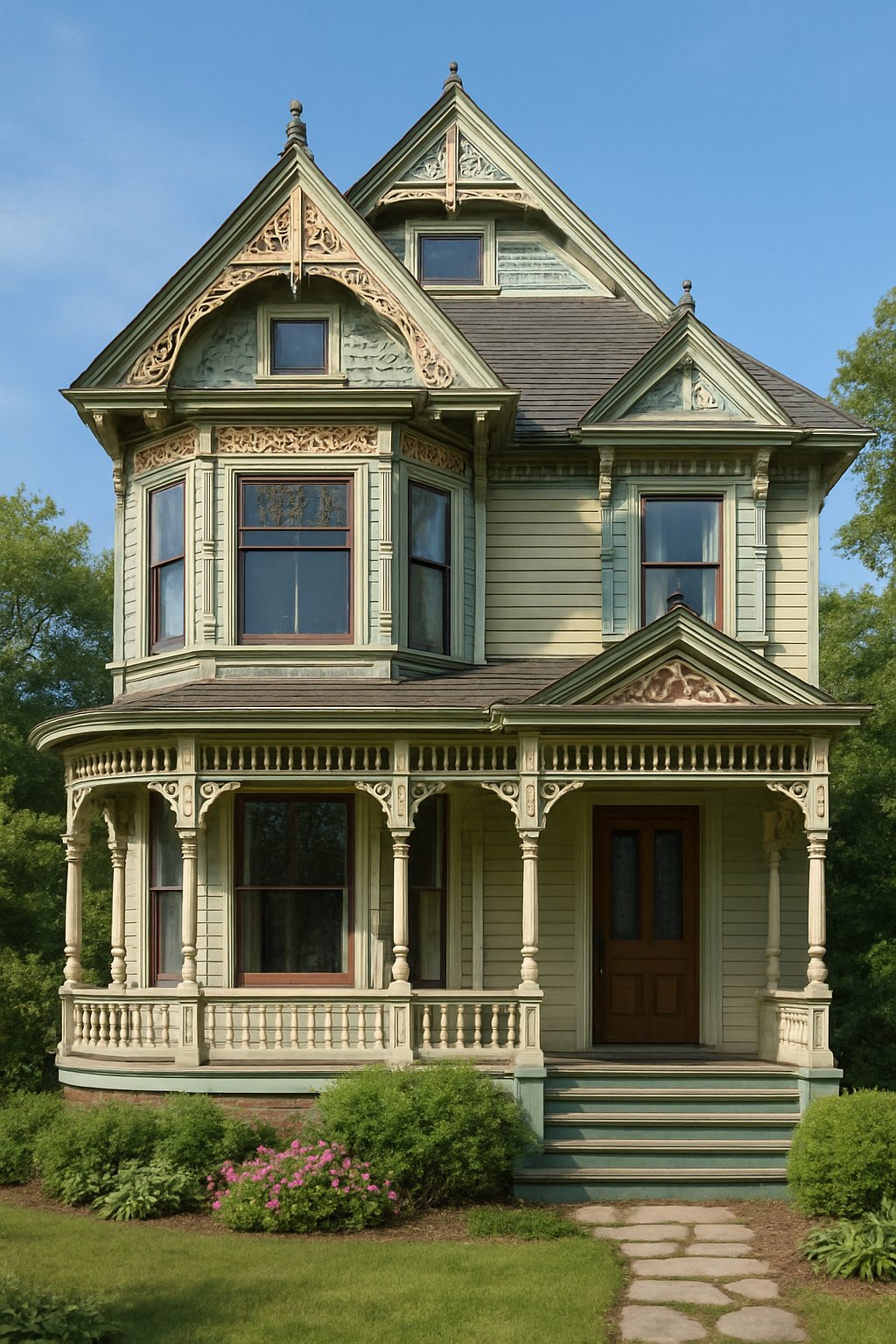
Victorian houses often display distinctive details that set them apart. Common signs include:
- Bay windows
- Two-over-two sash windows
- Stained glass accents
- Window horns on sashes
- Steeply pitched roofs
- Decorative gable trim
- Patterned brickwork, often red
These features together help identify the style with clarity.
Defining Folk Victorian Architecture
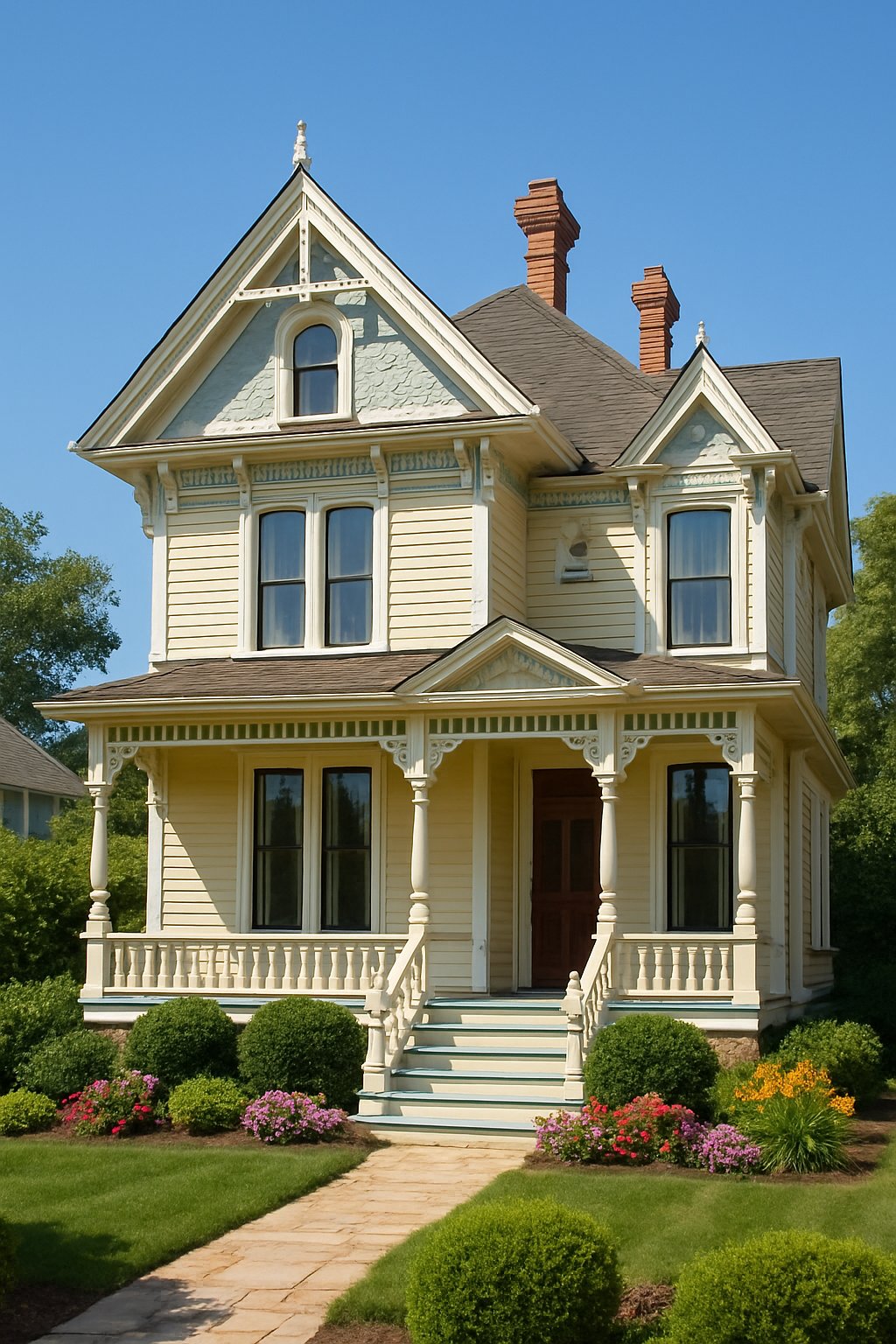
Folk Victorian homes use simple layouts with modest detailing. Unlike other Victorian designs, they rely on straightforward floor plans while adding decorative trim for character.
Frequently Asked Questions
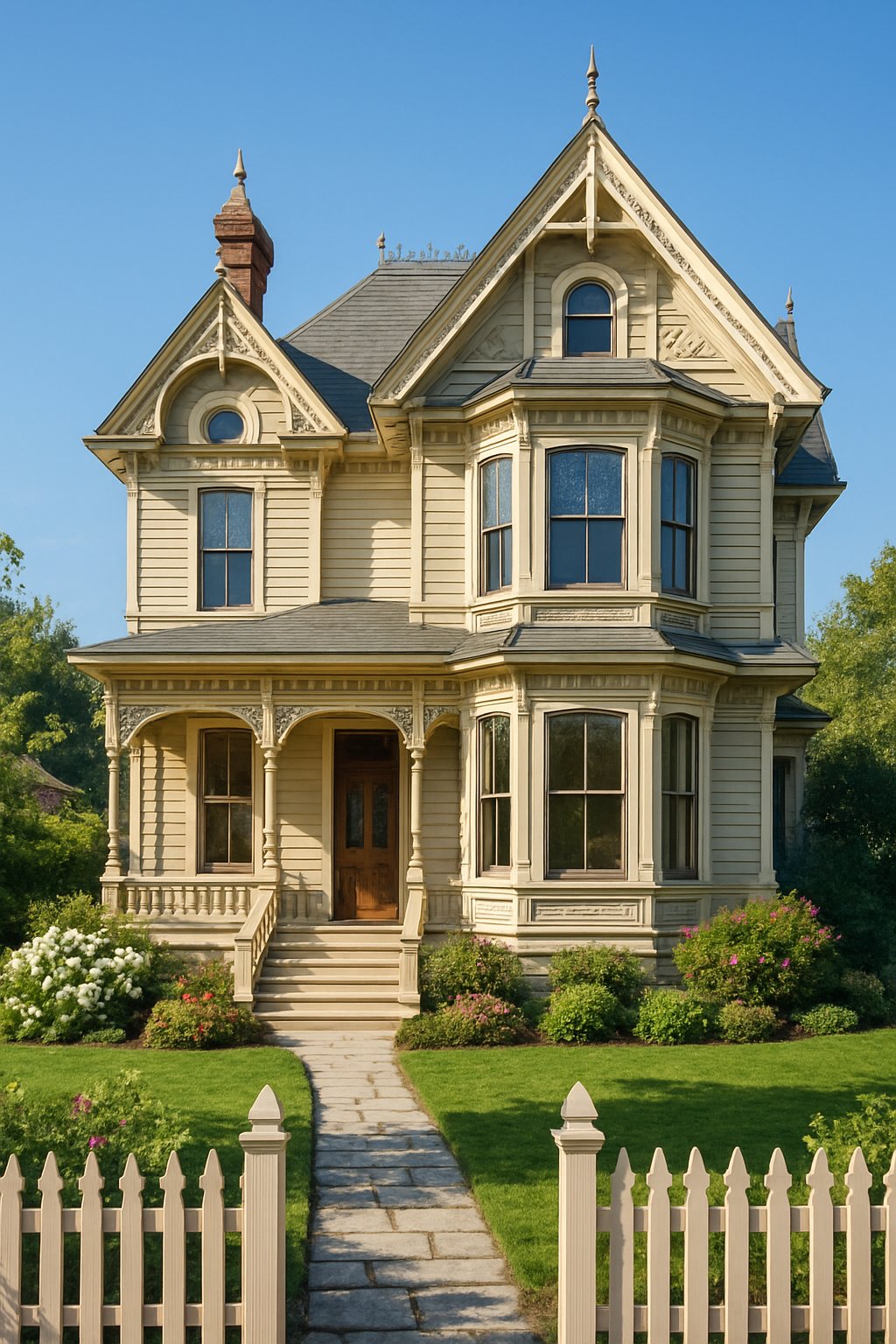
What features define a Queen Anne Victorian style home plan?
Queen Anne Victorian homes often include asymmetrical layouts, steeply pitched roofs, and decorative trim. Towers or turrets, wraparound porches, and bay windows are also common. Interiors usually feature tall ceilings, formal entry halls, and multiple rooms designed for specific uses.
How can someone locate original Victorian house plans from around 1900?
Authentic plans from the early 1900s can sometimes be found in historical archives, local libraries, or preservation societies. Some architectural publishers also reprint catalogs from that era, and online databases may provide scanned versions of period blueprints.
What details are usually found in compact Victorian home designs?
Smaller Victorian homes often keep the ornamental style but in a more practical layout. These plans may include:
- A front porch with modest trim
- Narrow but tall windows
- Two to three bedrooms
- Efficient use of interior space while keeping decorative details
Do Victorian house plans exist that blend Gothic design elements?
Yes, some Victorian-era homes incorporated Gothic Revival features. These may include pointed arches, steep gables, and detailed woodwork. The combination of Gothic styling with Victorian layouts created homes that were both ornate and dramatic in appearance.
Where can detailed Victorian house plans with images be found?
Websites that specialize in historic or period-style homes often provide floor plans with photographs or illustrations. Architectural archives, home design publishers, and some real estate listings of preserved Victorian houses may also include detailed images alongside floor layouts.
What sources offer Victorian house plans with hidden passageways?
Plans with secret rooms or passageways are less common in original Victorian designs but can be found in specialty architectural books or custom plan services. Some modern designers create Victorian-inspired homes with added hidden features for privacy or storage, often available through niche home plan providers.


