Tiny Home Builders in Florida: Top 5 Trusted Experts for Your Dream Space
I have noticed growing interest in tiny homes in Florida as more people look for affordable, efficient living options. Tiny home builders in Florida offer a variety of designs that suit different needs, whether for permanent living, rental properties, or additional space like home offices.
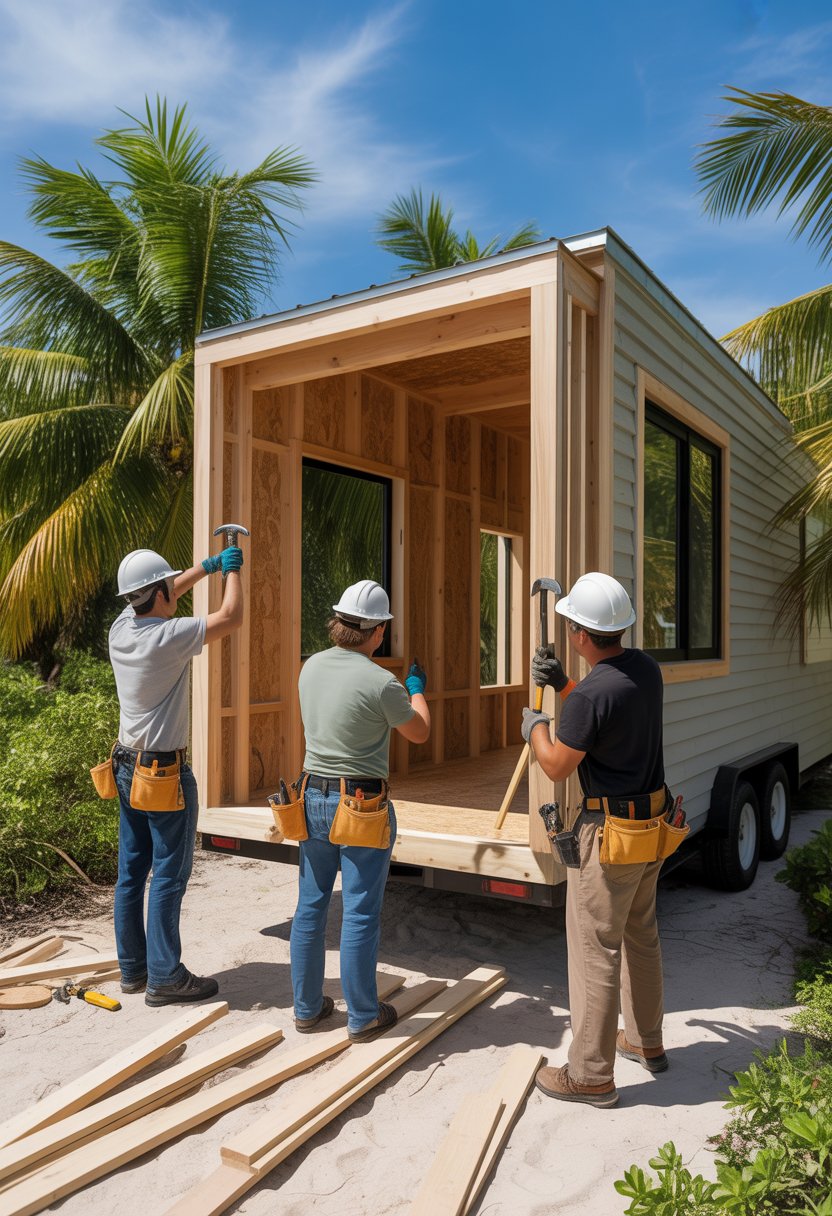
Finding a reliable tiny home builder in Florida means understanding the options available, including custom designs, prefab models, and homes on wheels or foundations. This helps me choose a home that fits both my lifestyle and local regulations. Builders in the state focus on creating homes that make the best use of space while considering Florida’s climate and building codes.
1) Cornerstone Tiny Homes
I found Cornerstone Tiny Homes to be a strong option for anyone interested in tiny houses in Florida. They build custom tiny homes that meet Florida Building Codes and offer both foundation-based homes and mobile tiny homes on wheels. This gives flexibility depending on what kind of lifestyle or use you want.
They have years of experience in construction and engineering, which means their homes are high quality and safe. You can choose from various floor plans, ranging from about 360 to over 700 square feet. They also allow customization in design and finishes, so you get a home that fits your needs.
Financing options are available, including traditional mortgages for foundation homes and RV loans for tiny homes on wheels. Prices start from $91,000, which can be a practical choice for affordable home ownership or rental investments.
Rating: 4.6 (134 reviews)
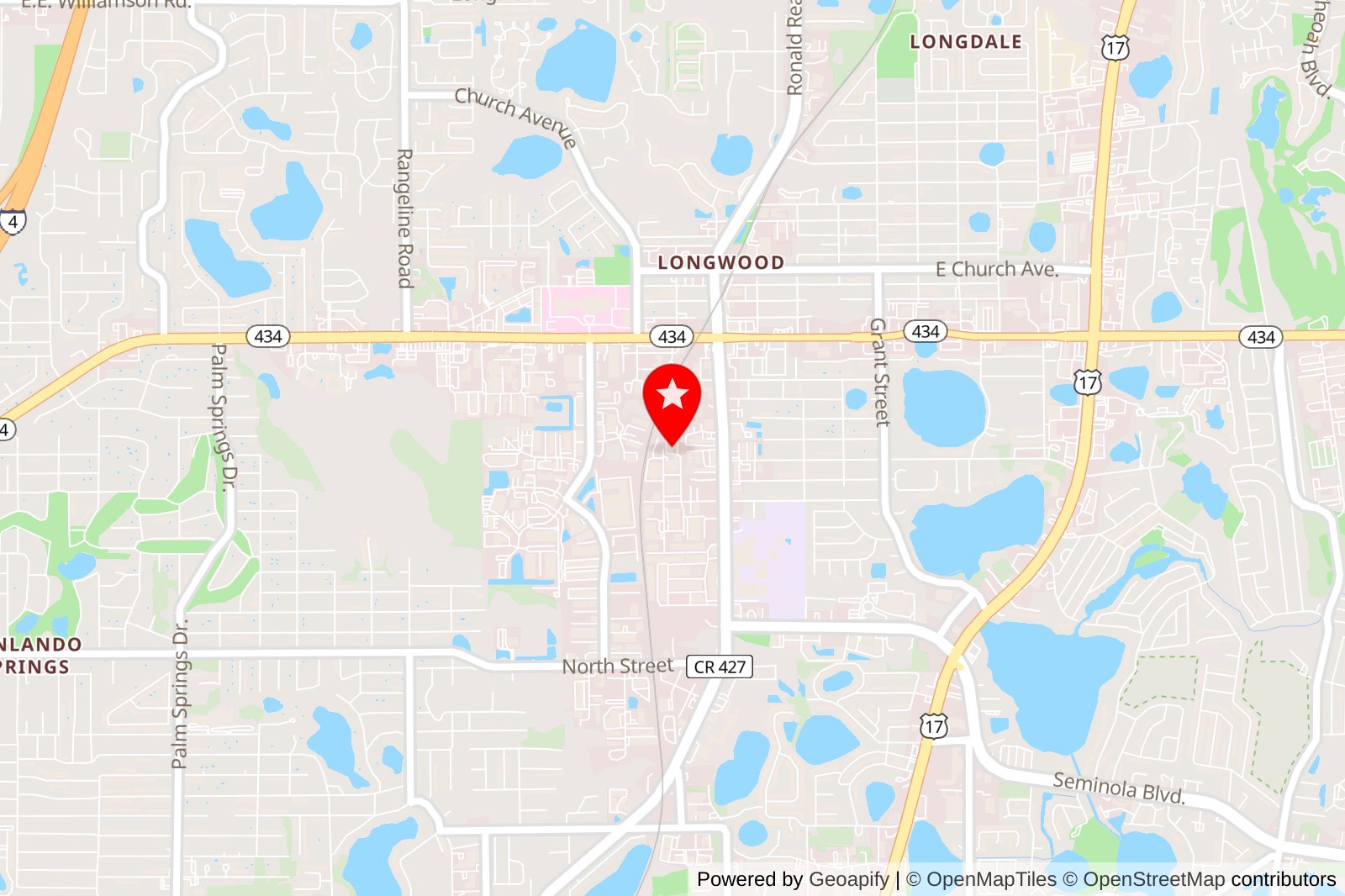
Location: 900 Recycling Point, Longwood, FL 32750
Contact: (407) 413-9660
Website: Visit Website
2) Movable Roots Custom Home Builder
I found that Movable Roots builds tiny homes on wheels that are fully custom and ready to travel wherever you want. Their homes work well for people who like to live off-grid or move across the country. They focus on making each home fit your style, space needs, and lifestyle.
They also offer park model RVs that are wider and have open layouts. These are good for season living, snowbird visits, or guests. Beyond homes, they create modular commercial units like food trucks, offices, or guest cabins tailored to your business needs.
Every build is made to meet Florida building codes and strong wind ratings, which is important in this area. They pride themselves on quality craftsmanship and treat every project like they are building for family. The company is family-owned and values smart designs and high-end finishes.
Rating: 4.8 (78 reviews)
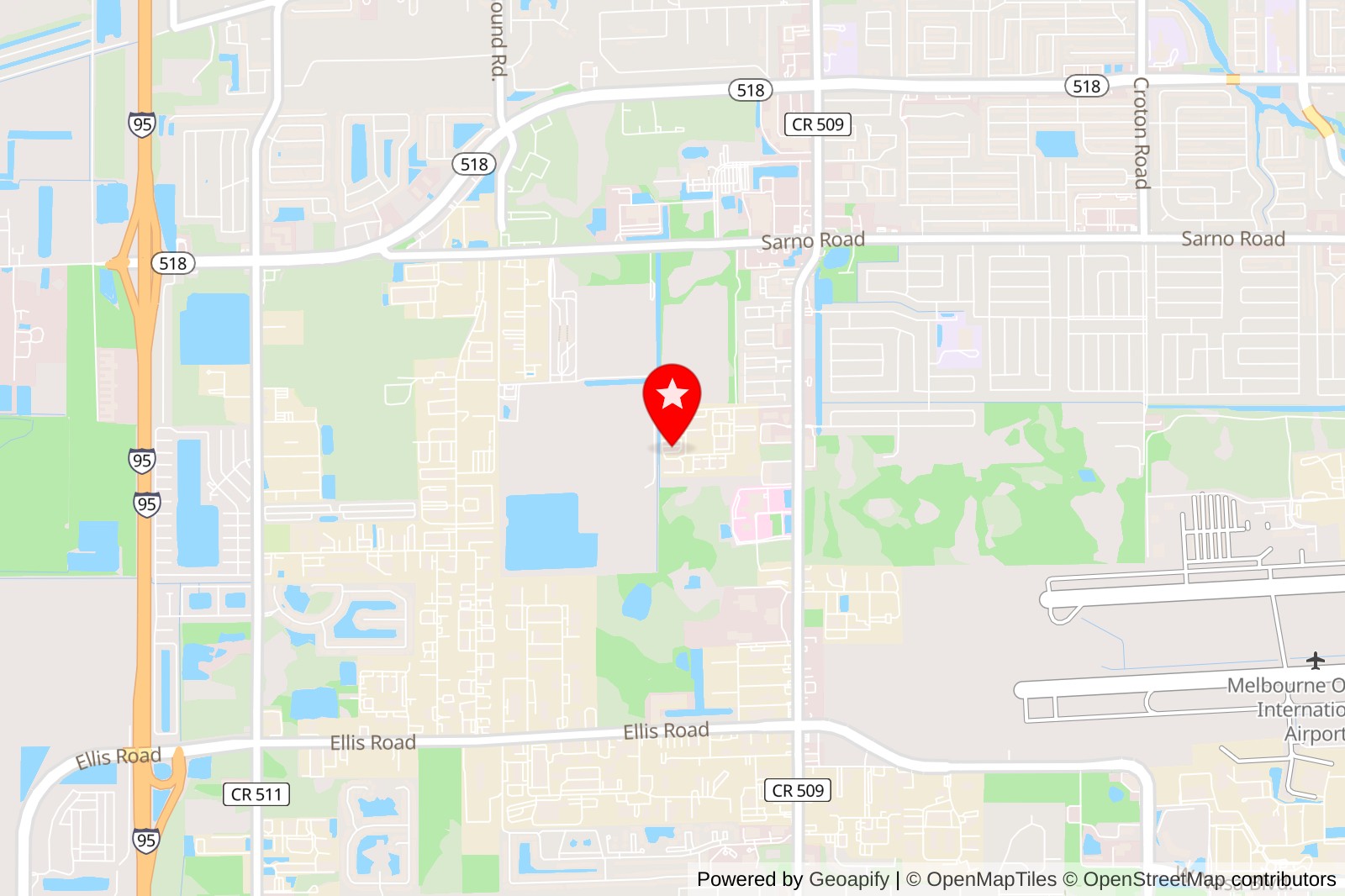
Location: 3163 Skyway Cir, Melbourne, FL 32934
Contact: (321) 600-4988
Website: Visit Website
3) Florida Tiny House Builders
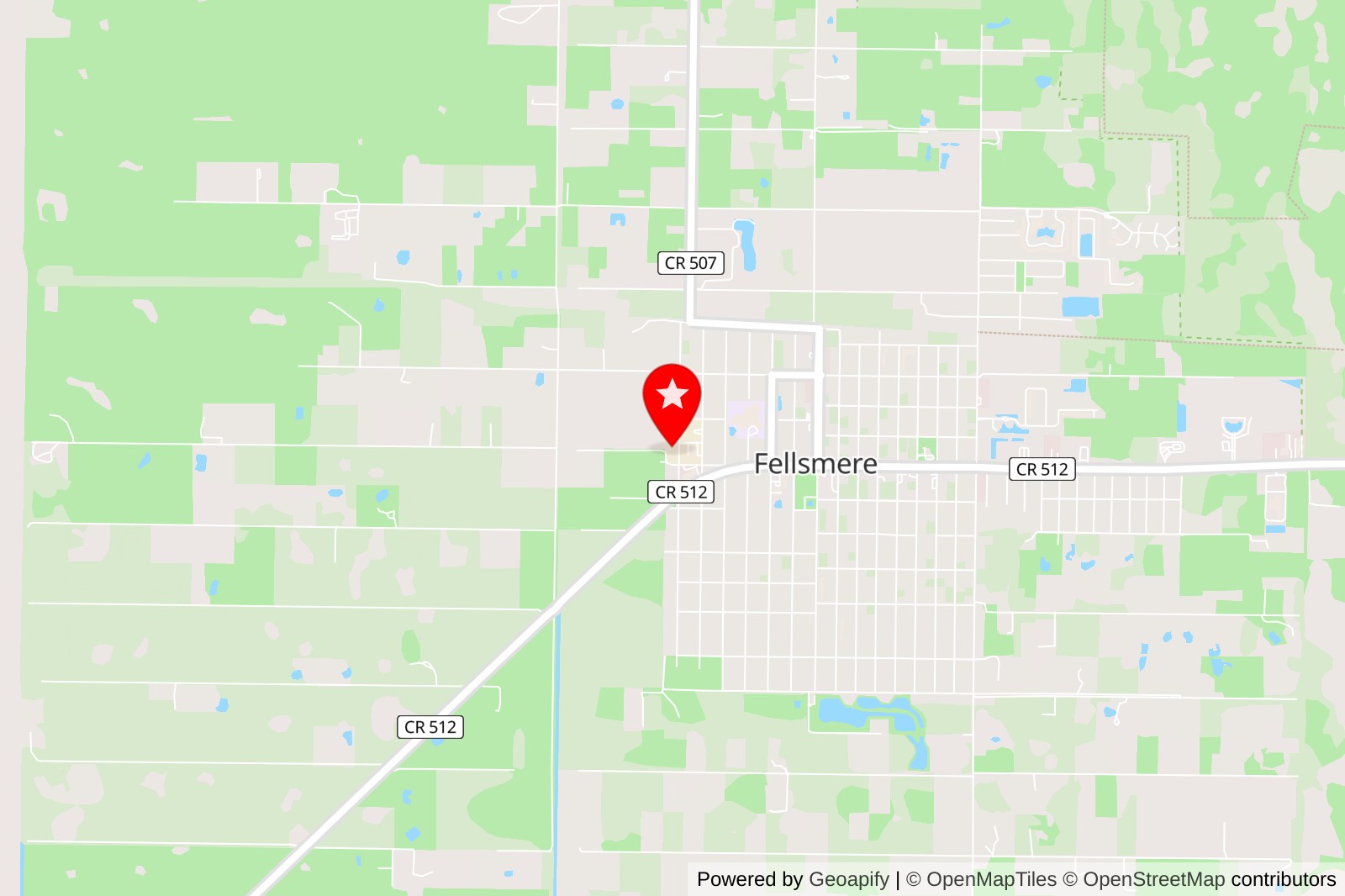
I found Florida Tiny House Builders in Fellsmere, Florida, a place known for its experience in creating custom tiny homes. They have over 75 years of combined construction knowledge. This helps them design and build tiny houses that fit what people want.
They build tiny houses on wheels, on foundations, and even container houses. They work closely with customers from the first idea to the finished house. Their homes are made with many features to match each person’s needs.
The company is easy to reach for most Floridians, being located near a large part of the population. They deliver homes across the country. Their tiny house plans are also certified by a third party, which means they meet certain standards.
This builder focuses on making tiny houses that are practical and customized. They understand the tiny home lifestyle and offer different styles to suit different people.
Rating: 3.7 (23 reviews)
Location: 10 N Myrtle St, Fellsmere, FL 32948
Contact: (561) 436-4700
Website: Visit Website
4) TINY HOMES BY DESIGN
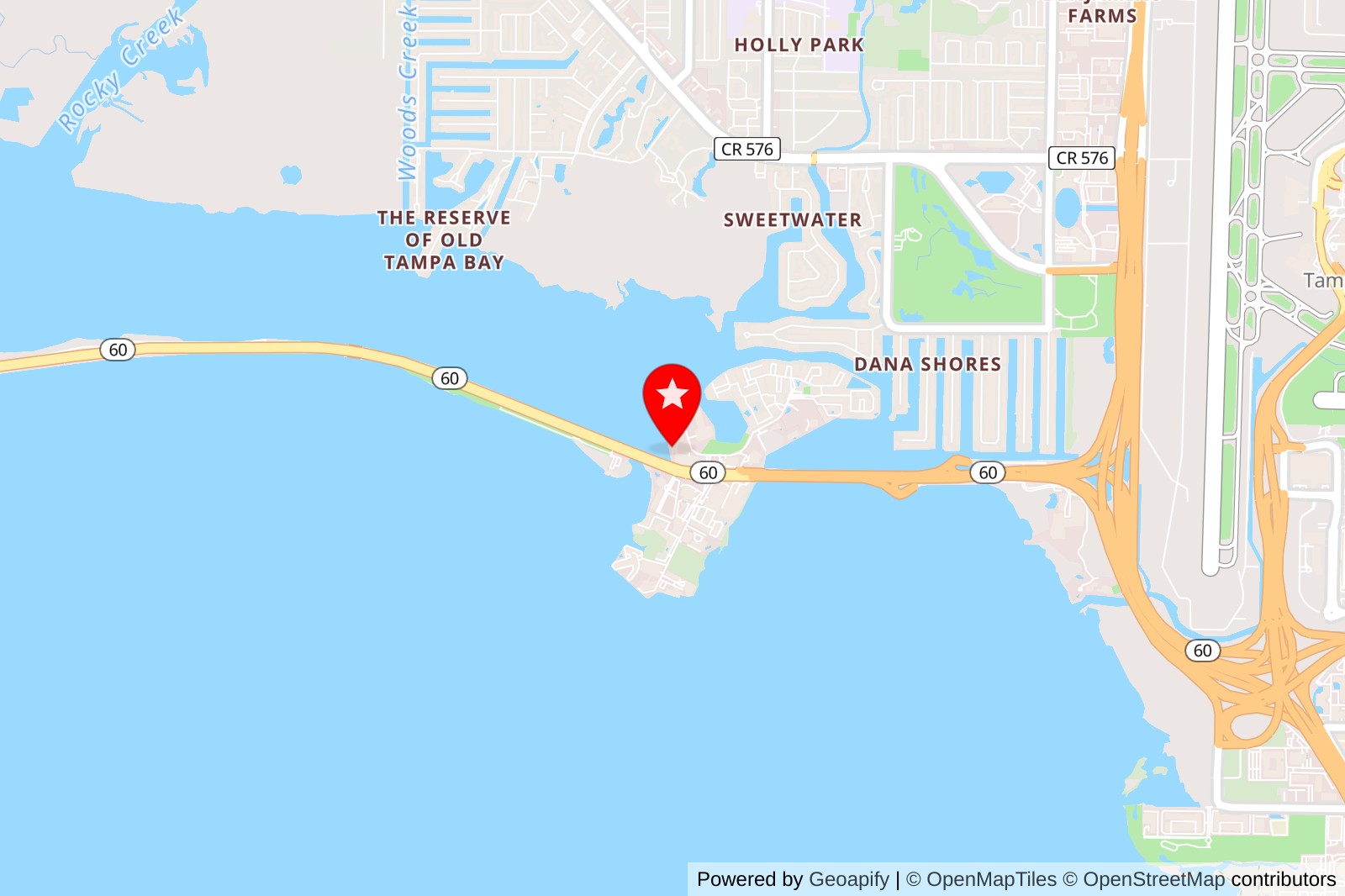
I work with Tiny Homes by Design to build custom tiny homes that stand up to Florida’s weather. Their homes use concrete and steel, making them hurricane resistant. These homes are built on-site and take about 6 to 8 months to complete.
The company also offers manufactured tiny homes called Capsule Tiny Homes. These are smart, futuristic designs on steel frames. They can be delivered within 3 to 4 months and are also built to handle harsh weather.
All their homes focus on modern style and luxury. I appreciate that they include open floor plans and high-end finishes. The homes come in different sizes from 432 to 1024 square feet, with options for one or two bedrooms.
Tiny Homes by Design lets me customize every detail. This way, the home fits my needs and budget. They also help find land or create all-in-one packages with the home and property.
Rating: 3.5 (19 reviews)
Location: 3030 N Rocky Point Dr, Tampa, FL 33607
Contact: (813) 564-2785
Website: Visit Website
5) Goshen Tiny Homes
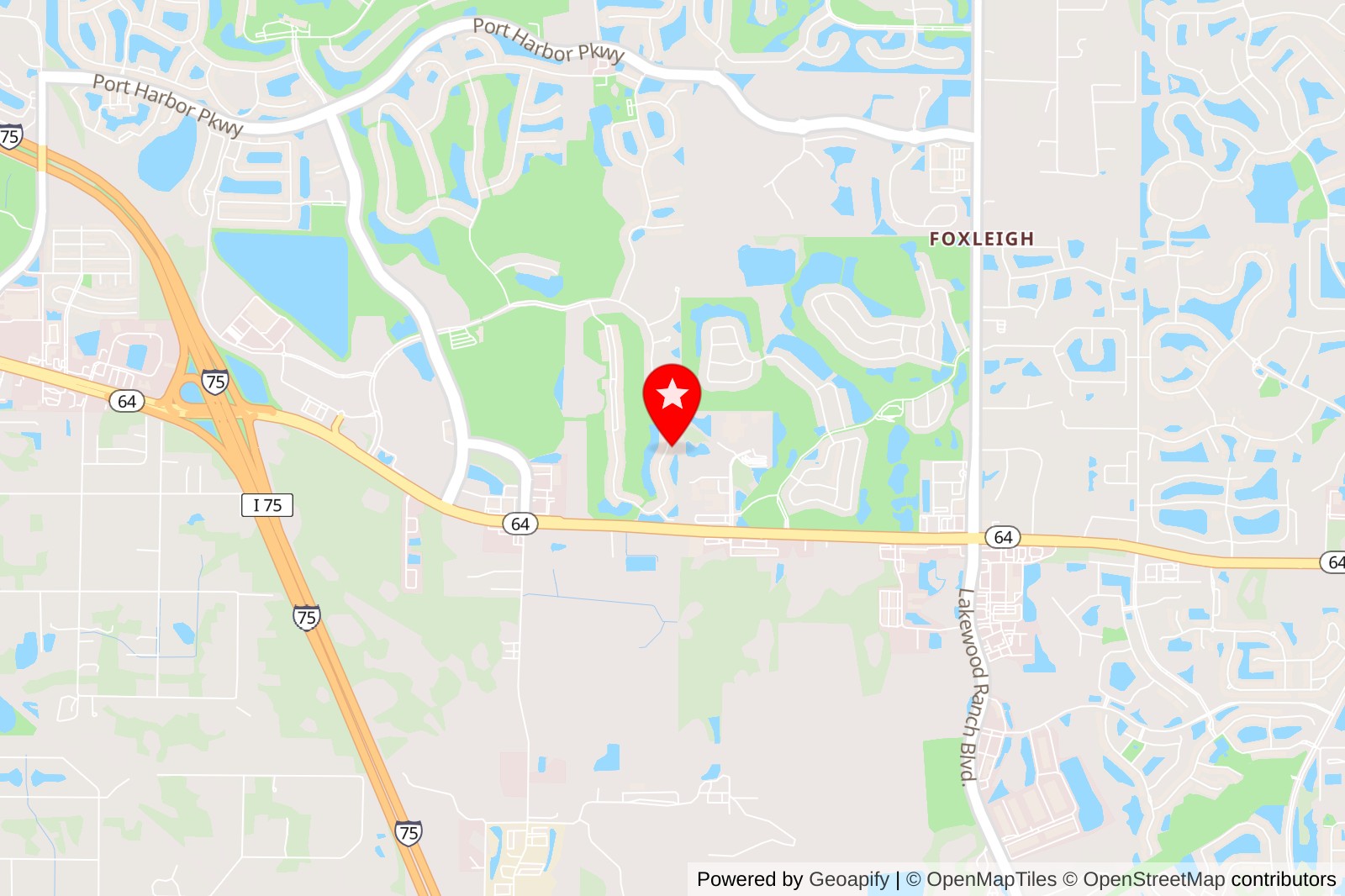
I found that Goshen Tiny Homes focuses on building accessory dwelling units (ADUs) and tiny homes on your property. They make the entire process simple, managing everything from design to permits and construction. This helps you avoid delays and keeps costs fixed.
They build ADUs that serve many uses like housing for aging parents, guest spaces, or rental units. I like that they build on-site using block construction, not prefab kits, which means the homes are durable and customizable.
Their homes come with modern features such as luxury vinyl flooring, stylish cabinets, and efficient appliances. You can pick from several floor plans or work with them to create a custom design that fits your needs. Most importantly, their timeline promises move-in ready homes in just a few months.
I appreciate their clear communication about costs and timelines. They also offer financing options and provide warranties for peace of mind during the building process.
Rating: 4.8 (20 reviews)
Location: 8785 Stone Harbour Loop, Bradenton, FL 34212
Contact: (813) 955-7846
Website: Visit Website
Building Requirements and Regulations in Florida
Building a tiny home in Florida means you must follow specific rules about where you can place your home and how it must be built. These rules cover zoning laws, permits, and construction standards set by both the state and local governments.
Zoning and Permitting
In Florida, zoning laws vary by county. Some counties allow tiny homes on residential lots, while others have strict limits on minimum house size or types of homes permitted. You will usually need to get a zoning approval before placing your tiny home on your land.
Permits are also mandatory. You must apply for building permits that confirm your tiny home meets local land use rules. If your tiny home is on wheels, you may also need to register it with the Florida DMV as a recreational vehicle. Failing to follow local zoning or permit rules can delay or block your project.
State and Local Building Codes
Florida follows the 2020 Florida Building Code with specific sections related to tiny homes. These include rules from the International Residential Code but with modifications for the state. Your tiny home must meet these codes to ensure safety and habitability.
The code regulates aspects like electrical work, plumbing, and structural strength. For tiny homes on foundations, full compliance with residential building codes is required. Mobile tiny homes face different rules but still must meet certain standards for utilities and construction quality. Always check both state and local building codes before starting your build.
Financing and Insurance for Tiny Homes
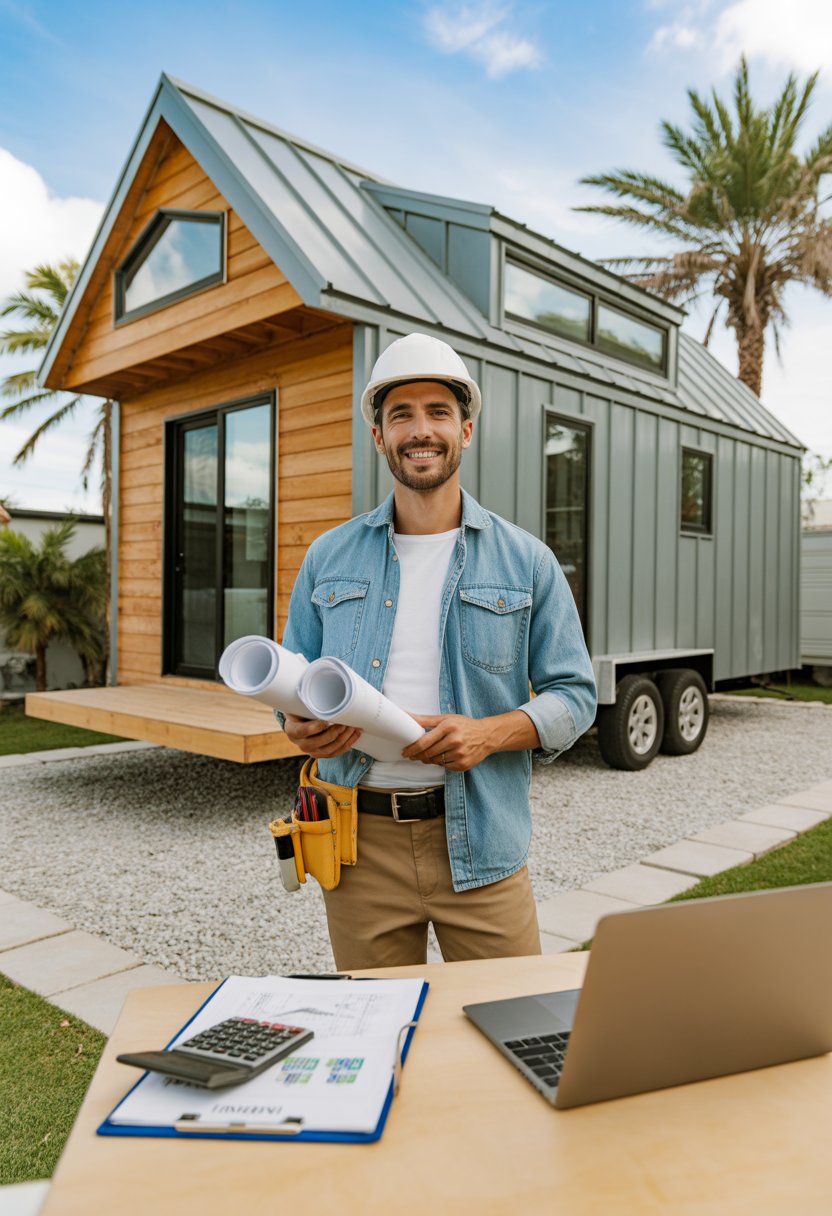
Financing a tiny home in Florida can be different from traditional home loans. Insurance also works in a special way because tiny homes often don’t fit into regular homeowner insurance. Understanding these details is key to planning your build and ownership.
Financing Options
I found that tiny home financing in Florida usually involves several loan types. Common choices are personal loans, RV loans, or builder financing plans. Some lenders offer flexible payment options tailored for tiny homes, which helps when cash flow is a concern.
Many tiny homes are financed through companies specializing in small or mobile homes. Since tiny homes may fall between traditional home and vehicle classifications, these lenders may look at credit score and income differently. If you want to build on land, some local banks might provide land loans but not always for the home itself.
Using a financing plan from the builder or working with organizations focused on affordable housing can make the process smoother. I advise checking if your tiny home qualifies for any special lending programs, especially if you are buying a custom or factory-built model.
Insurance Considerations
Insurance for tiny homes in Florida is often required for construction, towing, and parking. However, tiny homes can’t always get typical homeowner insurance because of their size and mobility.
Most tiny homes are insured either as an RV or a manufactured home. This type covers risks like damage during transport, storms, or accidents differently than traditional homes. I recommend working with insurance brokers who specialize in tiny homes to find the best coverage.
It’s also important to check local regulations, as insurance rules may vary depending on where you park or place your tiny home. Having proper insurance protects your investment and helps you meet legal requirements.
Frequently Asked Questions
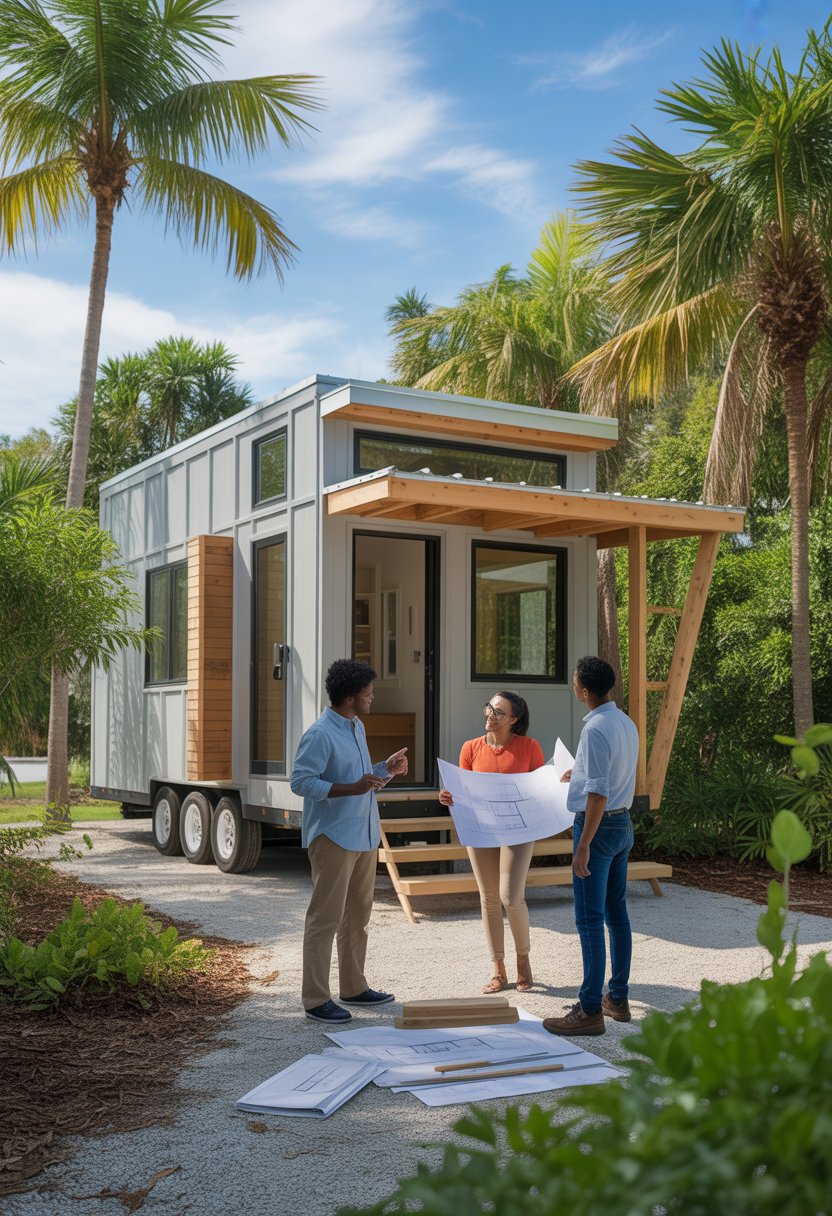
I’ll cover important details about rules, communities, building codes, and buying options for tiny homes in Florida. This will help you understand what to expect when planning your tiny house journey here.
What are the zoning regulations for tiny homes in Florida?
Zoning rules vary by county and city. Some places, like Ormond Beach, have clearer guidelines that allow tiny homes, while others have restrictions on where they can be placed.
It’s important to check local zoning codes before building or placing a tiny home. Some areas treat tiny homes as accessory dwelling units (ADUs), which might change what’s allowed.
Can you recommend reputable tiny home communities in Florida?
There are a few tiny home communities gaining attention. Cornerstone Tiny Homes and Goshen Tiny Homes often work with established communities.
The Petite Retreats Sunshine Key Tiny House Village is another example, offering a community focused on tiny living.
Are there differences in building codes for stationary versus mobile tiny homes in Florida?
Yes. Mobile tiny homes, often built on trailers, must meet RV or mobile home standards.
Stationary tiny homes generally comply with standard residential building codes, which can be stricter.
This affects design, permits, and where you can legally place your tiny home.
What options are available for purchasing prefab tiny homes in Florida?
Several builders offer prefab options, including Florida Tiny House Builders and TINY HOMES BY DESIGN.
These companies provide various styles, from modern farmhouses on wheels to custom designs. Delivery across the state is usually available, but costs can vary based on distance and home size.
How do I find tiny homes for sale by owner in Florida?
Websites like Craigslist, Facebook Marketplace, and local real estate listings often feature tiny homes for sale by owner.
You can also connect with tiny home builders directly, as sometimes they list pre-owned homes or customer resales.
Visiting tiny home communities in Florida may also give leads on private sales.
What should I consider when buying a used tiny house in Florida with land?
Check that the property zoning allows tiny homes and whether utilities are connected.
Inspect the home carefully for water damage, foundation issues, and compliance with local codes.
Also, confirm if the tiny home is on a permanent foundation or mobile, as this affects financing and insurance options.


