
Tiny Home Communities in Atlanta GA: A Guide to Finding Your Perfect Community
Tiny home communities in Atlanta, GA are available, but the real choices are fewer than many online lists suggest. Some communities are completed and resale-only, while others are proposed projects or broader small-home neighborhoods.
This guide separates operating communities from uncertain developments and explains ownership, availability, costs, and zoning. Community listings and fees can change quickly, so verify every detail before paying a deposit.
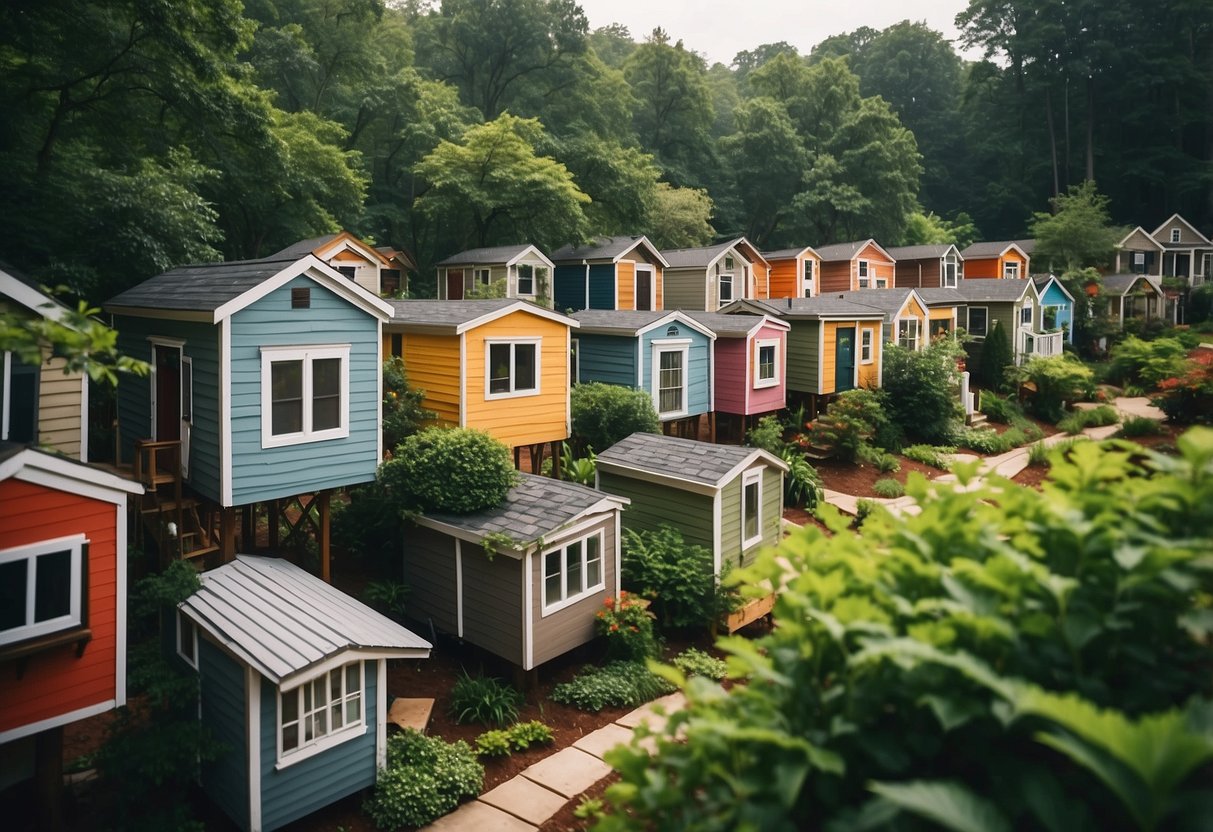
Are There Tiny Home Communities in Atlanta, GA?
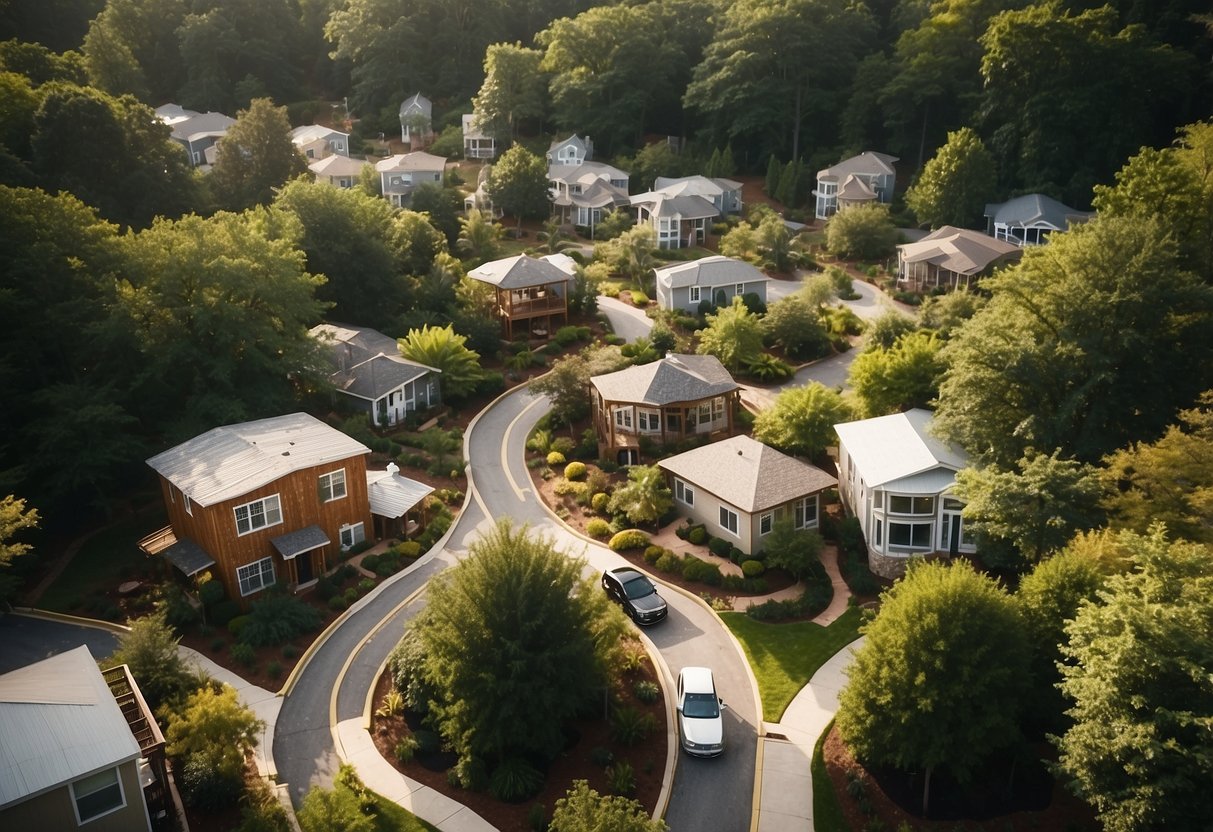
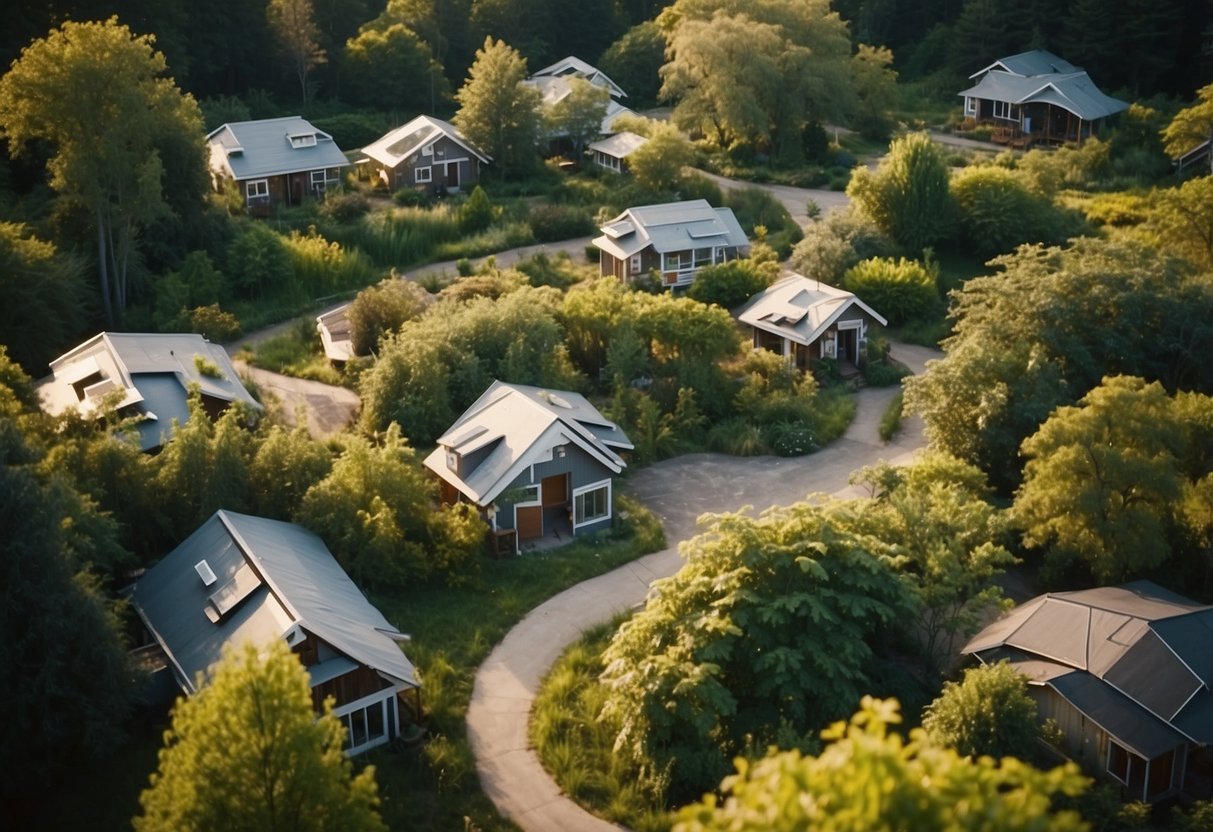
Tiny home communities in Atlanta, GA include Cottages on Vaughan in Clarkston and South Park Cottages in College Park. Little River Escape is a farther-away mountain option in Menlo, while East Point Cottages remains a proposed project rather than an operating community.
Most completed communities have limited new inventory, so buyers usually need to watch for individual resales. People who cannot find a community opening may need to compare small-home developments, leased-land communities, or a legal tiny home on private property.
Atlanta Tiny Home Community Snapshot
- Completed urban communities: Cottages on Vaughan and South Park Cottages.
- Mountain community with leased lots: Little River Escape in Menlo.
- Project to monitor: East Point Cottages, which is not currently an operating community.
- Availability reality: Many communities are sold out and only offer occasional resales.
- Before buying: Confirm zoning, land ownership, HOA or lot fees, financing, insurance, and resale rules in writing.
Table of Contents
Tiny Home Communities Near Atlanta Compared

The term “Atlanta” is used broadly in tiny-home listings. Some options are inside metro Atlanta, while Little River Escape is roughly a two-hour drive from the city.
| Community | Location | Typical Home Size | Ownership Model | Current Position |
|---|---|---|---|---|
| Cottages on Vaughan | Clarkston | One 350-sq.-ft. home and seven 500-sq.-ft. cottages | Individual cottage ownership with shared community space | Completed; watch for individual resales |
| South Park Cottages | College Park | Approximately 400–650 sq. ft., depending on the home | Individual ownership within a managed community | Completed; check current resale listings |
| Little River Escape | Menlo on Lookout Mountain | Park-model and small-cabin layouts vary | Resident owns the home and leases the lot | Sold out for new placements; selected resales may be available |
| East Point Cottages | East Point | Proposed plans ranged from about 500–1,000 sq. ft. | Proposed owner-occupied cottage community | Not operating; development status remains uncertain |
| Serenbe and Trilith | Southwest and south of Atlanta | Mostly larger cottages and small homes | Traditional home and property ownership varies | Small-home alternatives, not dedicated tiny-home communities |
Availability shown here is a status guide, not a guarantee that a specific home is for sale. Contact the community or a licensed local real-estate professional before planning a visit.
Cottages on Vaughan in Clarkston
Cottages on Vaughan is a completed pocket neighborhood developed by the MicroLife Institute near downtown Clarkston. The half-acre site contains eight cottages arranged around a shared central green.
The official site plan identifies seven 500-square-foot one-bedroom cottages and one 350-square-foot tiny home. Shared features include a single parking area, edible landscaping, gathering space, and connected walking paths.
The community is important because it demonstrated how a small cottage-court development could fit into an established metro-Atlanta neighborhood. However, it is not a large development with regularly available inventory.
The original homes sold out, so a buyer normally must wait for an owner to list an individual property. Check the address, HOA documents, current fees, inspection history, and resale restrictions before making an offer.
South Park Cottages in College Park
South Park Cottages is a completed micro-home neighborhood in College Park, south of central Atlanta. It is widely recognized as the first Black-developed micro-home community in the United States.
The neighborhood includes modern small homes with full kitchens, laundry facilities, private outdoor areas, and shared community features. Individual floor plans and square footage vary, so buyers should rely on the specifications in the current listing rather than an older promotional page.
New-construction inventory is generally not available, but individual resales may appear. Confirm the sale price, HOA obligations, parking, property boundaries, rental rules, warranty coverage, and any community assessments.
Public reporting has also documented construction and maintenance complaints from some residents. A prospective buyer should obtain an independent inspection and review repair records, insurance claims, meeting minutes, and seller disclosures before closing.
Due-Diligence Note
A community’s popularity does not replace a professional inspection. For any resale, check the roof, drainage, insulation, plumbing, electrical system, HVAC performance, decks, foundations, and signs of moisture.
Little River Escape in Menlo
Little River Escape is a 50-acre gated tiny-home community on Lookout Mountain in Menlo, Georgia. It is a mountain community rather than an Atlanta neighborhood, and the drive from Atlanta is roughly two hours depending on traffic.
Residents own their tiny home but lease the lot beneath it. This corrects a common misconception that purchasing a home there automatically includes ownership of the land.
The official community information lists renewable lot leases with monthly rates of $395, $450, or $525 based on location. The lease includes water, septic service, garbage collection, landscape upkeep, and access to common amenities.
As of August 2026, the community says it is sold out for new placements but advertises selected resales. Current examples include homes listed around $98,900 and $178,000, although prices and availability can change without notice.
Amenities include a pool and pool house, fitness room, dog park, community garden, walking trails, river access, paddling equipment, and shared gathering areas. Short-term rental participation is restricted, so buyers should not assume they can operate an Airbnb.
For more mountain options, compare our guide to tiny home communities in the Georgia mountains. Always confirm whether a property uses fee-simple ownership, a long-term ground lease, or an RV-style site agreement.
East Point Cottages: Proposed, Not Operating
East Point Cottages began as the Eco Cottages at East Point concept on more than seven acres near historic downtown East Point. Plans called for approximately 40 cottages, green space, a community garden, and access to nearby trails and MARTA.
The project should not currently be presented as an established community where buyers can move in. In January 2026, Urbanize Atlanta reported that the land and development plans had returned to the market after a prospective buyer could not complete financing.
The site had been rezoned for a Community Unit Plan that could accommodate 40 cottages, but zoning approval does not mean the homes were constructed. Treat old presale prices, floor plans, reservation campaigns, and completion dates as historical unless a current developer confirms them.
Before paying any reservation fee, verify the developer’s ownership or purchase contract, financing, permits, construction schedule, escrow terms, and refund policy. Ask for written proof instead of relying on an older article or social-media announcement.
Small-Home Alternatives Near Atlanta
Serenbe in Chattahoochee Hills is a large wellness-focused community with cottages, townhomes, estate homes, and some smaller residences. It is not a dedicated tiny-home village, so compare the actual listing size, price, HOA, and property type.
Trilith in Fayetteville, formerly associated with the Pinewood Forest name, is another walkable master-planned community with cottages and compact homes. Its properties are generally larger and more expensive than a traditional tiny home.
These developments may suit buyers who want a small, efficient home in a planned neighborhood but do not require a home below 400 square feet. They should be labeled as small-home alternatives rather than mixed into a list of true tiny-home communities.
If you prefer private land, review local zoning first and then compare tiny home builders in Atlanta. A builder cannot guarantee that a city or county will approve a home on a particular parcel.
How Much Does Tiny-Home Community Living Cost?
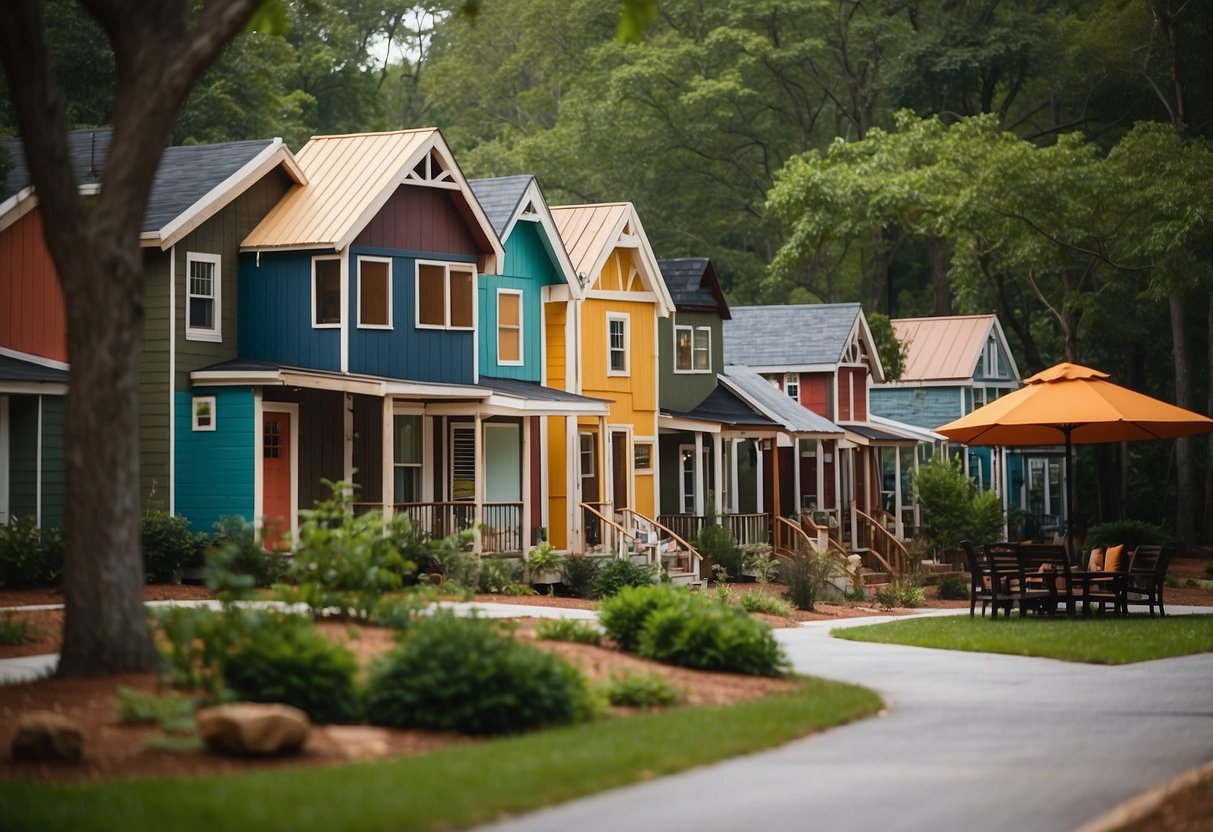
There is no single Atlanta tiny-home price because the communities use different ownership models. A completed cottage resale, a park-model home on leased land, and a proposed new development involve very different costs.
Little River Escape currently provides the clearest published example: advertised resales plus monthly lot rent. Cottages on Vaughan and South Park Cottages depend on individual resale listings, while East Point Cottages does not currently provide operating-community inventory.
Costs to Compare Before Buying
- Purchase price of the home
- Land price or recurring lot lease
- HOA dues and special assessments
- Site preparation, foundation, delivery, and utility connections
- Property taxes or personal-property taxes
- Homeowners, modular-home, or RV insurance
- Water, sewer, septic, electricity, internet, and garbage fees
- Financing costs and lender requirements
- Maintenance of shared roads, landscaping, amenities, and drainage
- Resale commissions, transfer fees, and community approval costs
Ask for a written fee sheet and at least two years of HOA or community financial records where available. A low purchase price can become expensive when lot rent, utilities, assessments, and specialized insurance are added.
Ownership Models You May Encounter
Home and Land Ownership
With traditional fee-simple ownership, you own the home and the parcel beneath it. This model can be easier to understand, but financing and insurance still depend on the home’s construction classification and appraisal.
Community or Condominium Ownership
Some cottage communities combine individual ownership with shared land or common-area obligations. Read the declaration, bylaws, budget, reserve study, rental restrictions, pet rules, parking rules, and maintenance responsibilities.
Home Ownership With a Leased Lot
In a leased-land community, you own the structure but pay to use the site. Review the lease term, renewal language, rent-increase rules, services included, removal costs, resale approval, and what happens if the community is sold.
Tiny Home on Wheels or Park Model
A tiny home on wheels or park model may be treated differently from a site-built residence. Its legal placement, financing, insurance, and full-time occupancy rules can depend on RV standards and the local zoning code.
Atlanta Tiny-Home Zoning and Permit Basics
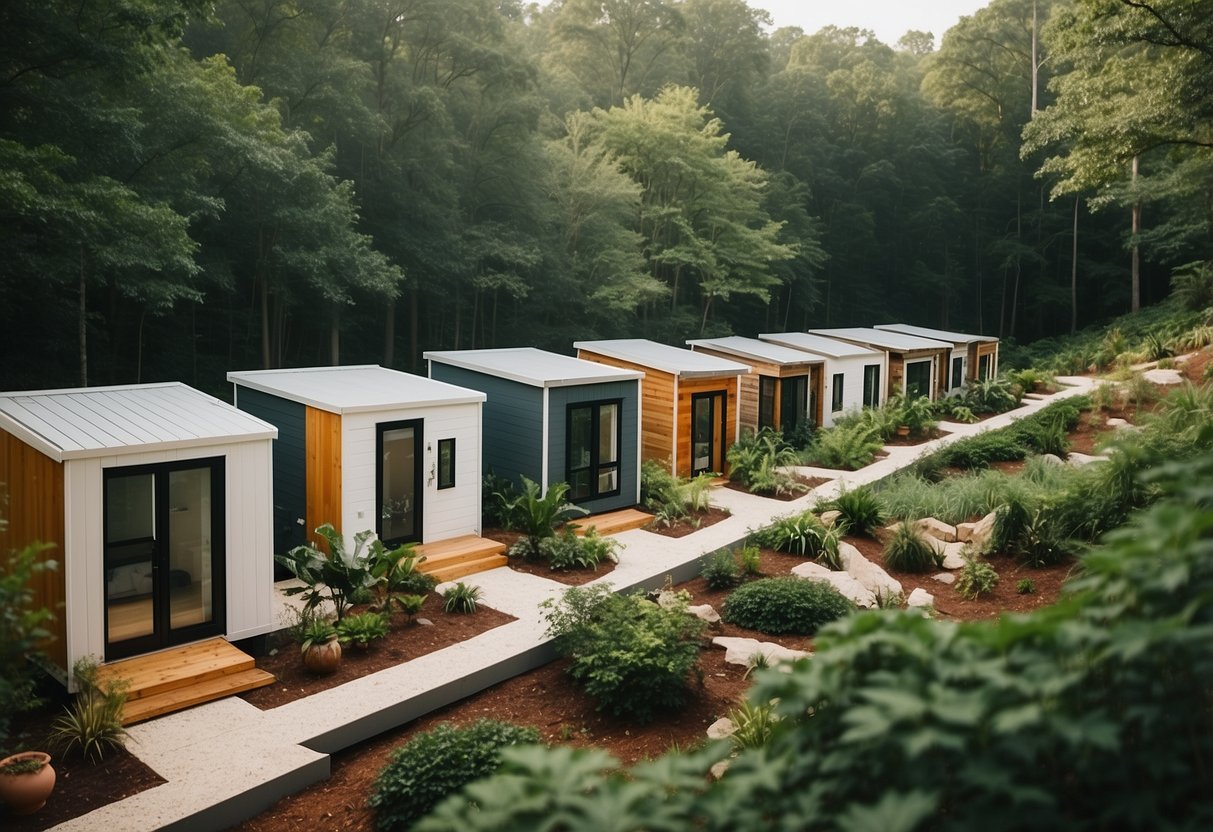
Georgia does not provide one universal placement rule for every tiny home. The Georgia Department of Community Affairs explains that zoning requirements vary by local jurisdiction and may regulate land use, foundation type, building size, lot size, height, width, and location.
Georgia’s tiny-house construction appendix addresses issues such as lofts, stairs, headroom, and emergency escape, but local adoption and zoning approval still matter. A structure that meets a construction code is not automatically permitted on every parcel.
Inside the City of Atlanta, the Department of City Planning administers zoning, building approvals, permits, inspections, and code enforcement. Requirements depend on the property, zoning district, proposed use, and construction type.
Verify These Items With the Local Authority
- Whether the structure is site-built, modular, manufactured, a park model, or an RV
- Whether it will be the primary dwelling, an accessory dwelling unit, or a temporary vehicle
- Minimum dwelling size, lot size, setbacks, height, and parking
- Permanent-foundation and anchoring requirements
- Water, sewer, septic, electrical, and utility approvals
- Building permits, plan review, inspections, and certificates of occupancy
- Rules for full-time occupancy and short-term or long-term rentals
Important Zoning Warning
Do not buy a tiny home or land based only on a seller’s statement that the property is “tiny-home friendly.” Get written confirmation from the planning or zoning authority responsible for the exact address.
How to Choose a Tiny-Home Community
Start by deciding whether you want an urban neighborhood, a mountain setting, a traditional deeded property, or a lower-entry-cost leased lot. Your ownership preference will narrow the options more effectively than square footage alone.
Community Verification Checklist
- Confirm that the development is completed and legally operating
- Verify whether a specific home or lot is actually available
- Ask whether you own the land, share it, or lease it
- Request all HOA documents, leases, budgets, rules, and current fees
- Confirm full-time occupancy, rental, pet, parking, and guest policies
- Obtain financing and insurance approval before paying a nonrefundable deposit
- Hire an independent inspector who understands the home’s construction type
- Review drainage, utilities, roads, emergency access, and maintenance responsibilities
- Check permits and certificates of occupancy with the local government
- Get reservation, construction, cancellation, and refund terms in writing
A legitimate community should clearly explain its legal status, ownership model, fees, utilities, and move-in requirements. Pressure to pay before receiving those documents is a reason to slow down.
For a broader comparison, see our guide to tiny home communities in Georgia. Older adults can also compare accessibility and ownership considerations in our guide to tiny home communities for seniors.
Frequently Asked Questions
What are the best-known tiny-home communities near Atlanta?
Cottages on Vaughan in Clarkston and South Park Cottages in College Park are the best-known completed micro-home communities in metro Atlanta. Little River Escape is a farther-away mountain community in Menlo with leased lots and occasional resales.
Are any Atlanta tiny-home communities currently accepting buyers?
Most completed communities do not have regular new-home inventory. Buyers should monitor individual resales, while Little River Escape currently advertises selected resale homes even though the community is sold out for new placements.
Can I rent a tiny home in an Atlanta community?
Rental availability is limited and depends on each community’s HOA or lease rules. Little River Escape restricts rental participation, and buyers should never assume short-term rentals are allowed.
Are tiny homes legal in Atlanta?
A tiny home may be legal when its construction, use, parcel, utilities, and placement comply with the applicable zoning and building requirements. Approval is address-specific, so contact the City of Atlanta or the relevant county or municipality before buying or building.
Where is Little River Escape located?
Little River Escape is located at Lookout Mountain in Menlo, Georgia, not Canton and not Mentone, Alabama. It is roughly two hours from Atlanta, so it is best described as a North Georgia mountain option.
Is Serenbe a tiny-home community?
Serenbe includes cottages and smaller residences, but it is not a dedicated tiny-home community. It is better classified as a master-planned small-home alternative near Atlanta.
Is East Point Cottages open?
East Point Cottages should currently be treated as a proposed development, not an operating community. The property and plans returned to the market in 2026, so buyers should verify any new developer announcement directly.
Final Thoughts
Tiny home communities near Atlanta exist, but limited inventory and different ownership models make careful research essential. Cottages on Vaughan and South Park Cottages are completed urban examples, while Little River Escape offers mountain living on leased land.
East Point Cottages remains uncertain, and communities such as Serenbe and Trilith are small-home alternatives rather than true tiny-home villages. Verify current availability, legal status, fees, inspections, and zoning before committing money.
If Atlanta does not offer the right fit, compare tiny home communities across the United States to understand how ownership and availability differ by region.


