7 Small Prefab Cabins Ideas for Sustainable Living: Embrace Eco-Friendly Design
Small prefab cabins offer a great way to pursue sustainable living. These compact homes can be designed to fit various lifestyles and budgets, proving that eco-friendly choices don’t have to be complicated. By choosing a prefab cabin, individuals can embrace minimalism while enjoying the benefits of a well-designed space.
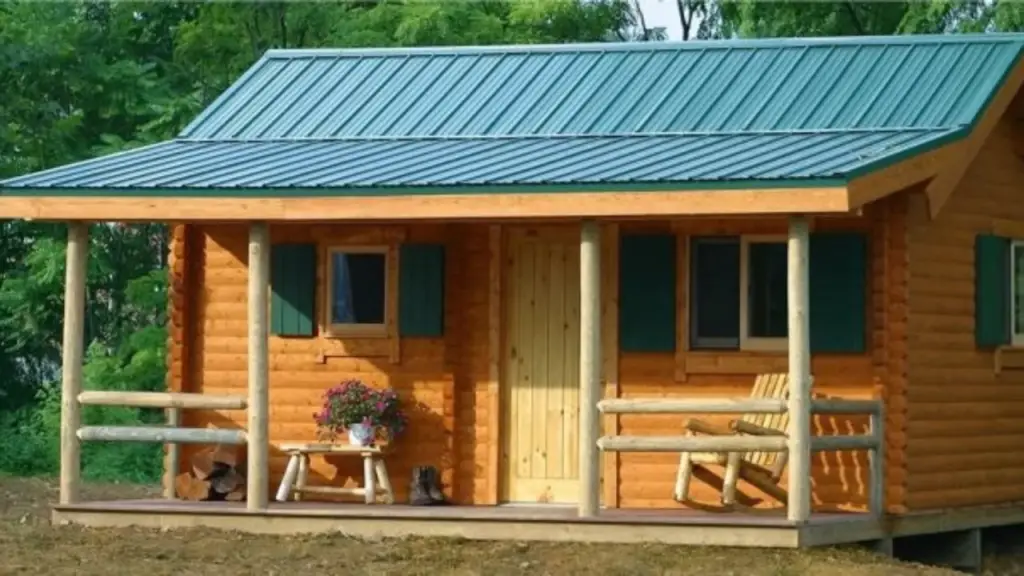

Many people are looking for ways to reduce their environmental impact while still enjoying modern comforts. Prefab cabins are often built with sustainable materials and energy-efficient features. This makes them an appealing option for those seeking to live in harmony with nature.
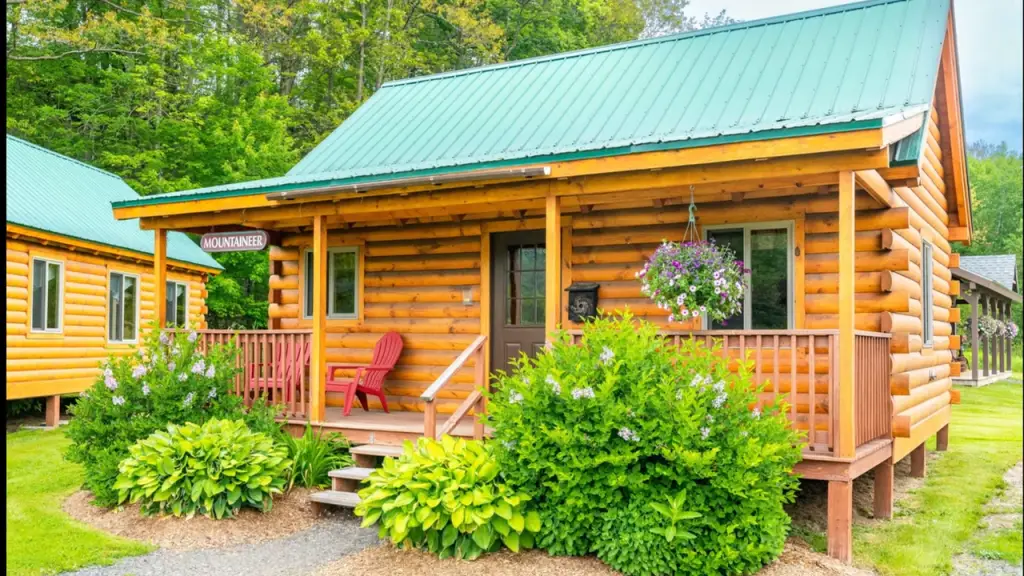
Small Cabins You Can DIY or Buy on Budget
Many people are looking for affordable options for small cabins. There are options out there that are budget-friendly and easy to obtain. Here are some ideas:
- DIY Cabin Kits: These kits come with all the materials needed to build a cabin. They are often less expensive than buying a pre-built cabin and can be customized to fit personal tastes. Many start at around $300.
- Mobile Cabins: These cabins are designed to be portable and can often be found at lower prices. They offer flexibility for living arrangements and can be moved as needed.
- Prefab Options: Prefabricated cabins are built off-site and shipped to the buyer’s location. This option can save time and money. For instance, many affordable small prefab cabins are available to explore.
- A-Frame Cabins: A-frame cabins often use less material and are simpler to build. Their unique shape allows for a cozy living space.
- Tiny House Movement: This trend promotes living in smaller spaces with less cost. Tiny houses can be purchased or built by individuals looking to simplify.
Each option presents a chance to own a cabin without exceeding a budget. With a bit of research, anyone can find the right solution for their needs.
Cabin DIY Plan, 22’x26’, Perfect for Remote Living
The 22’x26’ cabin plan is designed for those seeking a cozy retreat away from the hustle and bustle of everyday life. This plan emphasizes efficient use of space while providing comfort and functionality.
This cabin features:
- Welcoming front porch: Perfect for relaxing and enjoying nature.
- Charming loft space: Offers additional sleeping or storage areas.
The design is suitable for various skill levels. Whether a novice or an experienced builder, this plan provides clear instructions. It focuses on accessible construction techniques that simplify the building process.
Key benefits of this DIY plan include:
- Cost-effective: A budget-friendly option for sustainable living.
- Customizable layout: Homeowners can adapt the design to fit personal preferences.
This plan encourages off-grid living. The layout allows for the integration of solar panels and rainwater harvesting systems. This way, homeowners can minimize their environmental footprint.
For those looking to create a peaceful getaway, this Cabin DIY Plan serves as an ideal starting point. It combines the charm of a rustic cabin with the practicality needed for modern, sustainable living.
Low Cost Prefab Cabin Ideas
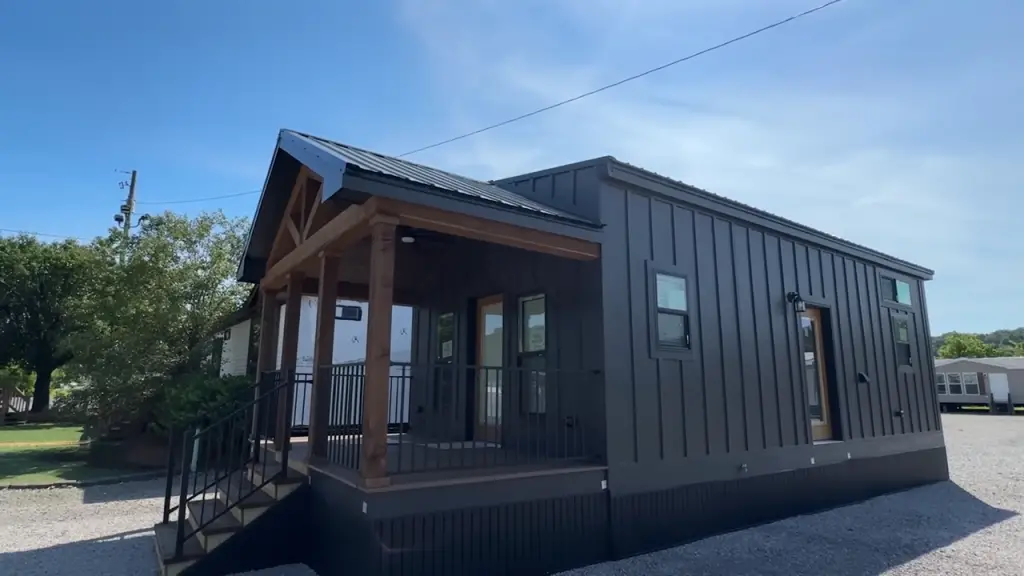
Small prefab cabins can offer a budget-friendly living solution. Here are some ideas for low-cost options:
- Micro Cabins: Ranging from 200 to 400 square feet, these cabins focus on simplicity and function. They often feature one main room and a small kitchen or bathroom.
- A-Frame Cabins: This classic design is easy to build and provides good ventilation. The slanted roof allows for snow runoff, making it ideal for snowy regions.
- DIY Kits: Many companies offer cabin kits that include all necessary materials. This option allows homeowners to save on labor costs by doing the assembly themselves.
- Mobile Cabins: Portable cabins can be moved to different locations. They usually have lower costs due to their smaller size and fewer permanent installations.
- Prefab Modular Homes: These homes can be customized and built off-site, which reduces construction time and costs. They often come with energy-efficient features.
- Recycled Materials: Using reclaimed wood or other materials can cut costs significantly. This approach is also environmentally friendly.
- Minimalist Designs: Focusing on essential features can reduce expenses. By limiting space and avoiding unnecessary additions, homeowners can create a cozy yet functional living area.
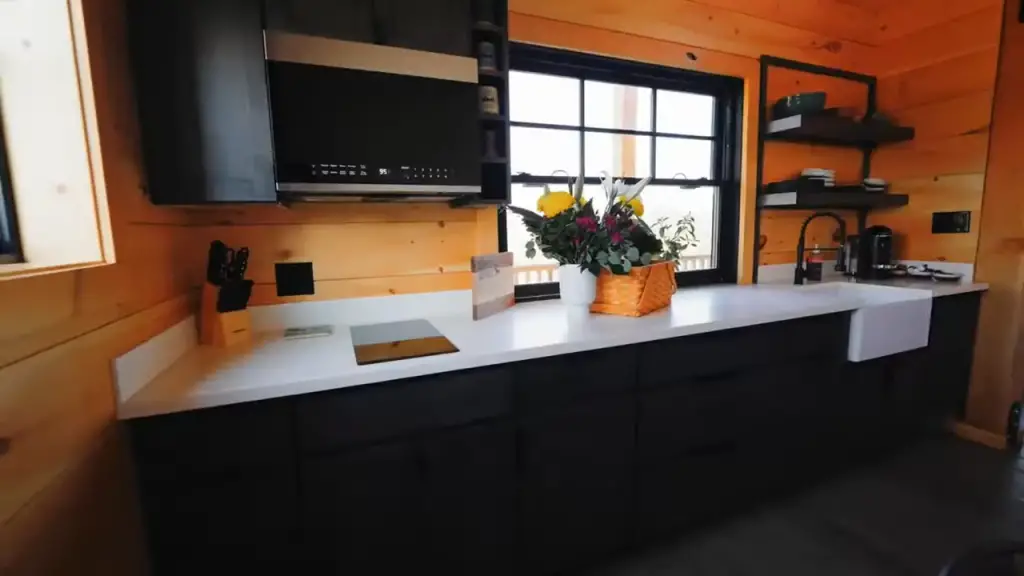
These low-cost prefab cabin ideas provide innovative solutions for sustainable living while being budget-conscious. More details can be found in articles about small cabins and modern prefab cabins.
Modern & Traditional Prefab Cabin Ideas
Prefab cabins come in various styles, blending modern and traditional designs. This variety allows homeowners to choose based on personal taste and sustainability goals.
Modern Prefab Cabins showcase sleek lines and innovative materials. They often feature large windows for natural light and open floor plans. Sustainable materials are common, such as recycled steel and eco-friendly insulation.
- Example: A two-story cabin with a green roof that complements its natural surroundings.
Traditional Prefab Cabins focus on cozy, rustic designs. They often use wood as the primary material, emphasizing craftsmanship. These cabins might include porches and pitched roofs.
- Example: A log cabin with a stone fireplace and wooden beams, providing warmth and charm.
Many prefabs combine both styles. For instance, a cabin might have modern amenities but retain a traditional wooden exterior.
- Example: A hybrid structure with a glass front and wooden sides, bridging both worlds.
Homeowners can customize these spaces to reflect their lifestyle while promoting sustainability. Whether one prefers a minimalist approach or a classic aesthetic, there is a prefab cabin design to meet every need.
Choosing the right cabin type can add value while being environmentally friendly.
7 Best Prefab Cabins Ideas
Prefab cabins are perfect for sustainable living. Here are seven great options to consider:
- Modern Tiny Home
These cabins often have sleek designs and eco-friendly features. They can be less than 400 square feet, perfect for minimalist living. - Log Cabin on Wheels
Ideal for those who love mobility, these cabins offer a unique living experience. They combine rustic charm with modern amenities. - ADU (Accessory Dwelling Unit)
Adding a small prefab cabin to an existing property can provide extra living space. This option is great for guests or as a rental unit. - Eco-Friendly Cabin
Many prefab cabins use sustainable materials. These homes can be designed with solar panels and rainwater systems to minimize environmental impact. - Compact Family Cabin
These designs focus on maximizing small spaces for families. Functional furniture and smart layouts make them comfortable for everyone. - Off-Grid Retreat
Some cabins are designed for remote living. They have features like composting toilets and solar power systems for a truly self-sufficient lifestyle. - Container Cabin
Using shipping containers as cabins is a smart, sustainable choice. They are durable, affordable, and customizable, offering unique designs.
Each of these prefab cabin ideas offers a different approach to sustainable living, making it easier for anyone to find a suitable option.
1) Explore A-frame Tiny Cabins for Minimalist Living
A-frame tiny cabins offer a unique approach to minimalist living. Their sloping roofs and open interiors create a cozy atmosphere. This design maximizes natural light, making small spaces feel larger.
These cabins can be easily customized with sustainable materials. Many options are available, allowing for energy-efficient features. A-frame cabins not only provide shelter but also blend seamlessly into nature. They encourage a simpler lifestyle focused on essentials.
2) Consider Modular Cabins with Solar Panels for Off-grid Homes
Modular cabins are a smart choice for those seeking off-grid living. They can be easily customized and built to fit various needs.
Adding solar panels makes these cabins even more sustainable. The panels provide renewable energy for daily use.
This combination not only reduces utility costs but also minimizes environmental impact. Many modular cabin designs incorporate energy-efficient systems as standard features.
3) Discover Flat-pack Cabins for Quick Assembly
Flat-pack cabins offer a fast way to create a cozy space. These kits come with pre-cut materials, making assembly straightforward.
Many people enjoy the DIY aspect of building their own cabins. This hands-on approach allows for customization and personal touches.
Flat-pack options are often sustainable, using eco-friendly materials. They fit well into the movement toward minimal and green living.
4) Utilize Turnkey Prefab Cabins for Instant Move-in
Turnkey prefab cabins offer a quick solution for those looking to settle in a new space without delays. These cabins come fully equipped with everything needed for immediate living.
Buyers can enjoy a hassle-free experience as these units are ready to use upon delivery. This option suits individuals who prioritize convenience and want to start their sustainable living journey right away.
5) Optimize Space with Cozy Backyard Prefab Homes
Backyard prefab homes offer a practical solution for maximizing space. They can serve as guest houses, home offices, or rental units.
These small structures are designed for efficient use of every inch. They often feature smart storage solutions and multifunctional spaces.
By placing a cozy prefab home in the backyard, families can create a private retreat while maintaining a minimalist lifestyle. This approach promotes sustainable living without sacrificing comfort or style.
6) Embrace Prefab Kits for DIY Enthusiasts
Prefab kits are a perfect option for DIY enthusiasts seeking to build their own small cabins. These kits come with all the necessary materials and instructions to create a sturdy and stylish cabin.
Building a prefab cabin allows individuals to customize their space while enjoying the satisfaction of hands-on work. Many kits are designed for quick assembly, making the process both fun and rewarding. Perfect for those looking to blend sustainable living with personal creativity.
7) Implement SIP-based Prefab Cabins for Energy Efficiency
SIP-based prefab cabins are a smart choice for sustainable living. They use structural insulated panels (SIPs) that provide excellent insulation. This helps reduce energy costs by keeping indoor temperatures stable.
These cabins require less energy to heat and cool compared to traditional cabins. This design makes them environmentally friendly and more efficient. Their airtight construction can significantly lower energy consumption, making them a top option for those focused on sustainability.
Benefits of Prefab Cabins
Prefab cabins offer significant advantages in terms of environmental impact and cost efficiency. Their design and construction methods make them appealing options for sustainable living.
Environmental Impact
Prefab cabins generate less waste during production compared to traditional building methods. They are built in a controlled factory setting, which streamlines the construction process and minimizes excess materials.
This leads to reduced environmental footprint, as less debris is sent to landfills. Additionally, many prefab cabins are made from sustainable materials. For example, manufacturers often use certified wood, which comes from responsibly managed forests.
These cabins can also be designed to include energy-efficient features, such as insulation and solar panels. By lowering energy consumption, they reduce greenhouse gas emissions, contributing to a cleaner environment.
Cost Efficiency
Prefab cabins often come with lower costs due to bulk purchasing of materials and reduced construction times. Since these homes are built in factories, labor costs can be lower, which benefits the overall price.
Additionally, the efficient building process cuts down on the time needed to complete a cabin. This means homeowners can move in sooner, saving on rental or additional housing costs during construction.
Many prefab cabins come ready to install various energy-saving technologies. This means long-term savings on utility bills, making them not only affordable upfront but also cost-effective over time. Furthermore, these cabins typically require less maintenance, which adds to overall savings for homeowners.
Design Considerations
When planning a small prefab cabin, several design aspects are essential. These include material choices and energy efficiency, which play a significant role in sustainability and overall comfort.
Material Choices
Selecting the right materials is crucial for building a sustainable cabin. Eco-friendly options like reclaimed wood, bamboo, and recycled steel can significantly reduce environmental impact. These materials are not only sustainable but also durable.
Using non-toxic finishes and insulation helps create a healthier indoor environment. For example, cellulose insulation, made from recycled paper, is both effective and safe.
It’s also important to consider local materials. Sourcing supplies nearby reduces transportation emissions and supports local economies. Choosing materials that blend with nature can enhance the cabin’s aesthetic and promote harmony with the surroundings.
Energy Efficiency
Energy efficiency is a key factor in sustainable cabin design. Opting for energy-efficient appliances and fixtures can minimize energy consumption. Innovations like ENERGY STAR-rated products save money and resources over time.
Design elements such as large windows allow for natural light and passive solar gain, reducing the need for artificial lighting and heating. Adding proper insulation ensures that the cabin maintains a comfortable temperature year-round.
Incorporating renewable energy sources, such as solar panels, helps reduce reliance on fossil fuels. This not only lowers energy bills but also promotes a more sustainable lifestyle.