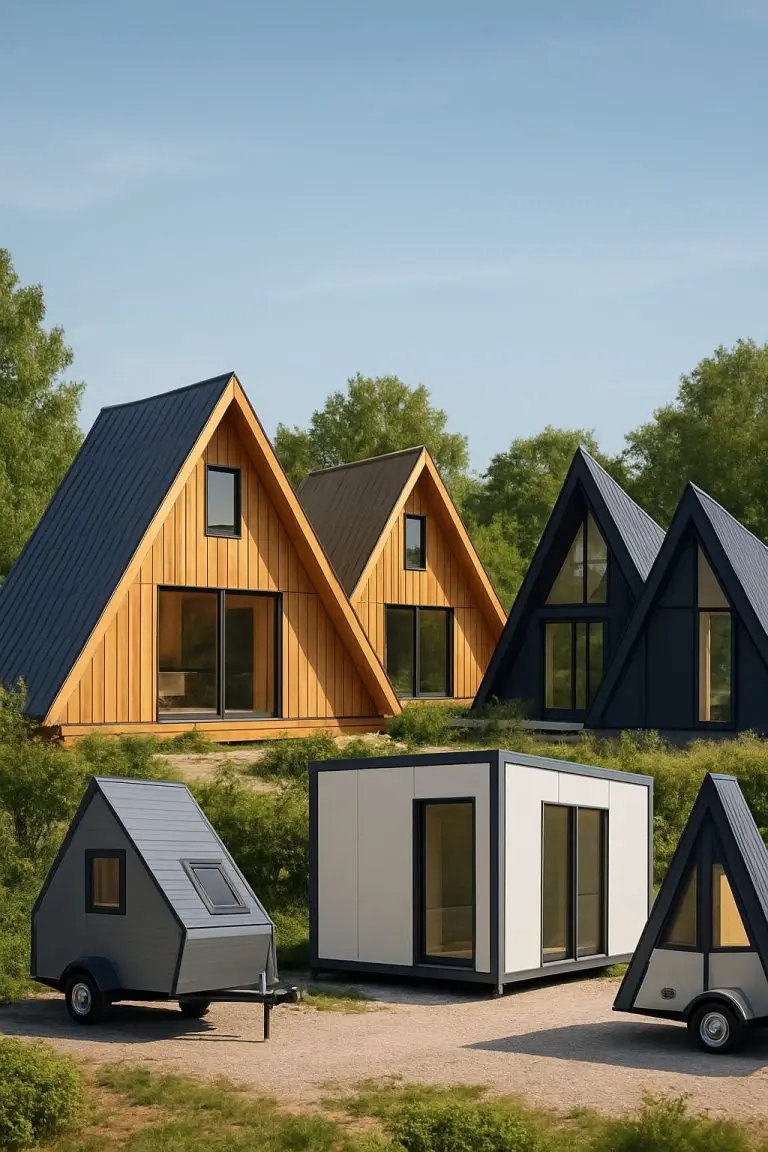
10 Best Prefab A-Frame House Kits For Any Budget And Lifestyle
Prefab A-frame house kits offer a practical way to build a unique and functional home without starting from scratch. Their simple design, sloped roof, and efficient use of space make them a popular choice for both vacation cabins and full-time residences. They provide a cost-effective and customizable path to homeownership that fits a wide range of budgets.
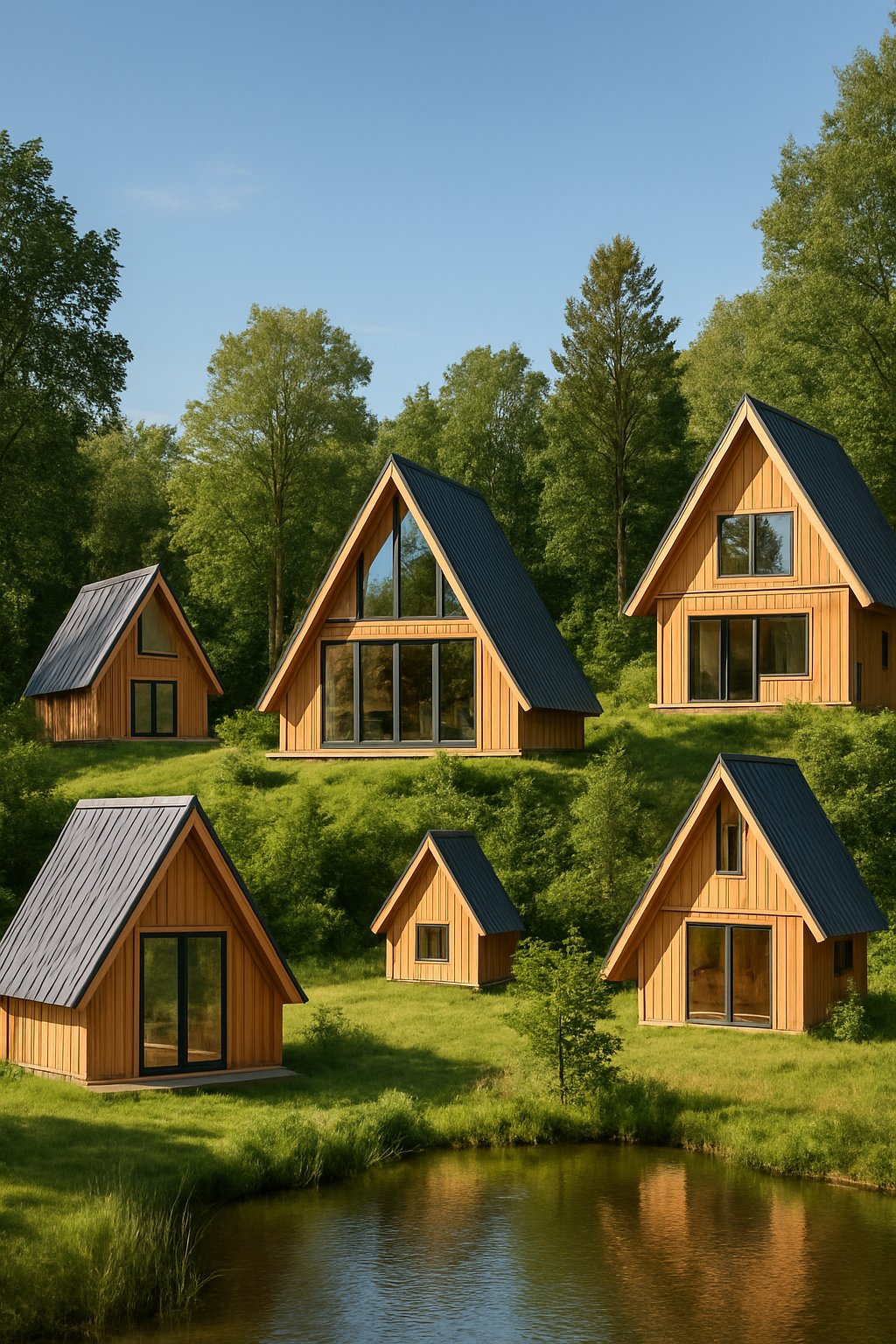
This article explores some of the best options available today, covering kits that vary in size, style, and price. It also looks at important factors to consider before making a purchase, helping anyone choose a kit that meets their needs and long-term plans.
Introduction to the A-Frame House
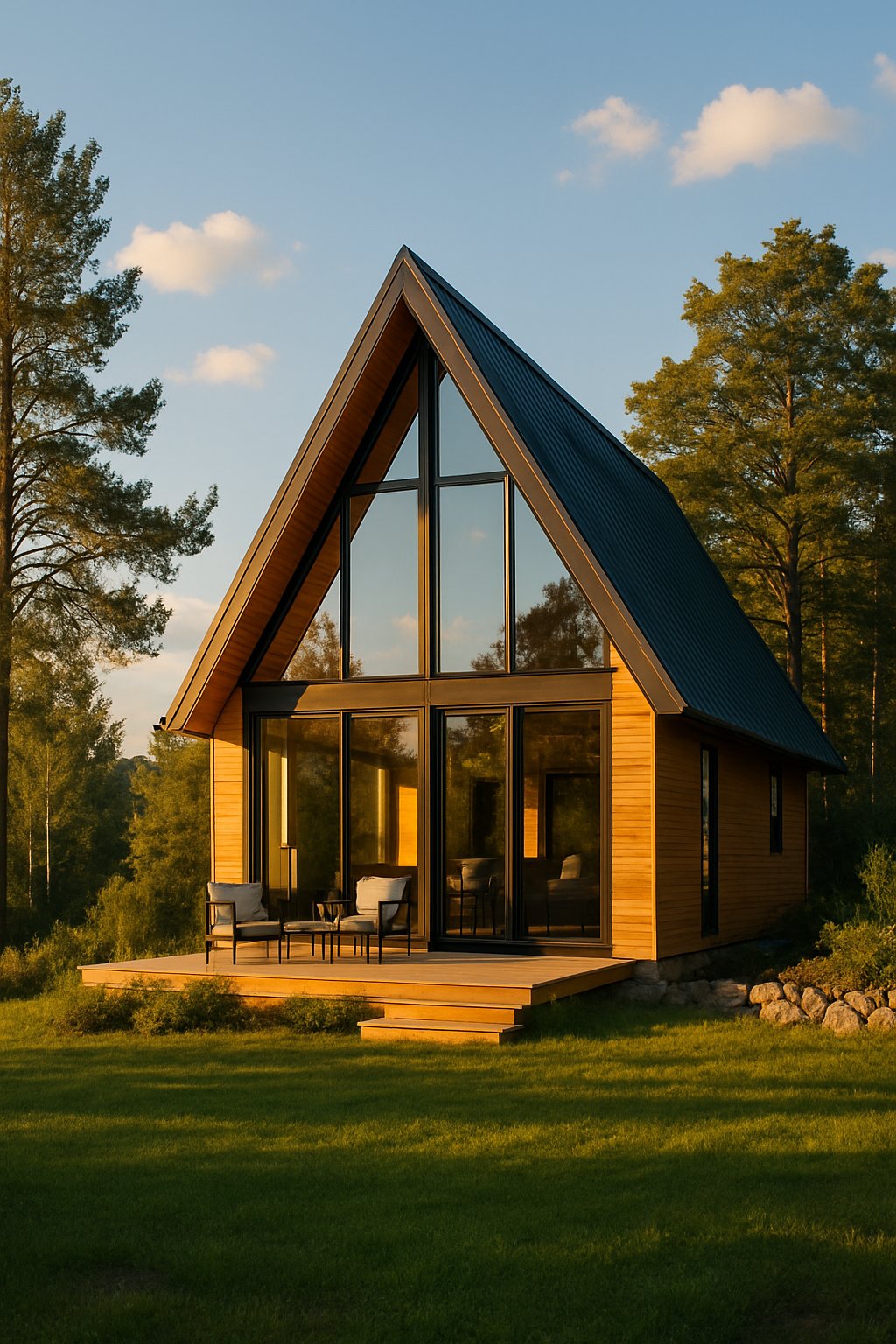
An A-frame house is a simple building style with steeply angled sides that meet at the top, forming the shape of the letter “A.” This design has been used for decades in cabins, vacation homes, and small residences.
The steep roof helps snow and rain slide off easily, making it practical in areas with heavy weather. Many A-frame homes also have large windows on the front and back to bring in natural light.
Prefab A-frame kits allow buyers to purchase pre-cut materials and assemble them on-site. This can reduce construction time and make the process more accessible for people without advanced building skills.
Key features of an A-frame house:
- Shape: Triangular, with a sharp roof pitch
- Materials: Often wood, but can include metal or composite panels
- Size: Ranges from small cabins to multi-bedroom homes
- Use: Vacation property, rental unit, or primary residence
| Feature | Benefit |
|---|---|
| Steep roof pitch | Sheds snow and rain easily |
| Simple structure | Easier to assemble from a kit |
| Large windows | Brings in natural light |
| Compact footprint | Fits small or uneven lots |
Many manufacturers offer kits in different sizes and price ranges. Costs can start around $60 per square foot and vary based on materials, finishes, and design options.
Because of their efficient structure and flexible use, A-frame homes remain a popular choice for both rural and suburban settings.
What Are A-Frame House Kits For?
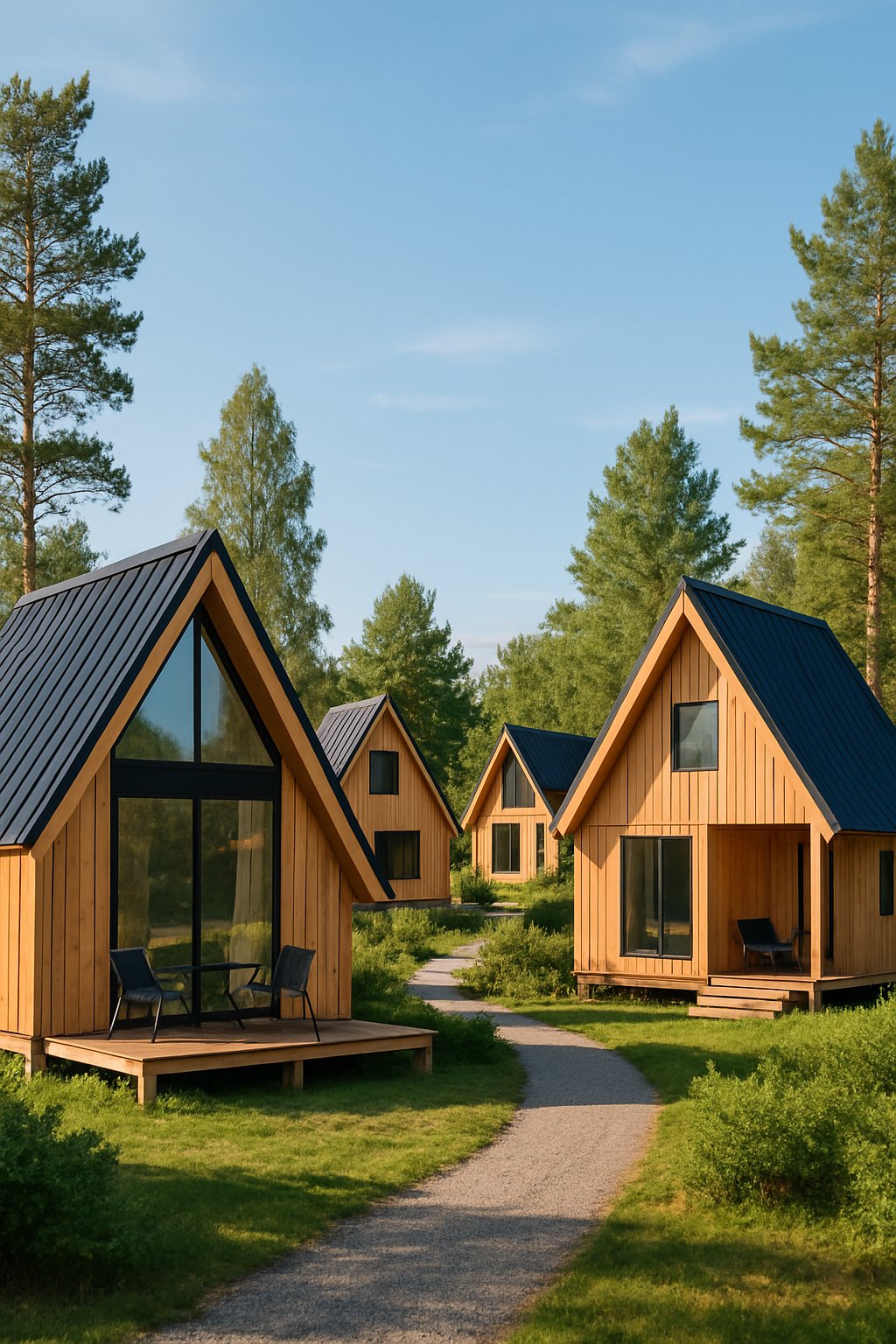
A-frame house kits provide the materials and plans needed to build an A-frame style home. These homes have a steeply angled roof that forms the shape of the letter “A.” The design is simple, which makes it easier to assemble compared to many traditional home styles.
People use A-frame kits for a variety of purposes:
- Full-time homes in rural or suburban areas
- Vacation cabins for seasonal use
- Backyard guest houses or studios
- Rental properties for short-term stays
One of the main benefits is that the kits come with pre-cut and pre-measured components. This reduces the need for advanced carpentry skills and shortens construction time. Many kits can be built by a small team without heavy machinery.
A-frame kits are also valued for their space efficiency. The steep roof allows snow and rain to slide off easily, making them practical in cold or wet climates. The open interior layout creates a flexible living space.
Typical features included in A-frame kits:
| Feature | Purpose |
|---|---|
| Structural framing | Main support for the home |
| Roof panels | Weather protection |
| Hardware and fasteners | Assembly of components |
| Building plans | Clear step-by-step construction guide |
Because they are modular, these kits can be adapted to different sizes and budgets. Buyers can often choose add-ons like porches, lofts, or upgraded insulation. This flexibility makes them suitable for both simple retreats and more comfortable year-round living.
What Are A-Frame House Kits For?
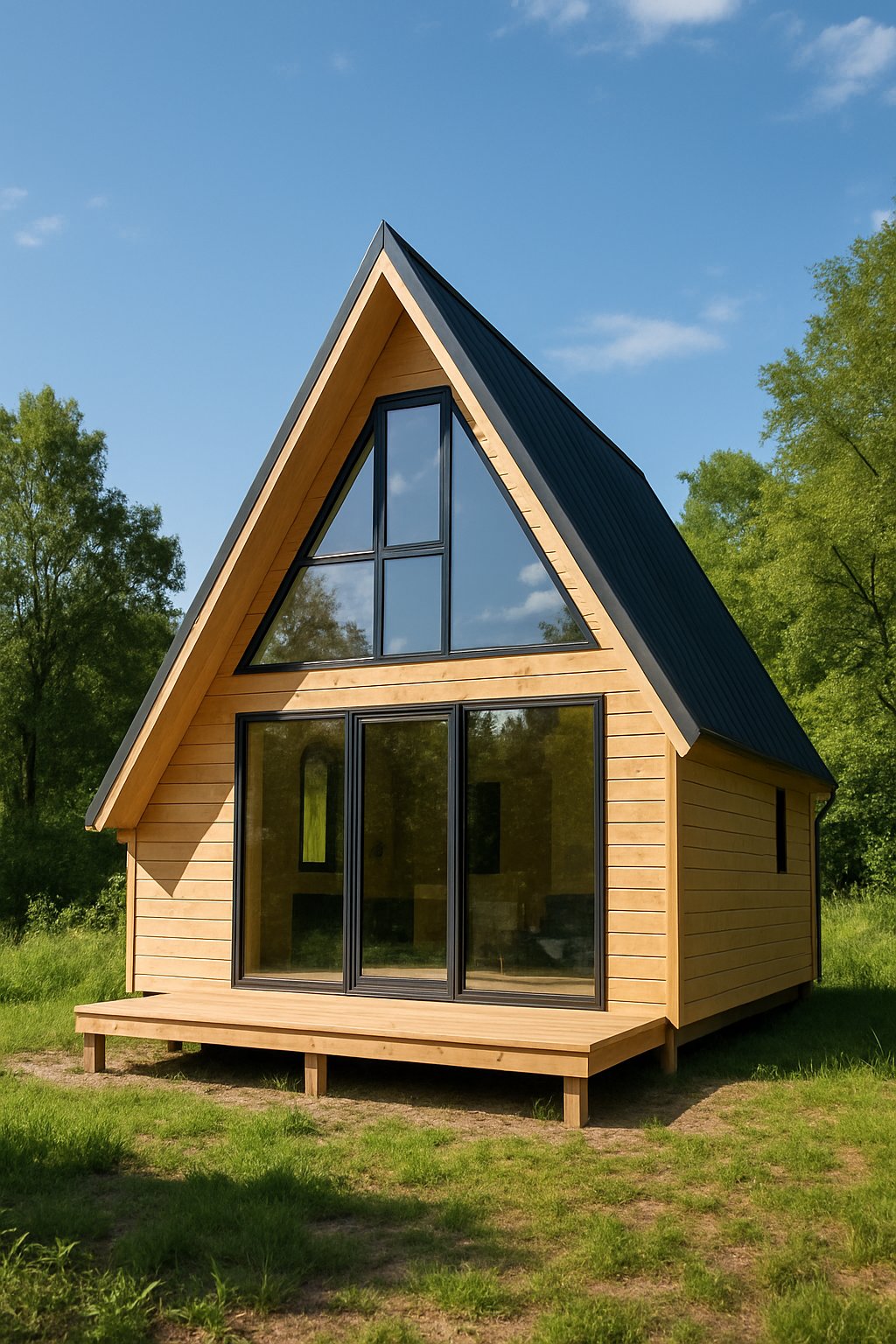
A-frame house kits provide the materials and plans needed to build an A-frame style home. They are designed for people who want a simple, efficient building process without starting from scratch.
These kits are often used for vacation cabins, small primary homes, or backyard guest houses. Their steeply angled roof design helps shed snow and rain, making them practical in many climates.
Many buyers choose them for cost control. Kits come with pre-cut and pre-measured parts, which can reduce waste and shorten construction time. This can make them a good option for those with limited building experience.
Common uses include:
- Seasonal retreats in rural or mountain areas
- Rental cabins for short-term stays
- Compact, energy-efficient living spaces
Some kits are small enough to assemble in a week with a small crew, while larger models may take longer. The required foundation type depends on the kit and location.
| Feature | Benefit |
|---|---|
| Pre-cut materials | Faster assembly |
| Simple design | Easier for beginners |
| Steep roof | Handles snow and rain effectively |
| Modular options | Flexible size and layout choices |
They are also popular with people who want a DIY project but prefer guidance. By following the included plans, builders can focus on assembly rather than complex design work.
Top A-Frame House Kits Worth Investing
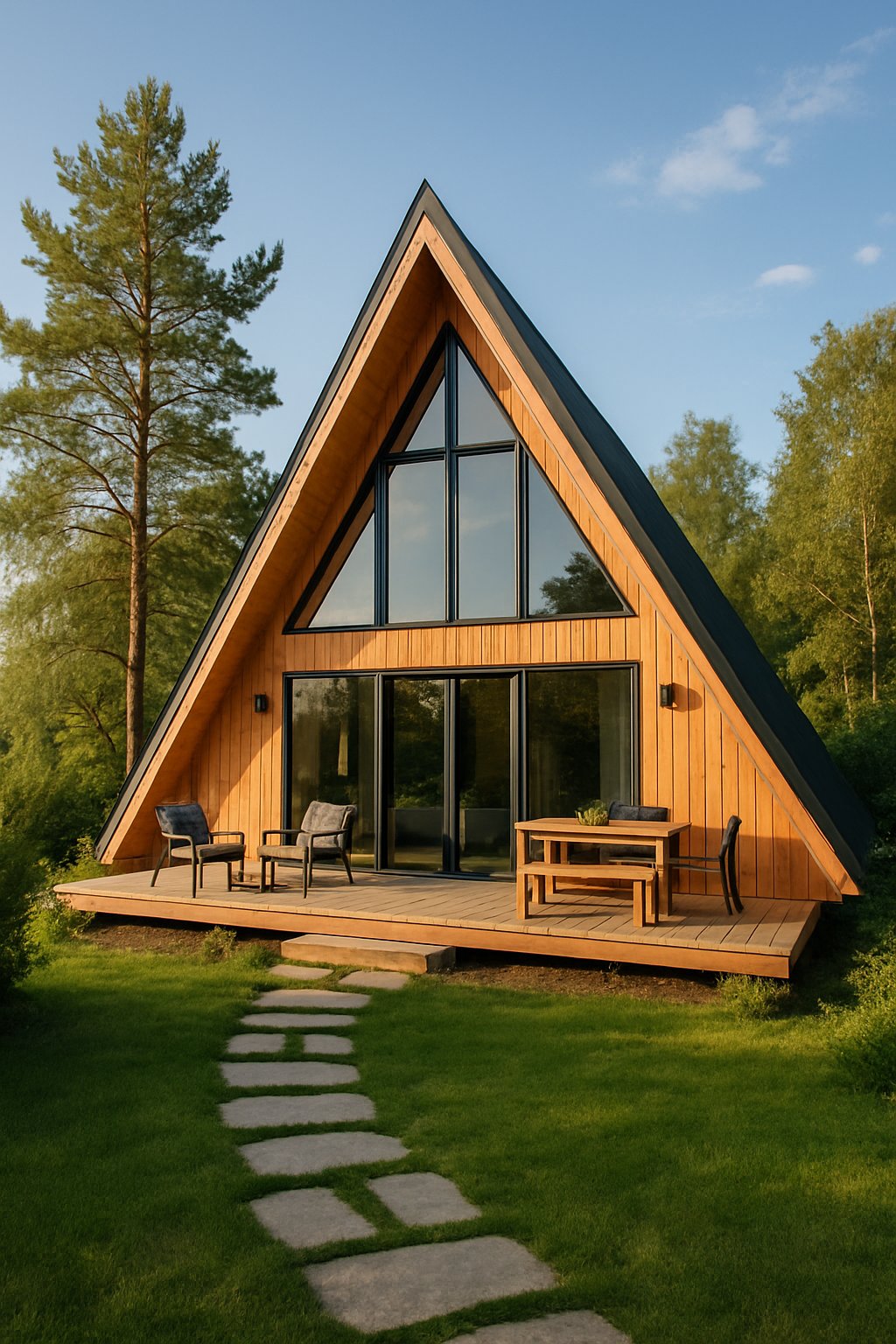
A-frame house kits offer a simple way to build a durable and efficient home. Many kits arrive with pre-cut materials, hardware, and instructions, making them accessible for people with basic building skills.
Popular manufacturers include:
- Avrame – Known for modular designs and multiple size options.
- Klein – Offers minimalist, modern styles.
- Bivvi – Specializes in compact, portable A-frame units.
Prices vary depending on size, materials, and customization. Many kits range from $60 to $140 per square foot, which can be more affordable than traditional builds. Buyers should also factor in the cost of the foundation, utilities, and interior finishes.
| Brand | Size Range (sq ft) | Price Range (per sq ft) | Notable Feature |
|---|---|---|---|
| Avrame | 140–1,600 | $70–$120 | Expandable floor plans |
| Klein | 200–1,000 | $80–$140 | Minimalist modern design |
| Bivvi | 80–200 | $60–$100 | Portable and quick to set up |
Many kits are designed for energy efficiency with good insulation and simple roof lines that shed snow and rain easily. This makes them suitable for a variety of climates.
Assembly times can range from a few days for small cabins to several weeks for larger models. Some kits allow owners to build themselves, while others may require a contractor.
Avrame Duo 100
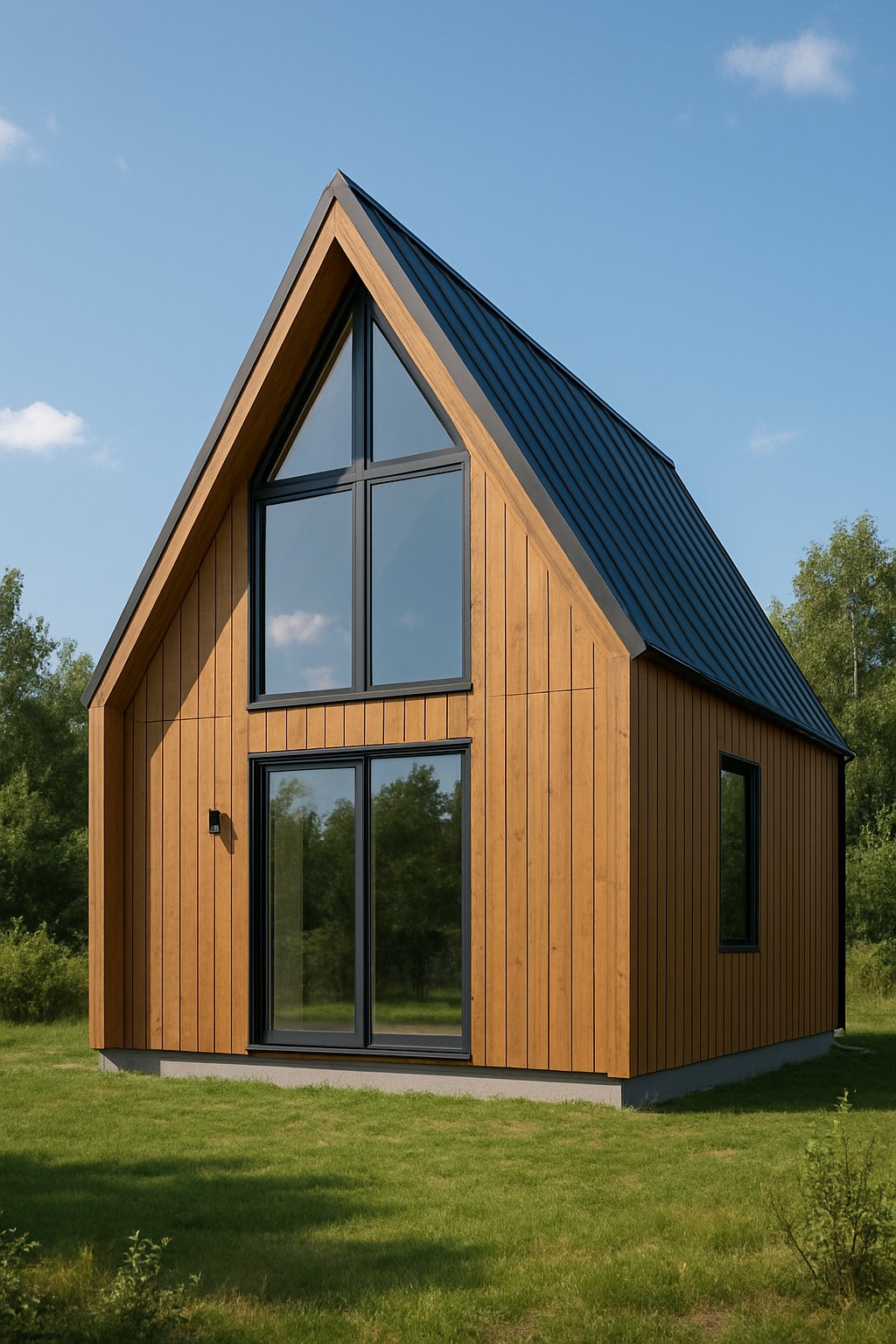
The Avrame Duo 100 is part of Avrame’s Duo series of A-frame kit homes. It offers more interior space than smaller Duo models while keeping a compact footprint.
This model measures about 10 meters (33 feet) in length and is designed for year-round living. Its layout supports a comfortable balance between shared living areas and private rooms.
Buyers can choose from different floor plan options to match their needs. Common layouts include an open living and dining area, a kitchen, one or two bedrooms, and a bathroom.
Key Details:
| Feature | Specification |
|---|---|
| Series | Duo |
| Model Length | ~10 m / 33 ft |
| Floors | 2 |
| Bedrooms | 1–2 |
| Bathroom | 1 |
| Use | Full-time or vacation home |
The Duo 100 is shipped as a prefabricated kit with pre-cut structural components. This allows for faster assembly compared to traditional builds.
Its A-frame design provides durability in various climates and can handle heavy snow loads. The steep roof also helps with rain runoff and reduces maintenance needs.
Avrame offers engineer-stamped plans and guidance for local permitting. Buyers can also customize finishes and interior layouts to fit their style and budget.
The Duo 100 works well for small families, couples, or those seeking a modest but functional home in rural or suburban settings.
Klein A45
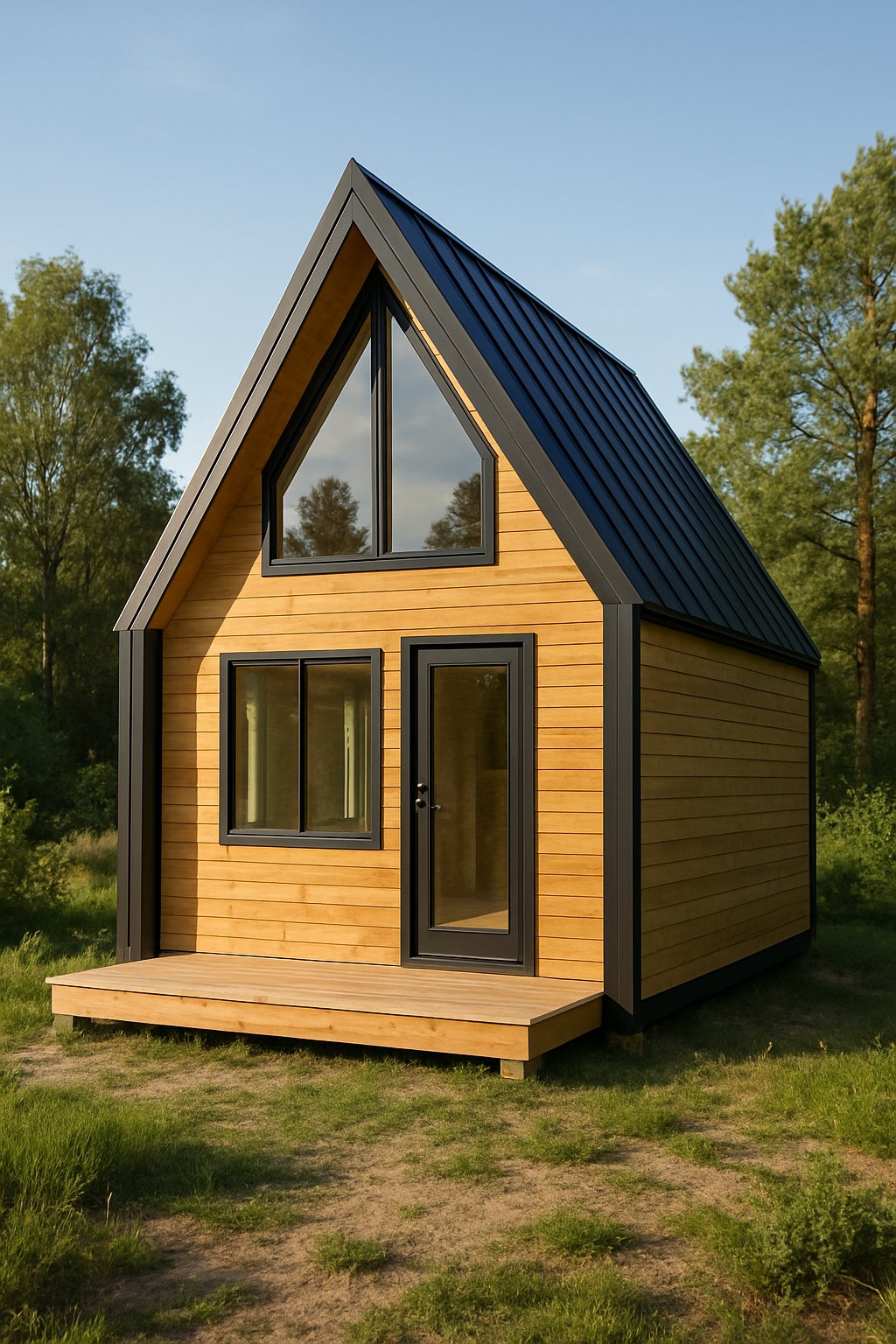
The Klein A45 is a compact A-frame cabin designed with a modern twist. Instead of a traditional triangular profile, the structure is rotated 45 degrees to create a taller interior space and a striking glass façade. This design allows more natural light and open views.
At 183 square feet, the A45 is small but functional. It can accommodate 2–4 people and includes a built-in kitchenette, bathroom, and open living area. The steep roofline helps shed snow and rain efficiently, making it suitable for different climates.
Klein uses sustainable materials and a zero-waste production process in building the A45. The exterior features black asphalt panels on both the roof and walls, giving it a clean, uniform look.
Key Details
| Feature | Specification |
|---|---|
| Floor Area | 183 sq ft |
| Capacity | 2–4 people |
| Kitchen | Built-in kitchenette |
| Bathroom | Sink, toilet, shower |
| Exterior Finish | Black asphalt panels |
| Design Approach | Rotated A-frame, glass wall |
| Sustainability | Eco-friendly materials, low waste |
The A45 is delivered as a prefabricated kit, making it faster to assemble than a traditional build. Its small footprint and efficient layout make it a good option for a vacation cabin, guest house, or minimalist primary home.
While it is compact, the tall ceiling and large window wall create a sense of openness that many small cabins lack. This balance of size, function, and design has made the Klein A45 a notable choice in the prefab A-frame market.
Avrame Solo
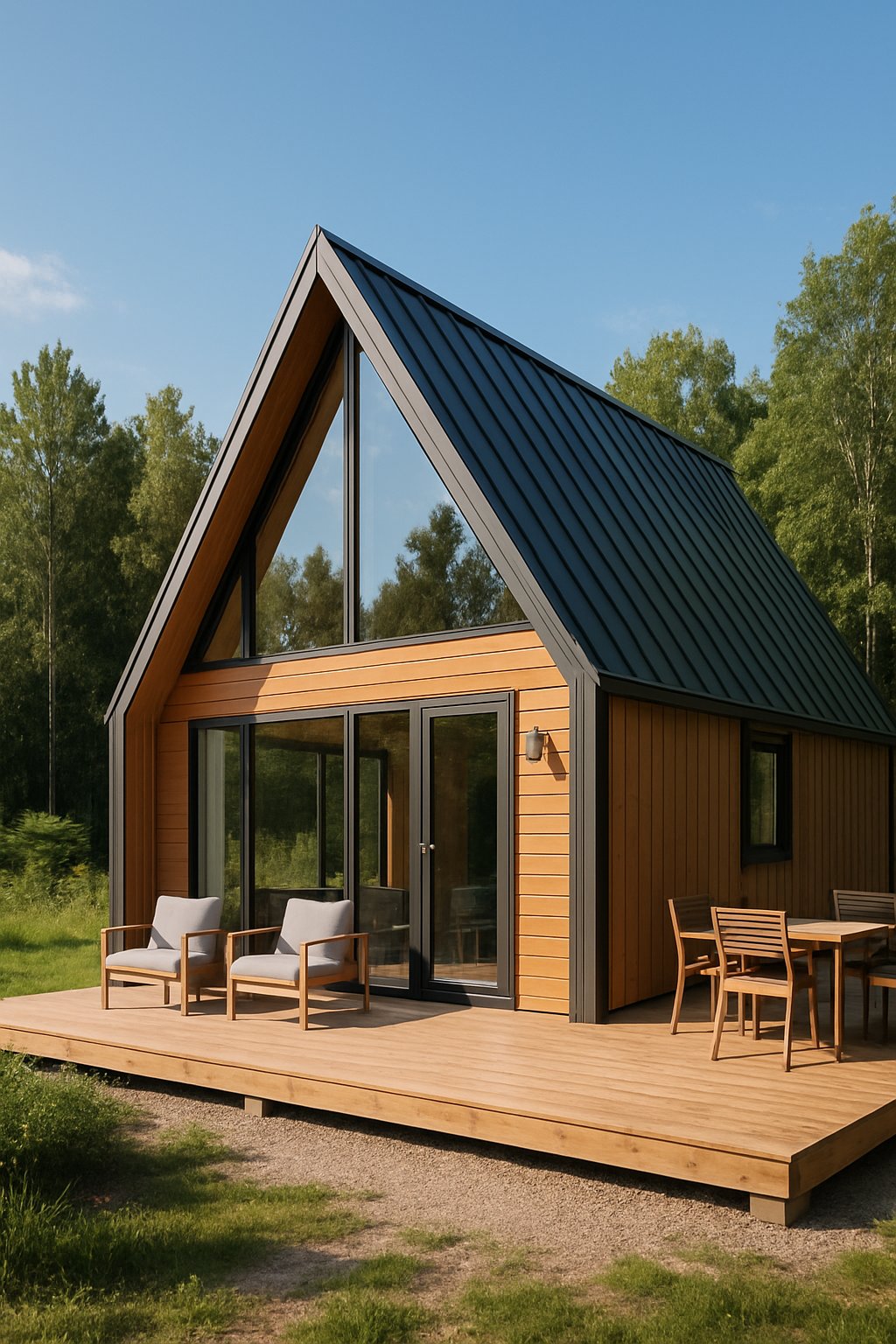
The Avrame Solo series is designed for individuals or small households who want a compact A-frame home. It is the smallest of Avrame’s three product lines, which also include the Duo and Trio.
These kits focus on simplicity and efficiency. They come with pre-cut structural components and engineered plans, making them suitable for those who want to manage their own build.
The Solo series includes several models, such as the Solo+ 75. The number in the model name refers to the building’s length in meters or feet, which helps buyers choose the right size for their needs.
Key details:
| Feature | Description |
|---|---|
| Structure type | A-frame kit home |
| Product line | Solo (smallest series) |
| Assembly | Pre-cut kit with plans |
| Intended use | Small home, cabin, or add-on unit |
| Customization | Floor plan adjustments possible |
Buyers can use the Solo as a primary home, vacation cabin, or guest house. Its compact footprint makes it adaptable to different landscapes and lot sizes.
Avrame offers the Solo series worldwide, with U.S. distribution available through AvrameUSA. This allows customers in North America to access local support and shipping.
The kits are designed for straightforward on-site assembly. While professional help is optional, some buyers choose to work with contractors to speed up the build process.
Pricing varies by model size and customization, but the Solo line is often among the more affordable options in Avrame’s catalog.
Bivvi
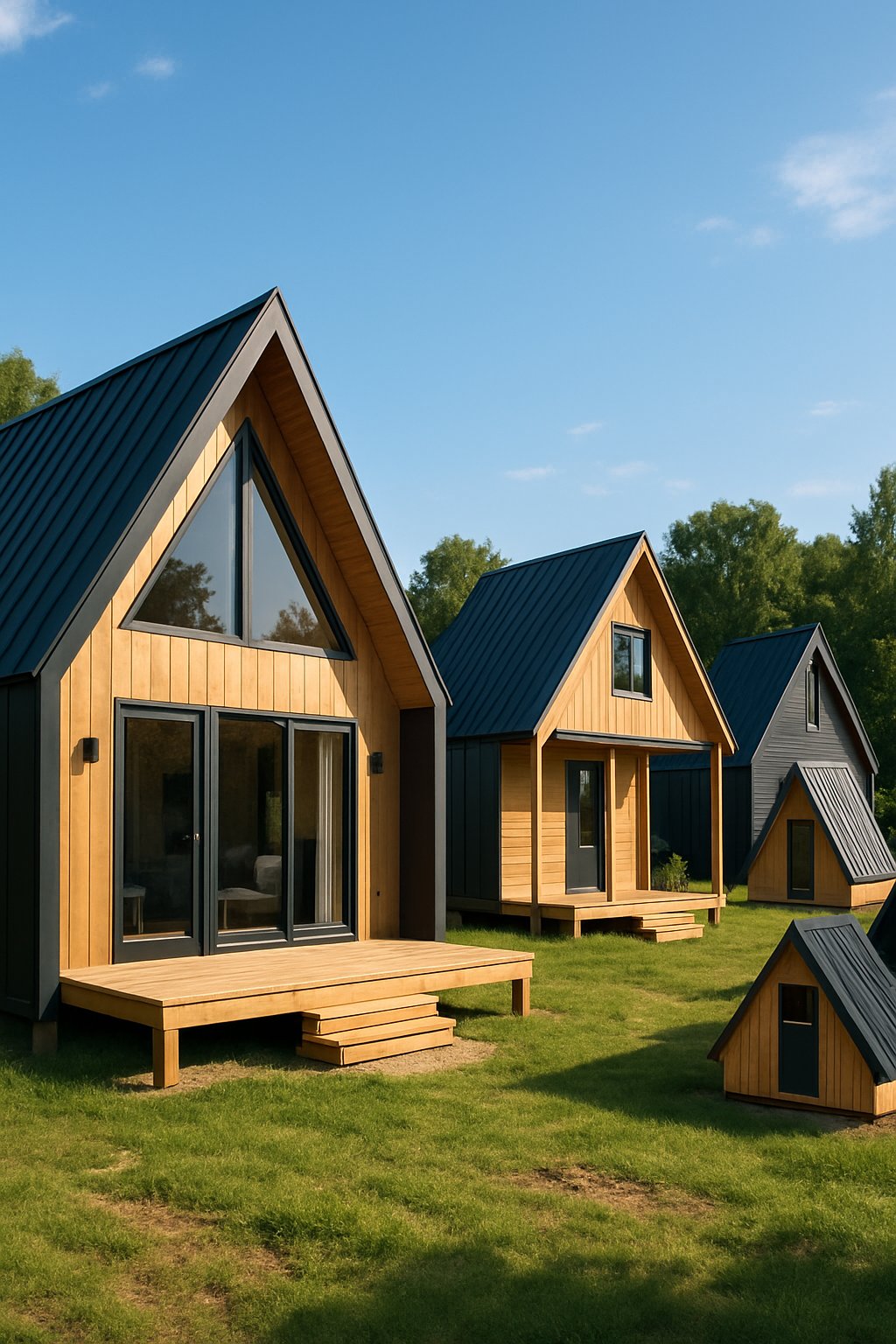
Bivvi offers compact prefab A-frame house kits designed for quick assembly and efficient use of space. These kits are often used for vacation cabins, guest houses, or small off-grid homes.
The standard Bivvi kit starts at around $29,000, making it one of the more affordable options in the prefab A-frame market. Pricing can vary based on finishes, customizations, and delivery location.
Key details:
| Feature | Specification |
|---|---|
| Base Price | ~$29,000 |
| Style | A-frame cabin |
| Primary Use | Vacation, rental, or guest space |
| Build Time | Fast assembly with basic tools |
| Customization | Limited options available |
Bivvi kits use durable materials suited for year-round use in many climates. The design focuses on simplicity, which helps keep costs and build time low.
Assembly can be completed by a small team without heavy machinery. Many buyers choose Bivvi for remote properties where traditional construction is difficult.
The compact footprint makes it easier to place on smaller lots or within natural settings. While space is limited, the layout is functional for short-term stays or minimalist living.
AYFRAYM Cabin Kit
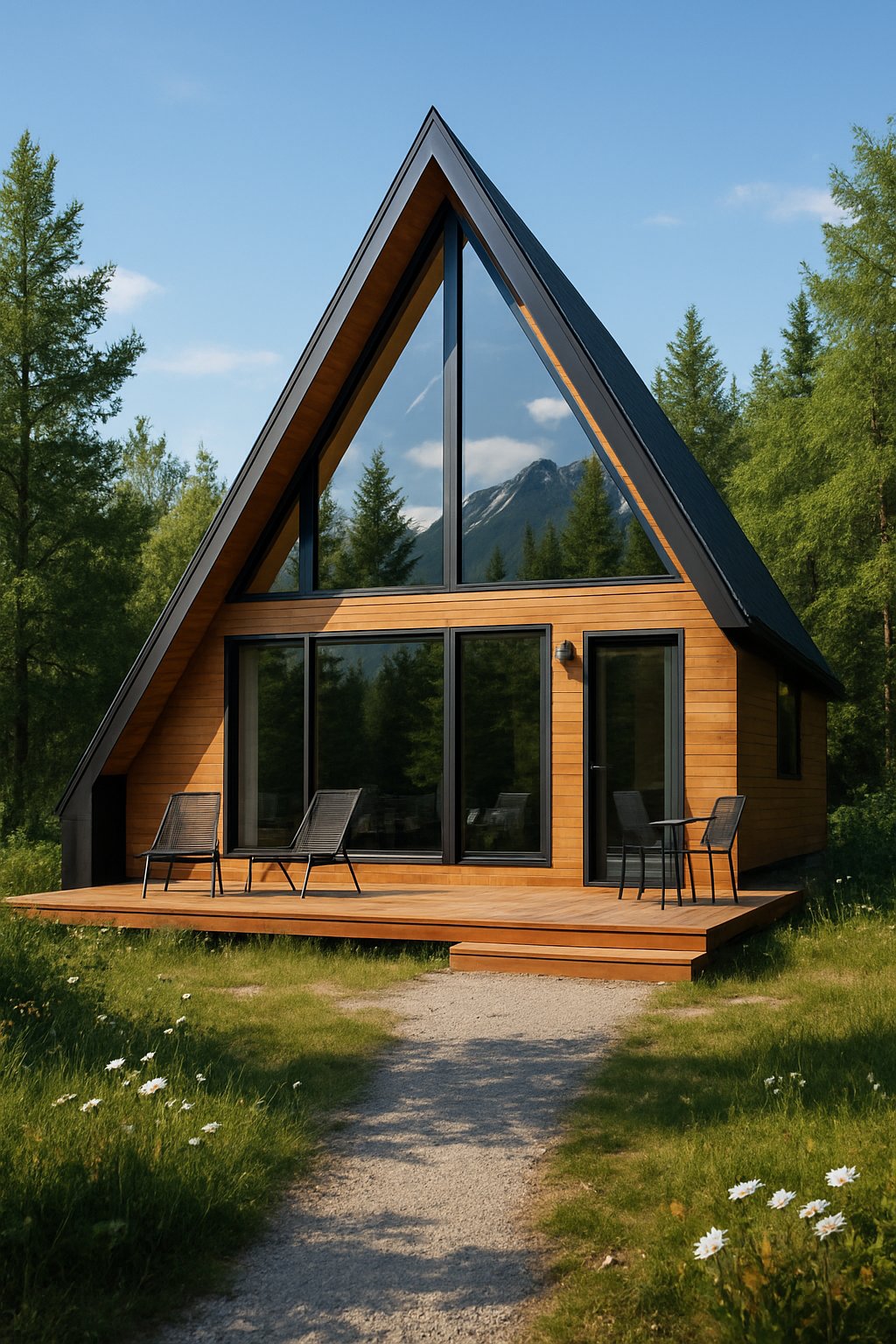
The AYFRAYM Cabin Kit is a prefabricated A-frame home package designed for easy assembly. It includes all the primary materials needed to build the structure, along with detailed plans. Buyers can choose to hire a contractor or take on the build themselves.
This kit is known for its clean, modern lines paired with the classic triangular A-frame shape. It offers tall ceilings, large windows, and an open floor plan that makes the interior feel spacious.
Key Features:
- Square Footage: Around 1,574 sq. ft.
- Bedrooms: 3
- Bathrooms: 2
- Price Range: About $112,000 (kit only)
- Build Time: Varies by skill and crew size
The AYFRAYM design focuses on simplicity and function. It uses a straightforward layout that works well for vacation cabins, rental properties, or full-time living.
Materials are pre-cut and labeled, which can reduce waste and speed up construction. The kit typically includes framing lumber, siding, roofing, windows, and doors. Interior finishes are left to the buyer’s preference.
Those building in remote or off-grid locations may find the AYFRAYM appealing because it can be shipped as a complete package. It also works with different foundation types, including concrete slabs and piers.
This kit is available across the U.S., and shipping costs depend on location. Buyers should also budget for permits, utilities, and site preparation, as these are not part of the kit price.
Madi
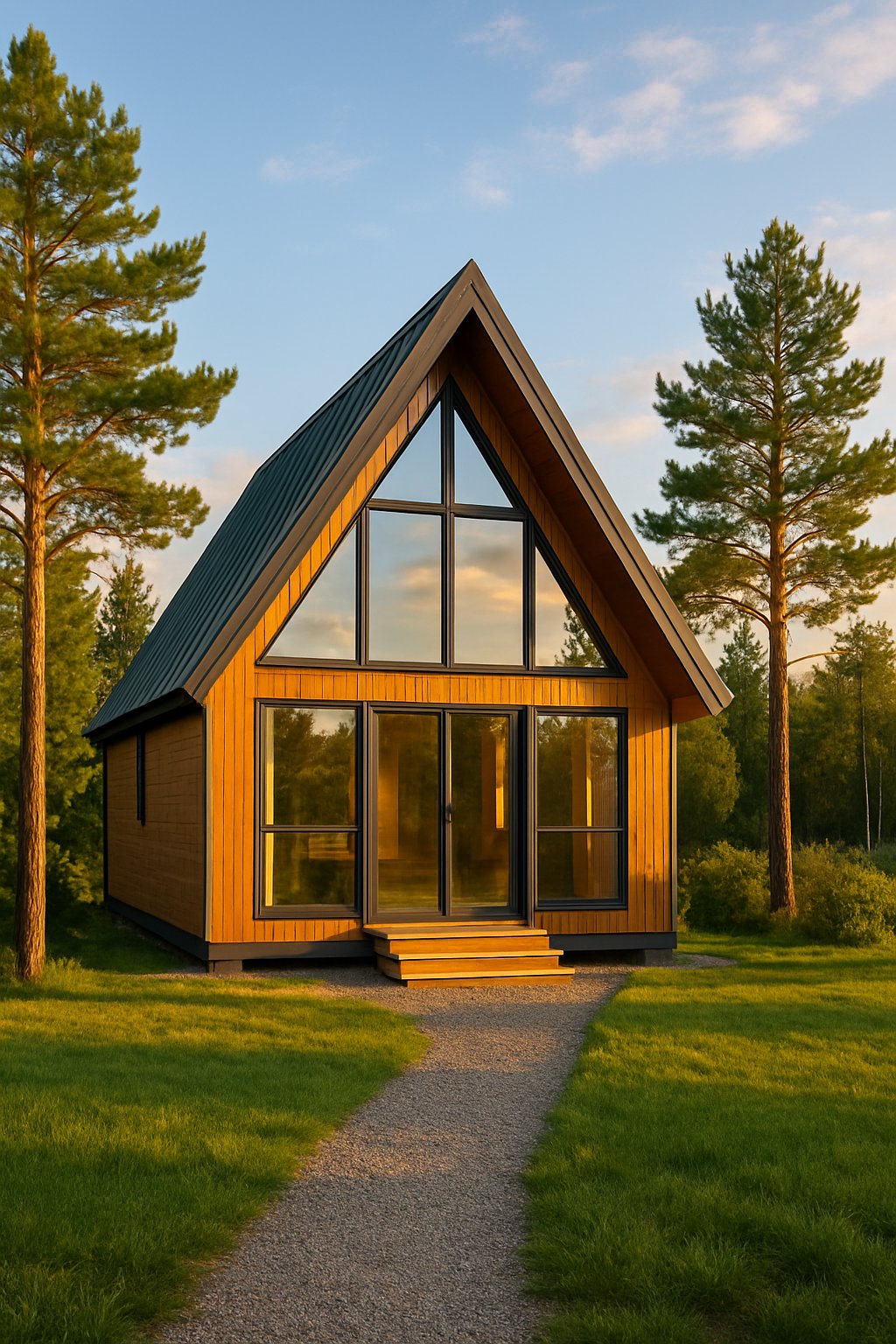
The Madi is a foldable, flat-pack A-frame home designed by Italian architect Renato Vidal. It is built for quick assembly and can be set up in a short time compared to traditional construction.
Madi homes use a modular design that allows different sizes and layouts. Buyers can choose from small single-unit cabins to larger multi-room models. Prices typically range from $66,000 to $166,000, depending on size and features.
One of its key advantages is its earthquake-resistant structure. The frame and materials are engineered to meet safety standards while maintaining a simple, functional look.
The home ships as a flat-pack, which reduces transportation costs and makes it easier to deliver to remote locations. Assembly requires a prepared foundation, but the process does not demand heavy machinery for most models.
Basic details:
| Feature | Specification |
|---|---|
| Price Range | $66,000 – $166,000 |
| Style | Foldable, A-frame prefab |
| Assembly Time | As little as 6 hours (varies) |
| Special Feature | Earthquake-resistant design |
| Foundation Needed | Yes |
Madi homes are suitable for use as vacation cabins, guest houses, or primary residences. Their adaptable design makes them a practical choice for various climates and landscapes.
The combination of portability, durability, and modern styling has made the Madi a notable option in the prefab A-frame market.
Nolla Zero A-Frame Cabin Kit
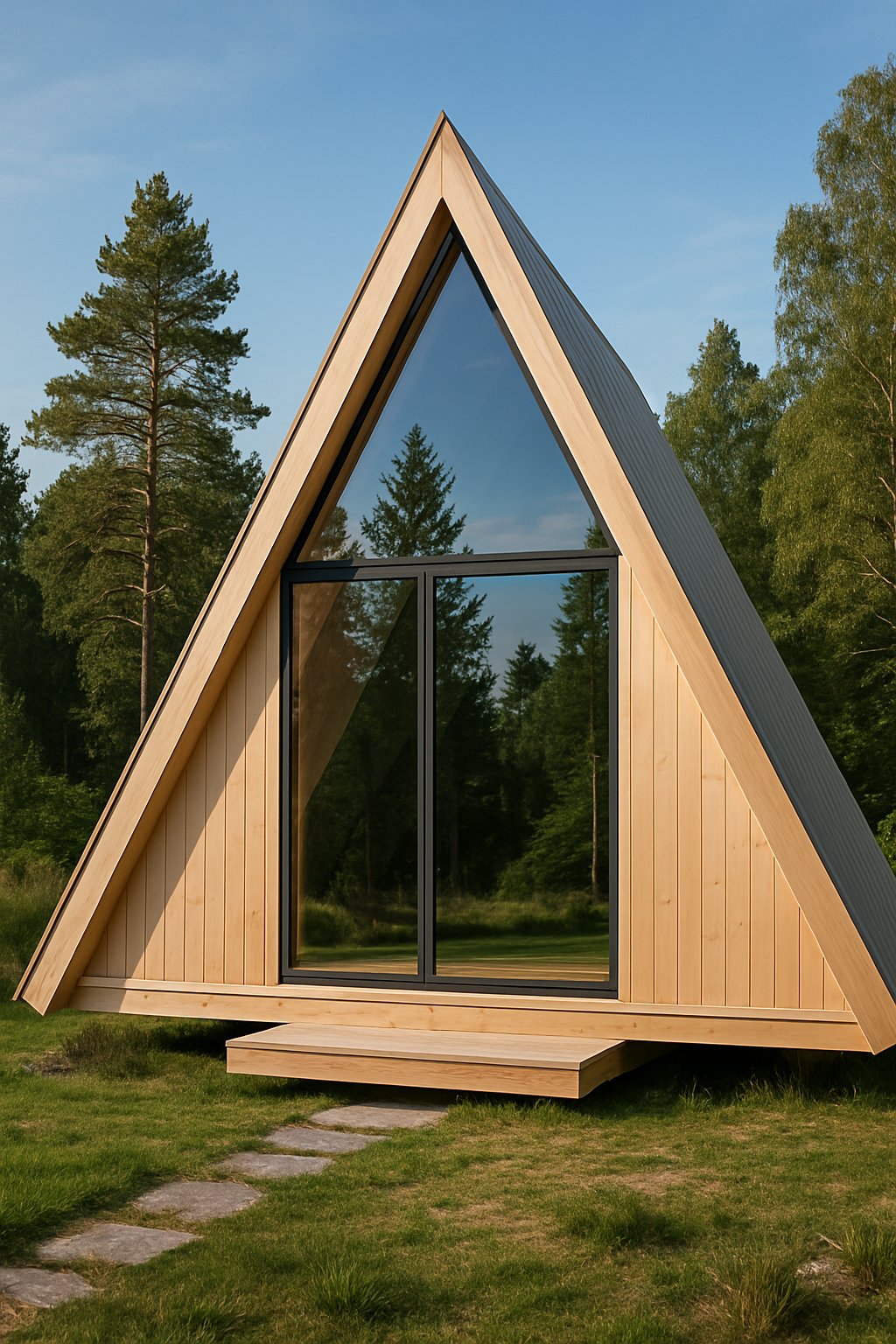
The Nolla Zero A-Frame Cabin Kit is a compact, prefabricated structure designed for simple and sustainable living. It was developed from a concept by Helsinki-based designer Robin Falck, who focused on minimal environmental impact.
This cabin emphasizes the use of sustainable materials and a small footprint. Its design encourages spending more time outdoors while keeping indoor space functional and efficient.
Key Details:
| Feature | Specification |
|---|---|
| Style | A-Frame |
| Size | Small, compact footprint |
| Materials | Sustainable wood and eco-friendly finishes |
| Intended Use | Off-grid living, vacation stays, or guest space |
| Assembly | Prefabricated kit, suitable for DIY assembly |
The Nolla Zero is well-suited for off-grid setups. It can be paired with solar panels, composting toilets, and portable water systems, depending on the owner’s needs.
Its simple structure makes it easier to assemble than many larger kits. Many buyers choose it for seasonal use, such as summer cabins or weekend retreats.
Because of its lightweight build, the cabin can be placed in remote or sensitive locations with minimal site disturbance. This feature appeals to those who want a low-impact building solution.
While the interior is small, it can fit basic furnishings like a bed, small table, and storage shelves. The open A-frame shape also allows for creative interior layouts.
Backcountry Hut Company A-Frame
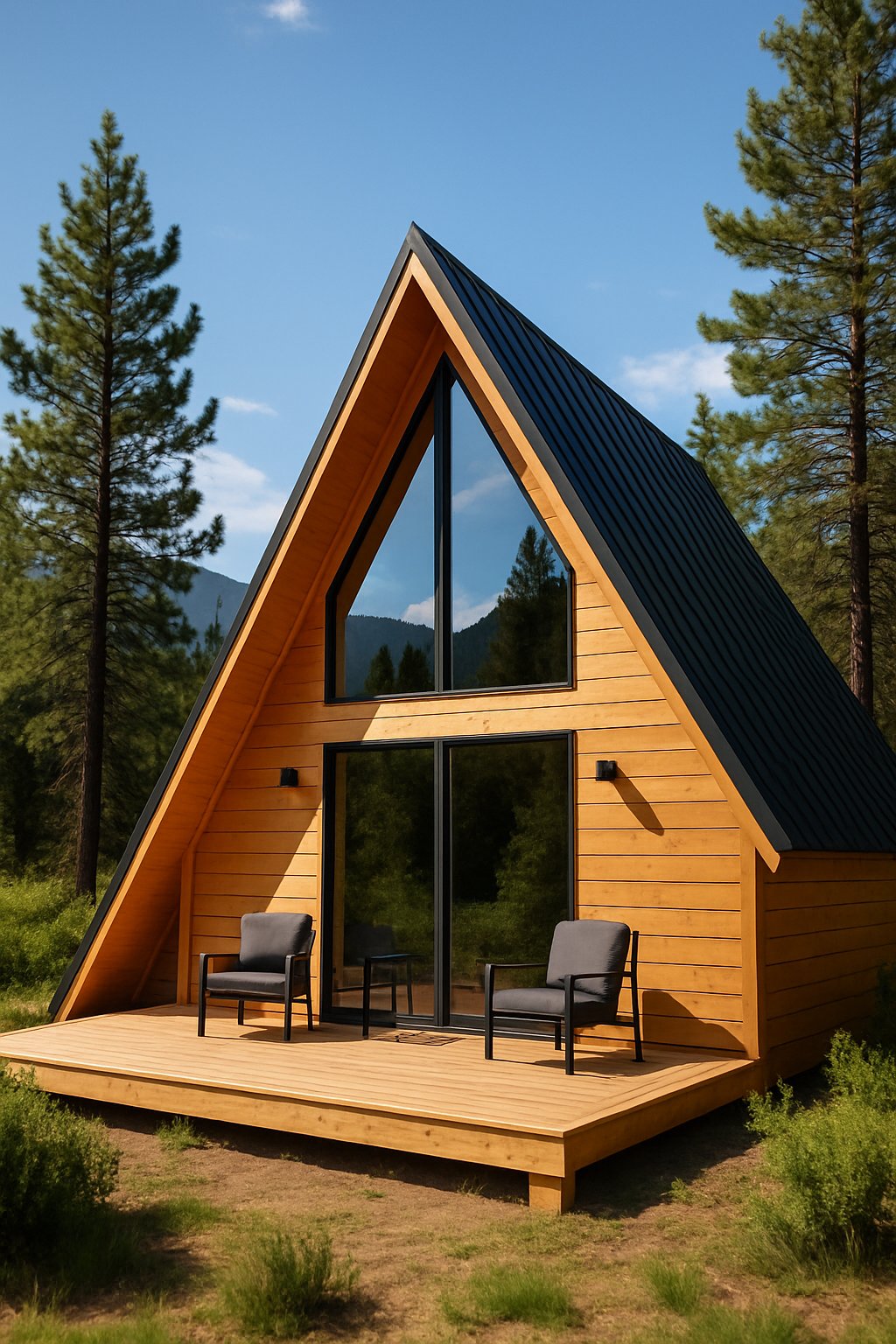
The Backcountry Hut Company is based in British Columbia, Canada. They design modular, prefabricated A-frame cabin kits that can be shipped flat-pack and assembled in various locations across North America.
They offer three main systems: System 00, System 01, and System 02. Each system varies in size and layout, allowing buyers to choose based on space needs and intended use.
System 00 is the smallest option. It measures about 10 x 10 feet and works well as a single-room sleeping space, studio, or small retreat.
System 01 and System 02 provide larger footprints. These can include lofts, multiple rooms, and more flexible layouts for longer stays or family use.
Key Features:
- Modular design for easier transport and assembly
- Flat-pack shipping to remote or urban locations
- Options for off-grid living
- Minimalist A-frame aesthetic
| Model | Approx. Size | Best Use Cases |
|---|---|---|
| System 00 | ~100 sq. ft. | Sleeping bunk, studio, retreat |
| System 01 | Larger footprint | Small cabin, weekend getaway |
| System 02 | Largest footprint | Family cabin, extended stays |
Buyers can customize finishes and interior layouts to match their needs. The kits are designed for efficient assembly, often requiring less time than traditional builds.
This approach makes them suitable for recreational properties, off-grid sites, or compact residential use.
1) System 00
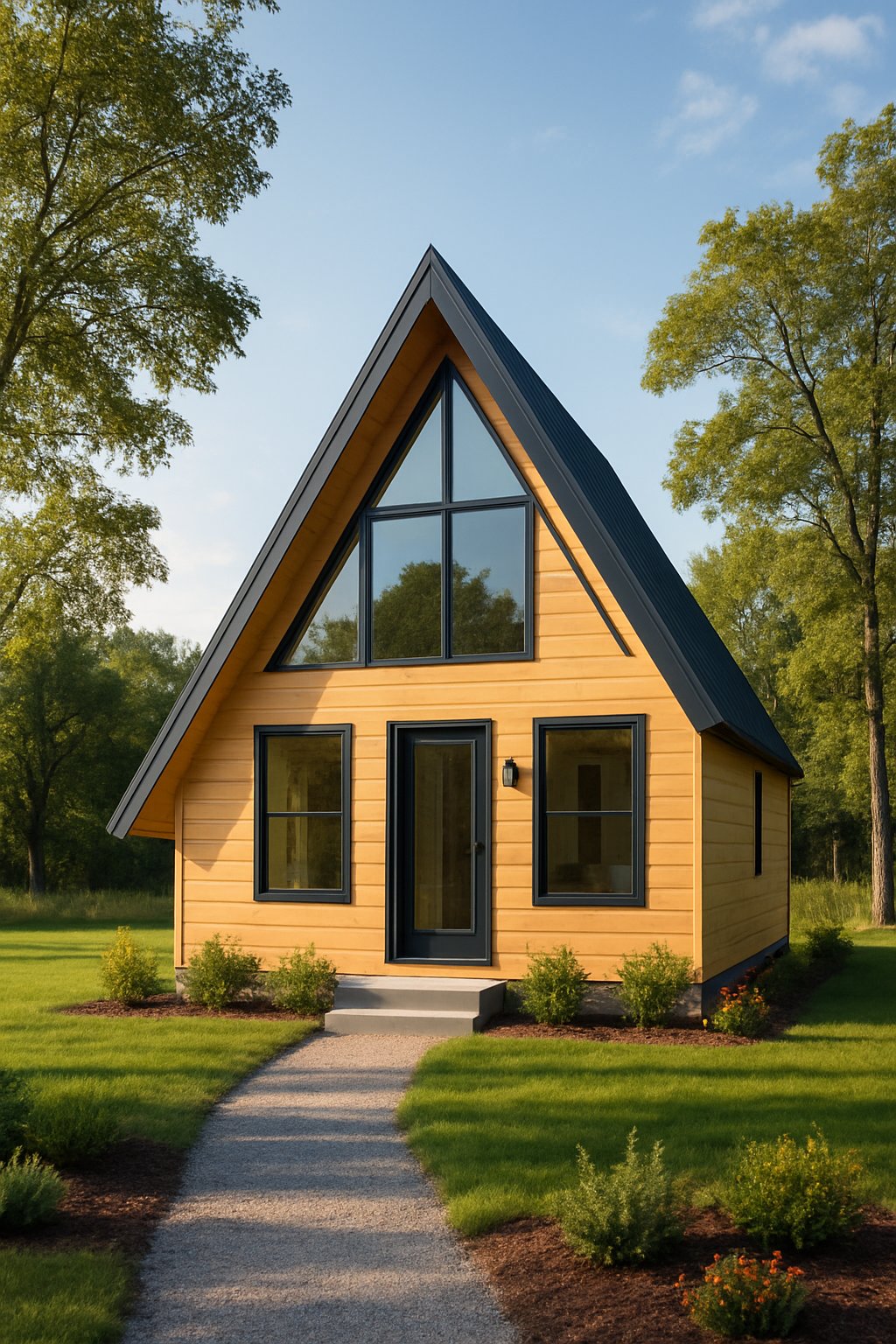
The System 00 is a compact prefab A-frame cabin from the Backcountry Hut Company.
It ships as a flat-pack kit with pre-cut parts for on-site assembly.
Designed for DIY builders, it works well as a small retreat, workspace, or simple sleeping cabin.
2) Avrame Solo A-Frame Kit
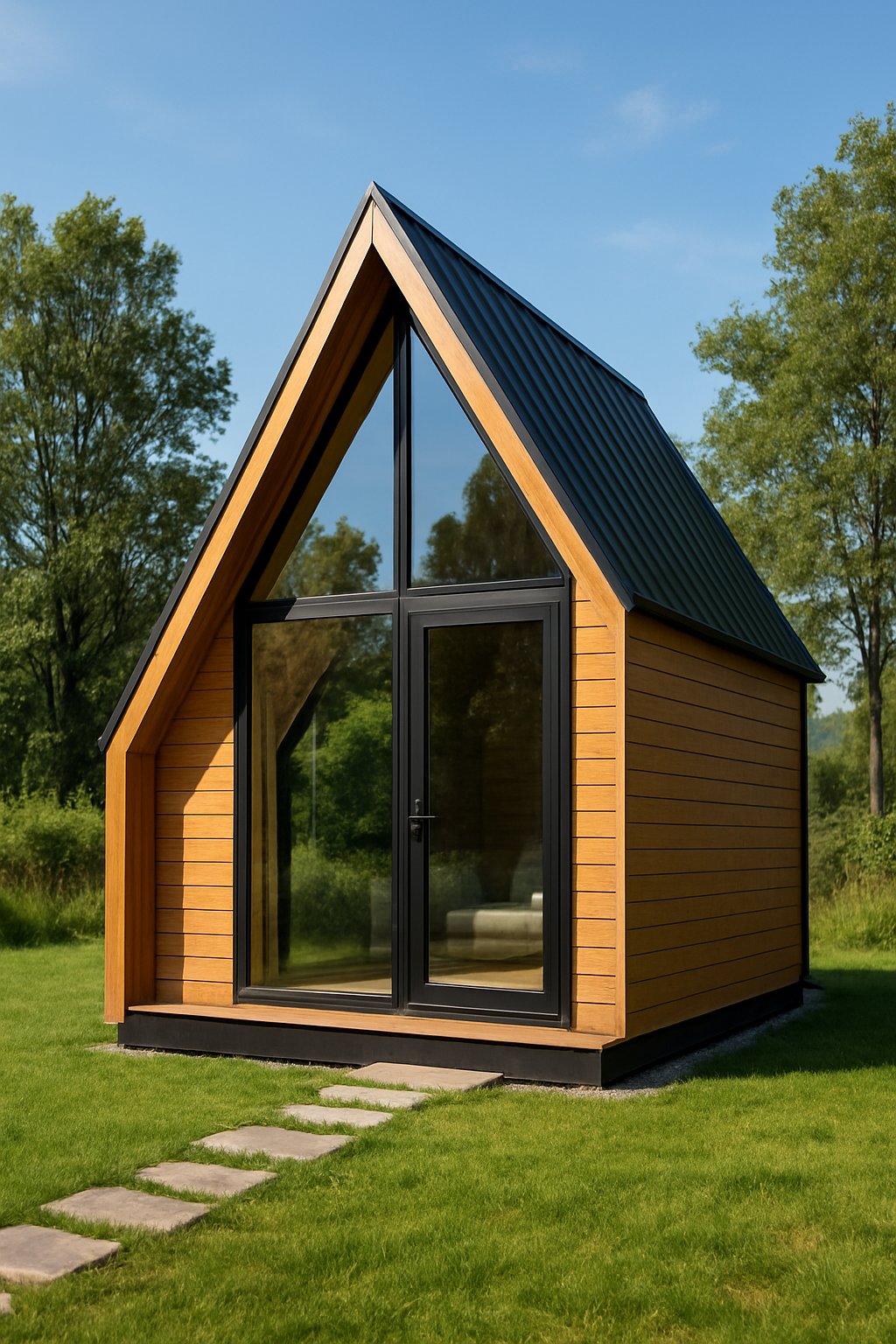
The Avrame Solo series offers compact A-frame designs suited for small homes, cabins, or studios.
Each kit includes structural framing components and engineer-stamped plans for straightforward assembly.
Models vary in length, allowing buyers to choose a size that matches their space and budget needs.
3) Avrame Duo A-Frame Kit
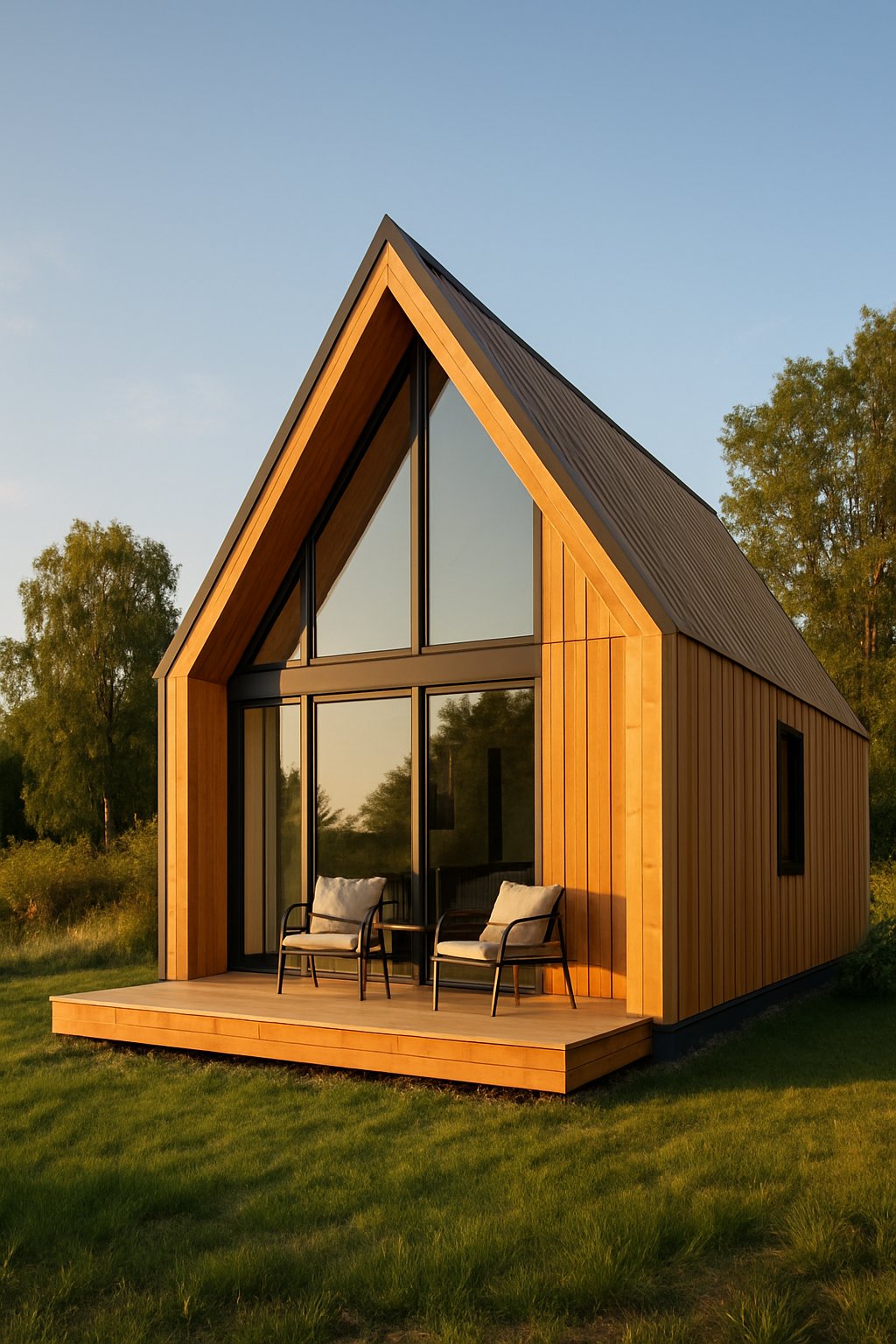
The Avrame Duo series offers mid-sized A-frame kits suited for year-round living or vacation use.
It comes in multiple lengths, allowing buyers to choose a layout that fits their space and budget.
Kits include the structural shell and plans, with options for interior customization.
4) Avrame Trio A-Frame Kit
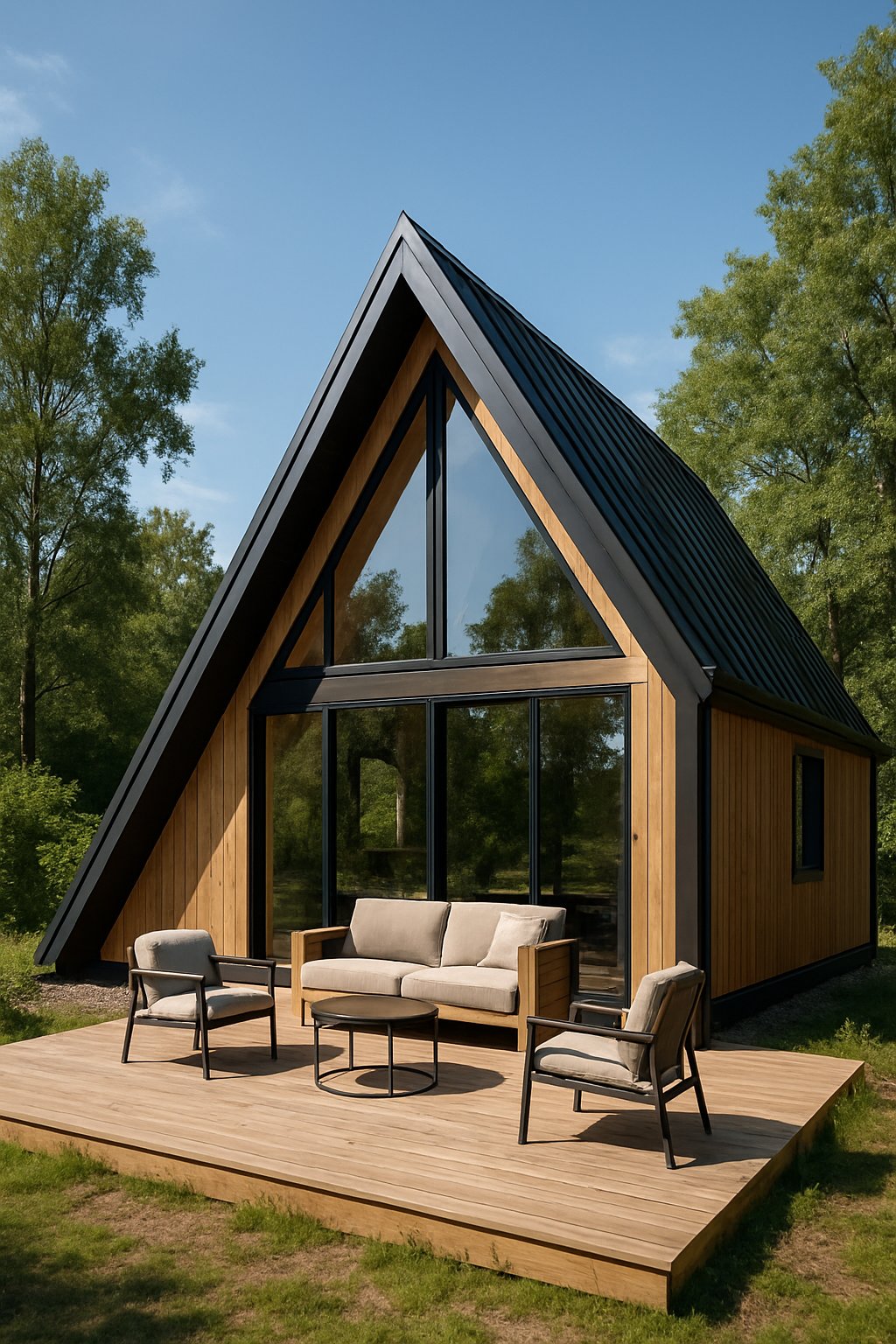
The Avrame Trio is a prefabricated A-frame kit designed for residential use. It comes in several sizes and can be configured with up to three bedrooms.
The kit includes structural framing components and engineer-stamped plans. Buyers complete the build with their own finishes and interior work.
5) The Modern A-Frame by Shelter Kit
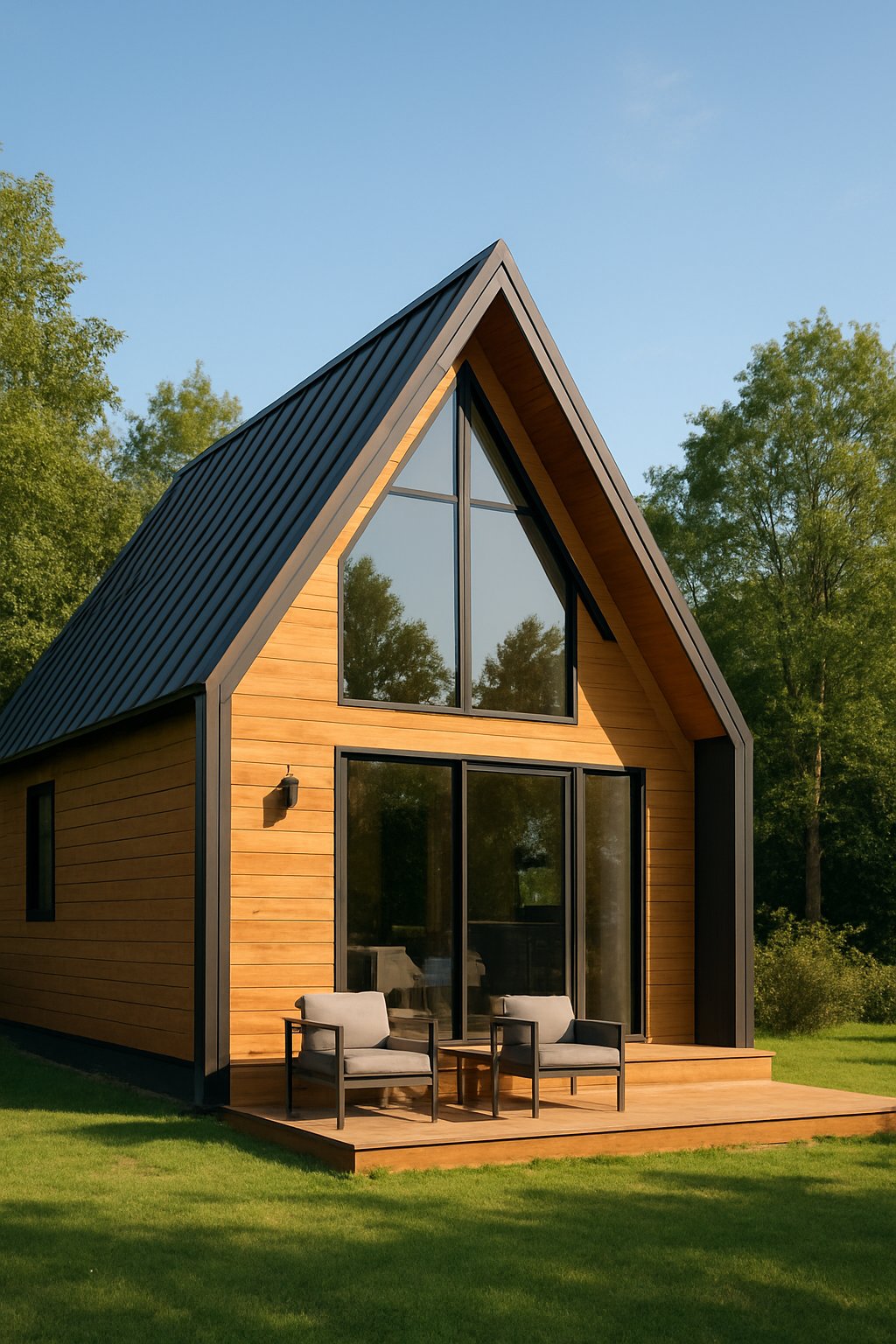
The Modern A-Frame by Shelter Kit comes as a complete package with pre-cut materials and instructions.
It features a steep roof design that helps shed snow and rain efficiently.
Buyers can choose from different sizes to match their space and budget needs.
6) The Classic A-Frame Cabin Kit by Cabin Kits USA
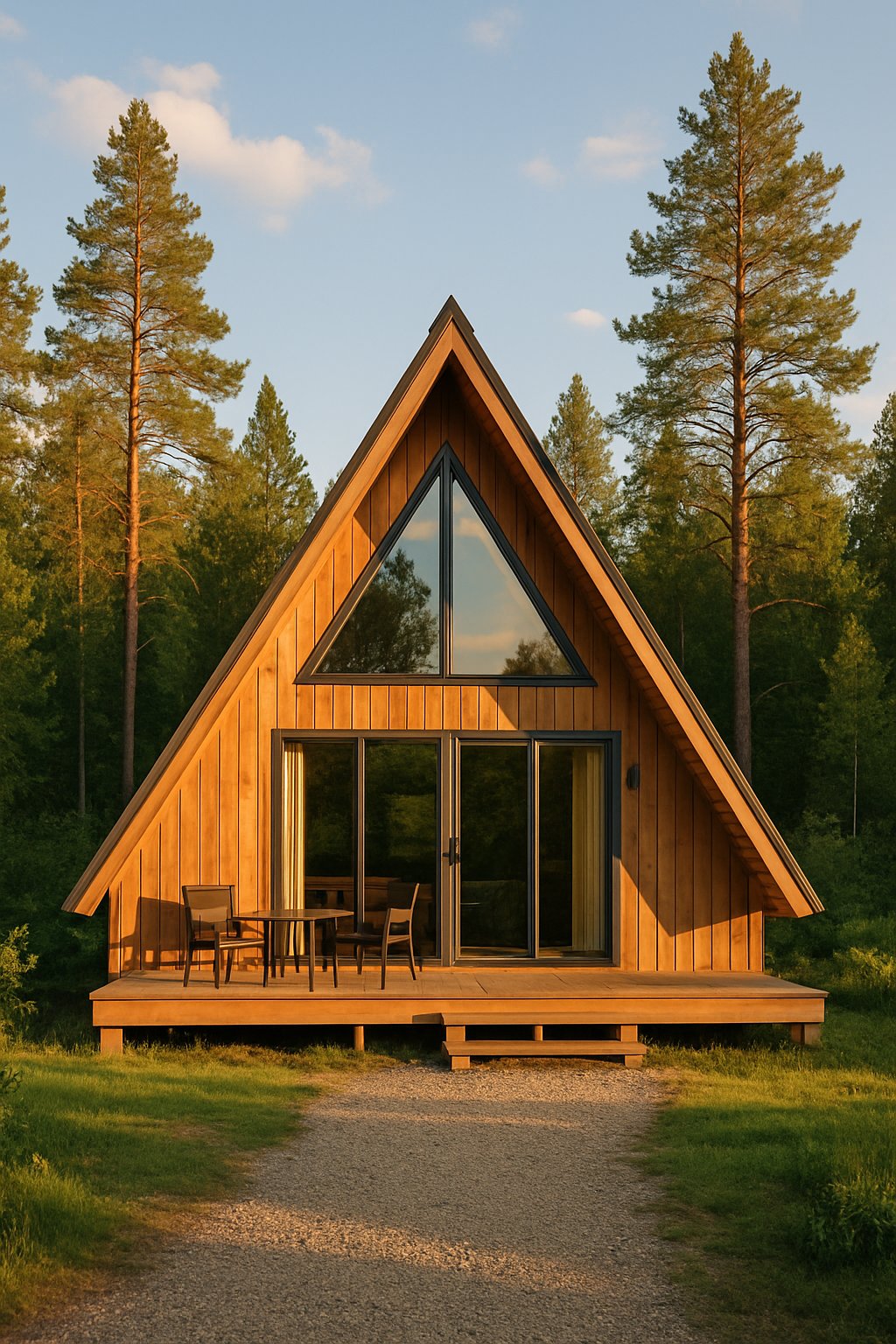
The Classic A-Frame Cabin Kit by Cabin Kits USA includes pre-cut materials, hardware, and engineered plans.
It is designed for straightforward assembly and can be adapted for different climates and terrains.
Buyers can choose from several sizes and layouts to match their space and budget needs.
7) The Timberline A-Frame by Tumbleweed Tiny House Company
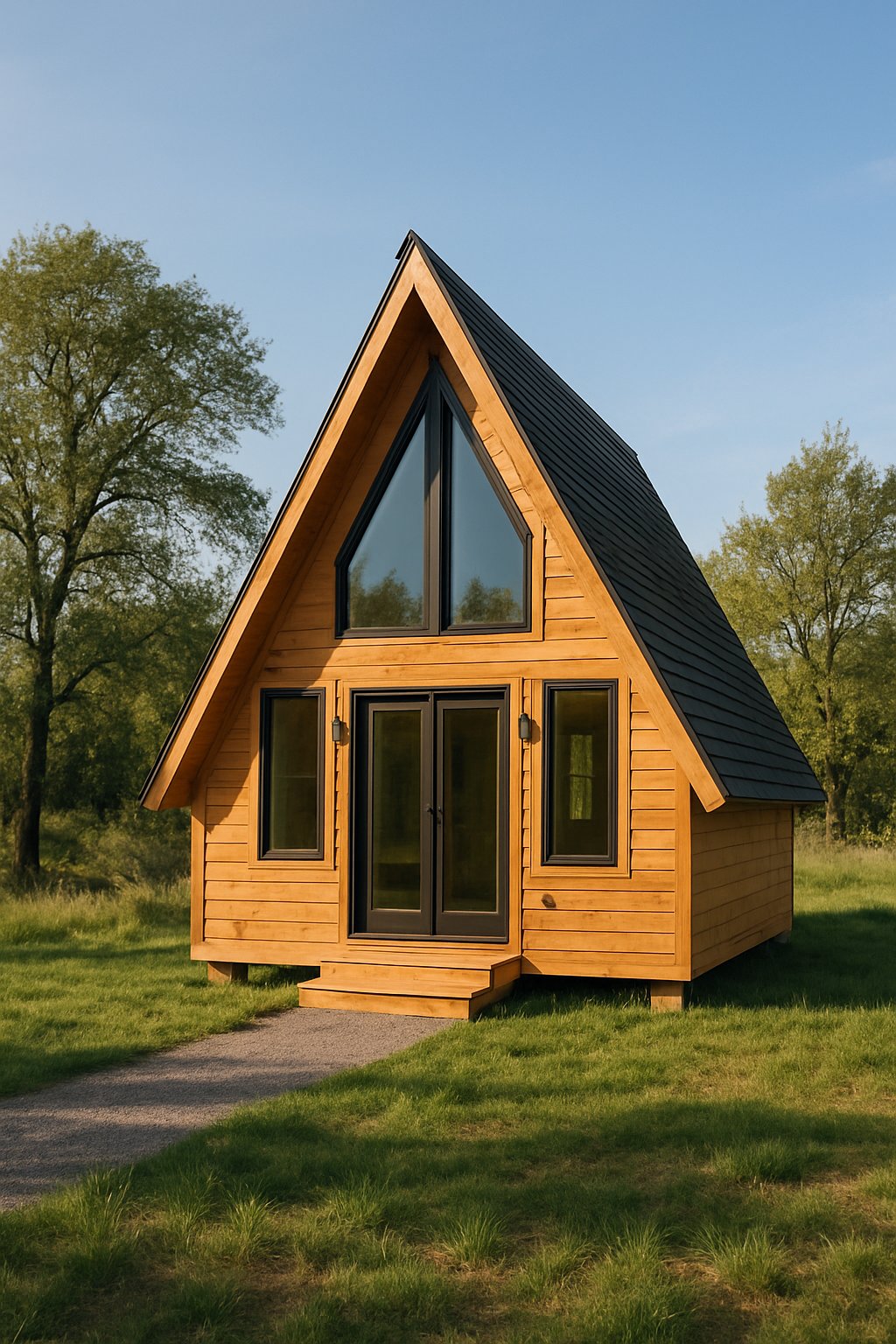
The Timberline A-Frame offers about 895 square feet of living space. It includes one bedroom, one bathroom, and an open living area.
Large windows provide natural light and outdoor views. A loft space adds extra room for sleeping or storage.
8) The Aspen A-Frame by Backcountry Hut Company
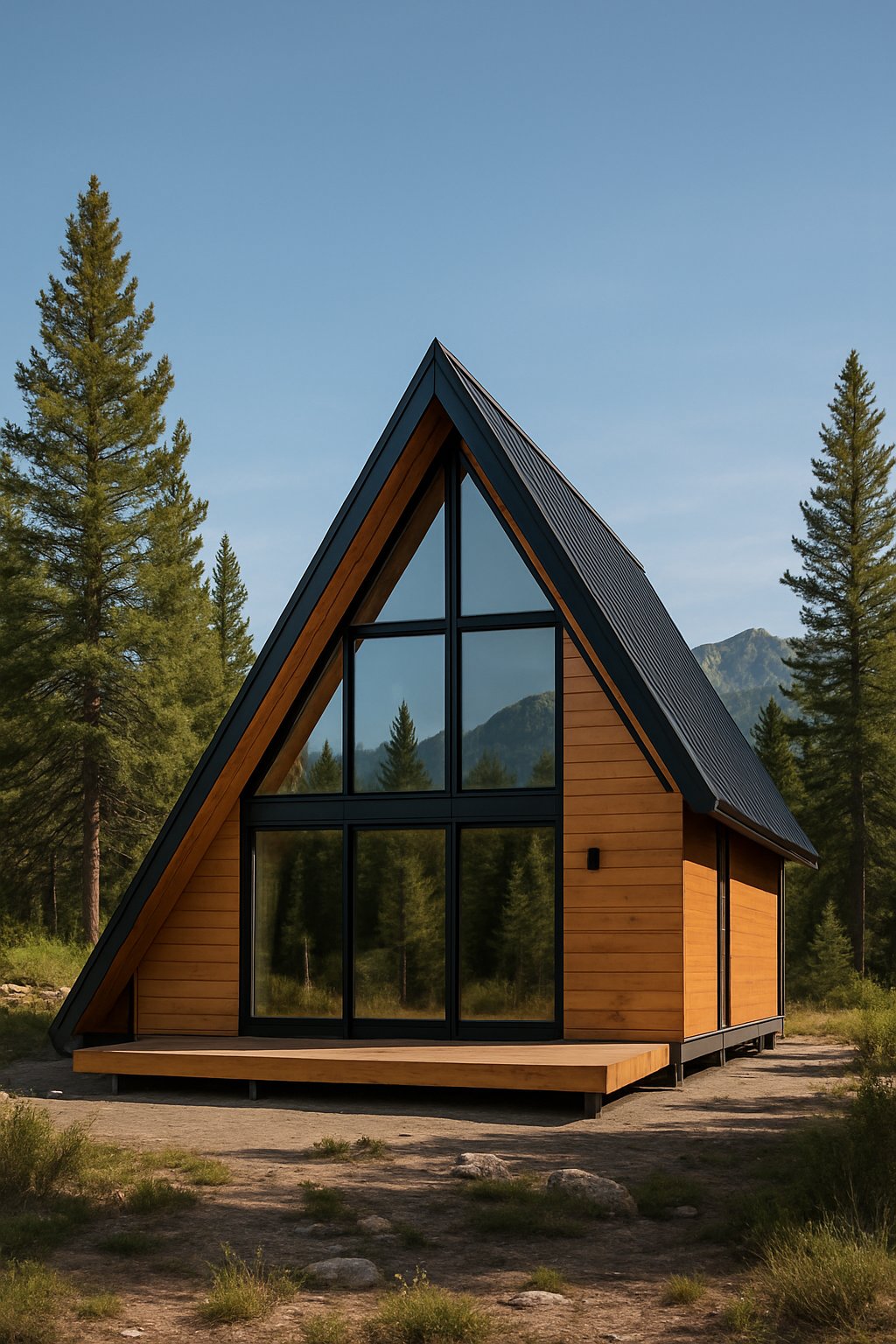
The Aspen A-Frame is a prefabricated cabin kit designed for quick assembly. It features a simple A-frame structure with a compact footprint.
Backcountry Hut Company ships the kit pre-cut and flat-packed. Assembly can be completed in a short time with basic construction skills.
9) The Little Guy A-Frame Kit
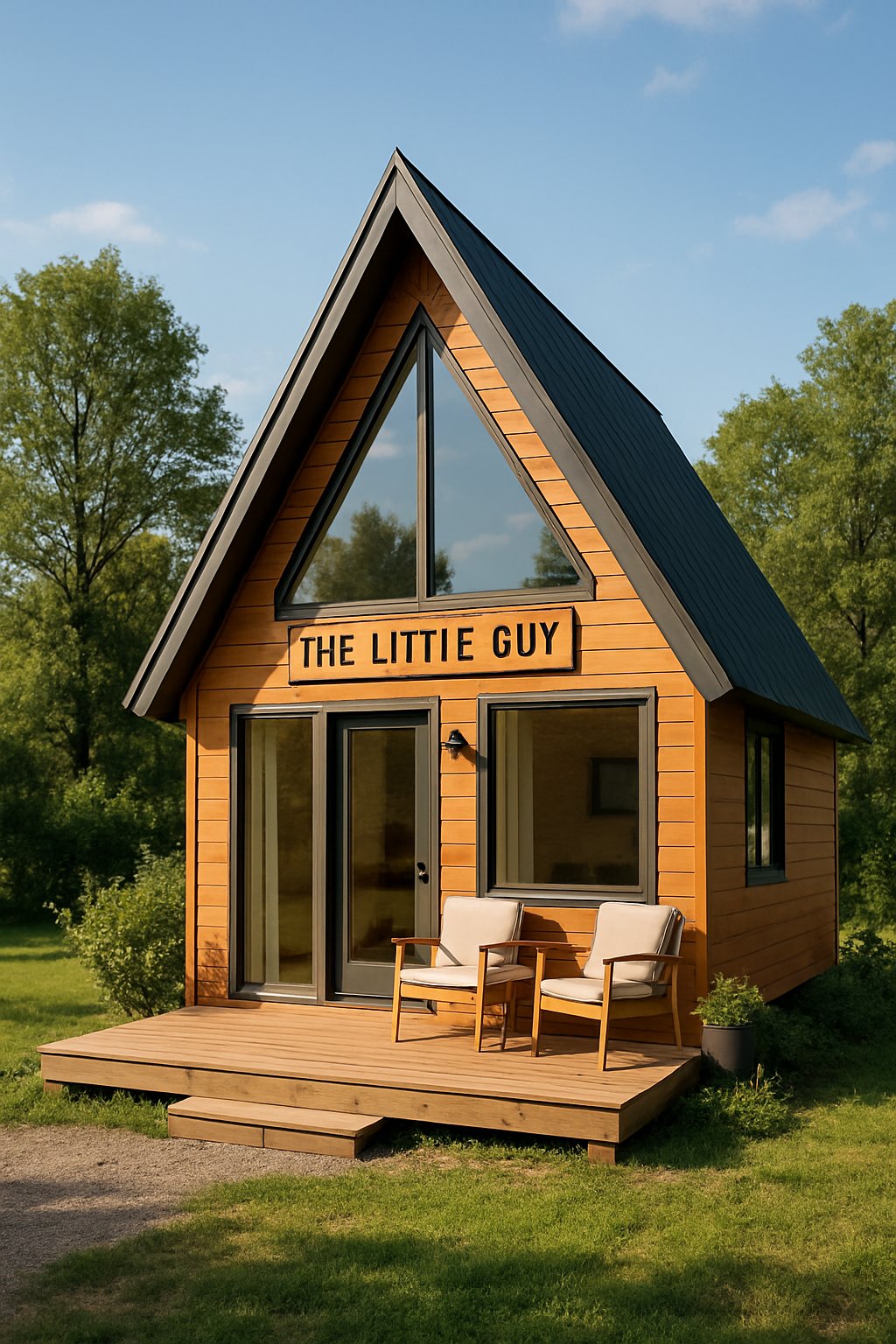
The Little Guy A-Frame Kit is a compact option designed for small living or vacation use.
It comes with pre-cut materials that simplify assembly for those with basic building skills.
Its modest size makes it easier to place on smaller lots or remote sites.
10) The Eco A-Frame by Greenfab
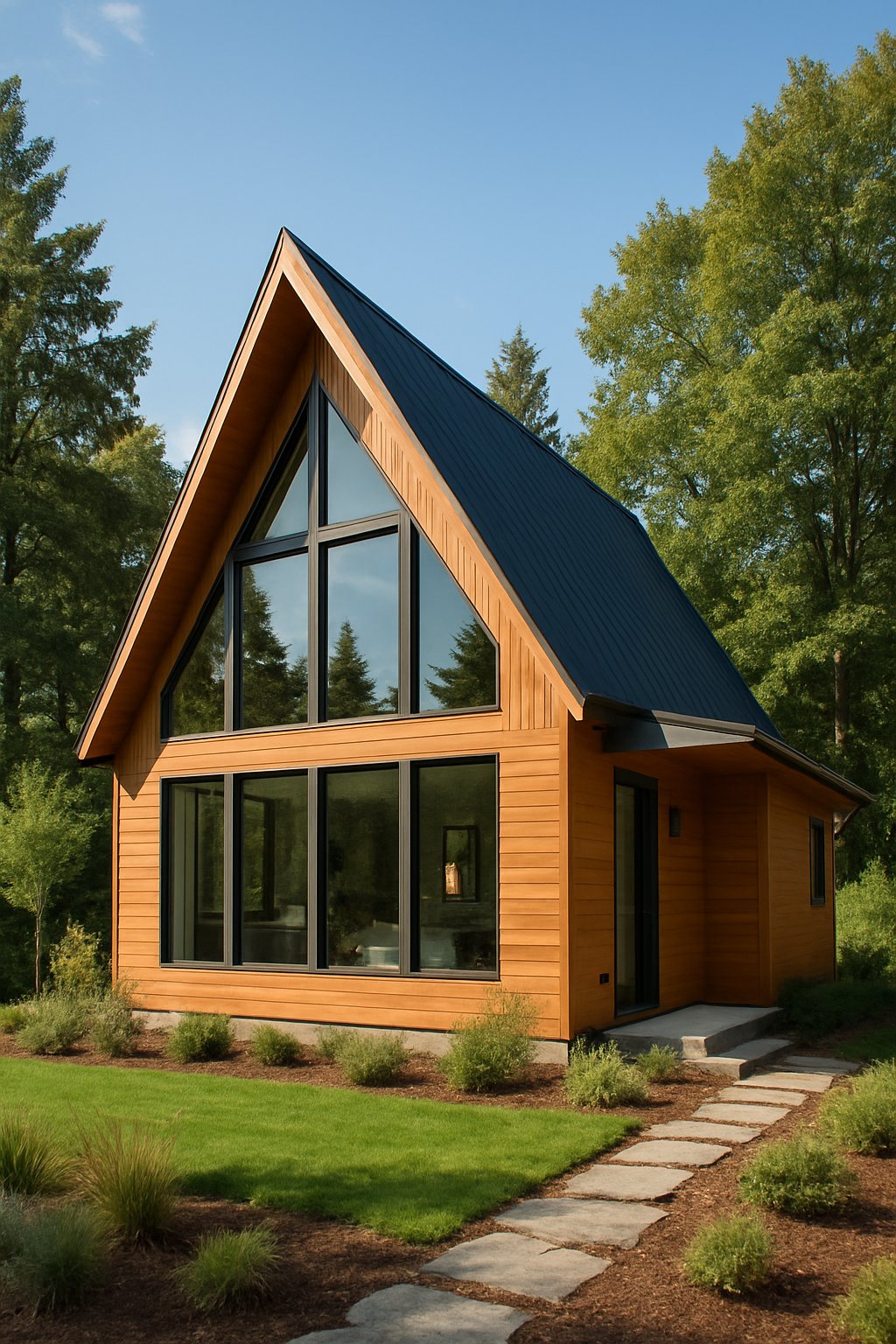
The Eco A-Frame by Greenfab uses sustainable materials and energy-efficient design.
It comes as a prefab kit, making assembly faster and reducing waste.
Buyers can choose different layouts to fit their space and budget needs.
11) The Pioneer A-Frame Kit by Revolution Precrafted
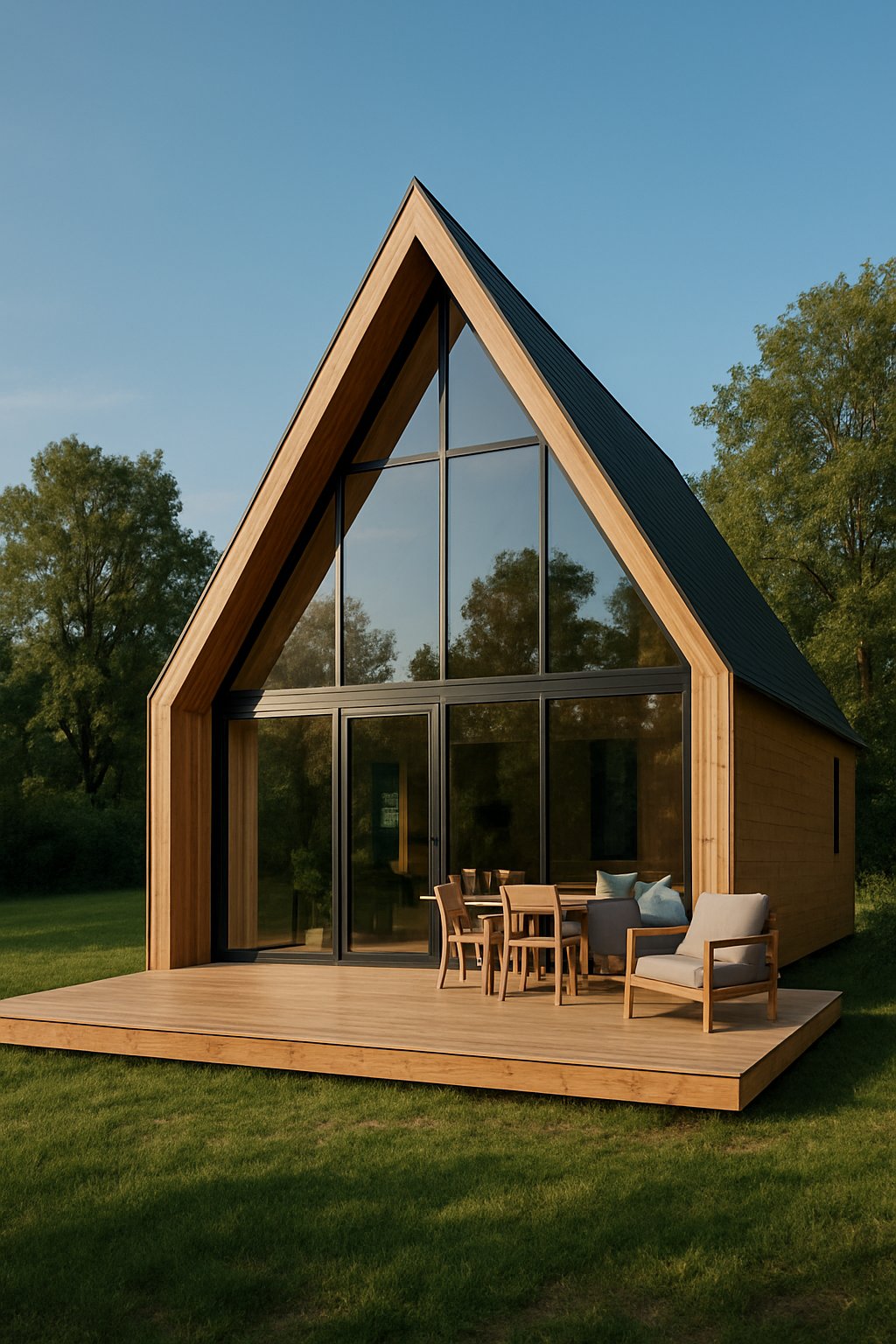
The Pioneer A-Frame Kit offers a simple and functional design suited for various climates.
It comes as a prefab package with pre-cut materials for faster assembly.
Buyers can choose from different sizes and layouts to match their space and budget needs.
Key Considerations Before Buying a Prefab A-Frame House Kit
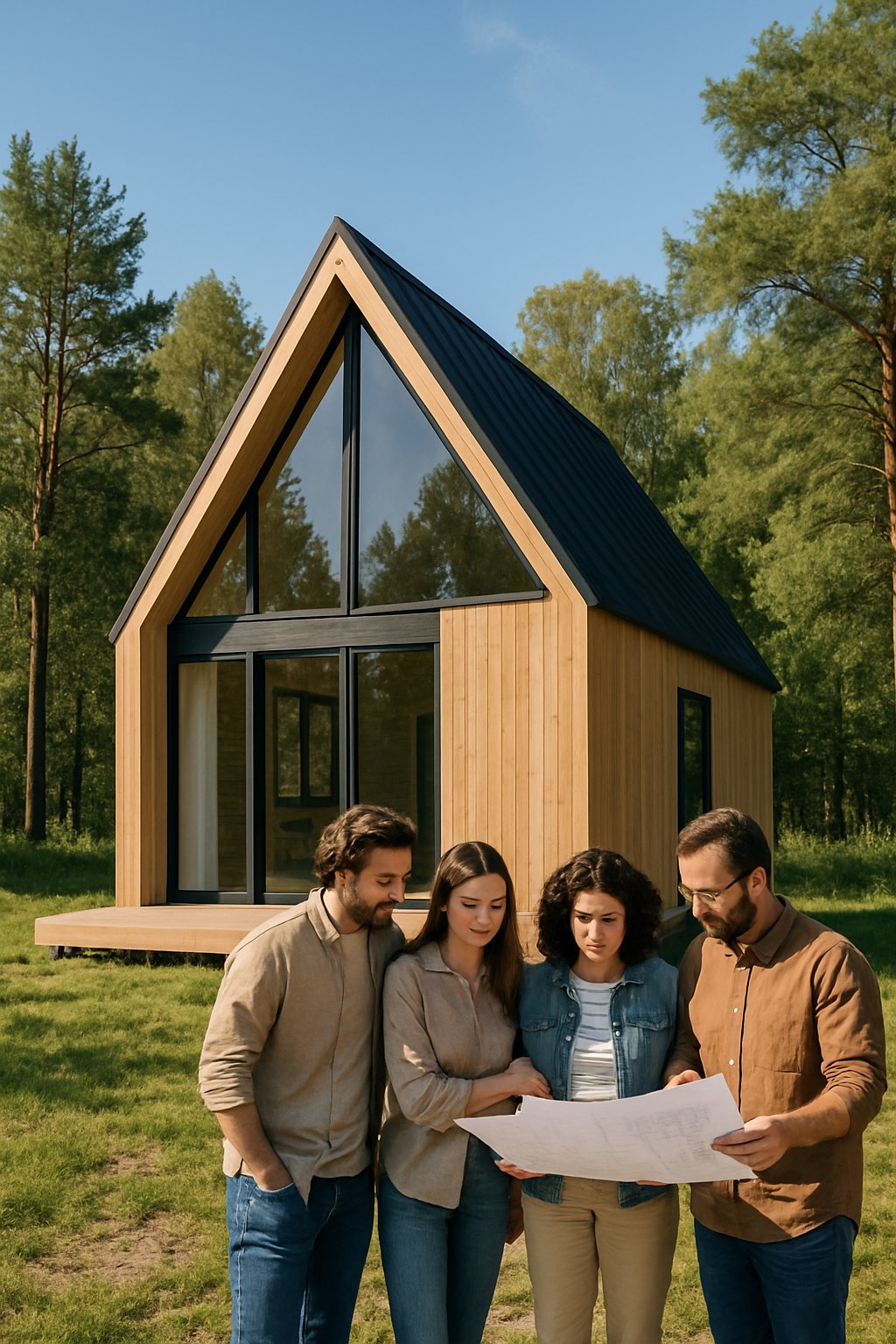
The total cost of an A-frame kit depends on more than the base price. Land preparation, permits, and customization choices can add significant expenses. Local building codes, climate, and terrain also affect the design, materials, and timeline.
Budget Planning and Cost Factors
A-frame kits vary widely in price, from small basic shells under $20,000 to larger, fully equipped models over $100,000. Buyers should also account for shipping costs, which can be several thousand dollars depending on location.
Assembly costs are another major factor. Even if the kit is marketed as DIY-friendly, many owners hire contractors for parts of the build. Labor rates vary by region and can add 25–50% to the total project cost.
Other expenses include:
- Foundation work (concrete slab, pier, or crawl space)
- Utilities (water, sewer, electricity, internet)
- Interior finishes (flooring, cabinets, fixtures)
A clear budget should include both the kit price and these additional costs to avoid unexpected overruns.
Site Preparation and Permitting
Before ordering a kit, the building site must be evaluated for slope, soil stability, and drainage. Steep or rocky terrain often requires extra grading or specialized foundation work, which can be costly.
Permitting is a critical step. Each municipality has its own zoning rules, setback requirements, and building codes. Some areas require engineered plans stamped by a licensed architect or engineer.
Utility access should be confirmed early. If the property is off-grid, installing solar panels, septic systems, or water storage tanks will add to the timeline and budget. Delays in permitting or inspections can push the project back by weeks or months.
Customization Options
Most prefab A-frame kits offer different floor plans, roof pitches, and window configurations. Some allow upgrades such as larger decks, loft spaces, or energy-efficient insulation.
Buyers should confirm which changes can be made without voiding warranties or requiring additional engineering. Customizations that alter the structure’s load-bearing design may need new calculations and approvals.
Interior customization is often more flexible. Owners can choose finishes, fixtures, and layouts to match their needs. However, non-standard requests may increase lead times and shipping costs, especially if materials are sourced from outside the manufacturer’s standard options.
Long-Term Value and Maintenance
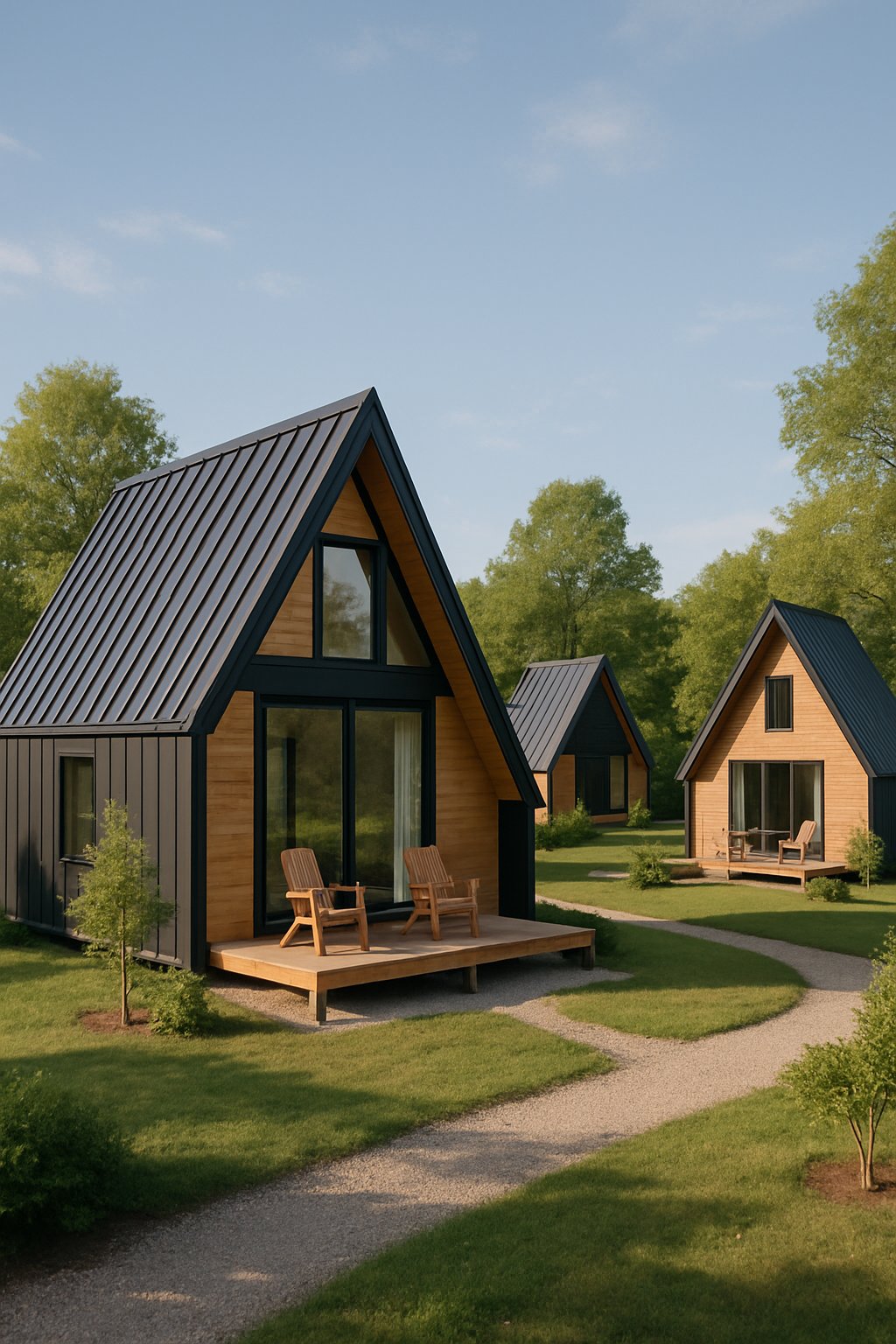
A-frame prefab house kits can reduce long-term costs through smart design and material choices. Proper insulation, efficient layouts, and durable building components help maintain comfort, lower utility bills, and extend the home’s lifespan with minimal repairs.
Energy Efficiency and Insulation
Many A-frame kits use structural insulated panels (SIPs) or similar systems. These panels combine insulation and structural support, which can reduce air leaks and improve thermal performance.
The steep roof design of an A-frame allows snow and rain to shed quickly, which can help prevent moisture issues that affect insulation performance. In colder climates, high R-value insulation in the roof and walls is essential to maintain indoor temperatures without overworking heating systems.
Energy-efficient windows, especially double or triple-pane glass, can further reduce heat loss. Proper sealing around doors and windows also prevents drafts.
Some kits include options for energy-efficient upgrades such as thicker wall panels, radiant floor heating, or solar-ready wiring. These features can lower utility costs over decades of use.
| Feature | Benefit |
|---|---|
| SIP construction | Reduced heat loss, faster build time |
| High R-value insulation | Better temperature control |
| Energy-efficient windows | Lower heating/cooling costs |
Durability of Materials
The lifespan of an A-frame prefab home depends heavily on the materials used. Many kits use pressure-treated lumber or engineered wood to resist rot and insect damage. Metal roofing is common, offering a service life of 40–70 years with minimal upkeep.
Exterior siding options such as fiber cement or cedar can withstand harsh weather while requiring less frequent replacement. The steep roof angle also reduces the risk of water pooling, which helps protect structural components.
Fasteners and connectors made from galvanized or stainless steel resist corrosion, especially in coastal or high-humidity areas.
Routine maintenance—such as resealing wood surfaces, checking for loose panels, and cleaning gutters—can further extend the home’s life. Choosing low-maintenance finishes at the start can reduce future upkeep costs.
How Much Does It Cost To Build An A-Frame House?
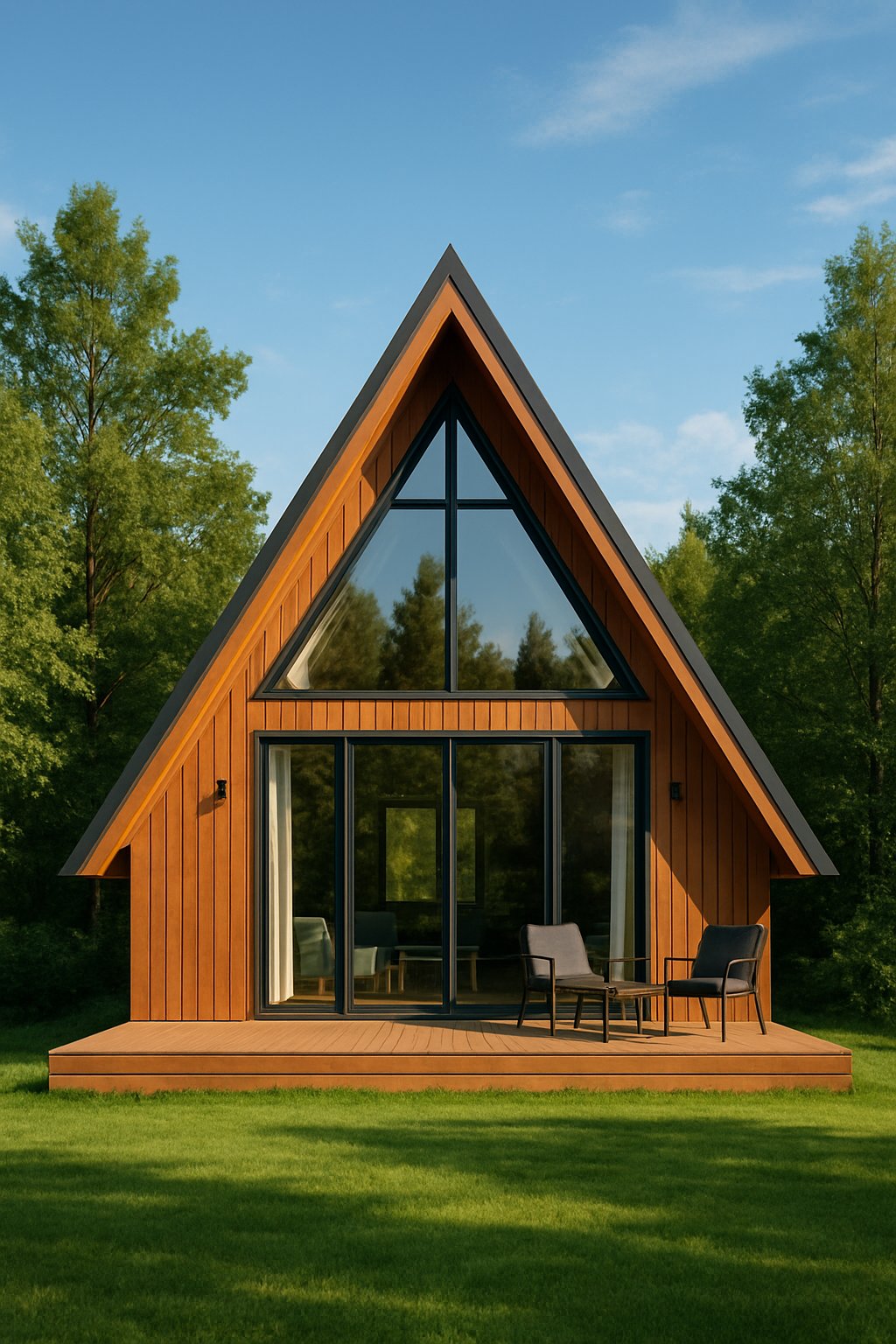
The cost to build an A-frame house depends on size, materials, and location. On average, it ranges from $100 to $300 per square foot. For a 1,000-square-foot home, that equals about $100,000 to $300,000.
Prefab A-frame kits can be more affordable. Many kits cost $60 to $140 per square foot, and some small models are available for under $60,000. These kits often include the main structure materials but may not cover land, utilities, or interior finishes.
Example cost ranges:
| Size (sq ft) | Low Estimate | High Estimate |
|---|---|---|
| 500 | $30,000 | $150,000 |
| 1,000 | $60,000 | $300,000 |
| 1,500 | $90,000 | $450,000 |
Labor, permits, and site preparation add to total costs. Remote or difficult-to-access land can increase expenses. In contrast, flat, cleared lots with existing utilities can reduce them.
Buyers should also consider optional upgrades. Higher-end windows, insulation, and roofing will raise the price, while simpler finishes can keep it lower.
A-frame houses are generally simpler to construct than many other home styles, which can reduce labor hours. However, costs still vary widely based on the builder’s approach and the chosen kit or plan.
Frequently Asked Questions
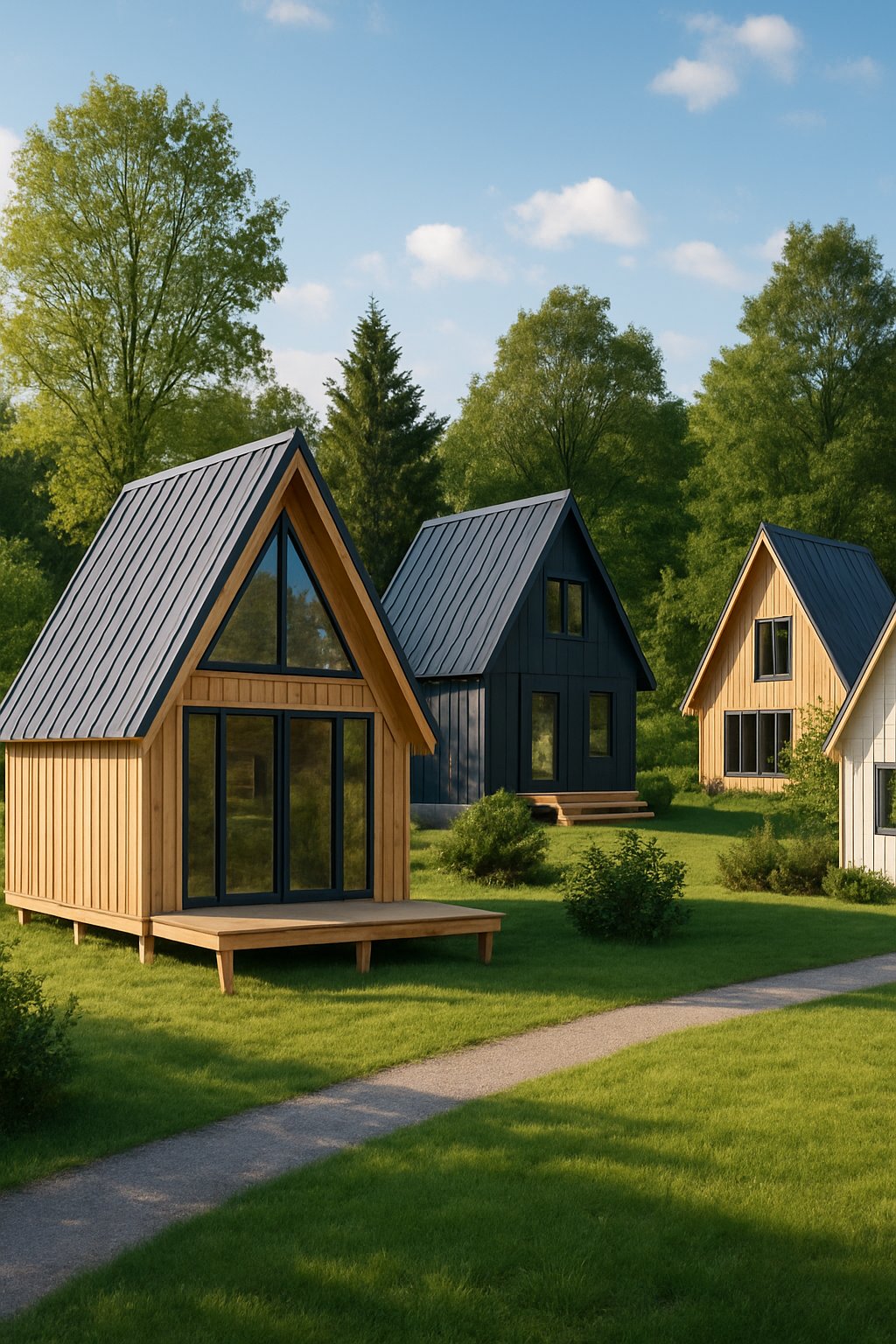
Prefab A-frame house kits offer a balance of cost efficiency, design flexibility, and faster build times compared to traditional homes. Buyers often weigh factors like durability, customization options, energy performance, and compliance with local regulations before making a choice.
What are the key features to look for in a high-quality prefab A-frame house kit?
A good kit should use durable materials, such as treated wood or steel connectors, to ensure structural strength.
It should include clear assembly instructions and all major components needed for construction.
Weather resistance, insulation options, and compatibility with different foundation types are also important.
How does the cost of prefab A-frame house kits compare to traditional home building?
Prefab A-frame kits typically range from $60 to $140 per square foot, depending on size and features.
This is often lower than the cost of building a traditional home, which can exceed $150 per square foot.
Labor savings are common since kits are designed for easier assembly.
Can prefab A-frame house kits be customized to meet specific design preferences?
Many manufacturers allow changes to floor plans, window placement, and interior finishes.
Some kits, like the Avrame Solo or Trio, offer multiple size options to fit different needs.
Buyers should confirm customization availability before purchase, as it can affect cost and delivery time.
What is the average assembly time for a prefab A-frame house kit?
Assembly time can range from a few days to several weeks.
Smaller models, such as the Avrame Solo, may take less than a week with a small team.
Larger or more complex designs, like multi-room A-frames, can require more time for finishing work.
How sustainable and energy-efficient are prefab A-frame house kits?
The steep roof design helps shed snow and rain, reducing maintenance needs.
Many kits can be built with high-grade insulation and energy-efficient windows.
Some models are designed to work well in off-grid or solar-powered setups.
What are the zoning and building permit considerations for installing a prefab A-frame house?
Local building codes and zoning laws determine where and how an A-frame can be built.
Permits are usually required for both the structure and its foundation.
Buyers should check with their local planning office before ordering a kit to avoid delays.