
Old European House Ideas for Elegant and Timeless Living
Old European houses capture a quiet elegance that never feels outdated. Stone walls, arched doorways, and steeply pitched roofs show how craftsmanship once shaped both beauty and function. These classic designs guide anyone interested in bringing heritage and warmth into modern spaces.

Each style tells a story of its region—French chateaus with soft curves, English cottages with weathered brick, or Alpine chalets with wooden beams and deep eaves. Together, they offer timeless ideas for creating homes that blend tradition with comfort.
Exploring these old European house ideas reveals more than architecture; it uncovers a lifestyle centered on texture, balance, and lasting quality. Whether updating a home or building new, these design features invite charm and authenticity that still hold strong today.
French Chateau Cottage Ideas
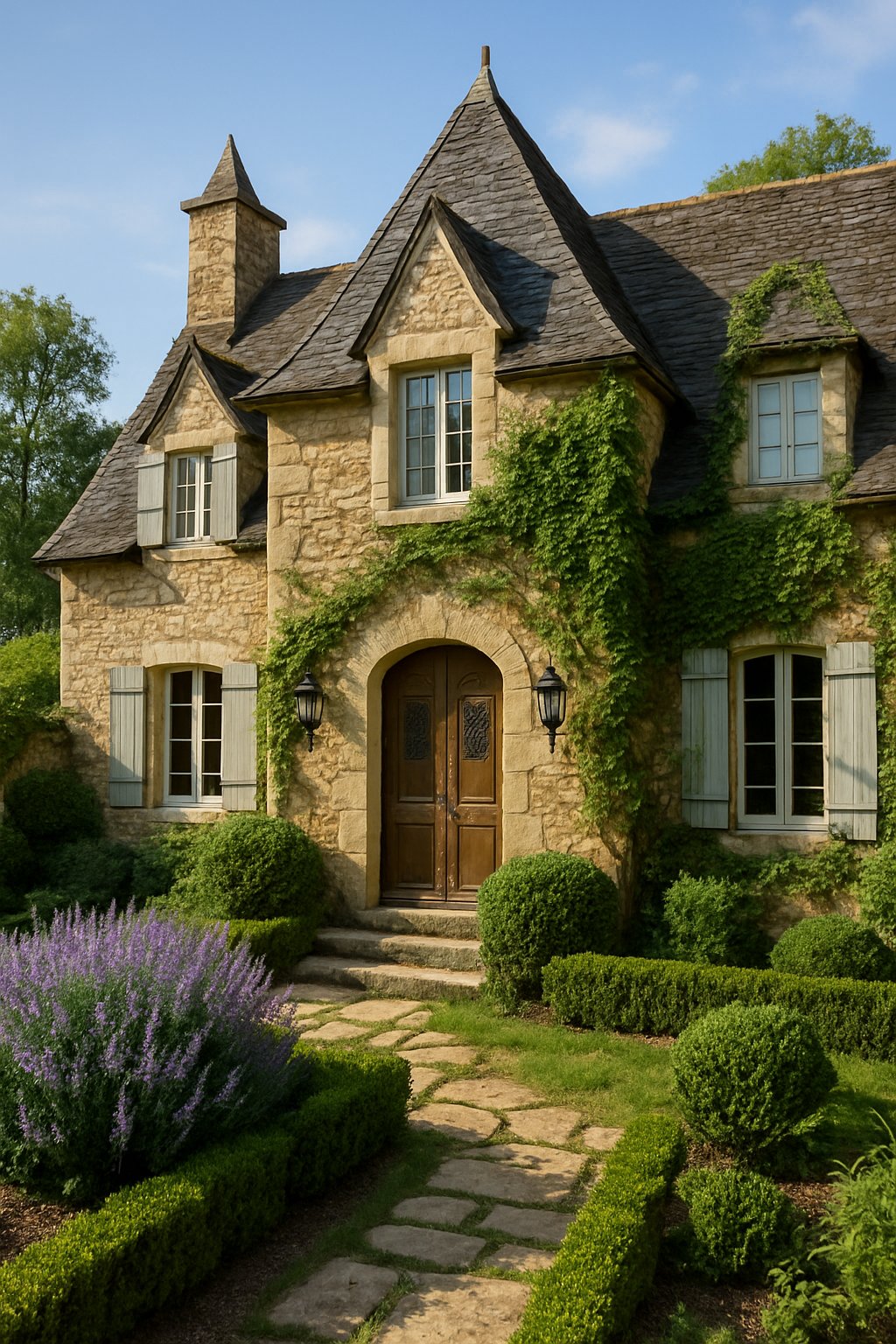
French chateau cottages mix the charm of countryside living with the refined details of French country homes. They often feature stone or stucco exteriors, steeply pitched roofs, and tall windows that allow light to fill every corner. These elements create a classic balance between rustic warmth and understated elegance.
Inside, designers favor wood beams, arched doorways, and neutral color palettes. Touches of aged metal, such as wrought-iron railings or lantern-style lighting, add texture without overwhelming the space. Soft fabrics like linen and cotton keep rooms relaxed and inviting.
Key design ideas often include:
- Weathered wood furniture that complements natural stone floors
- Lavender or olive tones to echo the countryside landscape
- Vintage mirrors and chandeliers for subtle luxury
- Simple garden courtyards with gravel paths and climbing vines
A mix of practical and decorative features gives these cottages their character. For example, exposed ceiling beams provide both structure and traditional style, while French doors open to patios that extend living areas outdoors.
| Feature | Description |
|---|---|
| Materials | Stone, stucco, wood, clay tiles |
| Colors | Soft neutrals, muted greens, and creams |
| Decor | Classic furniture, rustic metal accents, woven textiles |
French chateau cottage design values comfort and history. It invites people to enjoy a home that feels graceful yet grounded in everyday simplicity.
House European Style
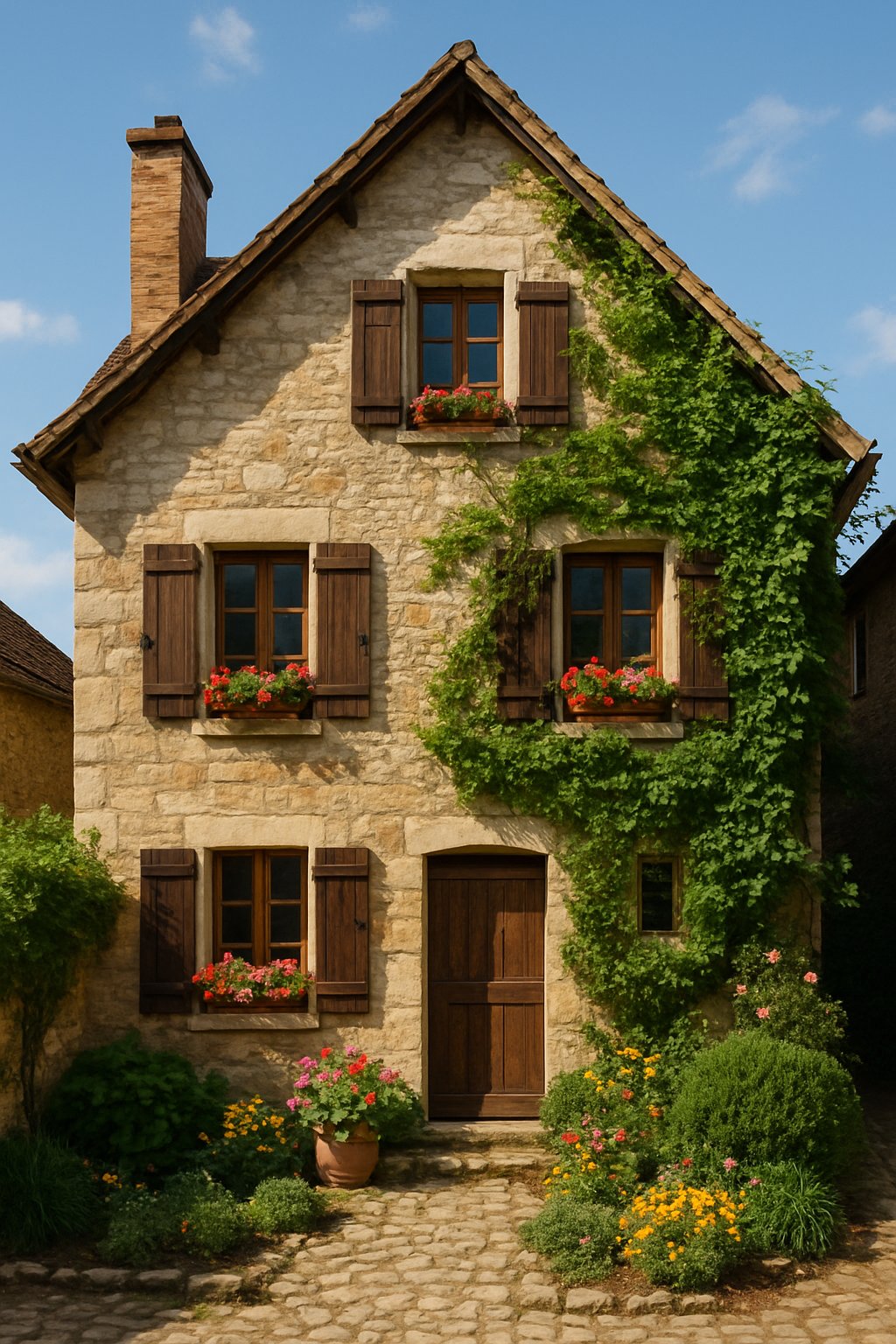
European homes blend historical charm with practical design. They often feature stone or brick exteriors, arched doorways, and tall windows with shutters. These details create a balanced look that feels warm and timeless.
Many houses borrow from different regions of Europe. French country homes use soft colors and curved rooflines. Tudor designs show off steep gables and wood accents. Mediterranean styles, such as Spanish or Tuscan, rely on stucco walls and red tile roofs. Each type offers a distinct expression of European style.
| Common Feature | Typical Material | Regional Influence |
|---|---|---|
| Arched windows | Stone, brick, or stucco | Southern Europe |
| Steep roofs | Slate or tile | Northern Europe |
| Shutters and trim | Wood | Central Europe |
European-style houses often mix old and new. Builders may include modern layouts and energy-efficient systems while keeping the classic look outside. This balance preserves tradition while adapting to current needs.
Details matter in this design approach. Iron light fixtures, wooden beams, and textured walls give a space depth and character. These touches help people connect with European architectural heritage in a comfortable, livable way.
European Architecture Homes
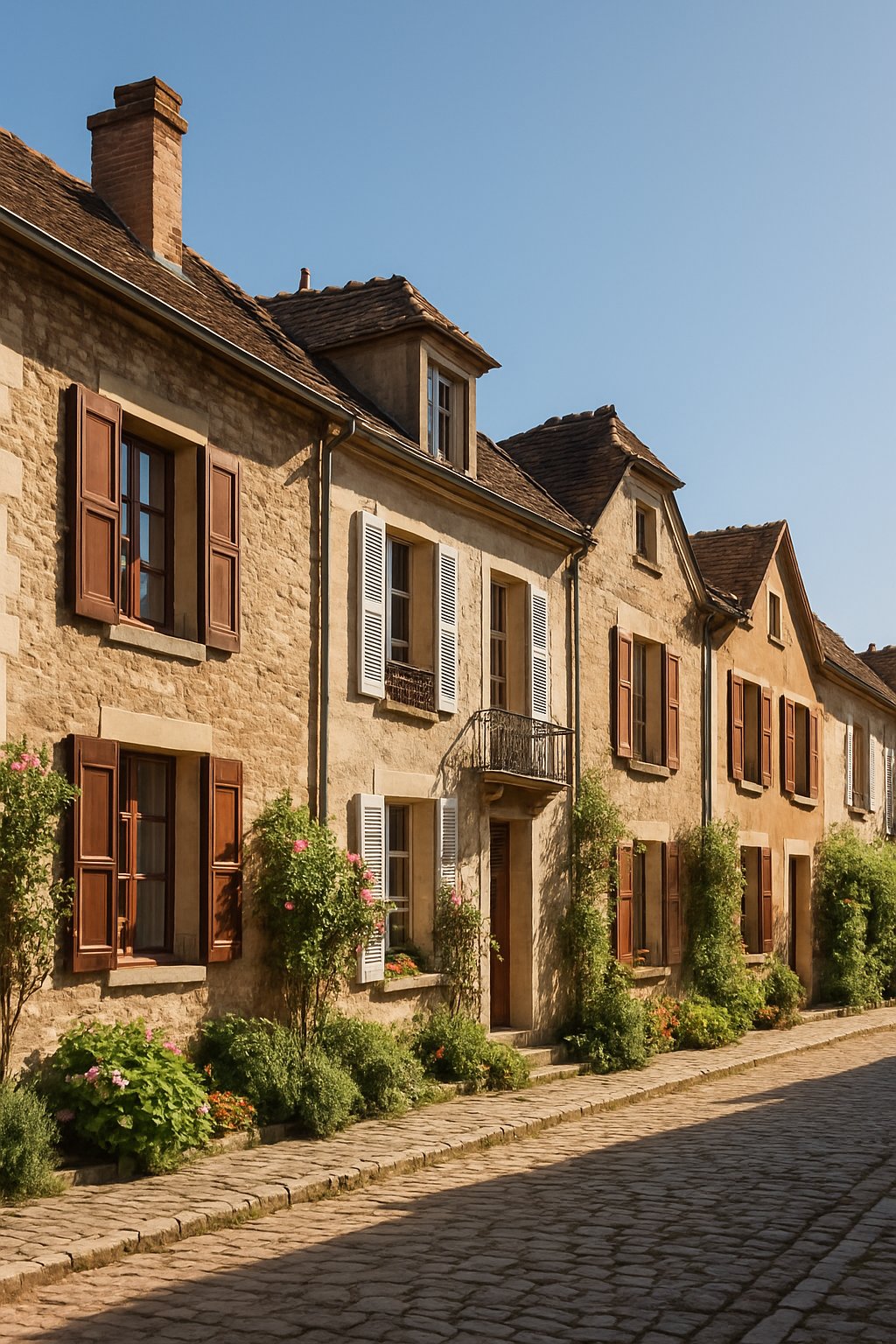
European architecture homes blend historic details with timeless structure. They draw inspiration from regions such as France, England, and Italy. Builders often use natural materials like stone, brick, and stucco to create durable exteriors that age gracefully.
Many designs feature steeply pitched roofs, arched entryways, and decorative window shutters. These elements give the homes a distinctive old-world look. Some models include clipped gables or hipped rooflines, adding variation to the silhouette.
A few popular European styles include:
- Tudor homes – recognizable by half-timber framing and tall, narrow windows.
- French Country – marked by soft colors, curved arches, and rustic finishes.
- Mediterranean villas – known for tiled roofs and open courtyards.
| Feature | Common Materials | Regional Influence |
|---|---|---|
| Rooflines | Slate, Clay Tile | Northern & Southern Europe |
| Facades | Brick, Stone, Stucco | English, French, Italian |
| Trim and Detail | Wood, Ironwork | Tudor, Gothic, Baroque |
Each architectural type reflects its region’s climate and culture. In colder areas, thick walls and steep roofs manage snow and keep interiors warm. In warmer climates, wide eaves and shaded terraces help maintain cooler spaces.
Modern versions of these houses combine efficient layouts with classic detailing. They may use modern windows and insulation while keeping arched doorways or stone façades for authentic charm.
Old European House Ideas
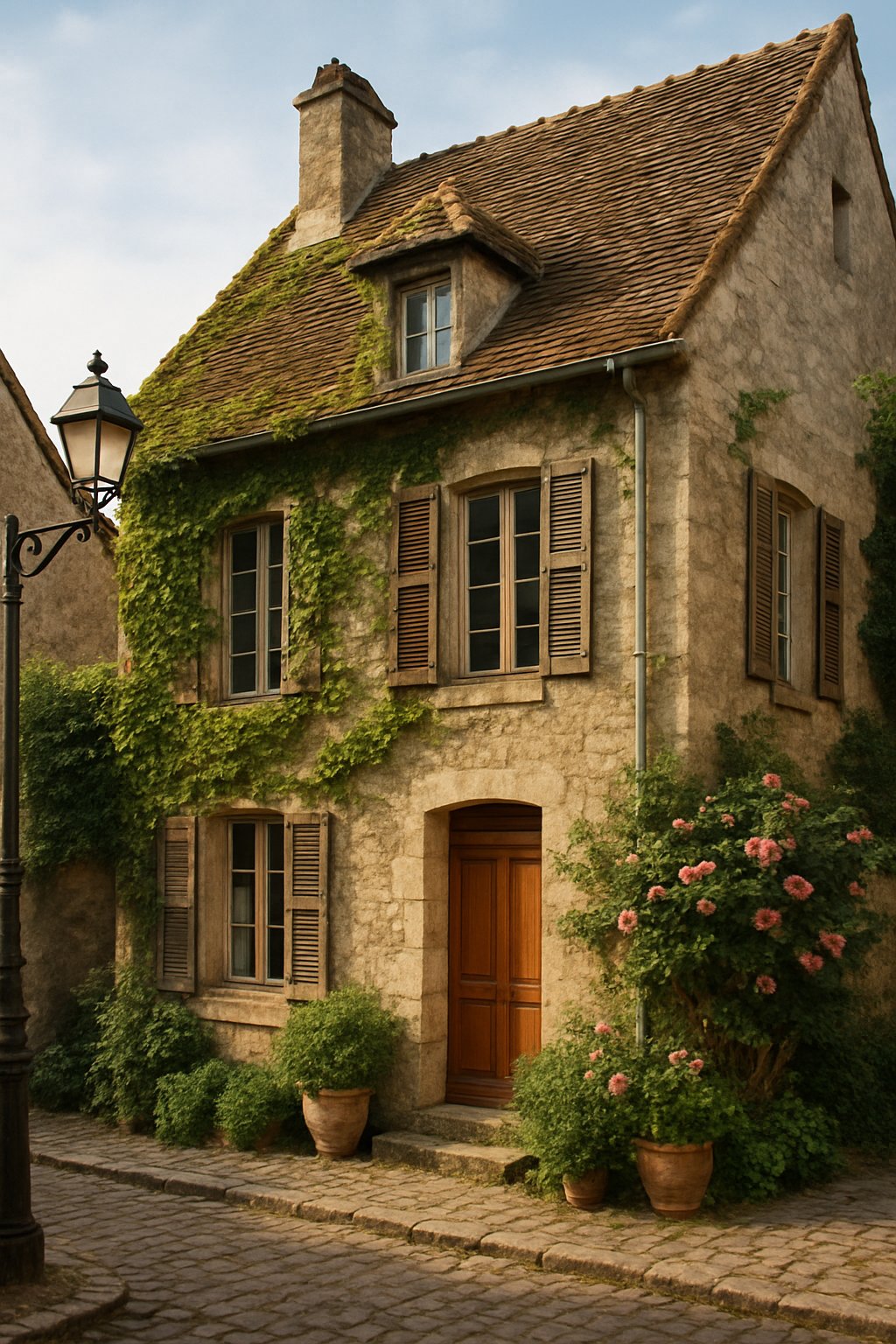
Old European house ideas focus on timeless elegance and practical design. These homes often combine detailed craftsmanship with warm, natural materials. Stone walls, arched windows, and tall windows bring in light while keeping a sense of history.
Many European house plans use hipped rooflines, steep gables, and textured finishes. These features add layers of character and reflect architectural influences from regions such as France, Italy, and England. Inside, homeowners may find vaulted ceilings that create space and highlight the building’s structure.
A central fireplace often anchors the main living area. It adds visual balance and provides warmth during cool seasons. Floors may feature patterned tiles or wood planks arranged in simple yet classic layouts.
Common details include wrought iron railings, carved wood accents, and small courtyards. Such elements give homes both charm and a lived-in feel. Builders often design floor plans around open gathering spaces connected to outdoor patios or gardens.
| Key Feature | Description |
|---|---|
| Hipped Rooflines | Sloping sides that enhance durability and visual harmony |
| Arched Windows | Rounded shapes that soften the exterior look |
| Vaulted Ceilings | High interior spaces that add depth and light |
| Wrought Iron Details | Decorative yet sturdy metalwork for railings or gates |
These design elements help Old European homes maintain their historic influence while adapting well to modern living needs.
European Chalet Ideas
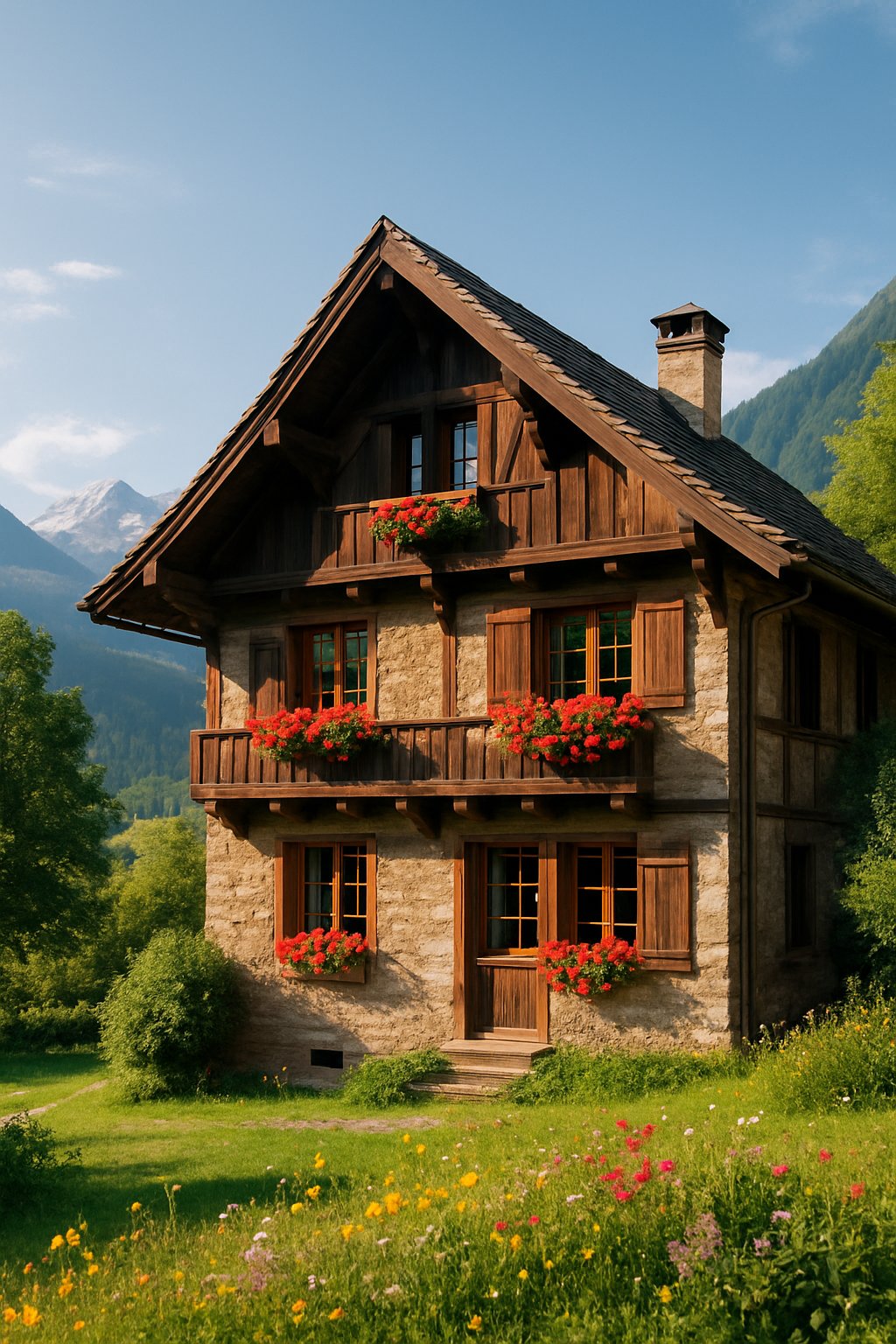
European chalets combine rustic materials, steeply pitched roofs, and warm interiors designed for comfort in cold climates. They often use regional influences, blending wood, stone, and light colors to create inviting yet practical mountain homes built to handle snowy weather and steep terrain.
French Chalet Style Ideas
A French chalet emphasizes balance between cozy alpine form and refined design details. It often uses natural stone foundations, exposed timber beams, and slate or dark shingle roofs. Warm white plaster walls or pale wood cladding lighten the structure, while window shutters and wrought iron accents add a traditional French touch.
Inside, designers focus on layered textures. Wool throws, heavy curtains, and natural linen upholstery soften the interiors while maintaining durability. Many French chalets feature open-concept living areas with a large stone fireplace as the centerpiece.
Key features:
- Symmetrical façades with wide balconies
- Floor-to-ceiling windows framing mountain views
- Simple rooflines paired with detailed eaves and brackets
Together, these elements create a space that feels both rustic and subtly elegant.
French Country Chalet Ideas
A French Country chalet combines farmhouse warmth with alpine functionality. It tends to look relaxed and lived-in, mixing stone, aged wood, and gentle neutral tones. Earthy colors like beige, gray, and muted green dominate both exteriors and interiors.
The design often includes arched doorways, wood-paneled ceilings, and antique-style furniture. Kitchens highlight stone counters and open shelving, merging tradition with comfort. Interior decor leans toward practicality, often with handwoven rugs, ceramic vases, and vintage lighting.
| Common Material | Function |
|---|---|
| Reclaimed wood | Flooring and beams |
| Limestone | Walls or fireplace surrounds |
| Iron | Railings and hardware |
While rooted in rustic appeal, the French Country chalet still feels bright and airy due to generous windows and controlled use of texture.
French Chalet House Ideas
The French chalet house often serves as a larger version of a traditional mountain lodge. It merges functional mountain architecture with French symmetry and proportion. Exterior walls typically feature a combination of stone on the ground floor and wood siding above, maintaining structure and insulation.
Interior layouts usually include a central great room with a connected kitchen and dining area for communal living. Bedrooms on upper floors take advantage of sloped ceilings, while balconies extend along the façade for outdoor seating.
To enhance comfort, builders often use radiant floor heating, triple-pane windows, and energy-efficient insulation. This design adapts to modern living standards while preserving a distinctive European aesthetic.
French Chalet Exterior Ideas
The exterior of a French chalet typically reflects endurance and simplicity. Gabled roofs, wide overhangs, and deep balconies protect against snow and rain. The materials—mainly wood, stone, and metal—age naturally, which adds character over time.
Color palettes stay subdued: light grays, natural browns, and soft whites harmonize with mountain scenery. Decorative shutters, detailed eaves, and subtle carving or millwork introduce craftsmanship without unnecessary ornamentation.
Lighting also plays an important role. Warm exterior sconces, soft pathway lights, and window boxes with greenery make the façade more inviting. These details create an exterior that feels grounded, timeless, and integrated into its landscape.
Frequently Asked Questions
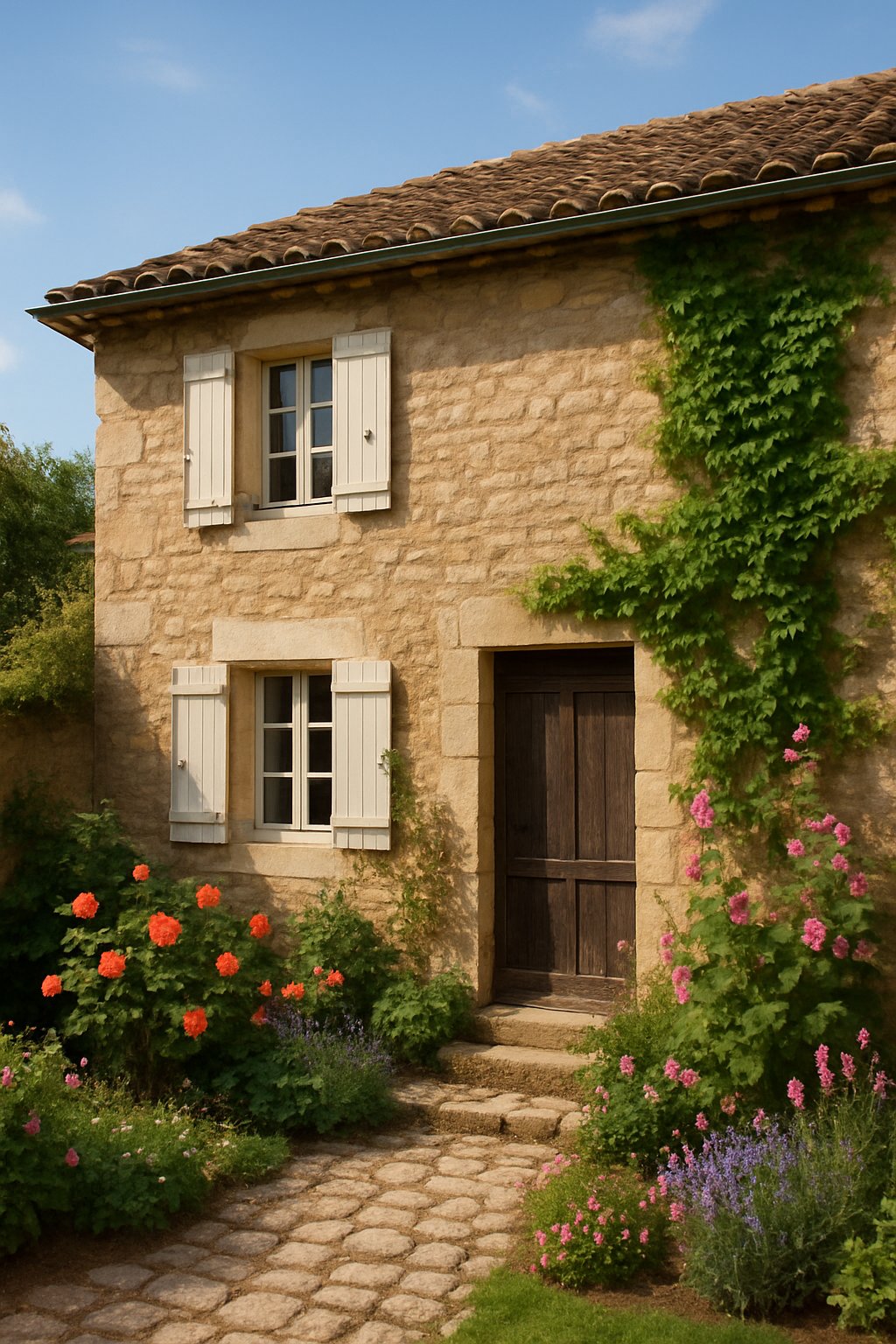
Old European house design combines natural materials, detailed craftsmanship, and timeless architecture. It values balance, texture, and proportion while blending traditional charm with practical features that remain appealing today.
What are essential elements of Old European interior design?
Old European interiors often use stone, wood, and plaster as primary materials. Rooms include exposed beams, arched doorways, and ornate molding.
Color palettes usually stay neutral, with shades of cream, beige, and warm gray. Textiles such as linen, wool, and velvet add comfort and depth without overwhelming the space.
How do Old European exterior design features differ from modern ones?
Traditional European exteriors highlight pitched roofs, stone facades, and tall chimneys. These features provide durability and weather protection suited to older climates and landscapes.
Modern homes use cleaner lines, minimal ornamentation, and lighter materials like steel or stucco. Older designs emphasize craftsmanship, while newer ones focus on efficiency and simplicity.
What are the key characteristics of a European modern house design?
European modern houses combine Old World influences with updated layouts. They keep symmetry and balance but use open floor plans, large windows, and energy-efficient materials.
Builders often mix stone or brick exteriors with smooth stucco and metal accents. The result feels refined yet current, bridging traditional form with modern function.
How can traditional European design be integrated into a modern home?
Homeowners can incorporate old-world elements—like wood beams, wrought-iron details, or arched windows—into modern structures. Using natural finishes and vintage-style fixtures adds character without making a space look dated.
Blending these touches with simple lines and neutral colors creates harmony between eras and keeps the space functional and timeless.
What are the typical floor plans like in Old European houses?
Old European houses tend to have separate rooms for cooking, dining, and living rather than open layouts. Hallways and staircases emphasize formality, and ceilings are often high to create airiness.
Some designs feature central hearths or stone fireplaces as focal points, reflecting family life and warmth as key values in the home.
What distinguishes minimal traditional houses of the 1940s from other styles?
Minimal traditional houses from the 1940s simplified earlier European influences. They used modest rooflines, minimal trim, and smaller footprints to suit postwar budgets.
Unlike Tudor or Colonial styles, these homes emphasized function over decoration. Their design reflected the shift toward affordability and practicality while retaining a hint of period charm.


