How To Clean Bathroom Shower Tiles Without Scrubbing for Hours
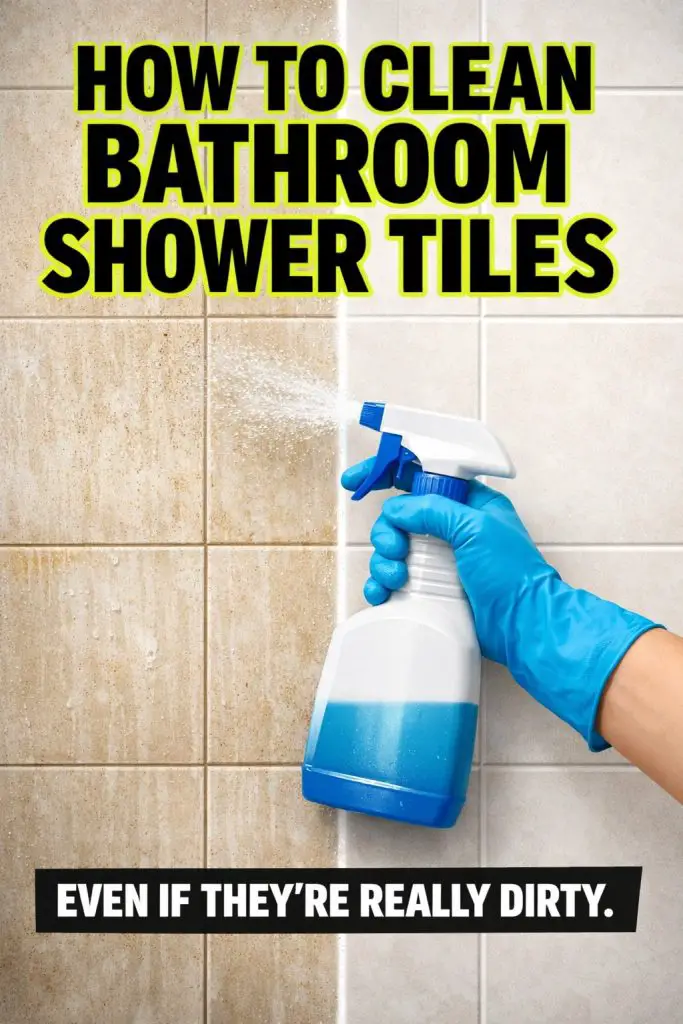
Dirty bathroom shower tiles are one of those problems that creep up slowly. One day your tiles look fine, and the next they’re cloudy, streaky, or covered in soap scum and mildew. No matter how often you rinse, those white marks and dark grout lines just keep coming back. It can make your whole bathroom feel dirty, even when everything else is clean.
I’ve dealt with this issue more times than I can count. Over the years, I’ve cleaned showers in my own home, helped family members tackle neglected bathrooms, and tested a lot of so-called “miracle” cleaners. I think most people struggle because they’re either using the wrong method or giving up too early. In my opinion, cleaning shower tiles doesn’t have to be exhausting or expensive.
That’s exactly why this article exists. By the end, you’ll know how to clean bathroom shower tiles properly, what actually works, and how to keep them clean longer. No confusion, no overcomplicated steps—just clear, practical solutions you can actually use.
Why Bathroom Shower Tiles Get So Dirty
Before jumping into cleaning, it helps to understand why tiles get dirty in the first place. Once you know the cause, the fix makes more sense.
The most common culprits include:
- Soap scum from body wash and shampoo
- Hard water minerals that leave white, chalky stains
- Mildew and mold in damp grout lines
- Product residue from conditioners and scrubs
FYI, tiles themselves are usually easy to clean. Grout is the real troublemaker because it’s porous and traps dirt fast.
What You’ll Need Before You Start
You don’t need a cart full of supplies. In fact, most effective tools are probably already in your home.
Basic Cleaning Supplies
- Baking soda
- White vinegar
- Dish soap
- Spray bottle
- Soft scrub brush or old toothbrush
- Microfiber cloth or sponge
Optional but helpful:
- Hydrogen peroxide
- Commercial tile cleaner
- Rubber gloves
Pro tip: Avoid abrasive pads on glossy tiles. They can dull the finish over time.
How To Clean Bathroom Shower Tiles (Step-by-Step)
Step 1: Rinse the Tiles First
Always start by rinsing your shower tiles with warm water. This loosens surface dirt and makes cleaning easier.
Why this matters:
- Prevents spreading grime around
- Helps cleaners work more effectively
It sounds basic, but skipping this step makes cleaning harder.
Step 2: Make a Simple DIY Tile Cleaner
For everyday dirt and soap scum, a DIY cleaner works surprisingly well.
Easy recipe:
- 1 cup warm water
- ½ cup white vinegar
- A few drops of dish soap
Mix it in a spray bottle and shake gently.
IMO, this combo beats many store-bought cleaners for regular maintenance.
Step 3: Spray and Let It Sit
Spray the solution generously over the tiles and grout. Don’t rush this part.
- Let it sit for 10–15 minutes
- This breaks down soap scum and mineral buildup
Cleaning is easier when you let chemistry do the work.
Step 4: Scrub Gently but Thoroughly
Use a soft brush or toothbrush for grout lines.
Focus on:
- Corners
- Tile edges
- Areas near the shower floor
Key takeaway: You don’t need extreme pressure—consistent, gentle scrubbing works better and protects the tiles.
Step 5: Rinse and Dry
Rinse everything with warm water until no residue remains. Then wipe tiles dry with a microfiber cloth.
Drying helps:
- Prevent water spots
- Slow down soap scum buildup
- Keep tiles shiny longer
Yes, it’s an extra step—but it makes a big difference.
How To Deep Clean Shower Tile Grout
Grout needs special attention because it absorbs moisture and dirt.
Baking Soda + Vinegar Method
- Make a thick paste with baking soda and water
- Apply directly to grout lines
- Spray vinegar over the paste
- Let it fizz for 5–10 minutes
- Scrub gently and rinse
This method is especially useful for dingy or yellowing grout.
Hydrogen Peroxide for Stubborn Stains
For grout that still looks dark:
- Apply hydrogen peroxide directly
- Let it sit for 10 minutes
- Scrub and rinse
Important: Test on a small area first, especially on colored grout.
How To Remove Soap Scum from Shower Tiles
Soap scum is one of the most frustrating issues.
Best Practices That Actually Work
- Use vinegar-based cleaners regularly
- Avoid bar soaps if possible (they create more residue)
- Dry tiles after each shower
If buildup is heavy, repeat the cleaning process instead of scrubbing harder. Patience beats force every time.
Natural vs Store-Bought Cleaners: Which Is Better?
Both options can work—it depends on the situation.
Natural Cleaners (Pros & Cons)
Pros:
- Affordable
- Safer for frequent use
- Eco-friendly
Cons:
- May need more time
- Less effective on extreme buildup
Store-Bought Cleaners (Pros & Cons)
Pros:
- Stronger formulas
- Faster results for heavy grime
Cons:
- Strong odors
- Can damage grout if overused
A balanced approach works best: natural cleaners for weekly cleaning, stronger products for occasional deep cleans.
How Often Should You Clean Shower Tiles?
This depends on water quality and usage.
General guideline:
- Light cleaning: once a week
- Deep cleaning: once a month
If you notice buildup returning quickly, adjust your routine. Every bathroom is different.
Tips to Keep Shower Tiles Clean Longer
Want to clean less often? These habits help.
- Rinse tiles after every shower
- Use a squeegee on walls
- Switch to liquid body wash
- Improve bathroom ventilation
Small habits add up fast.
Common Mistakes to Avoid
Even well-meaning cleaning can backfire.
Avoid these mistakes:
- Using steel wool or harsh pads
- Mixing bleach and vinegar
- Ignoring grout until it’s black
Reminder: Gentle and consistent beats aggressive and occasional.
Final Thoughts
Cleaning bathroom shower tiles doesn’t have to be overwhelming. Once you understand the cause of buildup and follow a simple routine, it becomes manageable—even easy. I feel like most frustration comes from overthinking the process.
Stick with the basics, clean regularly, and don’t wait until grime takes over. Your bathroom will look better, smell fresher, and feel more relaxing overall.
Frequently Asked Questions (FAQ)
1. What is the safest way to clean bathroom shower tiles?
The safest method is using warm water, vinegar, and dish soap. It’s effective for soap scum and safe for most tile surfaces when used regularly.
2. Can I use vinegar on all shower tiles?
Vinegar works well on ceramic and porcelain tiles. Avoid using it on natural stone tiles like marble or travertine, as it can cause damage.
3. How do I clean grout without damaging it?
Use baking soda paste and a soft brush. Avoid harsh chemicals and excessive scrubbing, which can weaken grout over time.
4. Why do my shower tiles look cloudy after cleaning?
Cloudiness is usually leftover residue or hard water minerals. Rinsing thoroughly and drying tiles after cleaning prevents this issue.
5. How can I prevent mold on shower tiles?
Improve ventilation, dry tiles after use, and clean grout regularly. Mold thrives in moisture, so keeping surfaces dry is key.