
How to Clean a Bathroom Step by Step: Comprehensive Cleaning Guide
A clean bathroom makes daily life easier, but the task can feel overwhelming without a plan. You can save time and avoid missed spots when you follow a clear process. This guide shows you how to clean a bathroom with simple steps that make sense.

You can clean a bathroom step by step by gathering supplies, working from dry to wet surfaces, and cleaning from top to bottom to avoid redoing work. This method helps you stay organized and keeps dirt from spreading as you clean.
You will learn how to handle mirrors, sinks, toilets, showers, and floors with less effort. You will also pick up habits that help with bathroom cleaning and keep the space fresh between deep cleans.
Gather Essential Bathroom Cleaning Supplies
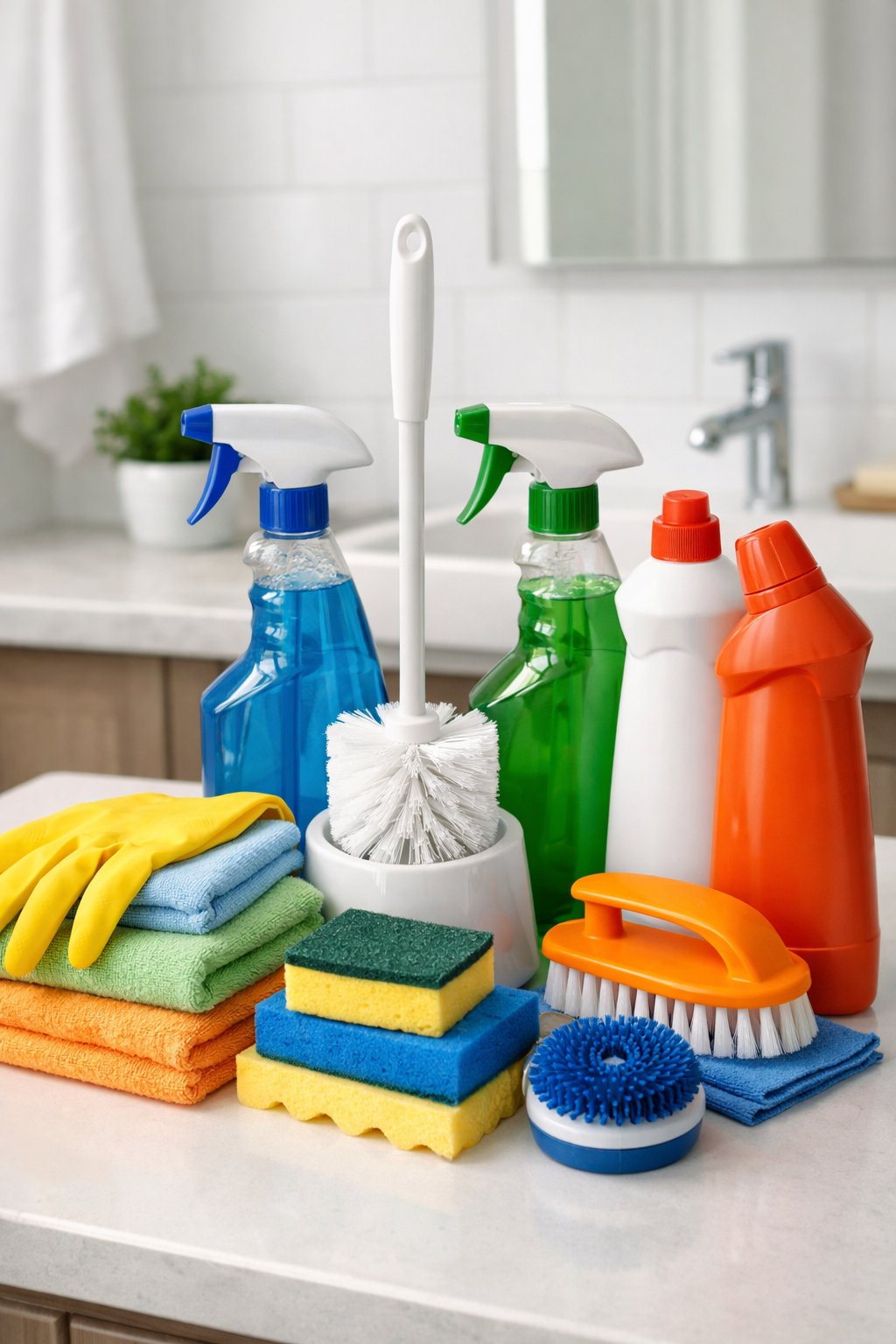
You clean faster and more thoroughly when you start with the right tools and products. A short, well-chosen list of bathroom cleaning supplies helps you cover every surface without extra steps or wasted effort.
Recommended Cleaning Tools and Products
Keep basic tools within reach so you can move through the bathroom in a clear order. A cleaning caddy helps you carry items without leaving the room.
Core tools and products to have on hand:
| Item | Purpose |
|---|---|
| Microfiber cloths | Wipe surfaces, trap dust, and reduce streaks |
| Sponge | Scrub sinks, tubs, and counters |
| Duster or extendable duster | Clean vents, lights, and corners |
| Vacuum or broom or handheld vacuum | Remove hair and dust from floors |
| All-purpose cleaner | Clean counters, sinks, and fixtures |
| Glass cleaner | Clean mirrors and glass doors |
| Toilet bowl cleaner and toilet brush | Clean inside the toilet |
| Disinfectant spray or disinfecting wipes | Sanitize high-touch areas |
| Grout cleaner or tile cleaner | Clean tile lines and walls |
| Pumice stone | Remove hard water stains inside toilets |
Benefits of Using Proper Cleaning Supplies
Proper cleaning supplies improve results and save time. Microfiber cloth materials hold dirt instead of spreading it, so you wipe once instead of repeating steps.
A disinfectant or disinfectant spray helps reduce germs on toilet handles, faucets, and light switches. This matters in a small space where many surfaces get touched often.
Using a toilet cleaner made for bowls protects the finish and removes stains faster. A grout cleaner or tile cleaner lifts buildup without heavy scrubbing. When you use the right product, you lower the risk of damage to tile, stone, or metal finishes.
Choosing Between Store-Bought and Homemade Cleaning Solutions
Store-bought products offer speed and clear directions. An all-purpose cleaner, glass cleaner, and toilet bowl cleaner cover most needs with little guesswork.
Homemade cleaning solutions work well for light cleaning and odor control. A mix of white vinegar and water cuts soap residue on glass and tile. Baking soda helps scrub sinks and tubs and reduces odors.
Avoid mixing vinegar with disinfectants or toilet cleaner. Use homemade options on low-risk surfaces, and switch to store-bought products for heavy buildup, grout, or disinfection. Keep both options ready so you can choose what fits the task.
Prepare and Declutter the Bathroom
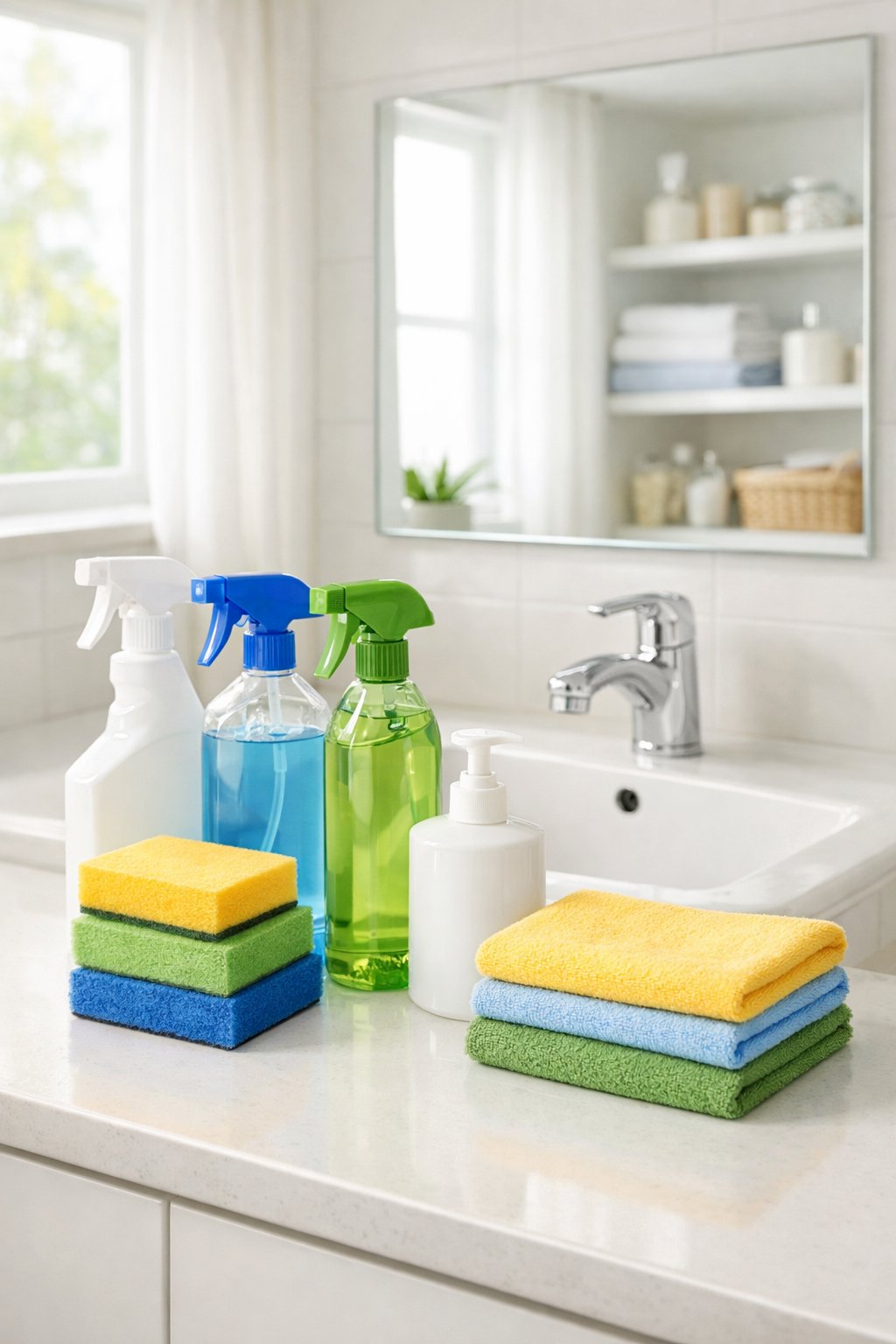
Start by clearing surfaces, removing clutter, and handling laundry. These steps speed up cleaning, protect your items, and help you follow a clear cleaning checklist and bathroom cleaning schedule.
Remove Personal and Decorative Items
Remove all personal items from sinks, counters, and shower edges. This includes toothbrushes, razors, soap bottles, and makeup. Take out decorative items like plants, trays, candles, and artwork.
Place items in a box or laundry basket outside the bathroom. This keeps them dry and free from cleaner spray. It also gives you full access to surfaces, edges, and corners.
Check drawers and shelves for loose items that block cleaning. Move them out before you start. A clear space lets you clean faster and follow your cleaning schedule without stops.
Quick check
- Sink and counter: empty
- Shower and tub edges: empty
- Shelves and window sills: empty
Organize, Declutter, and Empty Trash
Sort items as you remove them. Throw away empty bottles, expired products, and worn tools. Set aside items you rarely use and store them elsewhere.
Group what you keep by use, such as daily care, shaving, and cleaning supplies. This step supports a simple bathroom cleaning schedule by reducing clutter that traps dust and grime.
Empty the trash can and replace the liner. Check under the sink and behind the toilet for hidden trash. Wipe the inside of the trash can if it looks dirty.
Declutter guide
| Keep | Toss | Move |
|---|---|---|
| Daily items | Expired products | Rare-use items |
| Working tools | Empty bottles | Extra supplies |
Launder Towels, Rugs, and Bath Mats
Collect all used towels, washcloths, rugs, and bath mats. Start the laundry before you clean so items finish as you wrap up. This saves time and keeps your flow steady.
Wash towels as the label directs, often on a cold or warm cycle. Wash bath mats and rugs separately if they hold heavy dirt or hair. Use regular detergent and skip fabric softener for better absorbency.
Remove shower mats and floor rugs so you can clean the floor fully. This step keeps moisture from spreading dirt and supports a complete cleaning checklist.
Dust and Dry Clean All Surfaces
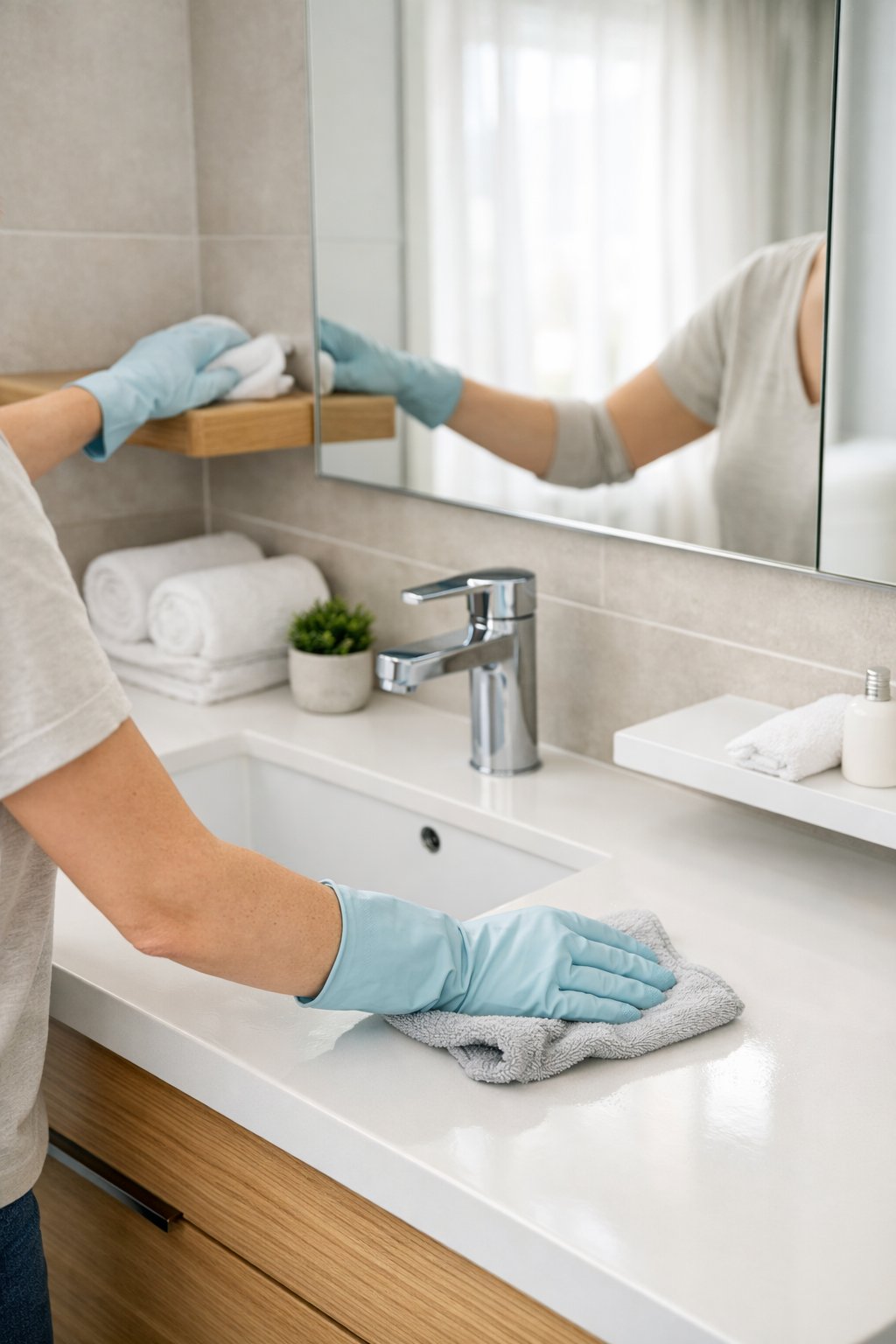
Dry cleaning removes loose dirt, hair, and dust before you use sprays or water. This step keeps grime from spreading and helps later cleaning work better. Focus on high areas first, then move down to the floor.
Dust Ceiling Vents, Light Fixtures, and Fans
Start at the top of the room so dust falls onto areas you will clean later. Use an extendable duster to reach ceiling vents, exhaust fans, and light fixtures. Move the duster slowly to avoid pushing dust into the air.
Pay close attention to vent covers and fan blades. These spots collect fine dust and lint that can drop onto clean surfaces later. If dust looks thick, switch to a microfiber cloth and wipe gently.
Turn off fans and lights before you clean them. This keeps you safe and makes dust easier to see. Shake or rinse your duster often so it stays effective.
Clean Window Sills, Baseboards, and High Surfaces
Use a dry microfiber cloth or duster to clean window sills, door frames, towel bars, and shelves. Wipe in straight lines to trap dust instead of spreading it. For narrow edges, fold the cloth to create a firm edge.
Baseboards often collect hair, lint, and bathroom dust. Run your cloth along the top edge first, then the front. If needed, use a soft brush attachment on a vacuum for tight corners.
Do not use spray at this stage. Dry dusting keeps debris from turning into sticky grime that takes longer to remove later.
Vacuum or Sweep Floors and Corners
Finish dry cleaning by working on the floors. Vacuuming works best because it pulls up fine dust and hair. Use a crevice tool along toilet bases, corners, and wall edges.
If you sweep, use short strokes and move debris toward one area. Pay attention to spots behind the door and under the vanity. These areas trap dust and often get missed.
Remove loose dirt before wet cleaning. Clean, dry floors make mopping faster and help your cleaner work as intended.
Clean Mirrors, Glass, and Fixtures
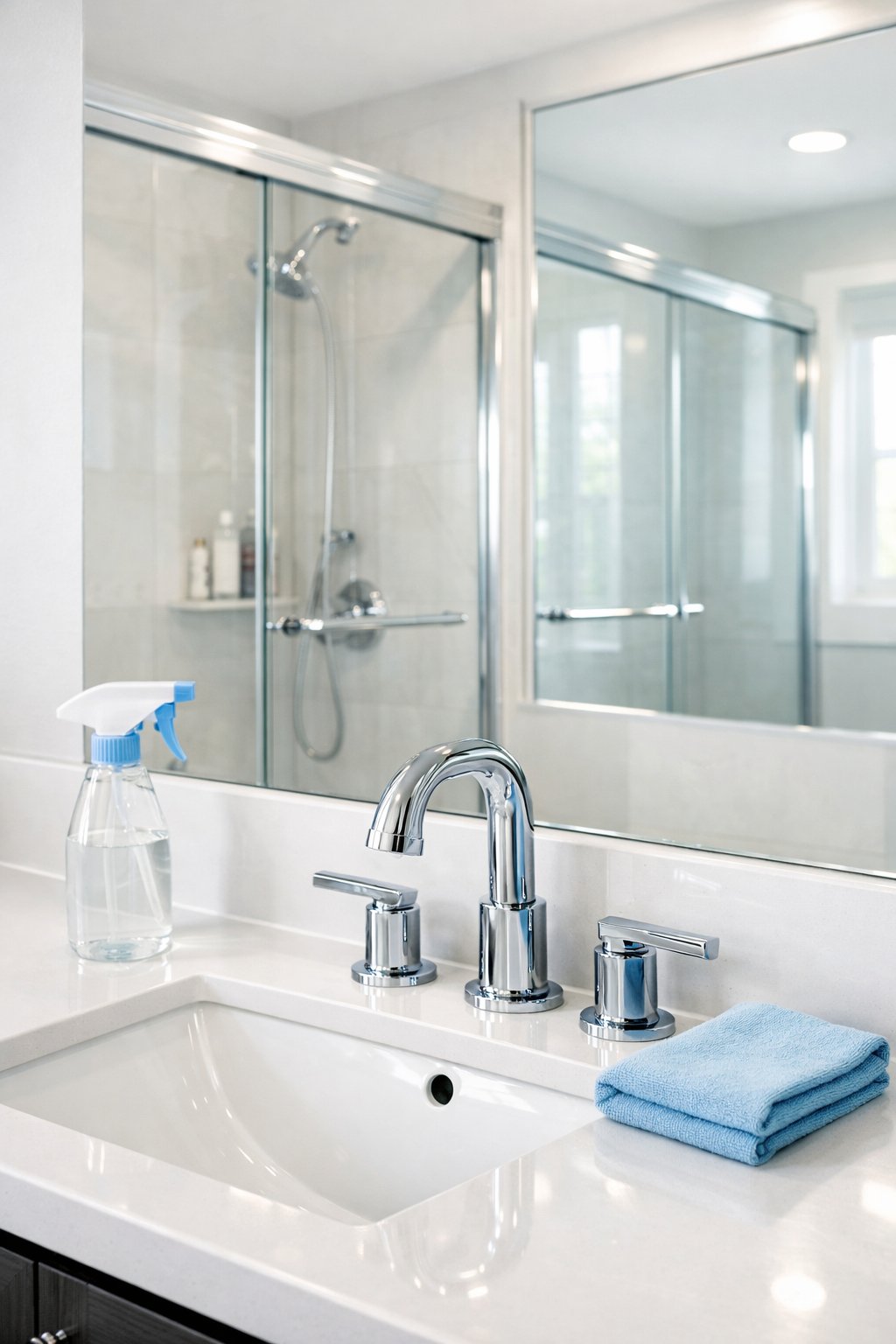
Clean glass and metal surfaces show grime fast. You get better results when you use the right tools, work top to bottom, and avoid excess moisture on edges and seams.
Clean and Polish Mirrors
Start by removing dried spots like toothpaste or hair spray. Dab rubbing alcohol on a cotton pad and lift the residue before you clean the full surface.
Spray glass cleaner or a mix of white vinegar and water onto a microfiber cloth, not the mirror. This limits drips that can damage backing or frames. Wipe from the top down using straight, overlapping strokes.
Finish with a dry microfiber cloth to remove moisture. For large mirrors or shower glass, pull a squeegee straight down to prevent streaks.
Do this
- Use flat-weave microfiber to reduce lint
- Clean edges and corners last
Avoid this
- Paper towels
- Circular wiping
Shine Faucets, Handles, and Chrome
Apply a small amount of all-purpose cleaner or diluted white vinegar to a damp cloth. Wipe faucets, handles, and chrome using firm, even pressure.
Focus on joints, bases, and undersides where water collects. Use an old toothbrush for tight seams and textured areas. Rinse with a clean, damp cloth to remove residue.
Dry each piece right away with a microfiber cloth. Drying prevents water spots and brings back shine without polish.
Tip:
If hard water spots remain, wrap the area with a vinegar-damp cloth for 5 minutes, then wipe clean.
Care for Light Switches and Door Handles
These spots collect oils and germs but need gentle care. Lightly dampen a microfiber cloth with diluted vinegar or mild cleaner.
Wipe switches, plates, and door handles without soaking them. Keep moisture away from edges and electrical openings.
Dry each surface right after cleaning. This step protects finishes and prevents streaks.
Safety notes
- Turn off lights before cleaning switches
- Never spray cleaner directly on electrical parts
Scrub Bathroom Countertops and Sink Areas
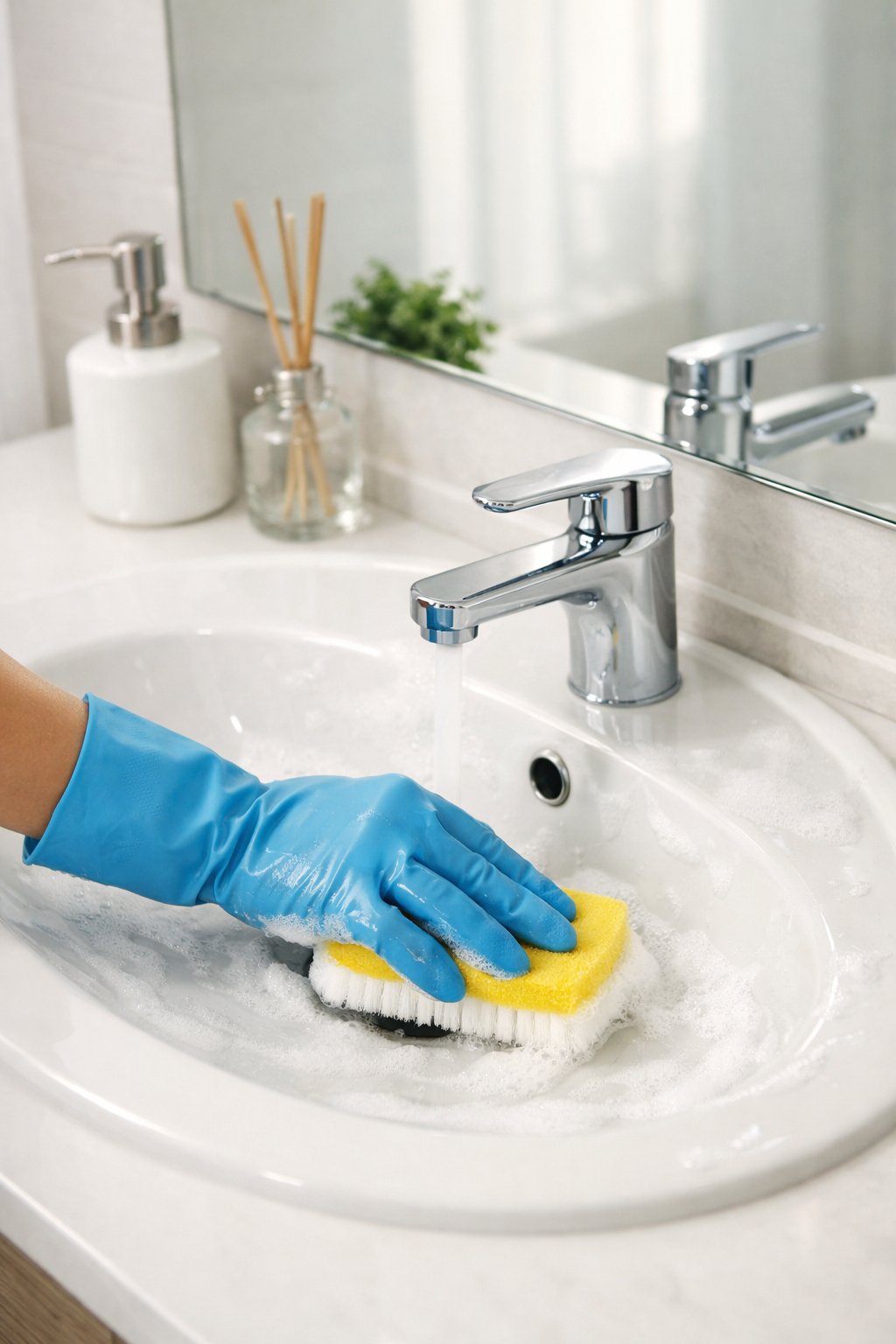
You remove daily grime, soap residue, and germs from surfaces you touch the most. Focus on the vanity top, sink bowl, and small accessories that hold moisture. Use simple tools and steady steps to protect finishes and leave clean bathroom fixtures.
Clean Countertops and Vanity
Start by clearing everything off the countertop and vanity. This gives you full access to the surface and edges.
Spray an all-purpose cleaner onto the countertop. Wipe with a microfiber cloth, using straight strokes to lift toothpaste spots and makeup residue. Pay close attention to seams, corners, and the area behind the faucet.
For sticky or dried-on messes, sprinkle a small amount of baking soda onto a damp cloth. Rub gently to avoid scratching. Rinse the area with a clean, damp cloth and dry it right away.
Drying matters. Water left behind can cause spots and dull the finish. A dry microfiber cloth leaves the surface clean and streak-free.
Deep Clean the Sink and Faucets
Apply all-purpose cleaner inside the sink and around the drain. Let it sit for one to two minutes to loosen buildup.
Scrub the sink with a soft sponge or cloth. Use gentle pressure, especially on porcelain or stainless steel. For stains or ring marks, make a paste with baking soda and water. Scrub in small circles, then rinse well.
Clean the faucets next. Spray cleaner onto a cloth, not directly on the fixture. Wipe handles, spouts, and the base where water collects. This prevents cleaner from pooling and protects the finish.
Dry the sink and faucets completely. This step keeps clean bathroom fixtures shiny and reduces water spots.
Sanitize Toothbrush Holders and Soap Dishes
These items collect water, residue, and bacteria. Clean them every time you clean the sink.
Remove holders and dishes from the counter. Rinse them under warm water to wash away loose buildup. Apply all-purpose cleaner and scrub with a sponge or small brush.
For cloudy film or stuck-on soap, use baking soda on a damp sponge. Scrub gently until the surface looks clear. Rinse well to remove all residue.
Dry each item with a microfiber cloth before putting it back. Keeping them dry slows bacteria growth and keeps the counter cleaner longer.
Disinfect and Clean the Toilet
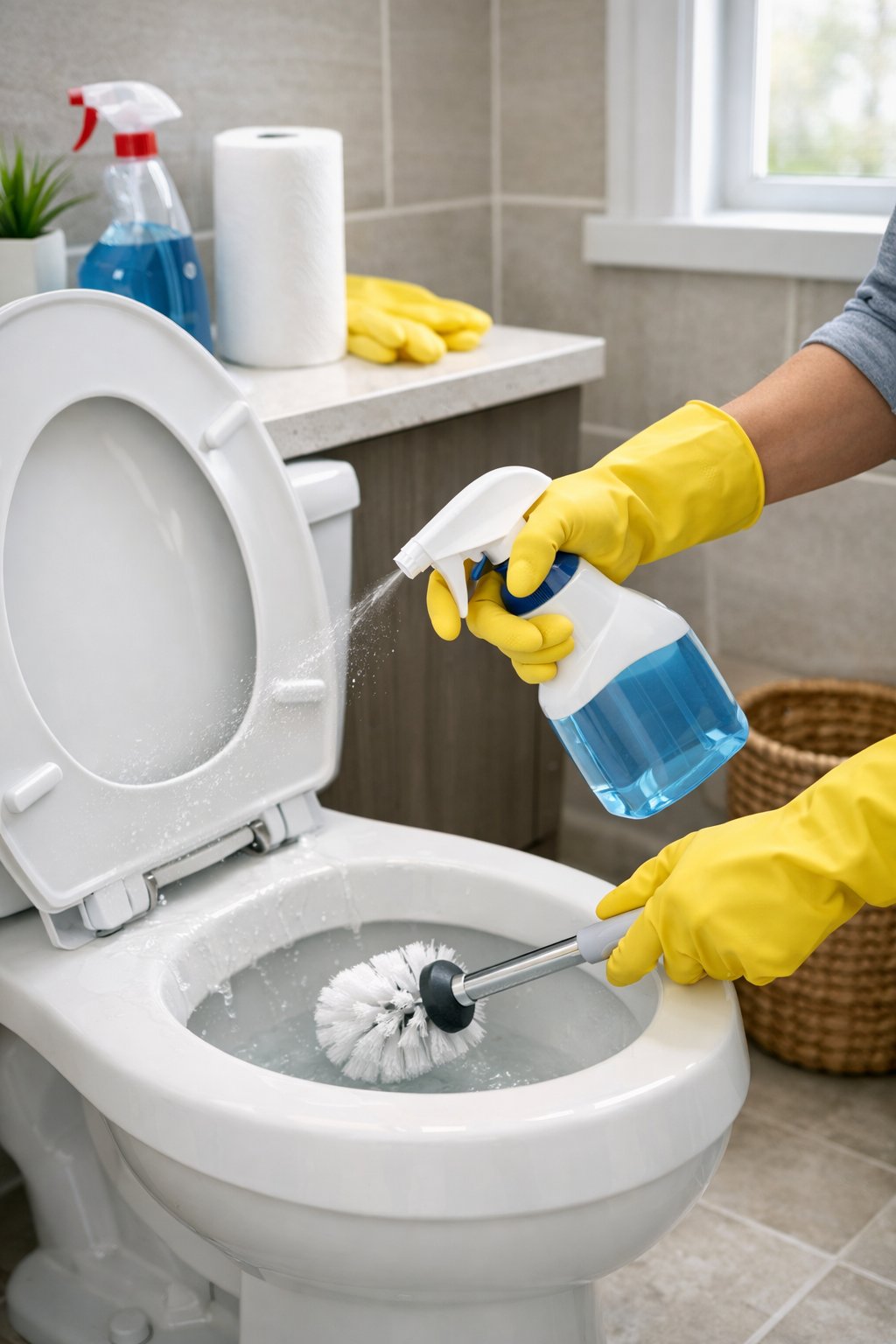
You remove germs and odors when you clean the toilet in the right order. Focus on the bowl first, then move to high-touch surfaces, and finish with stains and mineral buildup that need extra care.
Apply and Scrub Toilet Bowl Cleaner
Put on gloves and add toilet bowl cleaner under the rim and around the inside of the bowl. Aim for full coverage so the cleaner reaches hidden areas where germs collect.
Let the cleaner sit for the time listed on the label. This wait helps it break down bacteria and stains.
Use a toilet brush to scrub the bowl. Work from the top down, paying close attention to the rim and water line.
Scrub the drain opening last, then flush to rinse the bowl clean.
If you do not have toilet bowl cleaner, use a small amount of diluted bleach. Never mix bleach with other cleaners.
Clean Toilet Exterior, Seat, and Handle
Spray the tank, lid, seat, bowl exterior, and base with a disinfectant spray or toilet cleaner. Start at the top and work downward to avoid spreading dirt.
Leave surfaces wet for the full contact time listed on the product.
Wipe each area with a clean cloth or paper towel. Clean both sides of the seat and lid, then lower them carefully.
Use disinfecting wipes on the flush handle, hinges, and any nearby touch points.
Change wipes or cloths as they get dirty. This step helps prevent germs from spreading across surfaces.
Tackle Stubborn Stains and Mineral Deposits
Hard water stains and mineral rings need focused treatment. Turn off the water supply and flush to lower the water level if needed.
Apply toilet cleaner or white vinegar directly to the stained area.
Let the product sit for several minutes. This pause softens buildup and makes scrubbing easier.
Use a pumice stone gently on tough stains, keeping it wet to avoid scratching the bowl.
Scrub with the toilet brush, then flush. Repeat only if needed, and avoid harsh pressure that could damage the porcelain.
Clean Shower and Bathtub Surfaces
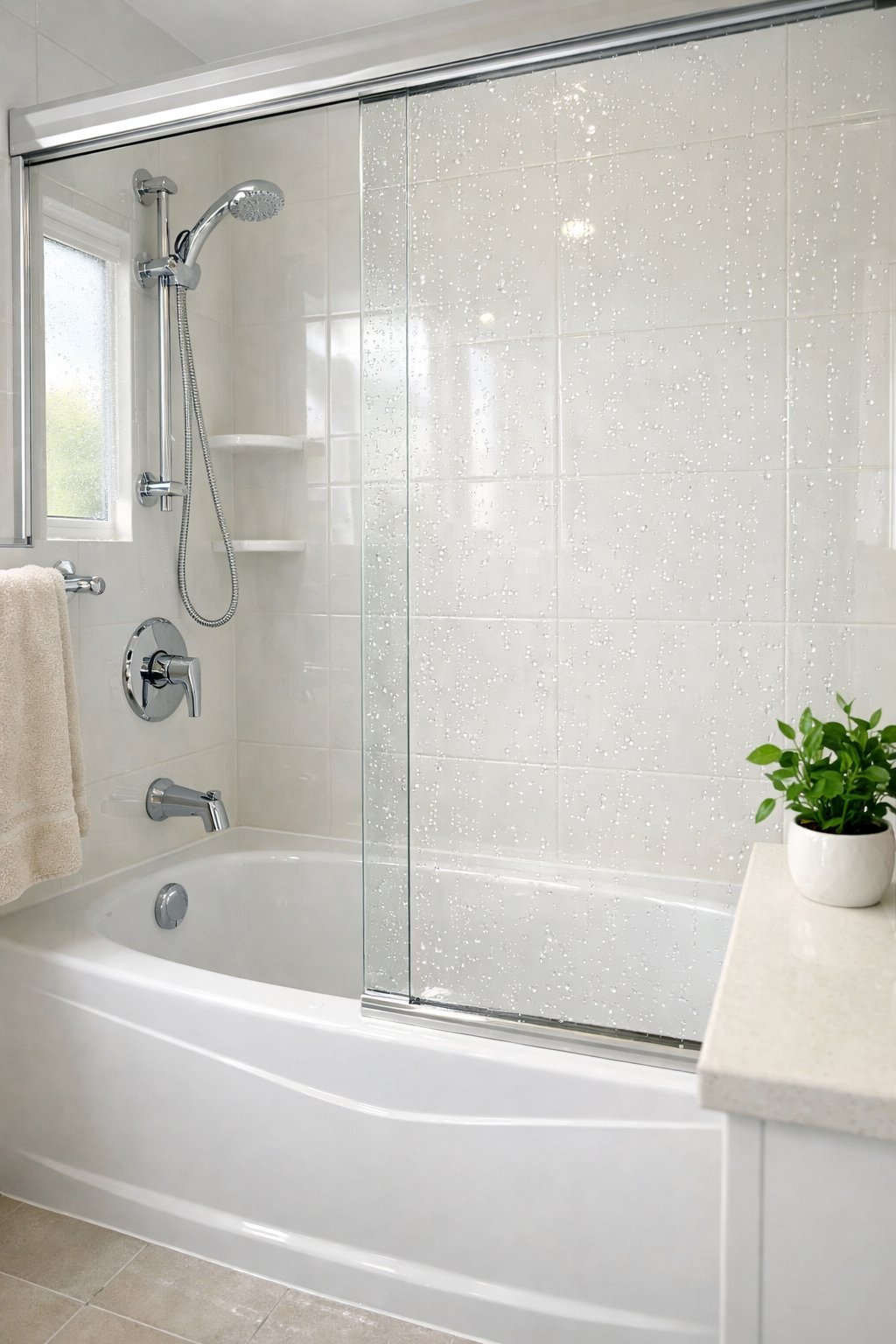
Soap scum, moisture, and heat make showers and tubs some of the dirtiest spots in your bathroom. Focus on removing buildup, stopping mold growth, and cleaning hard surfaces and fixtures with the right tools and products.
Remove Soap Scum from Shower Walls and Doors
Soap scum sticks to shower walls and doors when soap mixes with hard water. You remove it faster when you act before it fully dries and hardens.
Spray the walls and doors with a tile and grout cleaner or a mild homemade cleaning solution. Mix equal parts white vinegar and warm water for a simple option. Let it sit for a few minutes to break down residue.
Scrub with a non‑scratch sponge or soft brush. Pay extra attention to corners and edges where buildup collects. Rinse with warm water and wipe dry to slow future buildup.
For daily care, use a squeegee after each shower. This small step helps keep a clean shower and reduces deep scrubbing later.
Tackle Mold, Mildew, and Grout Cleaning
Mold and mildew grow fast in damp grout lines. You stop the spread by cleaning grout before stains turn dark or permanent.
Apply a grout cleaner or make a paste with baking soda and water. Spread it along grout lines and let it sit for 5 to 10 minutes. Scrub with a grout brush or old toothbrush.
For stubborn spots, spray white vinegar over the baking soda paste. Scrub again once it bubbles. Rinse well and dry the area with a towel.
Run the exhaust fan after every shower to prevent mold and mildew. Wash or replace a dirty clean shower curtain often to reduce moisture buildup.
Clean Bathtub and Fixtures
Bathtubs collect body oils, soap film, and mineral stains. Clean them from the rim down so dirt does not resettle on clean areas.
Use an all‑purpose tub cleaner or a paste made from baking soda and dish soap. Scrub gently with a sponge to avoid scratching the surface. Rinse fully to remove residue.
Clean fixtures with white vinegar to remove water spots. Wrap a vinegar‑soaked cloth around faucets for a few minutes, then wipe dry.
Finish by drying the tub and fixtures with a microfiber cloth. Dry surfaces stay cleaner longer and help reduce new stains.
Wash Bathroom Floors and Final Touches
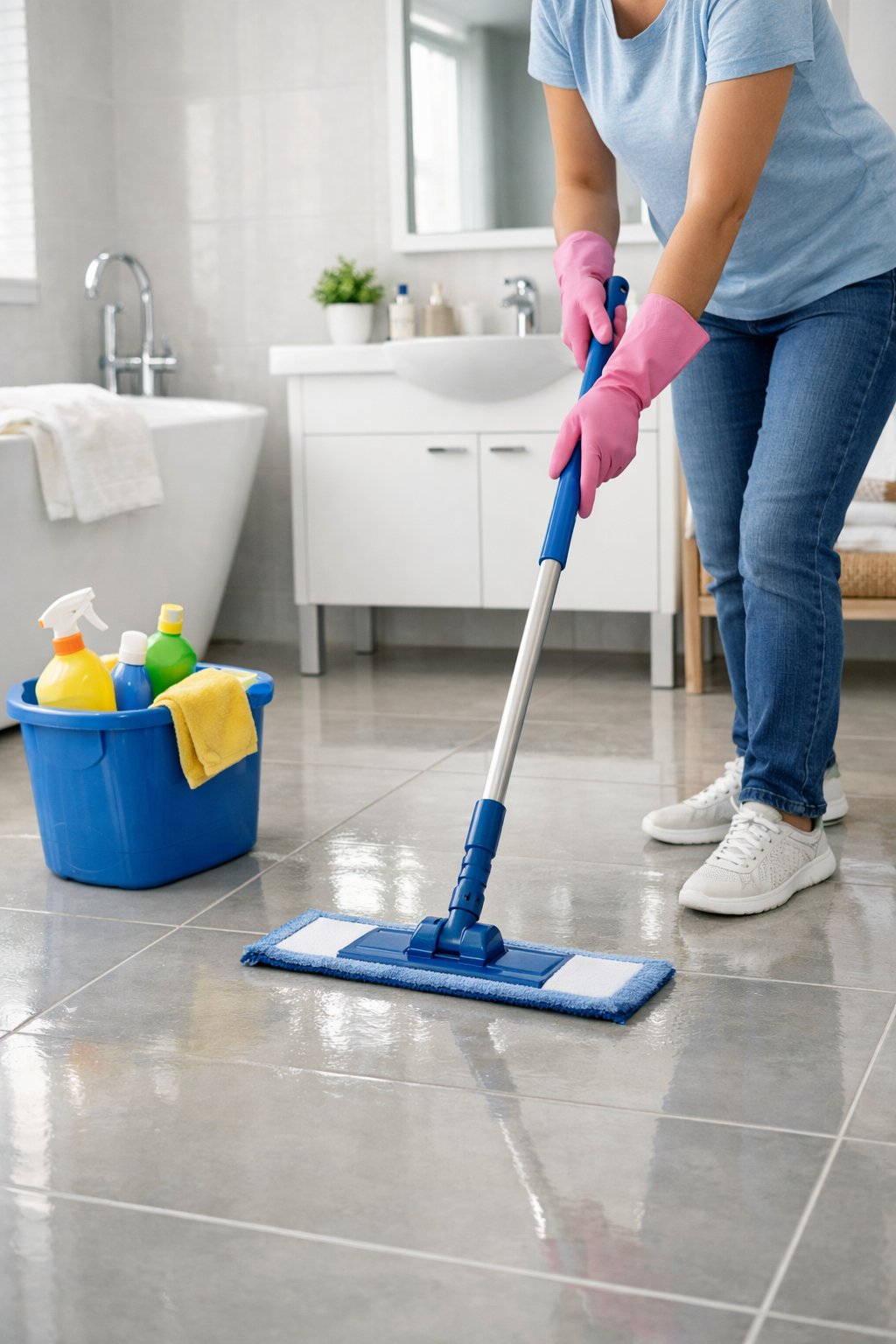
Clean floors remove dirt, moisture, and germs that settle during daily use. Simple final steps also keep the room neat and ready for regular maintenance cleaning.
Sweep and Mop the Floor
Start by removing loose dirt. Use a vacuum or broom to clean corners, edges, and around the toilet base. Hair and dust build up fast in these spots, so take your time.
Next, mop with warm water and a floor-safe cleaner. Use a mop with overlapping strokes, and work from the far wall toward the door. Rinse the mop often to avoid spreading grime.
For tile floors, focus on grout lines. A small brush helps lift buildup before it dries again. After mopping, wipe edges with a microfiber cloth to catch extra water and residue.
Helpful tips
- Avoid soaking the floor
- Change dirty water right away
- Let the floor dry before walking on it
Replace and Clean Floor Mats and Rugs
Floor mats trap water and dirt. Pick them up before you mop so moisture does not stay underneath. Shake them outside or vacuum both sides.
Wash fabric mats in the washer if the label allows it. Use warm water and mild detergent. Dry them fully to prevent odors and mold.
For rubber-backed rugs, wipe the bottom with a damp microfiber cloth. Place mats back only after the floor dries. Dry mats protect the floor and reduce slips during daily use.
Put Items Back in Place
Return items only after surfaces dry. Set trash cans, scales, and storage bins back where they belong. This step prevents water marks and keeps items clean longer.
Use this moment to organize. Line up bottles neatly and remove anything you no longer use. Fewer items make future cleaning faster.
Finish by wiping the floor edges and base of fixtures with a clean microfiber cloth. These small touches support easy maintenance cleaning and keep the bathroom looking tidy.
Tips for Maintaining a Clean Bathroom
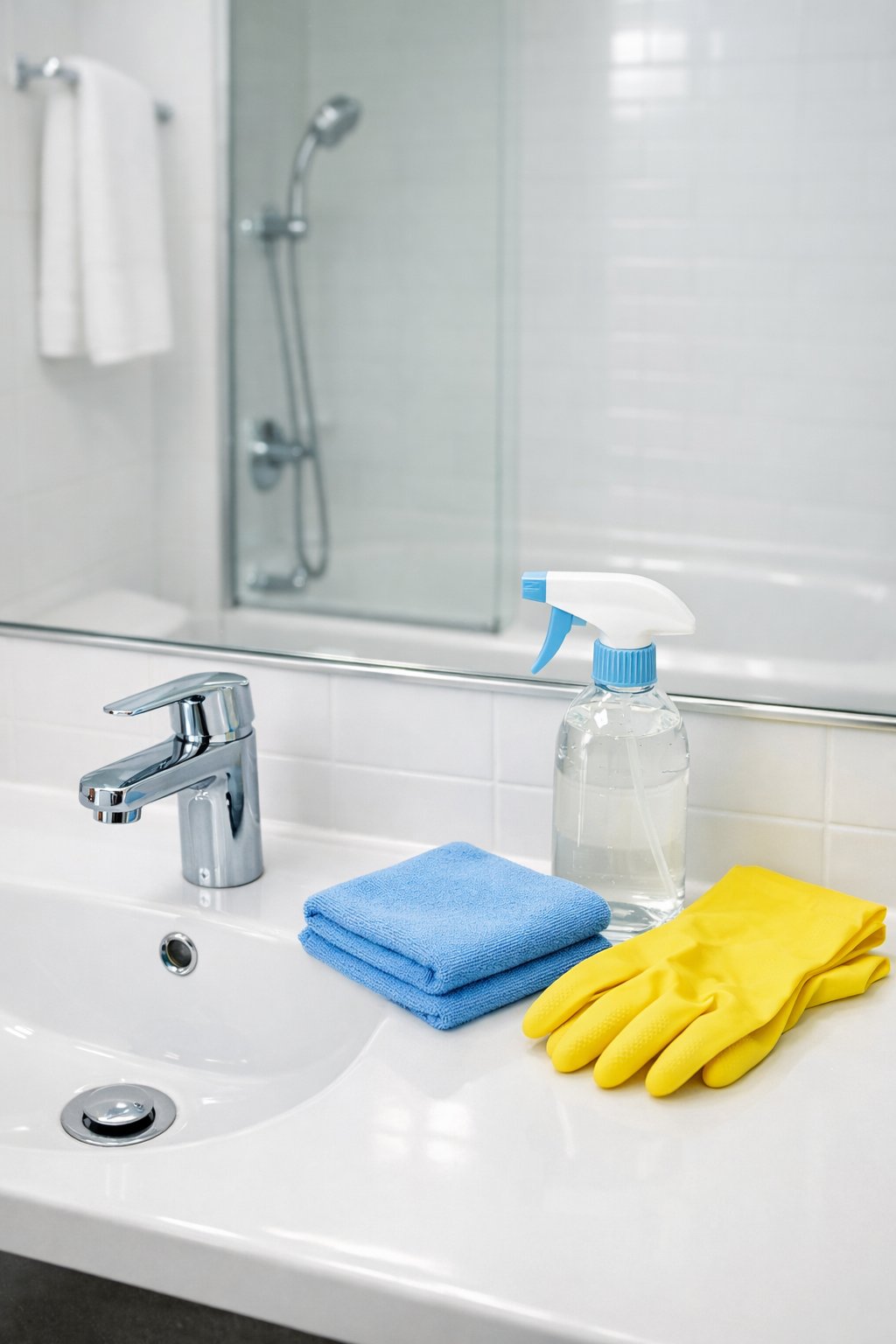
You keep a bathroom clean by using a clear schedule, steady habits, and short daily tasks. These steps limit buildup, reduce odors, and make full cleanings faster and easier.
Create a Bathroom Cleaning Schedule
A cleaning schedule gives you control and saves time. You avoid heavy scrubbing by spreading tasks across the week and month. Keep the schedule simple and easy to follow.
Use this sample plan and adjust it to your home:
| Task | How Often |
|---|---|
| Wipe sink and counter | Daily |
| Scrub toilet bowl | Weekly |
| Clean shower walls | Weekly |
| Wash bathmats and towels | Weekly |
| Clean mirrors | Weekly |
| Deep clean tile and grout | Monthly |
Post the schedule inside a cabinet or save it on your phone. Stick to the same days each week so cleaning becomes a habit, not a decision.
Essential Maintenance Cleaning Habits
Maintenance cleaning focuses on small actions that prevent dirt and moisture from building up. These habits matter more than special products or long sessions.
Always run the exhaust fan during and after showers. This reduces moisture and slows mold growth. Hang towels to dry fully instead of leaving them on the floor or tub edge.
Wipe spills as soon as they happen. Water spots, soap drips, and toothpaste harden fast. A quick wipe takes seconds and keeps surfaces smooth and clean.
Keep clutter low. Store extra items under the sink or in drawers so you can clean surfaces without moving many objects.
Quick Daily Cleaning Routines
Daily routines keep your bathroom in good shape with little effort. Each task takes less than two minutes and fits into your normal day.
After using the sink, rinse it and wipe it dry with a cloth. This prevents stains and dull spots. After a shower, use a squeegee on glass and tile to remove water.
Do these quick tasks each day:
- Wipe the toilet seat and handle
- Check and empty the trash if needed
- Put items back in their place
These simple cleaning tips reduce germs and odors. They also make your regular cleaning schedule much easier to manage.


