How To Clean A Very Dirty Bathroom When You Feel Overwhelmed
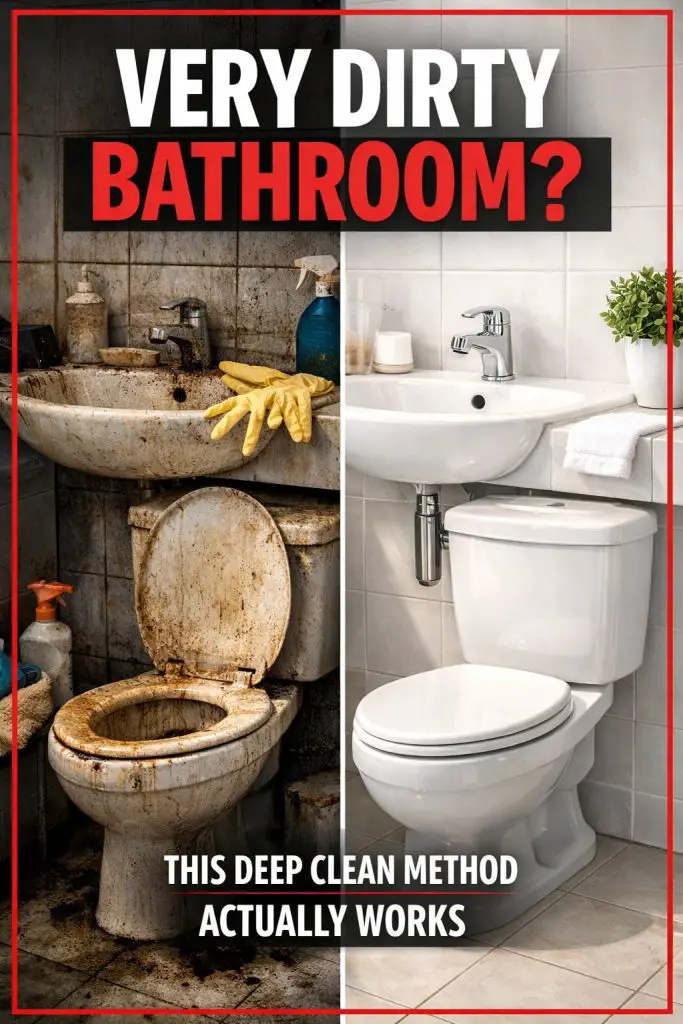
A very dirty bathroom can feel overwhelming. Thick soap scum on tiles, stains around the toilet base, mold in grout lines, and lingering odors often make people avoid cleaning altogether. When dirt has built up for weeks—or even months—it’s hard to know where to start or what actually works.
I’ve dealt with this problem more times than I can count. Over the years, I’ve helped friends, family members, and even renters clean bathrooms that looked completely out of control. I think the biggest issue isn’t laziness—it’s confusion. In my opinion, most people just don’t have a clear plan, and that makes the mess feel worse than it is.
That’s exactly why this article exists. By the end, you’ll have a simple, step-by-step method to clean a very dirty bathroom without stress, wasted effort, or endless scrubbing. You don’t need fancy tools—just the right order and a little patience.
Why Bathrooms Get Extremely Dirty
Bathrooms collect grime faster than almost any other room. Moisture, heat, and daily use create the perfect environment for buildup.
Common reasons include:
- Hard water deposits leaving white or yellow stains
- Soap scum sticking to tubs and shower walls
- Mold and mildew forming in damp corners
- Bacteria buildup around toilets and sinks
FYI, the longer these sit, the harder they become to remove. That’s why deep cleaning feels so exhausting.
What You Need Before You Start Cleaning
Before touching a single surface, get everything ready. Preparation saves time and energy.
Basic Cleaning Supplies
- Rubber gloves
- All-purpose cleaner or bathroom cleaner
- Baking soda
- White vinegar
- Scrub brush and old toothbrush
- Microfiber cloths or paper towels
Pro tip: Wear gloves from start to finish. Dirty bathrooms hide more germs than you think.
Step-by-Step: How To Clean A Very Dirty Bathroom
Step 1: Declutter the Entire Bathroom
Start by removing everything that doesn’t belong.
- Towels
- Rugs
- Trash
- Bottles from counters and shower edges
This gives you full access to every surface and prevents spreading dirt.
Step 2: Apply Cleaners and Let Them Sit
This step is crucial. Don’t scrub yet.
Spray cleaner on:
- Shower walls and tub
- Sink and faucet
- Toilet bowl and base
- Tiles and grout
Let cleaners sit for 10–15 minutes. IMO, this waiting time does half the work for you.
Step 3: Tackle the Shower and Tub First
Showers are usually the dirtiest part.
Use a scrub brush for:
- Soap scum on walls
- Stains around the drain
- Mildew in corners
For stubborn grime:
- Sprinkle baking soda
- Spray vinegar
- Let it fizz, then scrub
Rinse thoroughly once clean.
Step 4: Clean the Toilet Thoroughly
Don’t rush this part.
Focus on:
- Inside the bowl
- Under the rim
- Around the base and floor
Use a toilet brush inside the bowl and a disinfectant for external surfaces. Always wipe from clean areas to dirty ones to avoid spreading bacteria.
Step 5: Scrub the Sink and Countertops
Sinks collect toothpaste, soap, and water stains.
- Scrub around the drain
- Clean the faucet base
- Wipe handles and edges
Use a toothbrush for tight areas. You’ll be surprised how much grime hides there.
Step 6: Attack the Floors Last
Floors collect everything that falls downward.
Steps:
- Sweep or vacuum hair and debris
- Mop with warm water and cleaner
- Pay attention to corners and behind the toilet
Let floors air dry for best results.
How to Remove Tough Stains and Odors
Some dirt doesn’t go down without a fight.
For Mold and Mildew
- Use vinegar or a bleach-based cleaner
- Let it sit for 15 minutes
- Scrub gently but firmly
For Strong Bathroom Odors
- Clean drains with baking soda + vinegar
- Wash trash cans
- Replace old rugs and shower curtains
Key takeaway: Odors usually mean hidden grime.
How Often Should You Deep Clean a Bathroom?
A full deep clean doesn’t need to happen every week.
Recommended schedule:
- Light cleaning: once a week
- Deep cleaning: once a month
- Very dirty bathrooms: initial deep clean + maintenance
Once you reset the space, keeping it clean becomes much easier.
Simple Habits That Keep Bathrooms Cleaner Longer
Small habits prevent big messes.
- Wipe surfaces after use
- Use a shower squeegee
- Ventilate after showers
- Clean spills immediately
Do these consistently, and you won’t face extreme cleaning again.
Final Thoughts
Cleaning a very dirty bathroom isn’t about strength or fancy products—it’s about order and patience. When you follow the right steps, even the worst bathroom can be transformed. Start slow, work top to bottom, and trust the process. You’ve got this.
Frequently Asked Questions (FAQ)
1. What is the fastest way to clean a very dirty bathroom?
The fastest way is to apply cleaners first and let them sit. This loosens grime so scrubbing takes less time and effort.
2. Can baking soda and vinegar clean a filthy bathroom?
Yes. Baking soda and vinegar are effective for soap scum, odors, and light stains, but extreme buildup may still require a commercial cleaner.
3. How long does it take to deep clean a very dirty bathroom?
Expect 1.5 to 3 hours, depending on the level of buildup and bathroom size.
4. Is bleach necessary for deep bathroom cleaning?
Bleach is helpful for mold and heavy bacteria, but it’s not required for all surfaces if safer alternatives work.
5. How do I keep my bathroom from getting dirty again?
Clean weekly, ventilate after showers, wipe surfaces regularly, and address small messes immediately before they build up.