
Can I Live in a Yurt on My Own Land? A Guide to Zoning and Building Codes
Living in a yurt is becoming an increasingly popular housing option for those who want to live off the grid or simply downsize their living space. Many people wonder if it’s possible to live in a yurt on their own land. The answer is yes, it is possible to live in a yurt on your own land, but there are some things you need to know before you start.
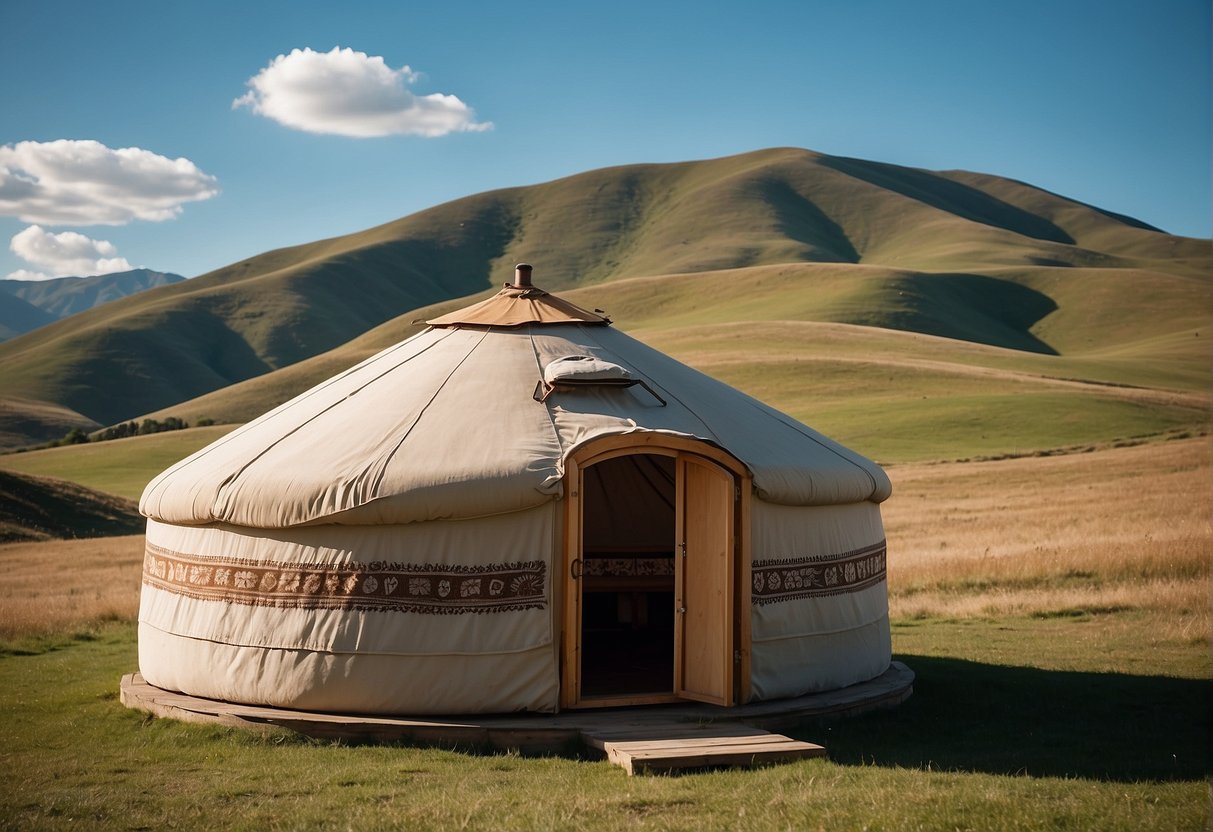
The short answer is, yes, you can live in a yurt on your own land. Lots of people are already doing this. However, the longer answer is that it depends on your local rules and regulations. In some jurisdictions, you are free to live in a yurt without any prior permission, while in others, you will have to go through a lengthy legal process. If you want to live in a yurt on your own land, it’s important to research the local zoning laws and building codes to ensure that you are compliant with the regulations.
Living in a yurt presents an affordable and alternative housing option, especially for those who want to downsize or live off-grid. Most of the time, when homesteaders buy land, they need to get on it immediately, and living in a yurt presents a nice, quick option. The cost of living in a yurt varies depending on several factors, including the size of the yurt, the location, and the materials used. The cost of a yurt can range from $5,000 to $30,000 or more. Additionally, you will need to factor in the cost of land, utilities, and other expenses associated with living off-grid.
Understanding Yurt Living on Private Land
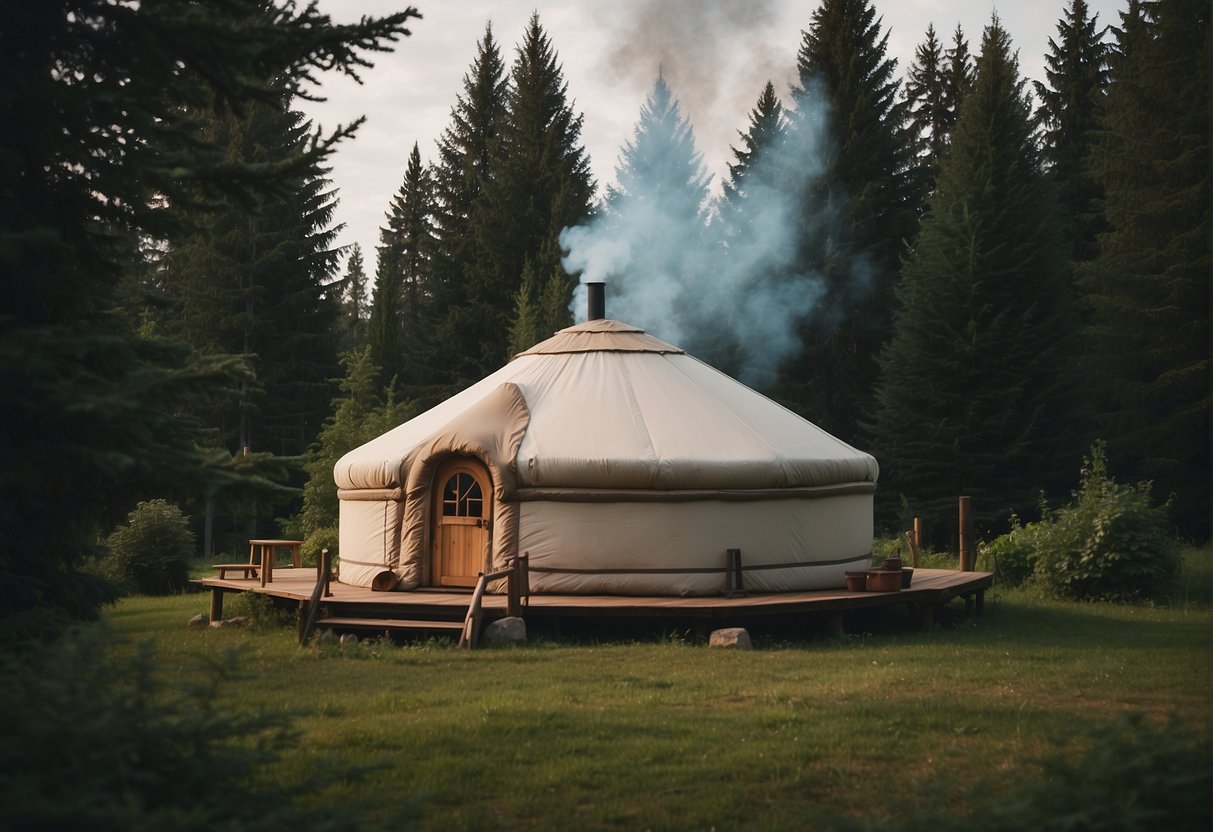
Yurt living on private land is becoming a popular choice for those who want to live off-grid or downsize their living space. However, it’s important to understand the legal considerations, setting up and maintaining a yurt, and utilities and off-grid living.
Legal Considerations and Zoning Laws
Before setting up a yurt on private land, it’s essential to understand the legal requirements and zoning laws in your area. In some jurisdictions, you are free to live in a yurt without any prior permission, while in others, you will have to go through a lengthy legal process.
It’s important to research your state and local rules and regulations, including zoning laws and building codes. You may need to obtain planning permission or a building permit before setting up a yurt. Additionally, specific building codes, such as the International Building Code and energy code, may apply.
Setting Up and Maintaining a Yurt
Setting up a yurt on private land is relatively easy and low cost compared to traditional housing. However, it’s important to ensure proper support, foundation, and deck construction to ensure the yurt’s durability and lifespan.
Regular maintenance is also essential to prevent leaks and seam damage. It’s important to check the yurt’s wood and canvas regularly and make necessary repairs.
Utilities and Off-Grid Living
Living in a yurt on private land often means living off-grid. While public utilities such as electricity and plumbing may not be available, alternative options such as solar panels and composting toilets can be used.
Wood stoves are a popular heating option for yurts, and solar power can provide electricity. It’s important to understand the necessary equipment and maintenance required for off-grid living in a yurt.
In summary, yurt living on private land can be a unique and fulfilling experience. However, it’s essential to understand the legal considerations, setting up and maintaining a yurt, and utilities and off-grid living. With proper research and planning, yurt living can be a low-cost and sustainable housing option.
Lifestyle and Practicalities of Yurt Residency
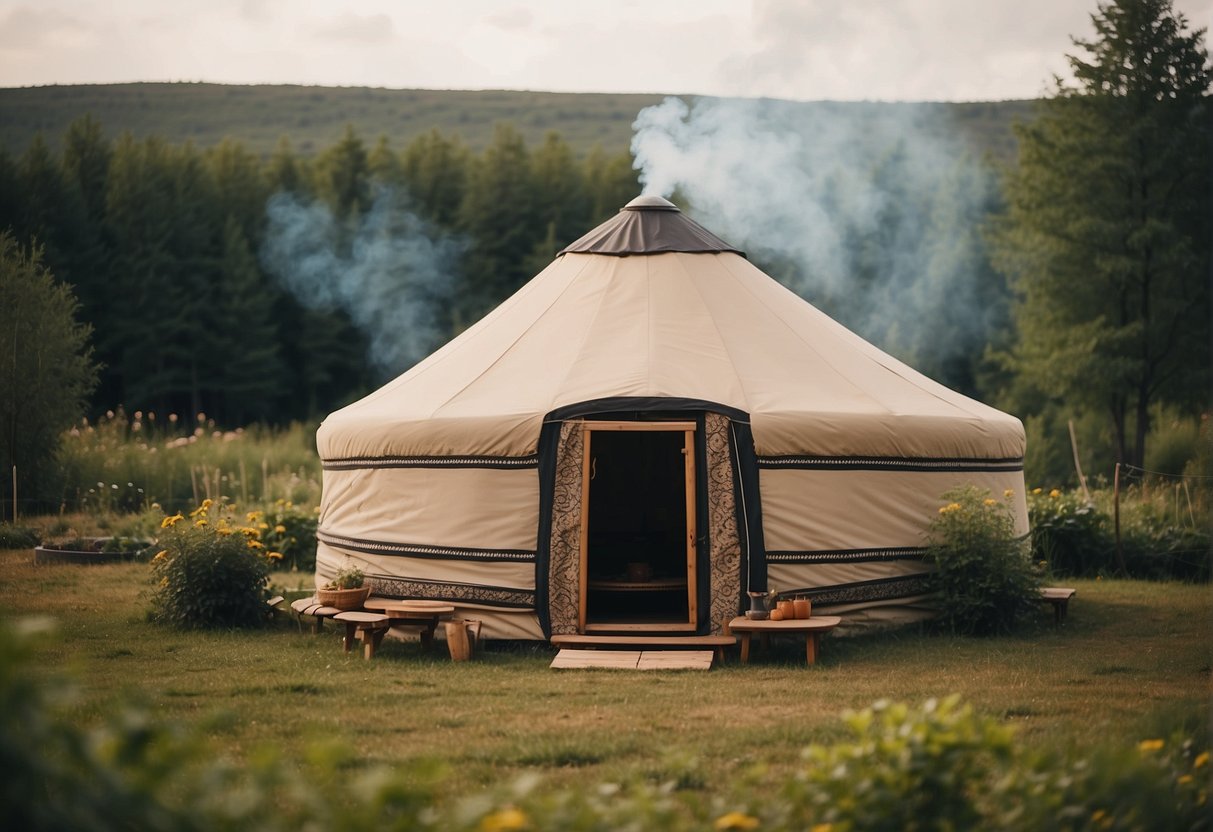
Living in a yurt on your own land can be a unique and fulfilling experience. However, there are several lifestyle and practical considerations to keep in mind before making the leap. In this section, we’ll explore some of the key factors to consider when planning to live in a yurt.
Design and Comfort Considerations
Yurts are circular tents with lattice walls, felt insulation, and a wooden frame. While they are designed to be portable, they can also be used as permanent structures. Yurts offer a unique living experience that is closer to nature than traditional homes. They are also debt-free and can be customized to fit your individual style and needs.
When it comes to interior design, yurts offer a lot of flexibility. The lattice walls can be covered with fabric or other materials to create privacy and insulation. Yurts can also be equipped with a bathroom and kitchen, as well as windows and doors for ventilation and natural light. However, it’s important to note that yurts can be more challenging to cool in hot climates and maintain humidity in wet climates.
Local and State-Specific Information
Before deciding to live in a yurt on your own land, it’s important to research your local and state-specific regulations. While some areas allow yurts as permanent structures, others may only permit them as auxiliary structures, such as guest houses or studios. Additionally, some counties may require building permits for yurts over a certain size.
For example, in California, yurts are generally allowed as permanent structures, but local zoning and enforcement can vary. In Colorado, yurts are allowed with proper permits, and some counties have more relaxed regulations. In Hawaii, yurts are not allowed as permanent structures, but can be used as temporary structures for up to 180 days.
Alternative and Supplementary Structures
While yurts can be used as standalone residences, they can also be used in conjunction with other structures. For example, a yurt can be used as a cabin or guest house, or as an auxiliary structure to a larger home. Yurts can also be equipped with decks or other outdoor living spaces to expand their usable area.
In summary, living in a yurt on your own land can be a unique and rewarding experience, but it’s important to consider the design and comfort, local and state-specific regulations, and alternative and supplementary structures before making the leap. With careful planning and research, yurt residency can offer a debt-free and closer-to-nature lifestyle.
Frequently Asked Questions
What are the legal requirements for residing in a yurt on private property?
The legal requirements for residing in a yurt on private property vary depending on the location. Some states and counties allow yurts to be used as permanent residences, while others require a lengthy legal process. Therefore, it is crucial to research the local rules and regulations before setting up a yurt on private property.
Are there specific states that are more yurt-friendly for permanent living?
Yes, some states are more yurt-friendly for permanent living than others. For instance, California, Colorado, Oregon, and Washington have relatively relaxed regulations when it comes to yurt living. However, it is still essential to verify the specific rules and regulations in each state and county before setting up a yurt.
What kind of foundation is necessary for setting up a yurt?
The foundation required for setting up a yurt depends on the specific model and size. However, most yurts require a solid and level foundation to ensure stability. Common foundation options include a concrete slab, a wooden deck, or a gravel pad.
Is it feasible to inhabit a yurt throughout all seasons of the year?
Yes, it is feasible to inhabit a yurt throughout all seasons of the year. However, the level of comfort and safety may vary depending on the climate and location. For instance, a yurt in a colder climate may require additional insulation and a reliable heating source to ensure warmth during the winter.
What are the potential drawbacks of choosing to live in a yurt?
The potential drawbacks of living in a yurt include limited space, lack of privacy, and potential zoning and building code restrictions. Additionally, yurts may require more maintenance than traditional homes, and their circular shape may make it challenging to furnish and decorate.
How does the cost of living in a yurt compare to traditional housing?
The cost of living in a yurt varies depending on the specific model, size, and location. However, in general, yurts are more affordable than traditional homes, both in terms of initial cost and ongoing maintenance and utility expenses. However, it is essential to factor in the cost of any necessary permits, foundation, and utilities when considering the overall cost of yurt living.


