Boho Decor Ideas To Transform Your Home: 5 Practical Design Updates That Elevate Every Room
Boho decor helps them create a home that feels relaxed, personal, and full of character. It blends color, texture, and meaningful pieces into a space that reflects who they are. They can transform their home by layering natural materials, rich textiles, and unique decor that adds warmth and personality.
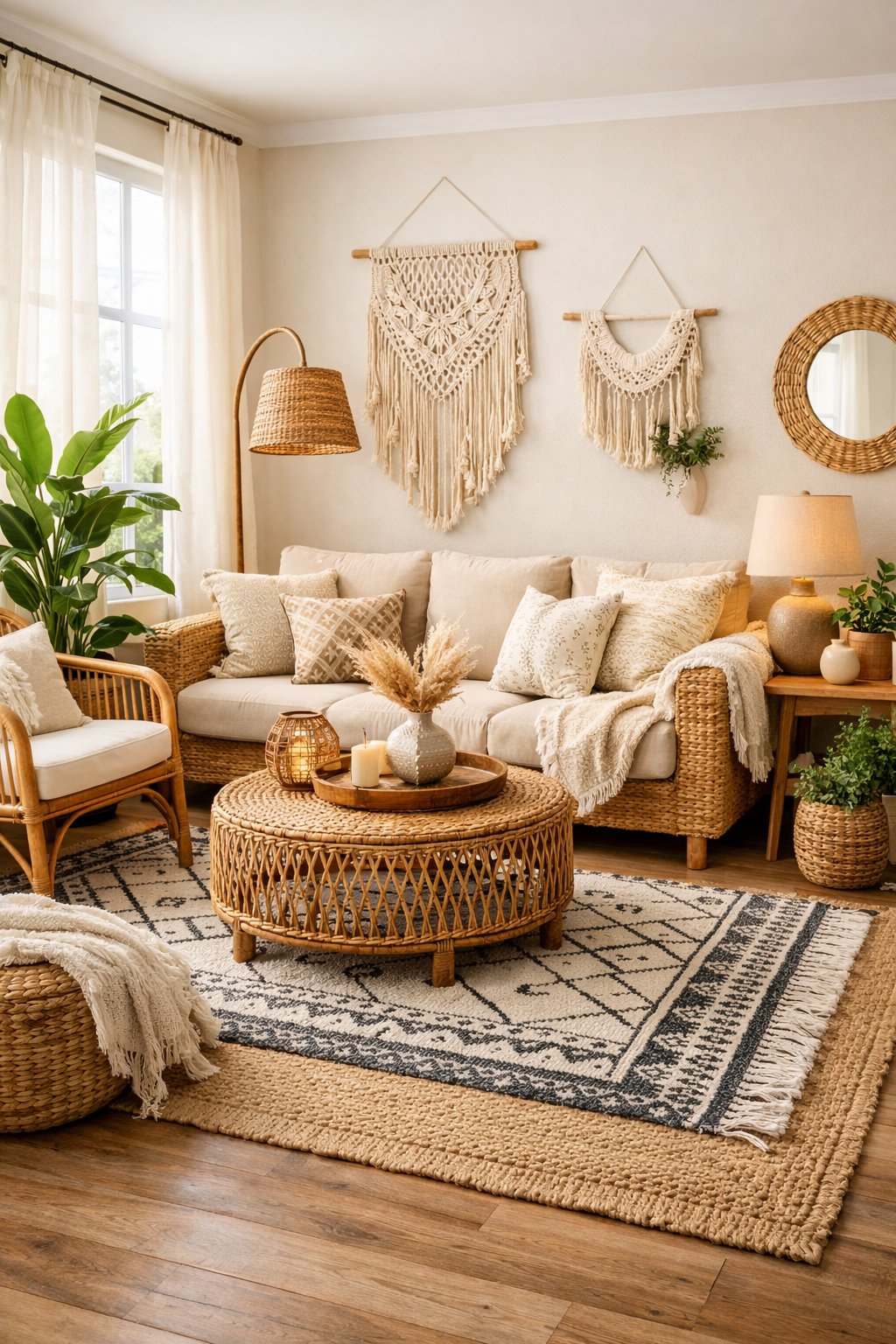
This style draws from global influences and mixes old with new in a simple, balanced way. It uses thoughtful color choices, handmade details, and natural elements to shape rooms that feel inviting and lived in. The ideas ahead show how they can bring this look to life with confidence and clarity.
Boho ideas diy
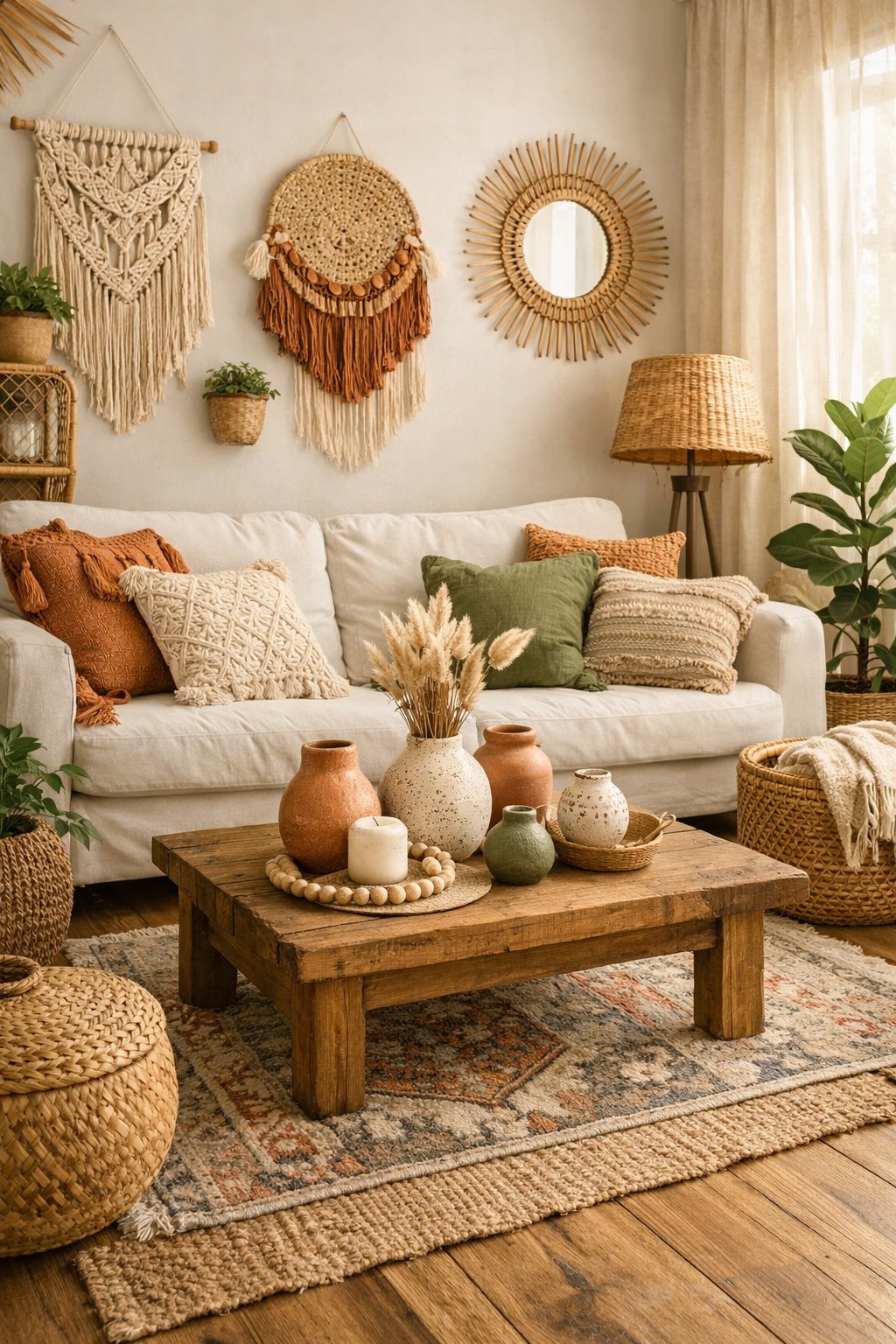
DIY projects help shape a relaxed and personal boho style. They add texture, color, and natural materials without high cost. Many projects use simple tools and basic craft skills.
Popular DIY boho decor ideas include:
- Macramé wall hangings or plant holders
- Painted canvas art with simple shapes
- Woven wall baskets
- Beaded garlands
- DIY throw pillow covers with fringe or tassels
Macramé remains a strong choice because it adds soft texture. Cotton rope and wooden dowels create a natural look. They fit well in living rooms and bedrooms.
Painted wall art also works well. Neutral tones, warm earth colors, and simple patterns keep the space calm. Large brush strokes and uneven lines add a handmade feel.
A few small changes can shift the mood of a room. The table below shows easy swaps.
| Basic Item | Boho DIY Upgrade |
|---|---|
| Plain mirror | Add rope or rattan frame |
| Simple planter | Wrap with jute or macramé cord |
| Basic lamp shade | Glue fringe or fabric trim |
| Empty wall space | Hang woven baskets or textiles |
They often use natural materials like rattan, jute, wood, and linen. These materials add warmth and depth. Soft lighting and layered fabrics complete the look.
DIY boho decor works best when it feels collected over time. Mixing handmade pieces with thrifted finds keeps the style relaxed and personal.
1) Layer vibrant patterned textiles with natural fibers like jute and rattan
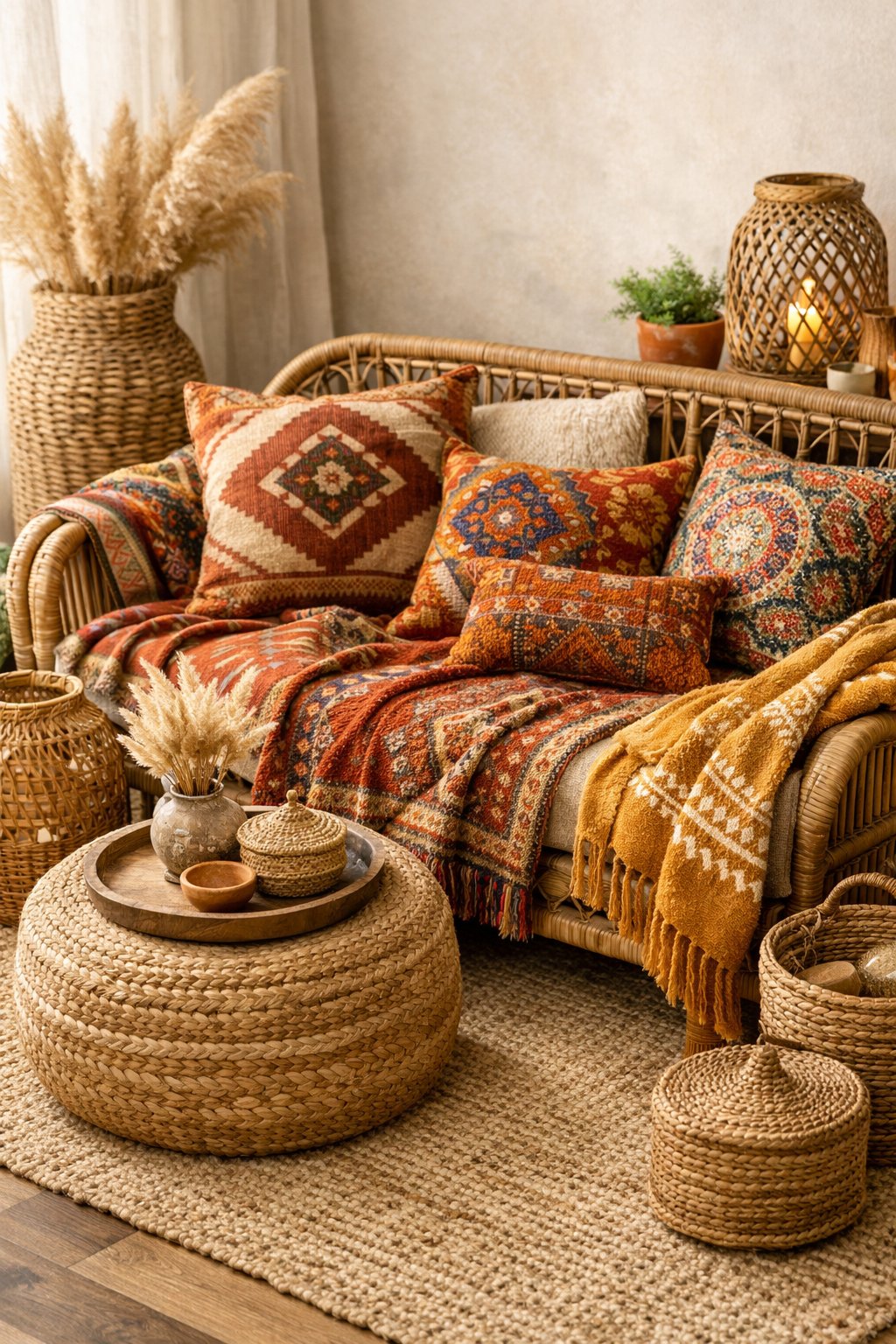
Boho style relies on rich patterns and natural texture. Designers often start with a jute rug to ground the room. Its coarse weave adds warmth and an earthy base.
They then layer vibrant textiles on top. Patterned throw pillows, striped blankets, or shibori prints bring color and movement. Sticking to a loose color palette keeps the mix balanced.
Rattan and wicker furniture add structure and lightness. A rattan chair or woven basket introduces organic texture without feeling heavy. This layered approach creates depth while keeping the space relaxed and inviting.
2) Incorporate macramé wall hangings for texture and artistic flair
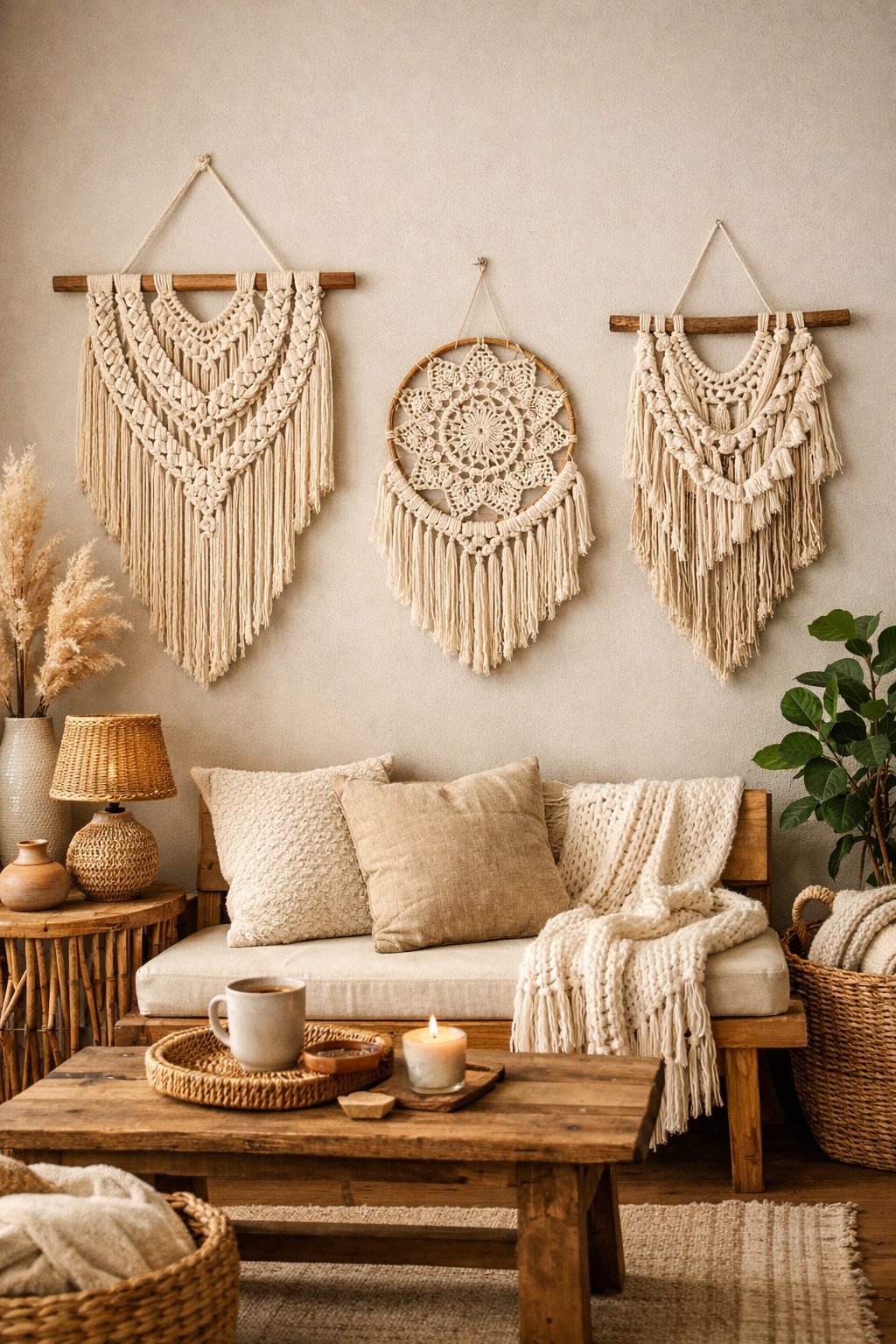
Macramé wall hangings add texture and depth to a room. They bring a soft, handmade feel that fits well with boho decor. The woven patterns create visual interest without overwhelming the space.
They can hang above a sofa, bed, or entry table. Neutral cotton cords blend with most color schemes, while bold designs make a clear statement. Large pieces act as focal points, and smaller ones work well in gallery walls.
Many people choose handmade or DIY options. Simple knot patterns suit beginners, while detailed designs offer a more artistic look.
3) Use eclectic vintage furniture to add personality and charm
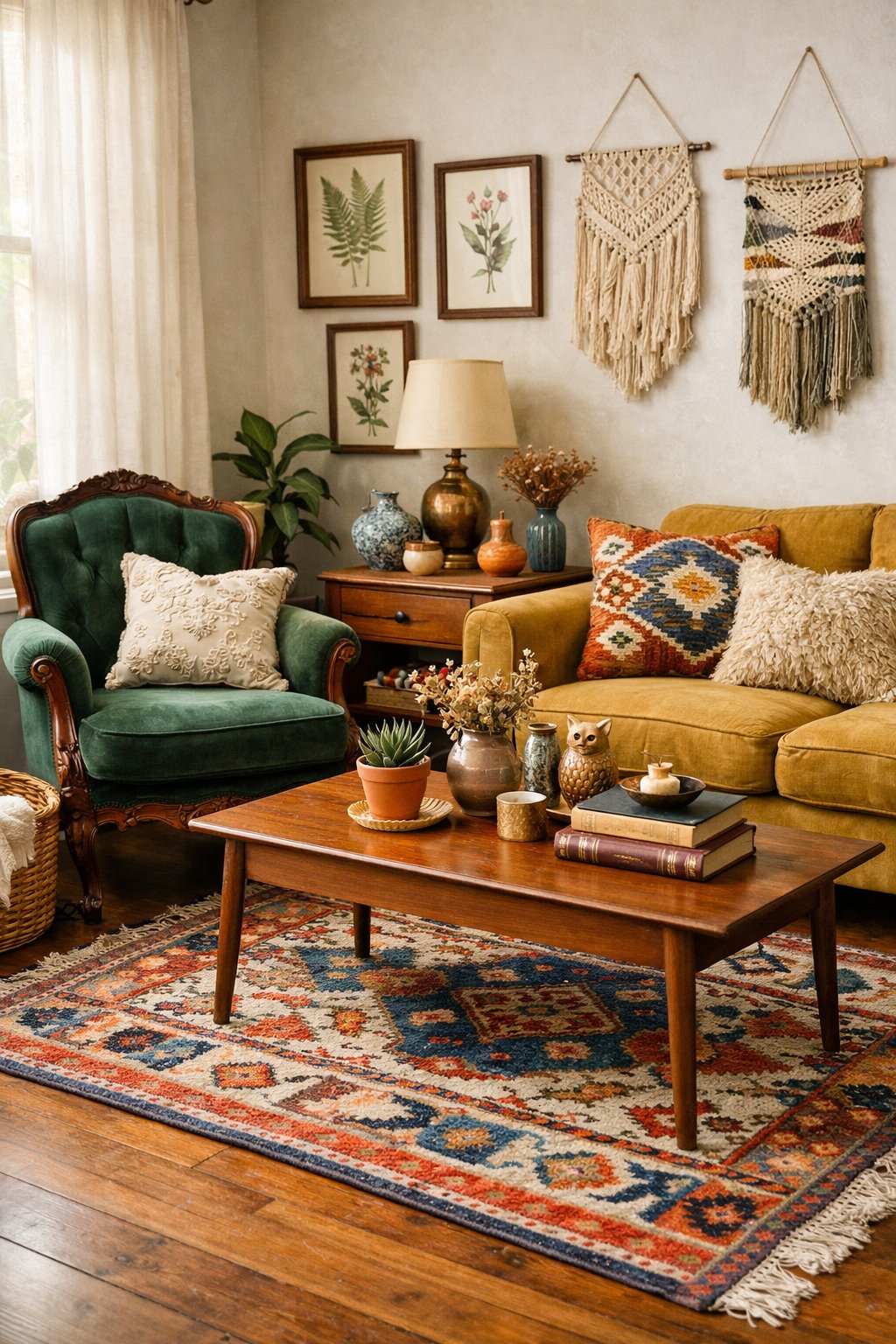
Eclectic vintage furniture gives a boho home depth and character. It blends old and new pieces instead of matching full sets. A worn wood table or a retro chair can become a strong focal point.
They can mix antique finds with modern sofas or simple shelves. This contrast keeps the room from feeling flat. It also shows personal taste.
He or she can shop secondhand stores or flea markets for unique items. Look for solid wood, curved lines, or carved details. These features add charm without cluttering the space.
4) Add indoor plants in woven baskets to enhance earthy vibes
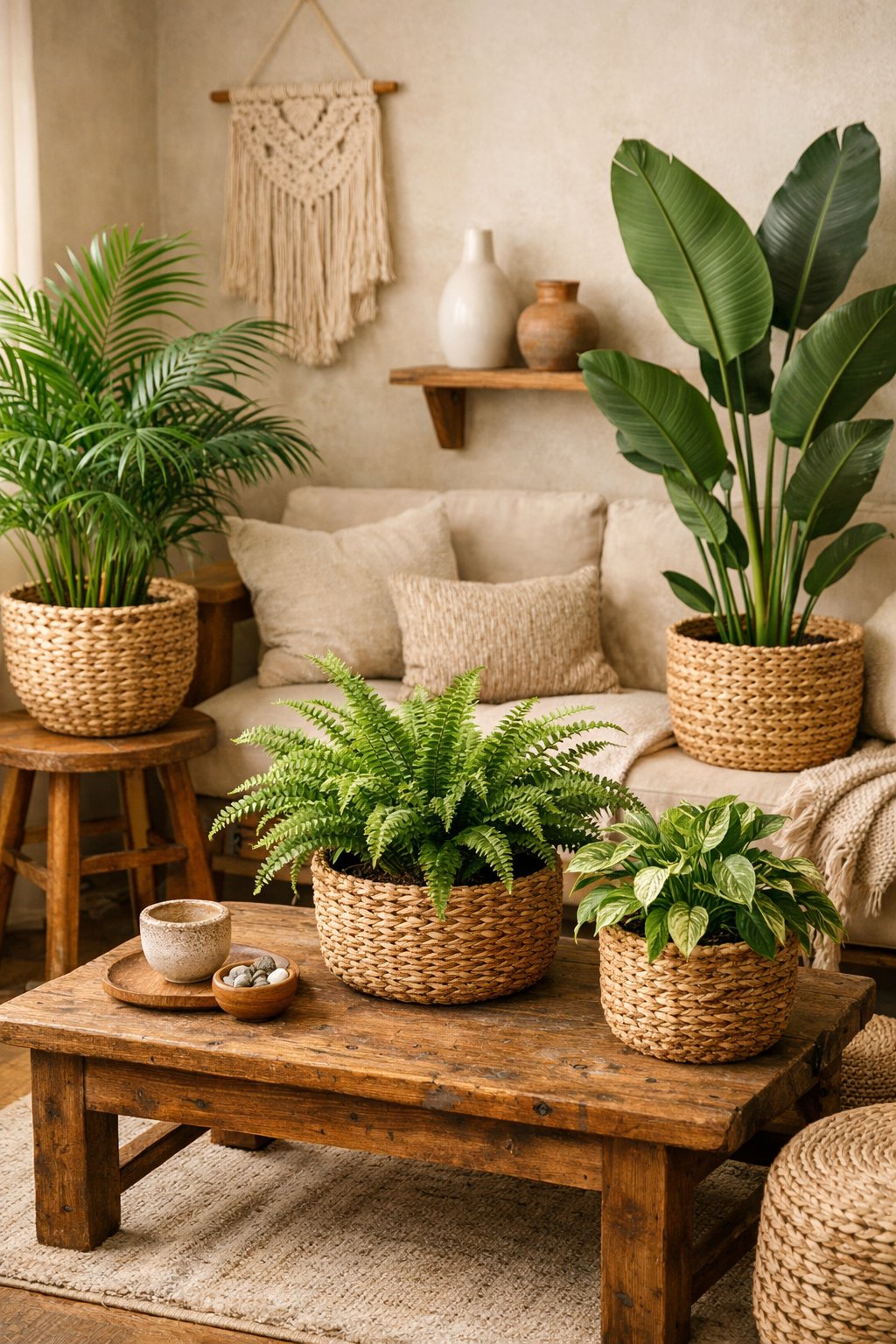
Indoor plants bring life and texture into a boho space. They add natural color and support the relaxed, earthy style that defines this look.
Place potted plants inside woven baskets made of rattan, seagrass, or jute. These materials add warmth and blend well with wood, linen, and other natural fabrics. They also hide plain plastic pots and create a softer finish.
Set larger baskets on the floor near seating areas. Use smaller ones on shelves, side tables, or in cozy corners. Mixing plant sizes and basket patterns keeps the space balanced and visually interesting.
5) Mix bold colors with earthy tones to balance warmth and energy
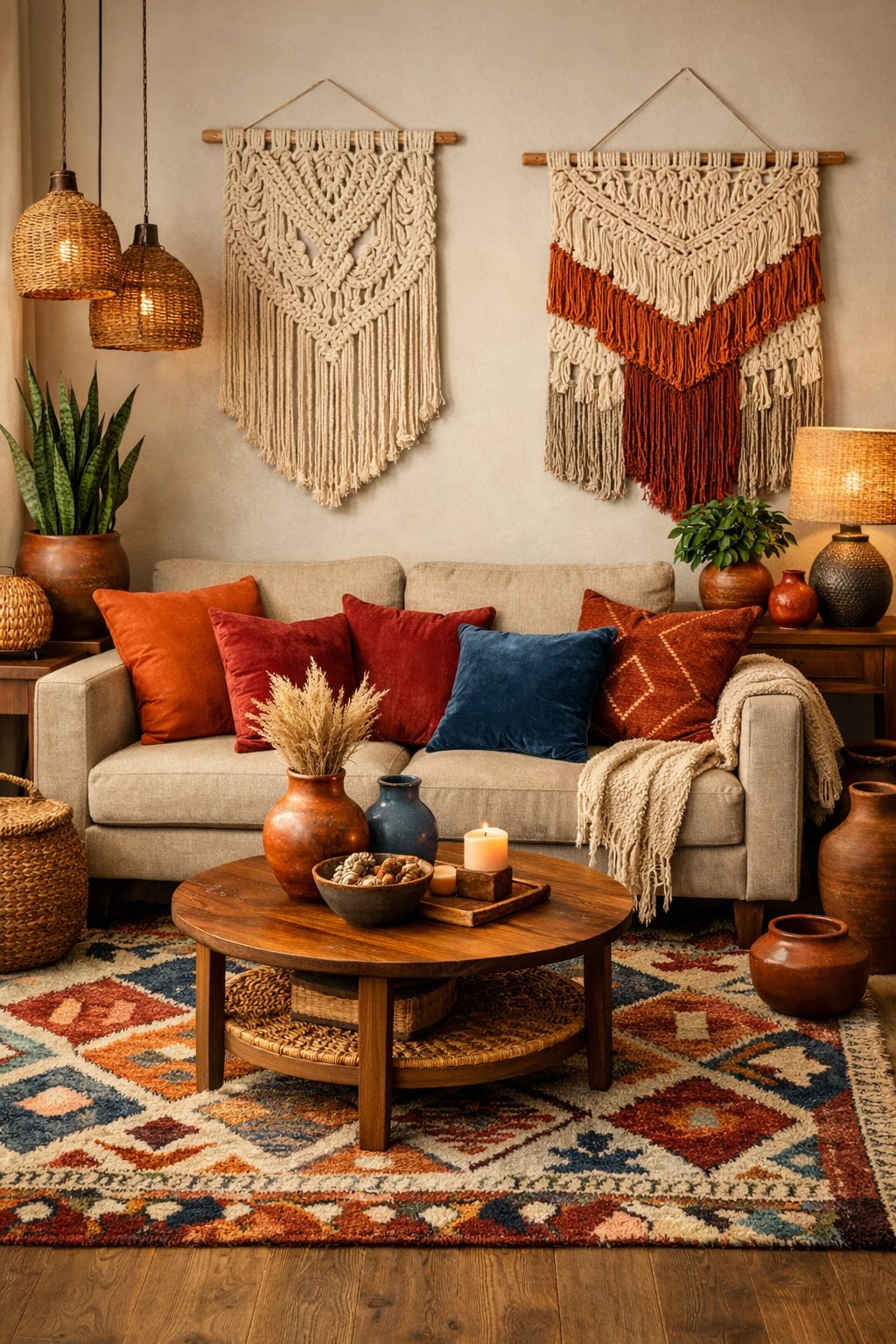
Boho style blends strong color with natural shades. Designers often pair terracotta, beige, or warm brown with brighter tones like emerald, coral, or deep blue. This mix keeps the room lively without feeling harsh.
Earthy tones create a calm base. Walls, rugs, and large furniture pieces work well in sandy or muted colors. These shades ground the space and add warmth.
Bold colors bring energy. They can appear in pillows, art, or accent chairs. When they repeat in small touches, the room feels balanced and connected.
Understanding the Boho Aesthetic
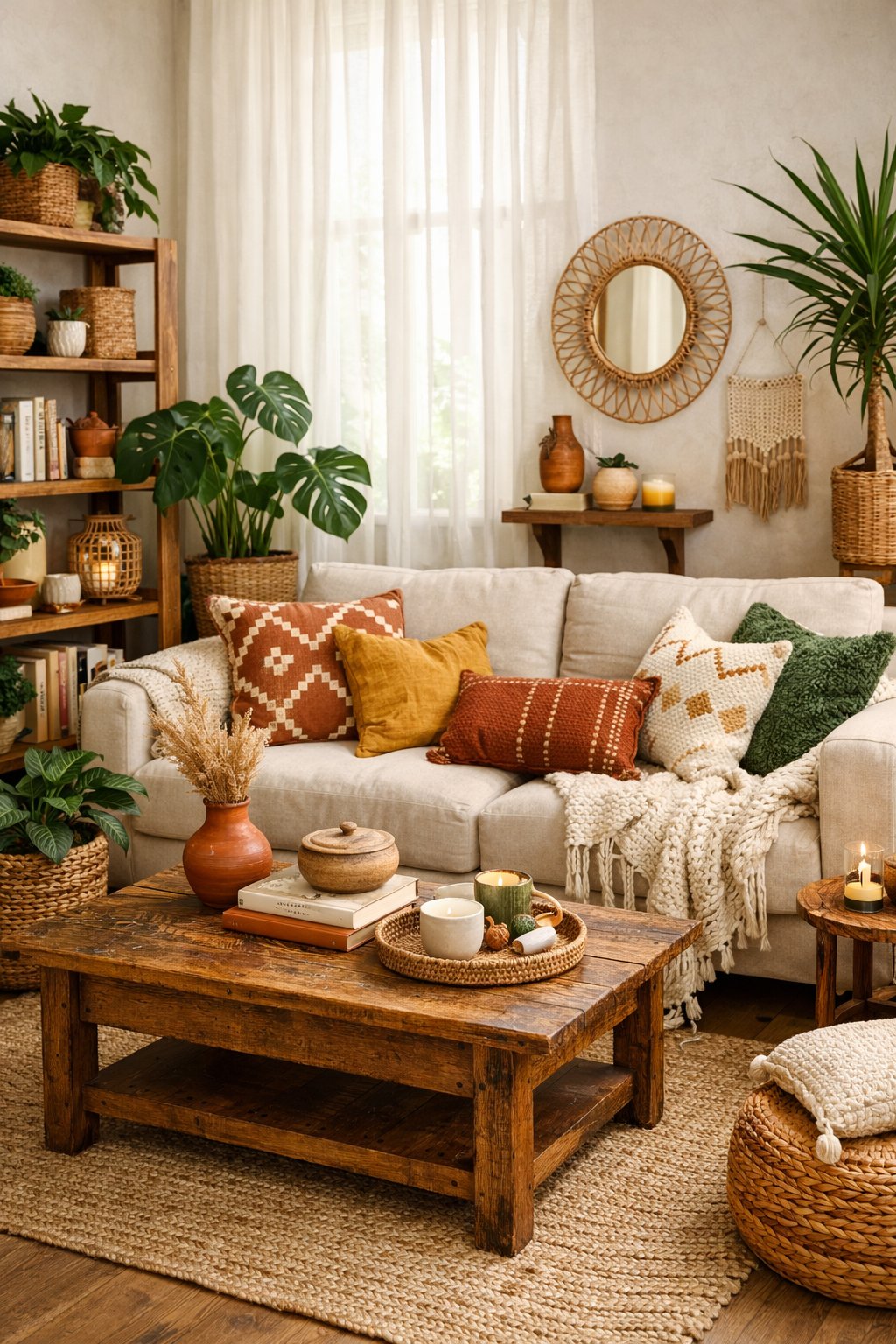
Boho style blends global influence, personal expression, and relaxed design rules. It values texture, color, and meaningful objects over strict structure or trends.
Origin and Influences
Bohemian style began in the 19th century. Artists, writers, and travelers chose a simple life and rejected strict social rules. They filled their homes with items collected from different cultures and places.
The look draws from North African, Moroccan, Indian, and Eastern European design. It also reflects 1960s and 1970s counterculture style. These influences show up in patterned rugs, floor cushions, carved wood furniture, and woven wall hangings.
Travel played a key role. People brought home textiles, pottery, and handmade art. Each object told a story.
Modern boho decor still keeps this global mix. It often includes:
- Vintage or thrifted furniture
- Handmade crafts such as macramé
- Layered rugs with bold patterns
- Plants placed in woven baskets
Boho design values culture, craft, and personal history over matching sets.
Core Principles of Bohemian Style
Bohemian style focuses on comfort and individuality. It avoids rigid layouts and matching furniture collections.
Layering stands at the center of the look. Designers combine textiles, textures, and patterns in one space. A room may include a patterned rug, linen curtains, knit throws, and velvet pillows. The mix creates depth without strict symmetry.
Color also plays a strong role. Many spaces use earthy tones like brown, rust, cream, and olive. Others add coral, deep blue, or mustard for contrast. The goal is warmth, not perfection.
Natural materials matter. Common choices include:
| Material | Common Use |
|---|---|
| Rattan | Chairs, light fixtures |
| Wood | Tables, shelves |
| Cotton | Bedding, curtains |
| Jute | Rugs, baskets |
Plants complete the look. They soften the room and add life.
Boho style allows freedom. It encourages personal objects, collected art, and furniture that feels lived in rather than staged.
Color Palettes and Material Selection
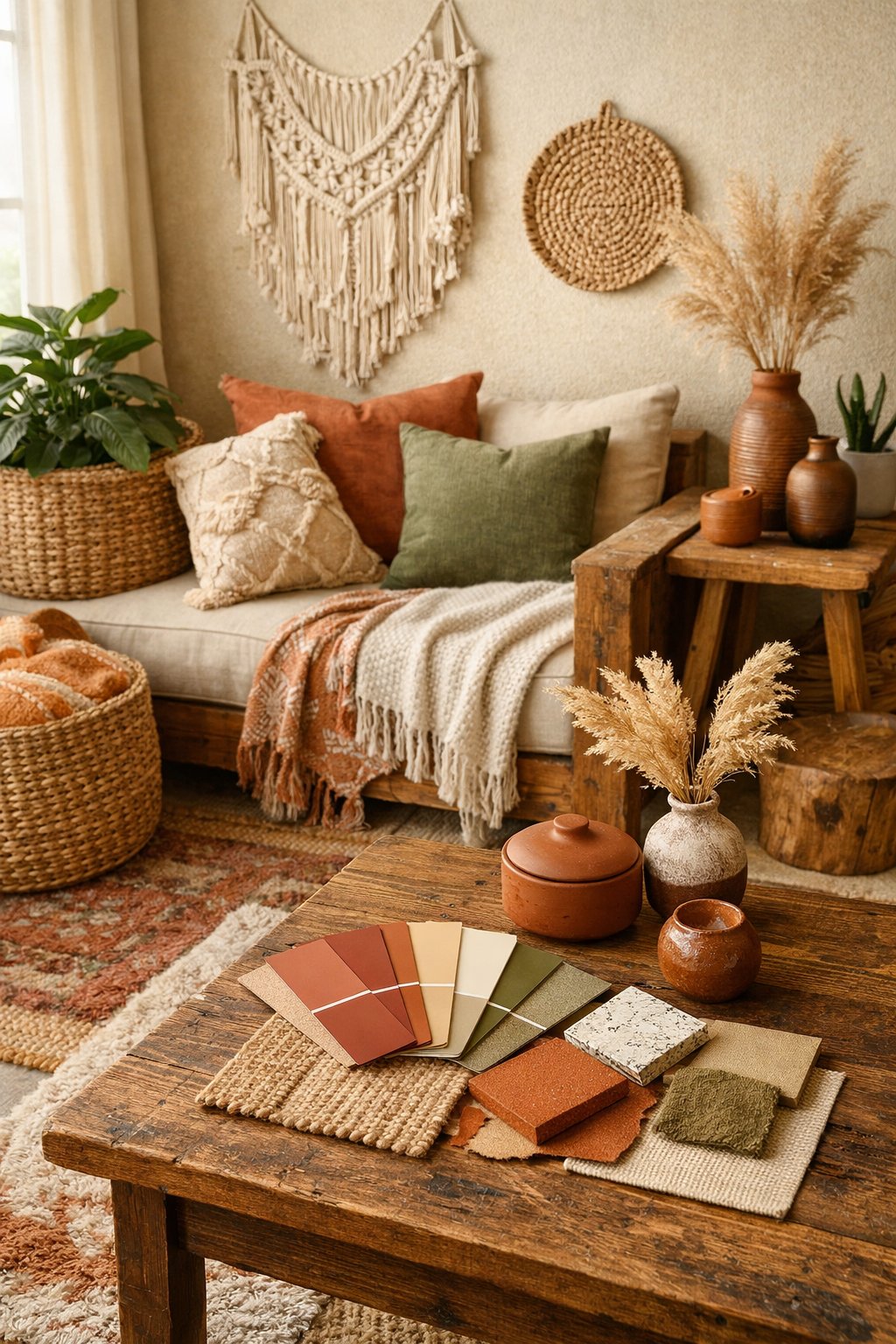
Color and material choices shape the mood of a boho space. Earthy tones build a calm base, while layered textiles and handmade pieces add warmth and texture.
Choosing Earthy and Vibrant Tones
Boho design often starts with earth-based colors. Think warm beige, terracotta, clay, olive green, rust, and muted brown. These shades reflect nature and create a relaxed feel.
Many designers pair these tones with soft neutrals like cream or warm white. This keeps the room from feeling too dark. Walls in sand or light taupe allow furniture and decor to stand out.
After the base is set, they add vibrant accents. Popular choices include deep teal, mustard yellow, burnt orange, and dusty pink. These colors appear in pillows, rugs, and art rather than large furniture pieces.
A simple approach works best:
- Use 2–3 earthy base colors
- Add 1–2 richer accent colors
- Repeat each shade at least twice in the room
This method keeps the space layered but cohesive. It avoids a cluttered look while still feeling creative and relaxed.
Natural Textiles and Handmade Accents
Boho spaces rely on natural materials. Cotton, linen, jute, wool, and rattan create texture without looking formal. These fabrics feel soft and lived-in.
Layering matters. A woven jute rug can sit under a patterned wool rug. Linen curtains can hang beside a macramé wall piece. Each layer adds depth without heavy decoration.
Handmade items give the room character. Examples include:
- Woven baskets
- Ceramic vases
- Macramé wall hangings
- Hand-embroidered pillows
These pieces often show slight imperfections. That detail makes them feel personal and real.
Wood furniture with a natural or lightly stained finish works well. Rattan chairs and cane cabinets also fit the style. Mixing materials—such as wood, metal, and woven fibers—creates contrast while keeping the look balanced.