Best RV GPS for Beginners: Easy Navigation for New RV Owners
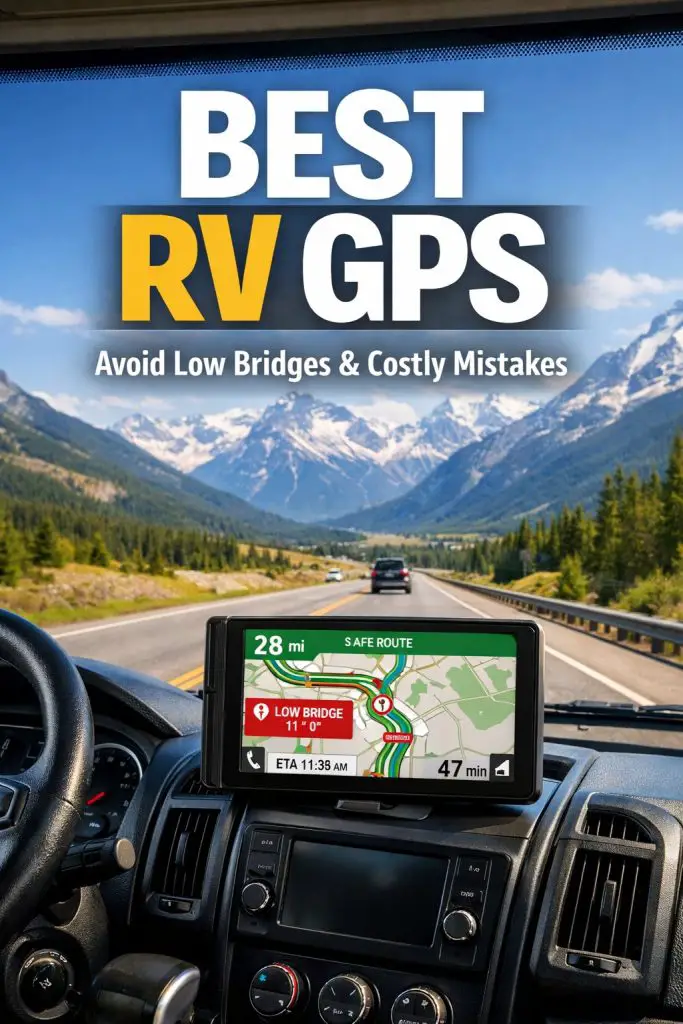
If you’ve ever driven an RV using regular car GPS, you already know the pain. One wrong turn and suddenly you’re staring at a low bridge, a weight-restricted road, or a tight neighborhood street that your RV absolutely does not belong in. The biggest problem with finding the 5 best RV GPS devices is that most navigation tools are built for cars, not oversized, heavy, and tall vehicles like motorhomes or fifth wheels.
I’ve been there myself. I think every RV owner has at least one “never again” story involving a bad route suggestion. In my opinion, choosing the right RV GPS completely changes how relaxed you feel on the road. I’ve tested different systems, talked with other RVers, and learned what actually matters versus what’s just marketing hype. In this article, I’ll help you cut through the noise and find what really works.
By the end of this guide, you’ll feel confident picking the right RV GPS for your travel style, rig size, and budget. No more guessing. No more white-knuckle turns. Just clear navigation that actually understands your RV.
Why You Need a Dedicated RV GPS
A standard car GPS assumes you’re driving a sedan. An RV GPS assumes you’re driving a house on wheels. That difference matters more than people realize.
A proper RV GPS lets you enter:
- Vehicle height, length, width, and weight
- Axle weight limits
- Trailer details, if you’re towing
Once those details are set, the GPS avoids routes that could damage your RV or get you stuck. IMO, that alone makes it worth the investment.
Other benefits include:
- RV-friendly routing
- Campground and RV park directories
- Warnings for steep grades and sharp curves
- Lane guidance designed for large vehicles
How I Chose the 5 Best RV GPS Devices
Before jumping into the list, here’s how I evaluated each option. Not every RV GPS is good just because it’s expensive.
I focused on:
- Accuracy of RV-specific routing
- Ease of use while driving
- Screen clarity and size
- Update frequency for maps
- Extra RV-focused features
If a GPS failed in any of these areas, it didn’t make the cut.
Garmin RV 895
When people ask me for a safe recommendation, this is usually my first answer.
The Garmin RV 895 is one of the most advanced RV GPS units available right now. It’s designed specifically for large RVs and long-distance travel.
What Makes It Stand Out
- Large 8-inch touchscreen that’s easy to read at a glance
- Custom RV routing based on your vehicle’s size and weight
- Built-in RV parks and campground directory
- Voice control for hands-free use
The screen size alone is a game changer. I feel like smaller screens can be distracting when you’re constantly squinting at them.
Best For
- Class A and Class C motorhomes
- RVers who want maximum screen visibility
- Long road trips across multiple states
Key takeaway: If you want premium features and a big, clear display, this is hard to beat.
Rand McNally OverDryve 8 Pro II
Rand McNally has been around forever in the navigation world, and this model shows why.
The Rand McNally OverDryve 8 Pro II blends RV navigation with smart features you’d normally expect from a tablet.
Why RVers Love It
- RV-specific routing with height and weight limits
- Dash cam compatibility
- Built-in Wi-Fi and Bluetooth
- Weather alerts and traffic updates
One thing I like here is the balance between navigation and connectivity. FYI, not everyone needs smart features, but if you do, this one delivers.
Best For
- Tech-savvy RVers
- Those who want navigation plus entertainment features
- RVers who drive in changing weather conditions
Key takeaway: A strong all-in-one option if you want more than just directions.
Garmin RV 1095
This is the big sibling to the 895, and yes, bigger can be better in an RV.
The Garmin RV 1095 features a massive 10-inch display, which feels almost like having a built-in dash system.
Standout Features
- Huge 10-inch screen for easy viewing
- RV routing customized to your rig
- Road warnings for grades, curves, and wind
- Hands-free voice commands
I think this model shines when you’re navigating unfamiliar areas. Everything is just easier to see, especially lane guidance.
Best For
- Large motorhomes
- Drivers who want maximum visibility
- RVers who prefer minimal distractions
Key takeaway: Ideal if screen size and clarity are your top priorities.
TomTom GO Supreme (RV-Adaptable Option)
Now let’s talk about a slightly different approach.
The TomTom GO Supreme isn’t strictly an RV GPS, but with proper setup, it works well for many RVers.
Why It’s Worth Considering
- Excellent traffic rerouting
- Lifetime map updates
- Clear lane guidance
- Simple, fast interface
This is a good option if you’re driving a smaller RV or camper van. I feel it’s especially useful for people who spend time in cities.
Best For
- Camper vans
- Small Class B RVs
- RVers who prioritize traffic avoidance
Key takeaway: A solid alternative for lighter RVs when full RV GPS features aren’t required.
RV Life GPS App (Tablet-Based Option)
Not everyone wants a dedicated GPS device, and that’s okay.
The RV Life GPS app turns your tablet or phone into a powerful RV navigation tool.
Why It’s Popular
- RV-safe routing based on rig size
- Integrated campground reviews
- Frequent map updates
- Works well on large tablets
I think this option works best when paired with a sturdy dash mount and offline maps.
Best For
- Budget-conscious RVers
- Those who already use RV Life Trip Wizard
- Tablet users who want flexibility
Key takeaway: A smart choice if you prefer apps over hardware.
Key Features to Look for in the Best RV GPS
Before you buy anything, make sure your GPS includes these essentials:
- RV-specific routing
- Custom vehicle profiles
- Offline navigation
- Regular map updates
- Clear warnings for hazards
Missing even one of these can lead to problems on the road.
Dedicated GPS vs Smartphone Apps
This question comes up all the time.
Dedicated RV GPS Pros
- Designed specifically for RVs
- Larger screens
- More reliable offline performance
Smartphone App Pros
- Lower cost
- Frequent updates
- Easy to integrate with trip planning
IMO, serious RV travelers benefit most from a dedicated device, while casual or short-trip RVers can get by with apps.
Common Mistakes RVers Make With GPS
Even the best RV GPS can fail if used incorrectly.
Avoid these mistakes:
- Forgetting to update vehicle dimensions
- Ignoring road warning alerts
- Relying solely on GPS without checking signs
A GPS is a tool, not a replacement for awareness.
Final Thoughts on the 5 Best RV GPS Options
Choosing the right RV GPS is less about brand loyalty and more about how you travel. Screen size, routing accuracy, and RV-specific features matter far more than flashy extras.
I feel that investing in the right navigation system pays for itself the first time it keeps you out of trouble. And honestly, stress-free driving is priceless when you’re exploring new places.
Frequently Asked Questions
What is the best RV GPS for large motorhomes?
For large Class A motorhomes, the Garmin RV 1095 is one of the best choices due to its large screen and advanced RV routing features.
Can I use Google Maps for RV navigation?
Google Maps does not support RV-specific routing like height or weight restrictions, which can be risky for larger RVs.
Do RV GPS devices need internet access?
No. Most RV GPS devices work offline once maps are downloaded, which is essential for remote travel.
Are RV GPS apps as accurate as dedicated devices?
RV GPS apps can be accurate, but dedicated devices tend to be more reliable for offline navigation and long trips.
How often should I update my RV GPS maps?
You should check for map updates at least every few months to ensure accurate routing and road data.