
Tiny Homes For Seniors Over 60: 5 Smart, Accessible Living Options
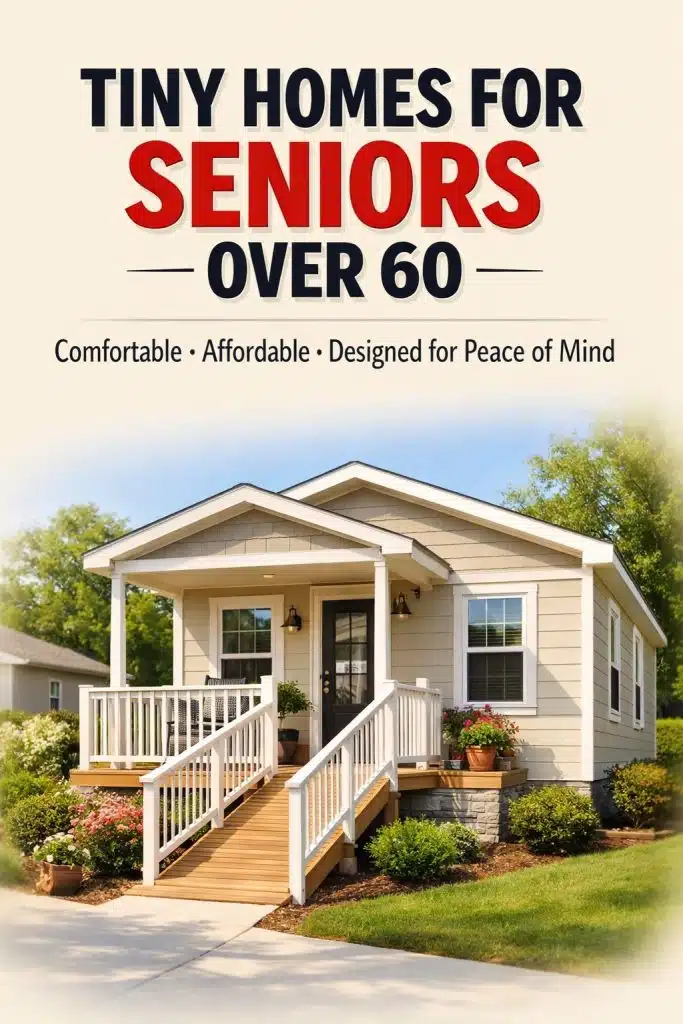
You may want a home that feels easier to manage, safer to move through, and still fully your own. Tiny homes for seniors over 60 offer a clear path toward simpler living without giving up comfort or independence.
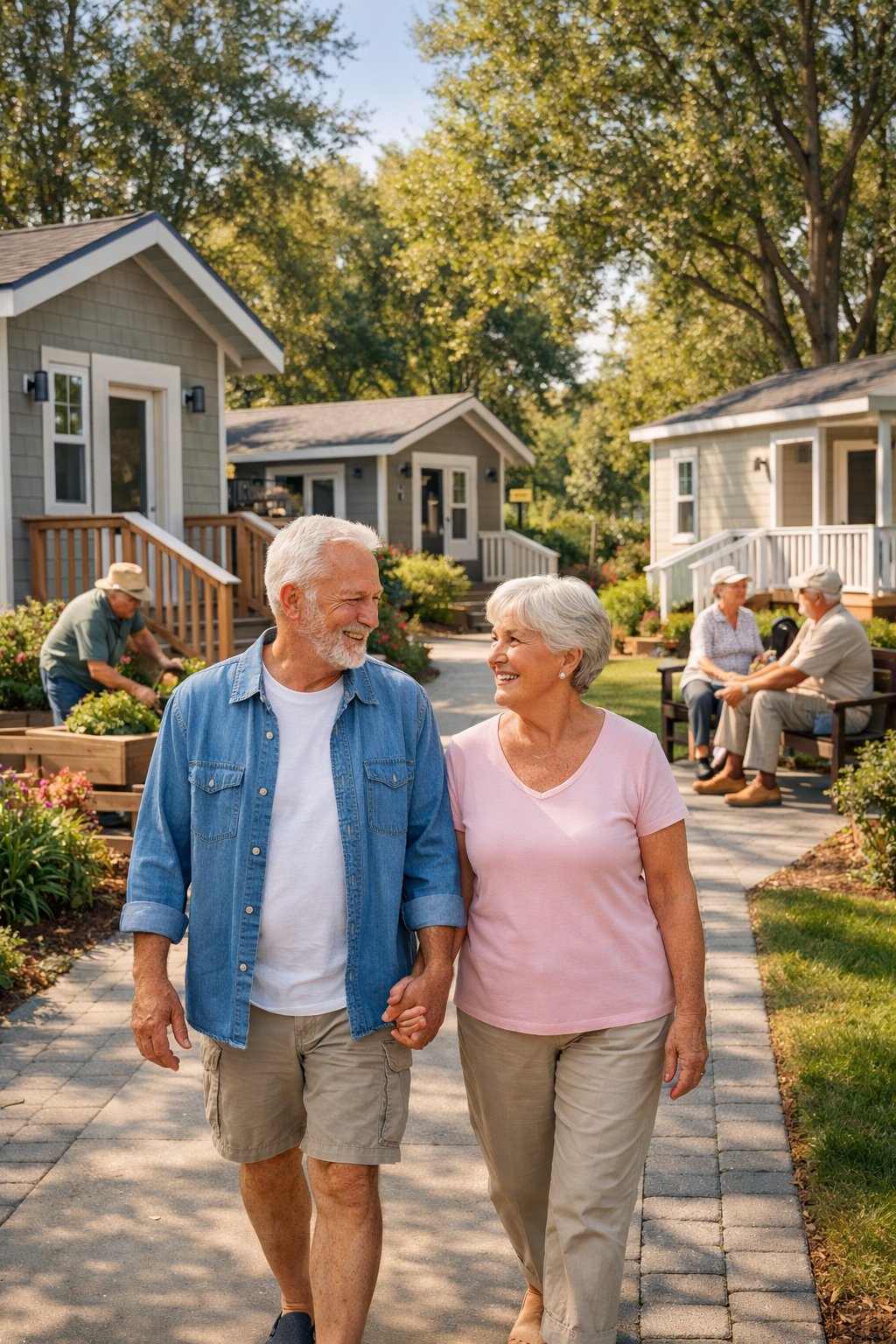
I will show you how tiny homes can support comfort, safety, and independence while helping you simplify life after 60. I look at real providers, supportive communities, and living options that fit different needs and budgets.
I also explain the practical benefits of tiny living and the design features that matter most as you age. This overview helps you decide if a smaller home can match your goals and your lifestyle.
1) Mabury Tiny Homes
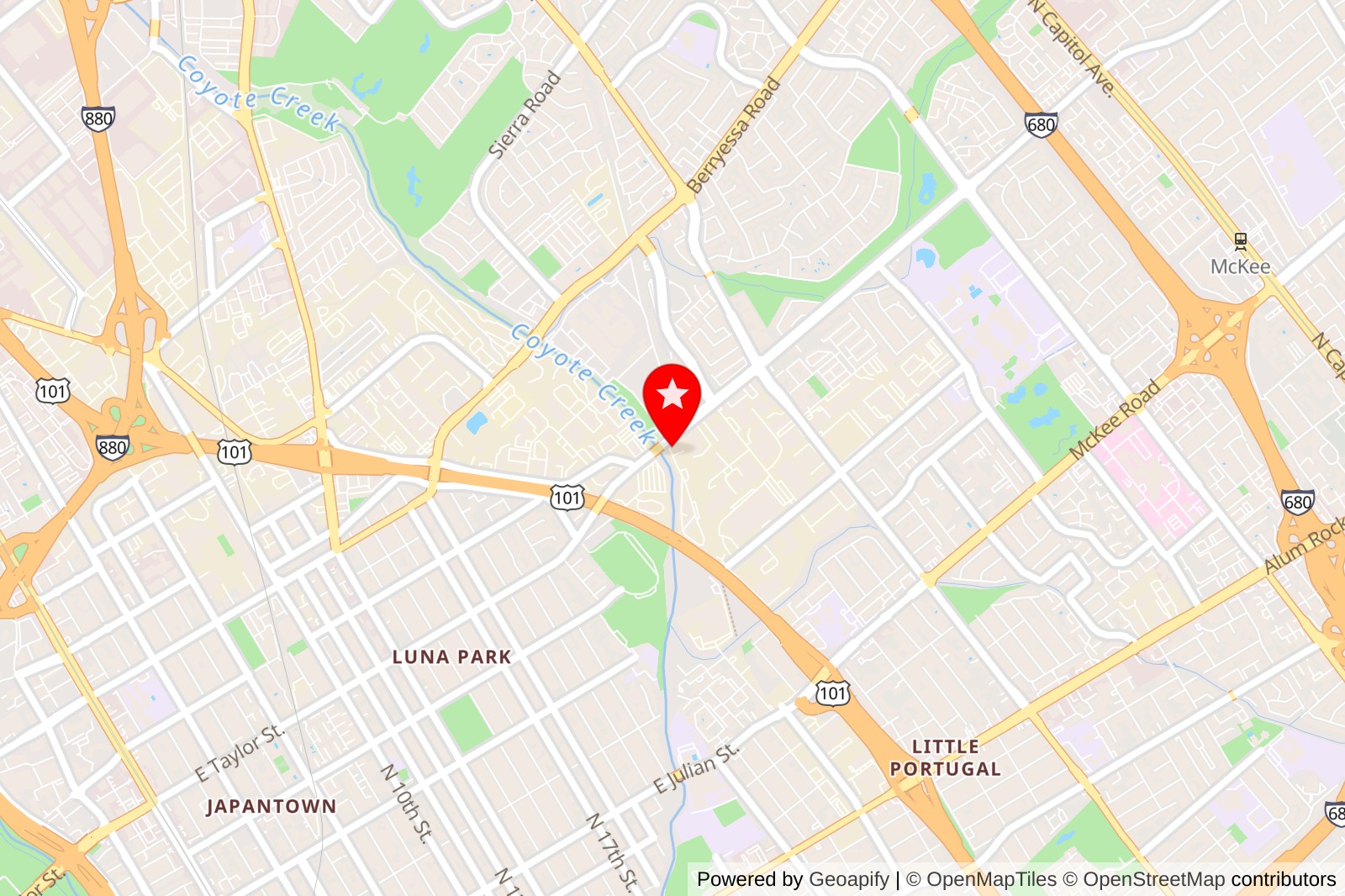
I see Mabury Tiny Homes as a small-scale housing site that uses compact units to support older adults who need stable shelter. The design focuses on privacy, safety, and simple daily living.
I note that the community setting matters here. Residents can live in their own unit while staying connected to nearby services and support staff. This balance can help seniors over 60 keep routines and independence.
I also find value in the location within San Jose. Access to public transit, clinics, and local resources can reduce daily stress for older adults who no longer drive. That access supports basic needs like health care and food.
I view Mabury Tiny Homes as part of a broader effort to address housing gaps for vulnerable seniors. The tiny home model can offer a lower-cost option without removing dignity or personal space.
Location: Mabury Tiny Homes
2) A2Z Tiny Homes
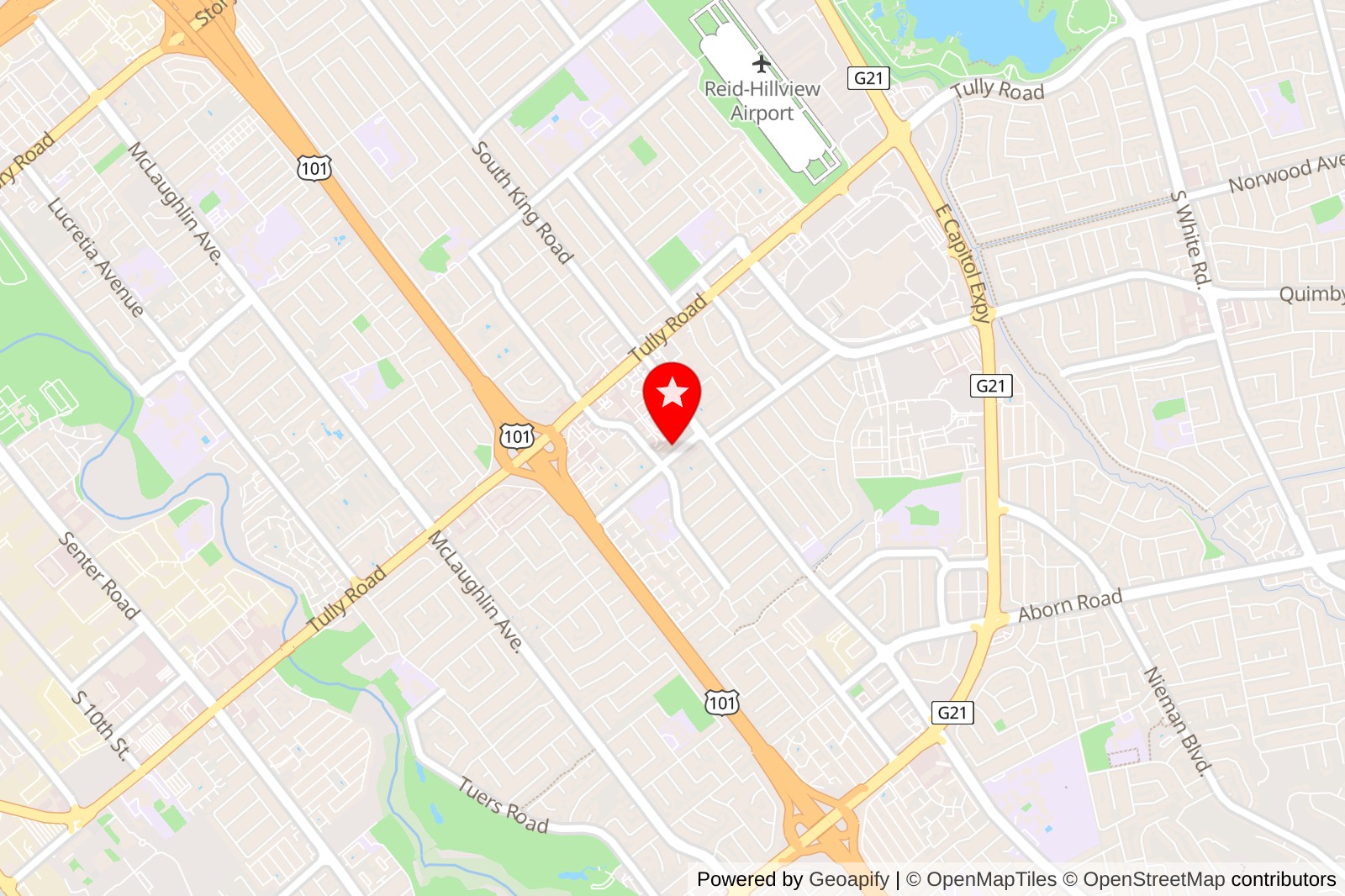
I see A2Z Tiny Homes as a practical option for seniors who want a small, manageable home. They work as a contractor, which matters when a project needs permits, site work, and inspections. I focus on builders like this because experience helps reduce delays.
I pay close attention to how a builder supports aging in place. With tiny homes, that often means single-level layouts, wider doors, and simple floor plans. I value clear communication during design so the home fits changing needs over time.
I also look at how a company handles local rules. In California, zoning and ADU laws can affect cost and timing. I prefer teams that understand these rules and guide clients through the process.
I consider A2Z Tiny Homes when space, budget, and long-term comfort matter. For seniors over 60, a well-built tiny home can offer privacy, lower upkeep, and easier daily living without excess space.
Location: 1669 Flanigan Dr, San Jose, CA 95121
Contact: (408) 644-7905
3) Silicon Valley Independent Living Center
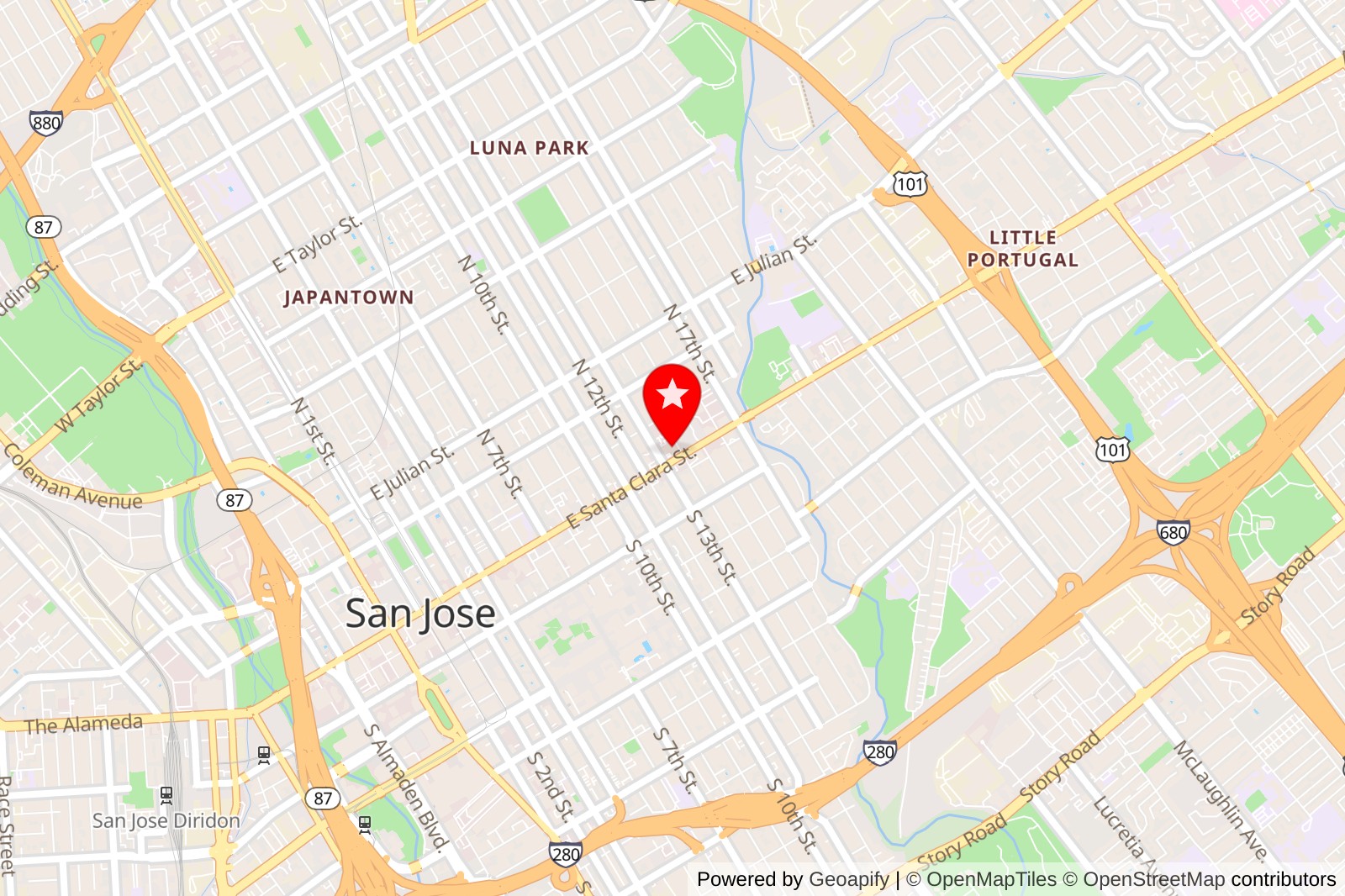
I see Silicon Valley Independent Living Center as a strong support hub for older adults who want to live with more independence. The organization focuses on disability rights, access, and daily living skills. That mission matters for seniors over 60 who want small, manageable homes.
I view this center as a helpful guide rather than a housing builder. It offers counseling, referrals, and training that can support moves into tiny homes or other small housing options. I find its peer-led approach useful for planning, budgeting, and accessibility needs.
I also note its role in local advocacy and community connections. Those efforts can help seniors learn about zoning, services, and supports that affect tiny home living. I see value in having a trusted local group when making housing choices later in life.
Rating: 4.2 (35 reviews)
Location: San Jose, CA
Contact: (408) 894-9041
Website: Visit Website
4) Ivy Park at Milpitas

I look at Ivy Park at Milpitas as an option for seniors who want simple living without the upkeep of a tiny home. The community offers private apartment homes with care nearby, which can suit adults over 60 who want less space and more support. I see this as a practical choice for people who value ease and safety.
I note that Ivy Park provides assisted living and memory care with personal care plans. Staff work with each resident to support daily needs while respecting independence. I also value that team members speak several languages, which helps residents feel understood and comfortable.
I notice a strong focus on daily life rather than just housing. Residents can join activities, walk the landscaped grounds, or relax at home. I find it helpful that staff handle housekeeping and maintenance, which removes common chores that often push seniors to consider tiny homes.
Rating: 4.6 (37 reviews)
Location: Milpitas, CA
Contact: (669) 322-7350
Website: Visit Website
5) Atria Evergreen Valley
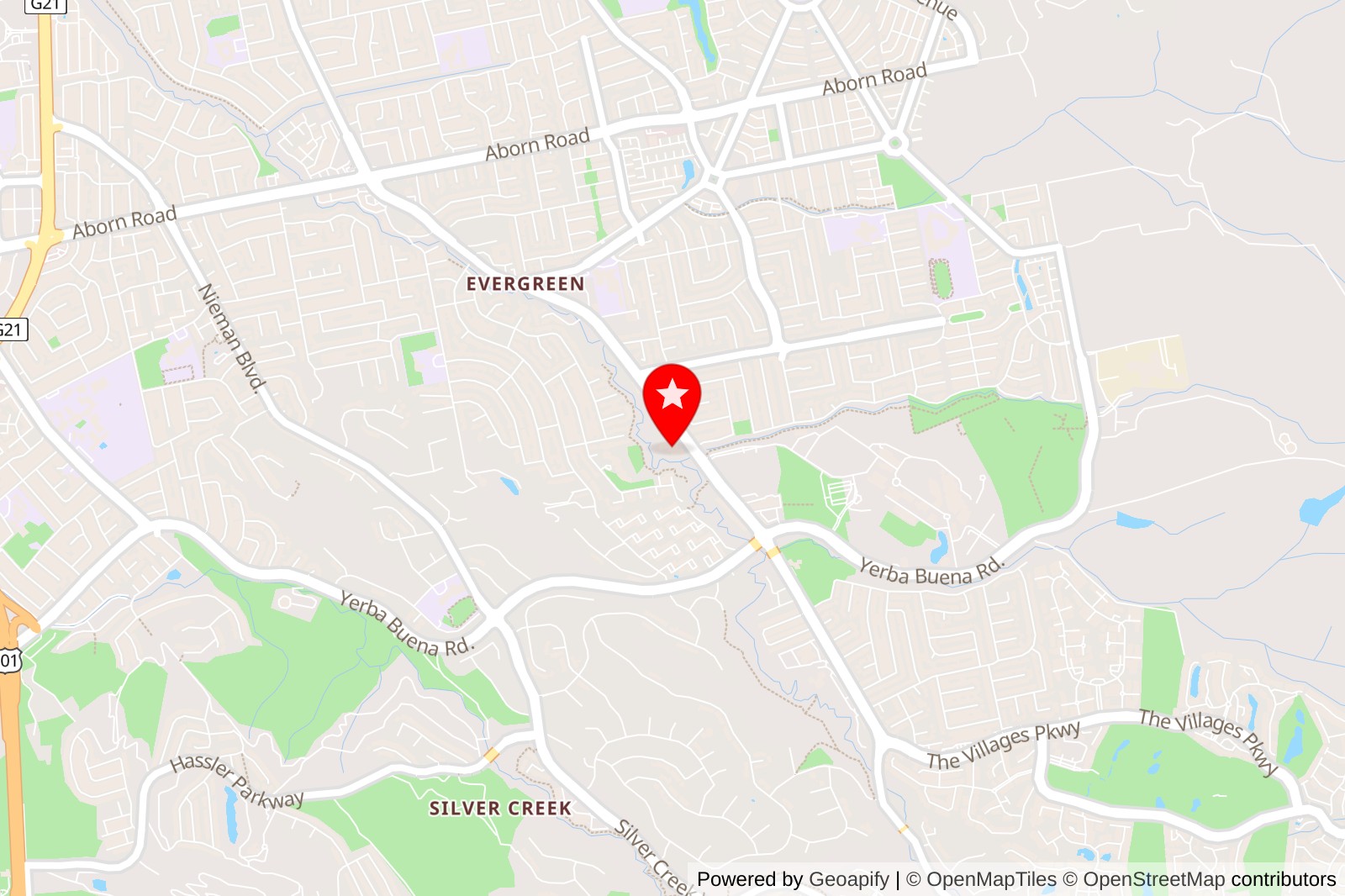
I see Atria Evergreen Valley as a good fit for seniors who want a simpler lifestyle without giving up comfort. The community offers private apartments with support nearby, which can appeal to people who like the idea of small, manageable living. The setting feels calm, with trees close by and easy access to daily needs.
I like that residents can choose how much help they want. The community supports independent and assisted living, so people can adjust care as needs change. This flexibility matters for seniors who want to downsize now and avoid another move later.
I notice a strong focus on daily life and routines. Residents can eat chef-prepared meals, join fitness classes, and attend social events. These features reduce the work of home upkeep, which aligns with the appeal of tiny homes for seniors.
I also value the location in the Evergreen area of San Jose. It sits near parks, local cafés, and golf, which supports an active and social lifestyle. For seniors who want less space but more connection, this community offers a practical option.
Rating: 4.5 (61 reviews)
Location: San Jose, CA
Contact: (408) 532-7677
Website: Visit Website
Benefits of Tiny Homes for Seniors Over 60

I see three clear benefits that matter most to people over 60: easier access inside the home, less work to keep it running, and lower costs that protect retirement income. These benefits support daily comfort, safety, and long-term independence.
Enhanced Accessibility
I value how tiny homes support safe movement. Most designs use a single floor, wide doorways, and open paths that reduce trip risks. Builders often place the kitchen, bathroom, and bedroom close together, which cuts down on long walks inside the home.
Common accessibility features include:
- Zero-step entry or low ramps
- Walk-in showers with seating
- Lever-style handles instead of knobs
- Lower counters and switches
I also like that these features fit into the design instead of feeling added later. This makes daily tasks easier without changing how the home looks or feels.
Lower Maintenance Requirements
I appreciate how small spaces reduce upkeep. A tiny home has fewer rooms, less flooring, and fewer systems to manage. I can clean the entire space in less time and with less effort.
Exterior care stays simple too. Many tiny homes use durable siding and metal roofs that last longer and need fewer repairs. Yard work stays limited or disappears when the home sits on a small lot or in a managed community.
Lower maintenance helps me save energy for things I enjoy. It also reduces the need to hire help for routine tasks, which keeps monthly costs steady.
Financial Freedom and Affordability
I focus on cost control in retirement, and tiny homes help with that goal. Purchase prices usually stay far below standard houses. Utilities also cost less because the space heats and cools faster.
Here is a simple cost comparison I consider:
| Expense Type | Tiny Home | Standard Home |
|---|---|---|
| Utilities | Low | Medium–High |
| Repairs | Low | Medium |
| Property Tax | Lower | Higher |
I also note that many owners over 50 choose tiny homes to downsize and protect savings. Lower housing costs free up money for healthcare, travel, or family support.
Design Considerations for Senior-Friendly Tiny Homes
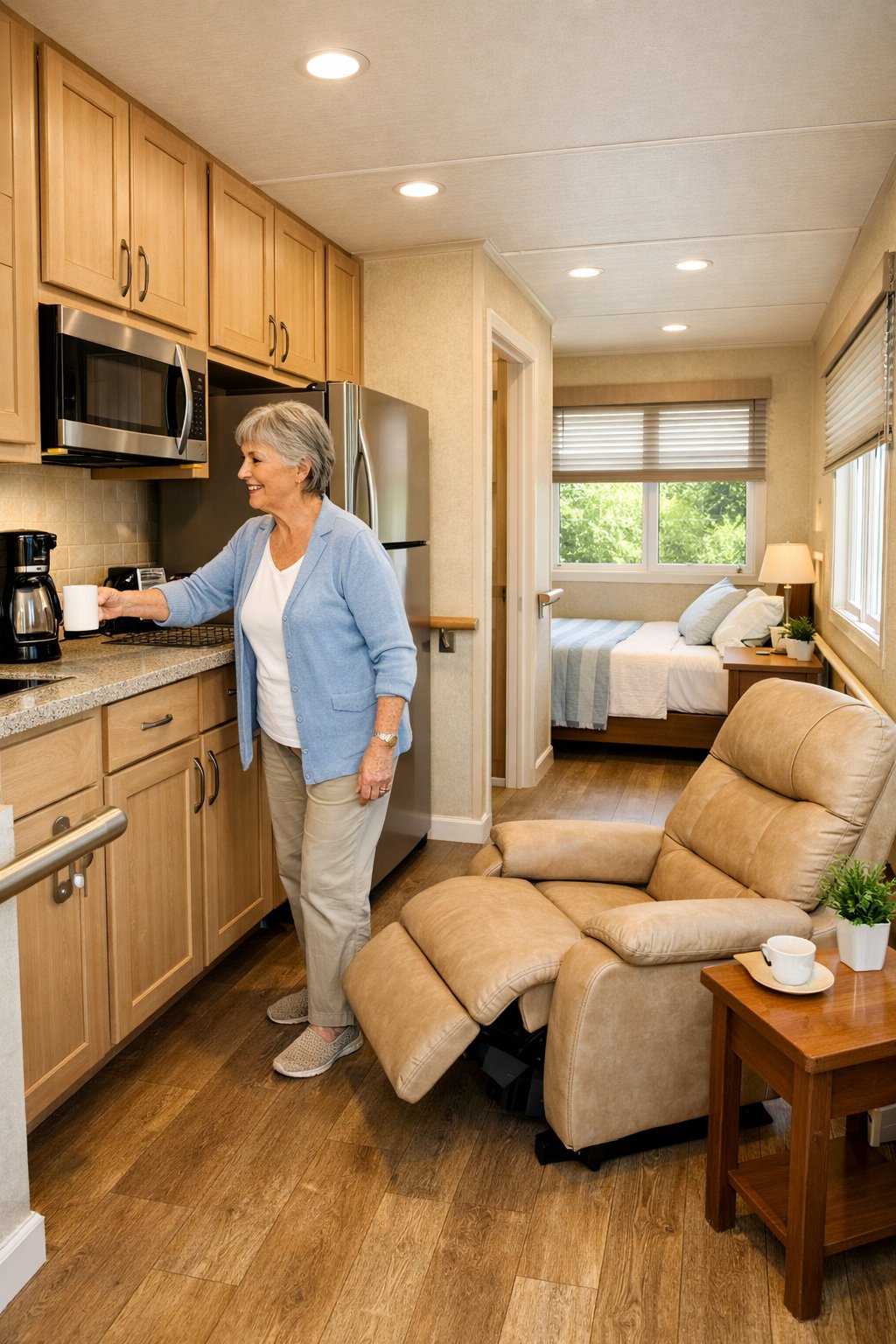
I focus on safety, easy movement, and steady comfort when I plan a tiny home for adults over 60. I choose features that reduce risk, support daily tasks, and keep the home comfortable year-round.
Safety Features and Modifications
I start with features that lower fall risk and support daily use. Non-slip flooring, grab bars, and handrails make bathrooms and entries safer. I prefer curbless showers with a bench and a handheld showerhead. Good lighting matters, so I install bright, even lights with simple switches.
I also plan for clear paths and easy reach. I set outlets higher and use lever handles instead of knobs. Smoke and carbon monoxide alarms must link and include loud alerts.
Common safety upgrades I use:
| Area | Feature |
|---|---|
| Bathroom | Grab bars, walk-in shower |
| Entry | No-step entry, railings |
| Kitchen | Auto-off stove, task lighting |
Optimal Layouts for Mobility
I design layouts that reduce steps and tight turns. One-story plans work best. I avoid lofts unless I add a safe stair or lift. Wide doorways and open paths allow walkers or wheelchairs to pass.
I place the bedroom, bath, and laundry on the same level. This choice cuts daily strain. In the kitchen, I use U-shaped or galley layouts with clear counters and pull-out shelves. Storage stays within reach to avoid bending or climbing.
I keep furniture light and spaced well. Clear lines of sight help with balance and awareness. Simple layouts support independence without crowding the space.
Energy Efficiency and Comfort
I balance efficiency with comfort to lower costs and reduce upkeep. High-quality insulation and tight windows keep temperatures steady. I choose mini-split heat pumps because they heat and cool well and use less power.
I add good ventilation to control moisture and improve air quality. Ceiling fans help with airflow and comfort. For lighting, I install LEDs to cut energy use and reduce heat.
I also plan for quiet systems. Low-noise appliances and HVAC improve sleep and focus. Simple controls matter. I choose thermostats and switches that are easy to read and adjust.


