Double Children’s Bedroom Ideas: 7 Smart Designs for Shared Spaces
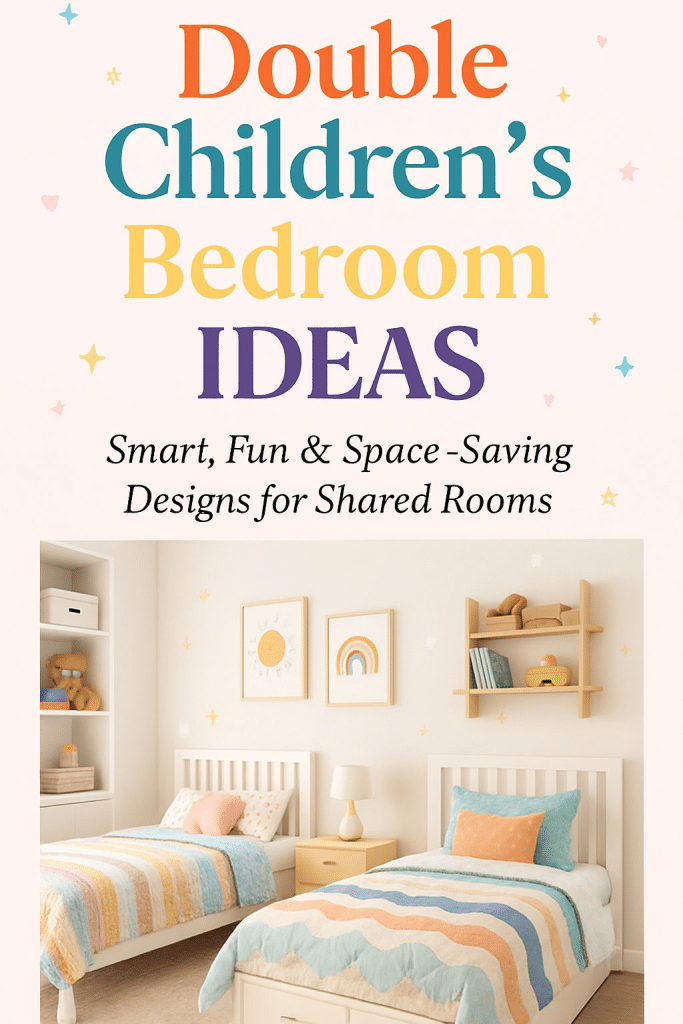
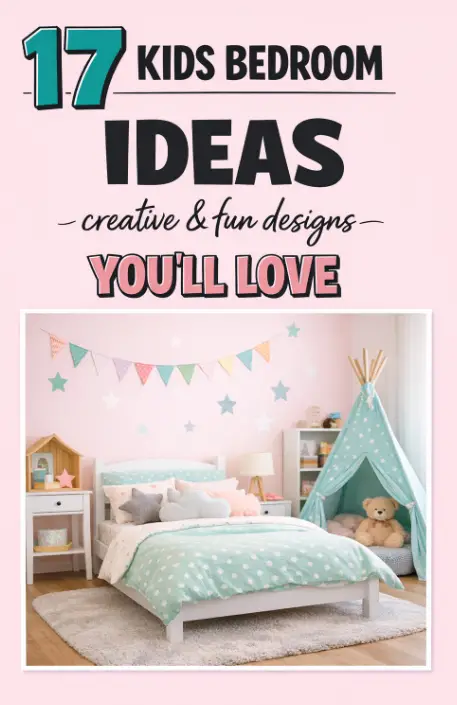
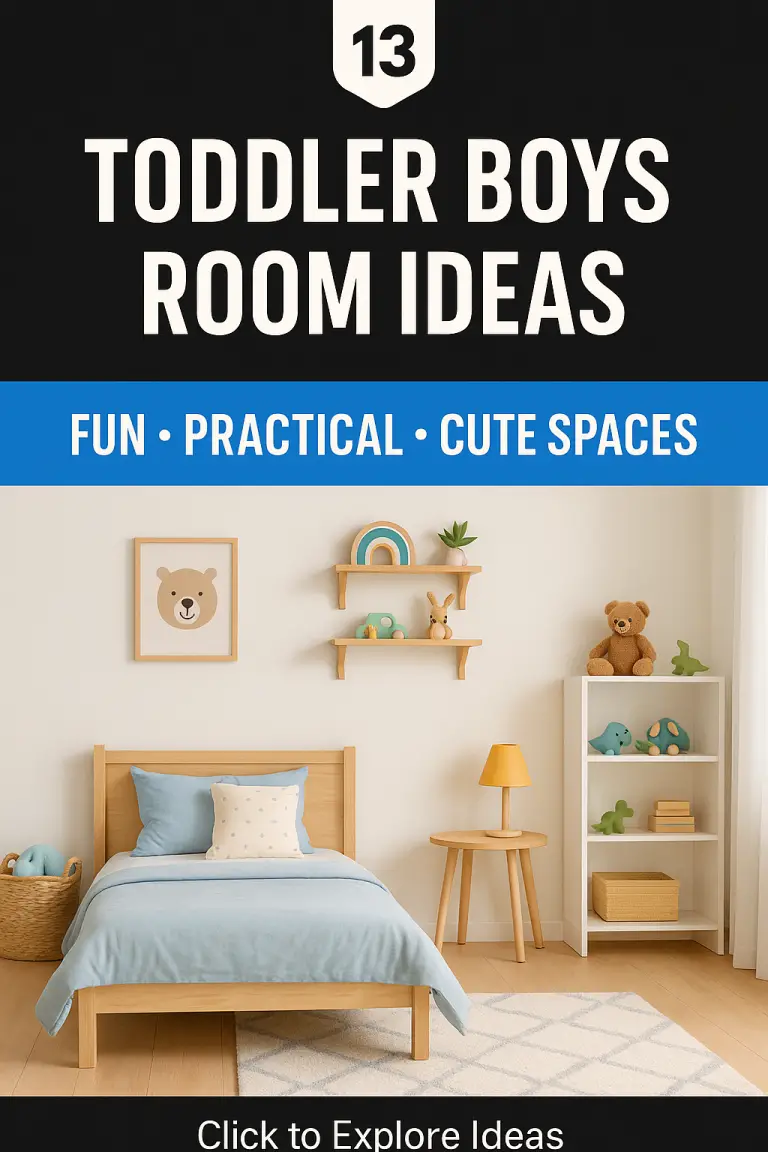
Designing a shared bedroom for two children takes careful planning and creativity. Space must work for both sleep and play without feeling crowded or cluttered. A well-designed double children’s bedroom helps maintain harmony while supporting each child’s comfort, interests, and independence.
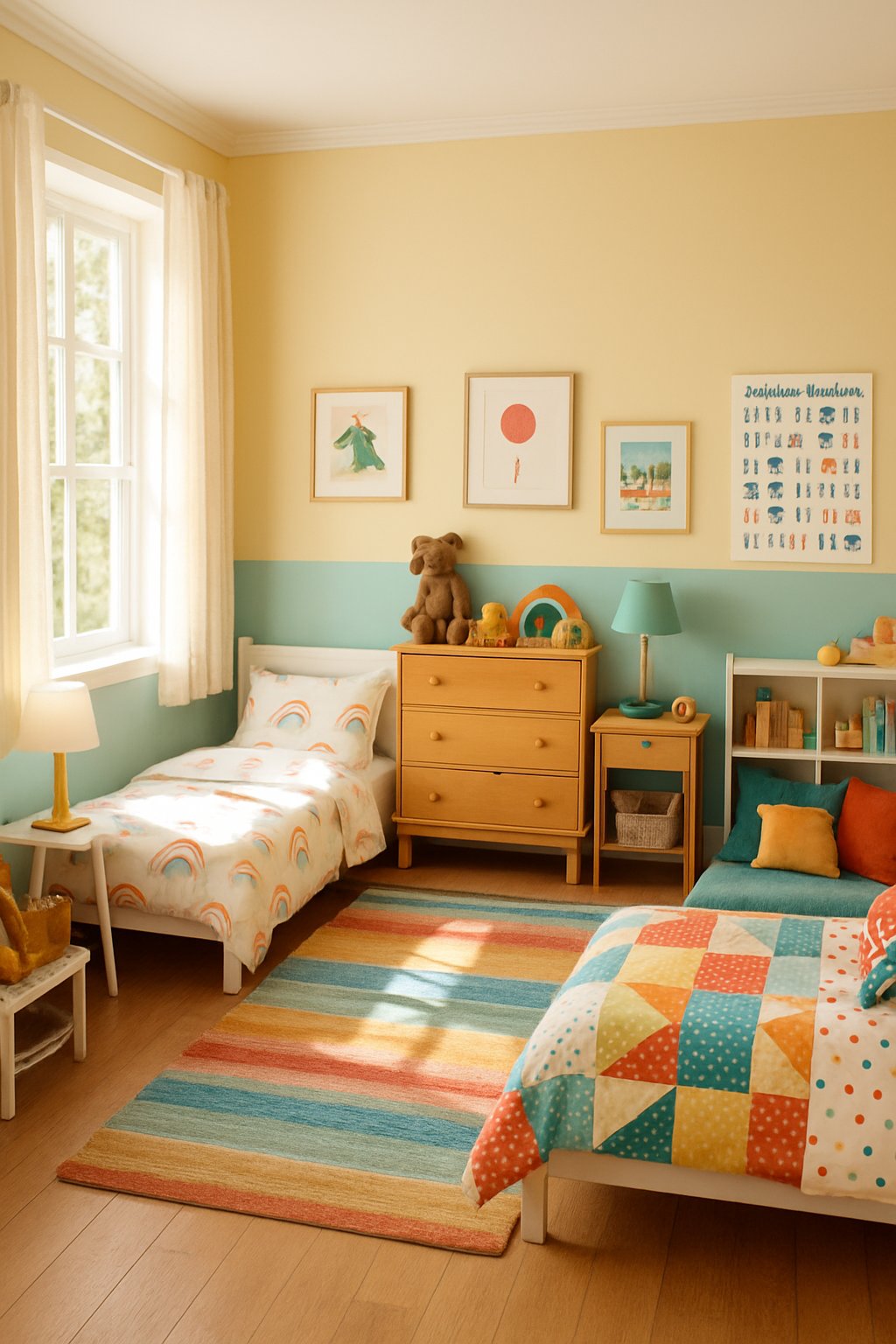
This guide explores practical layout ideas and design strategies that make shared rooms both efficient and personal. From clever storage and flexible dividers to cozy study and reading spots, each idea aims to create balance and functionality that fit everyday family life.
1) Built-in bunk beds with hidden storage
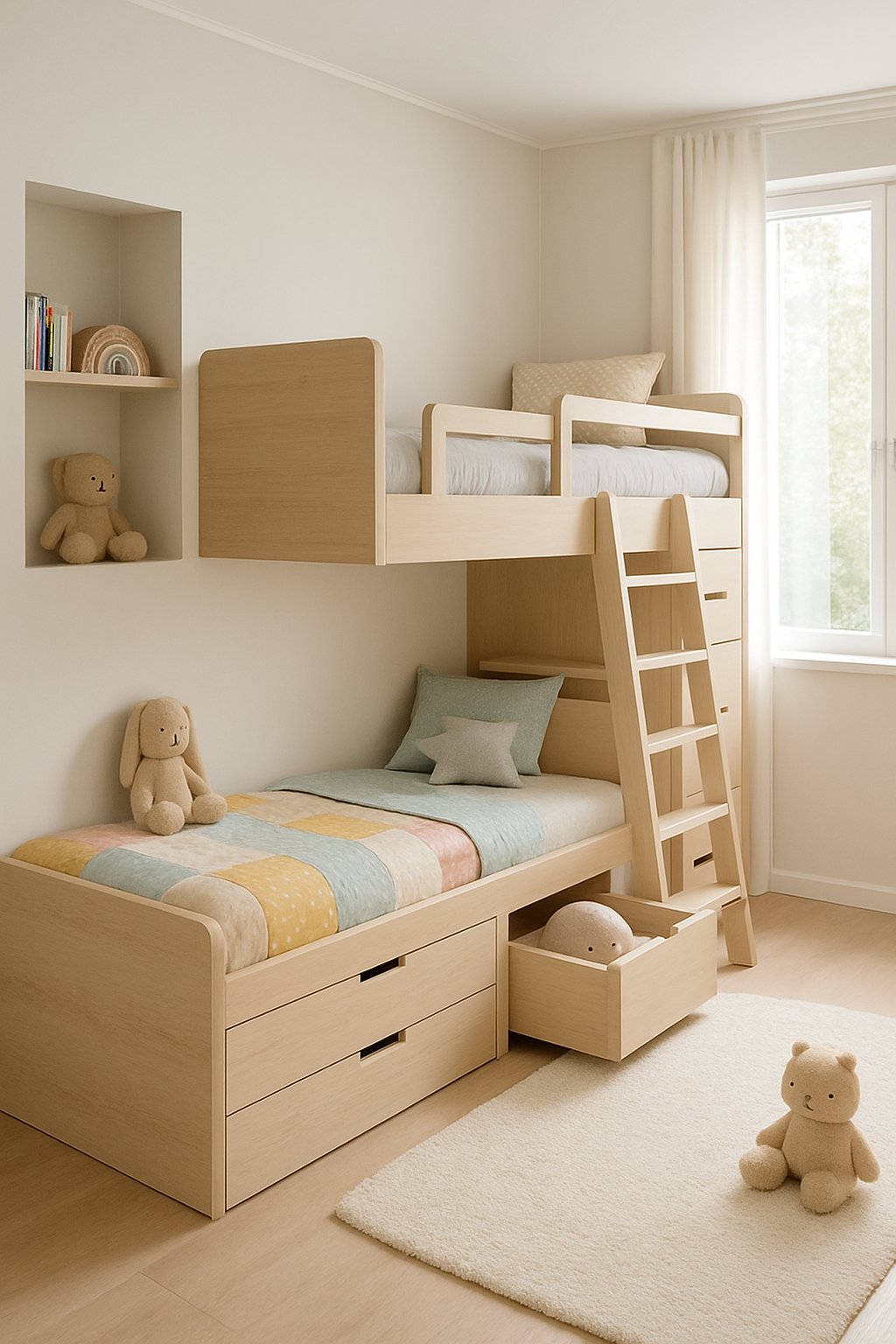
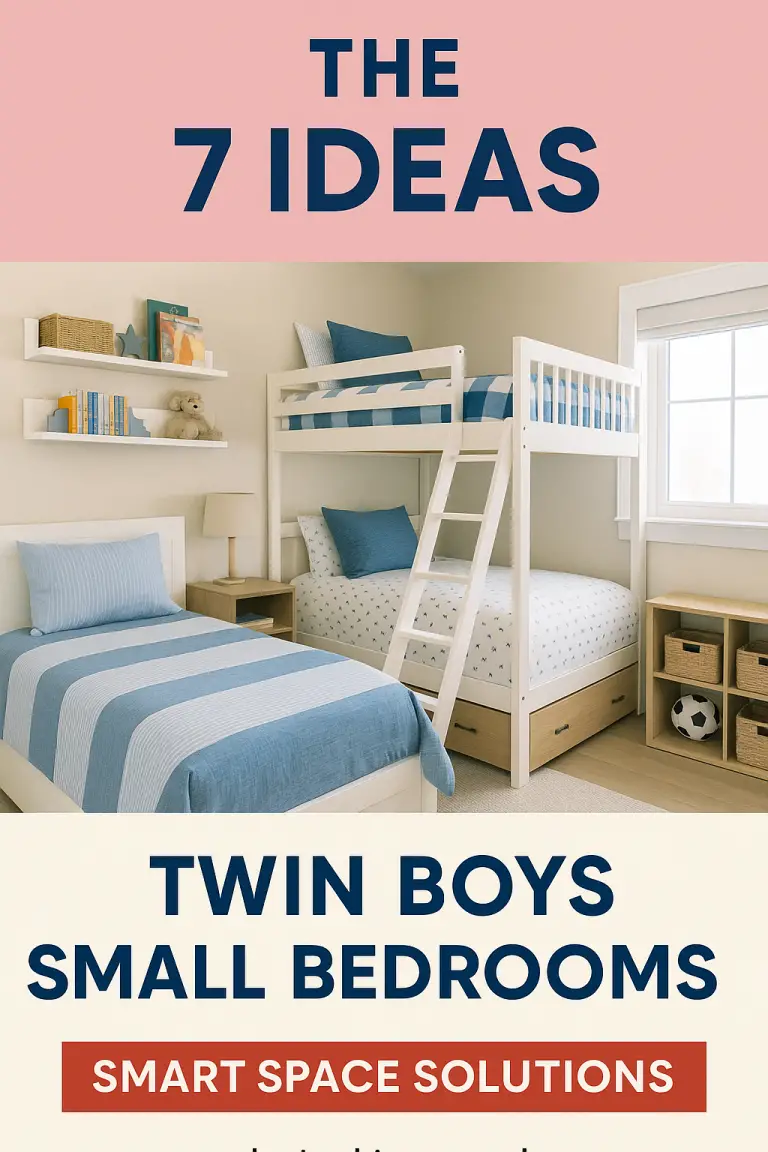
Built-in bunk beds help maximize space in a shared children’s room. They make good use of vertical space and leave more floor area for play or study.
Designers often include drawers beneath the lower bunk or shelves along the wall to hold clothes, books, and toys. Hidden compartments behind panels or steps add extra function without taking up more room.
This layout keeps the room tidy and organized while giving each child a clear sleeping area. It also creates a simple, durable structure that fits various interior styles.
2) Color-coded zones for personal space
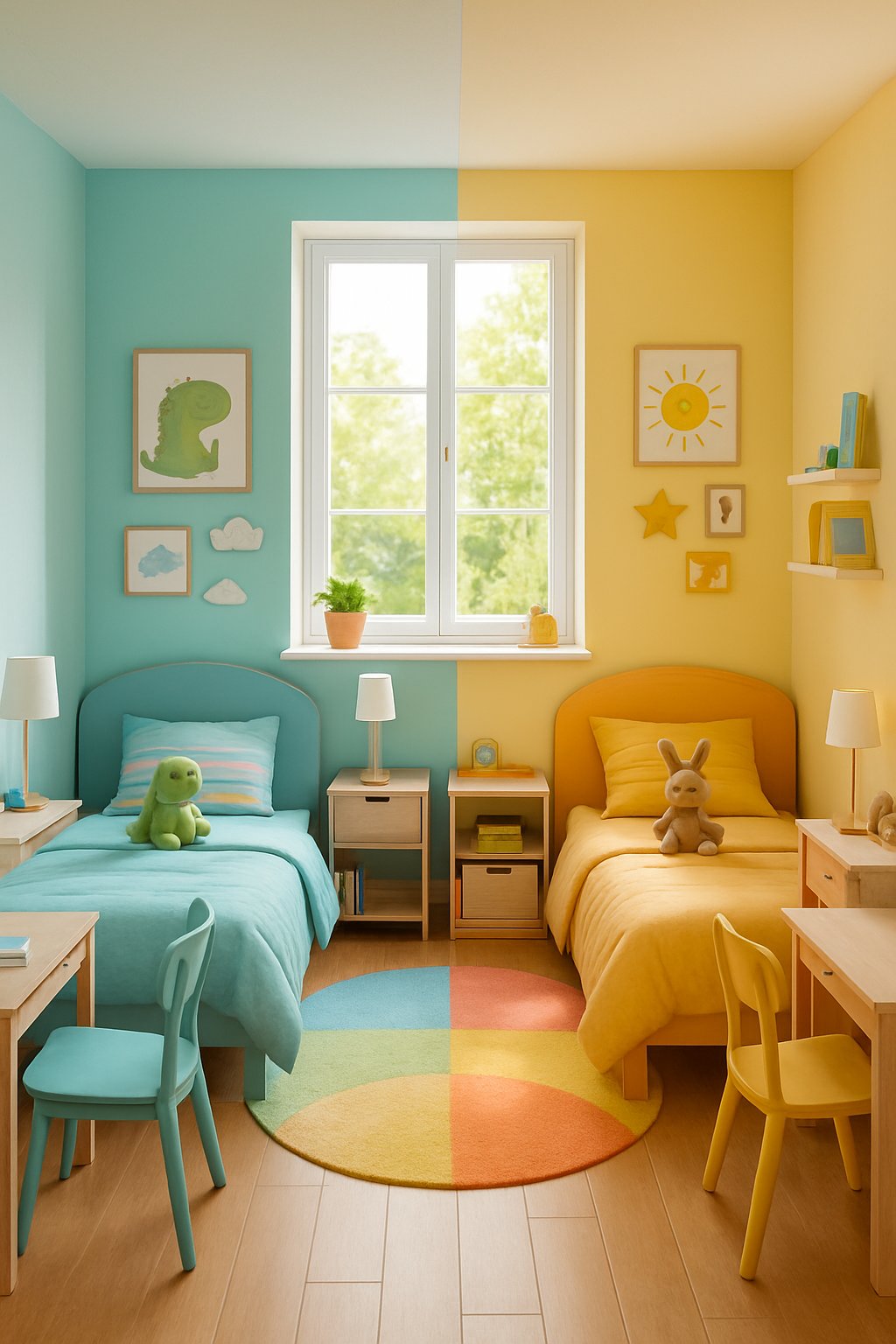
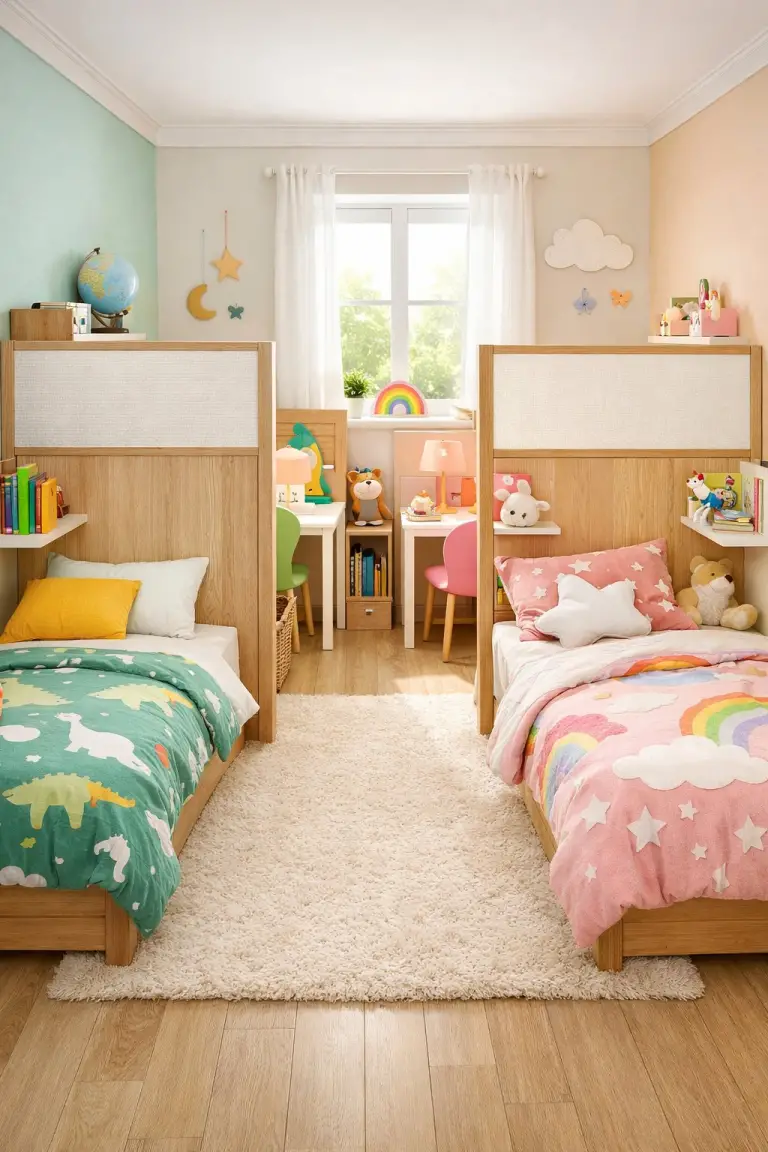
Color-coded zones help each child feel a sense of ownership in a shared room. Using distinct colors for walls, bedding, or rugs clearly defines each area without adding physical barriers.
Parents often choose complementary shades so the room still feels unified. This method makes it easy for kids to identify which space belongs to them.
Small design elements, like matching organizers or curtains in their color, strengthen these boundaries. The result is a shared bedroom that supports both personal identity and visual balance.
3) Twin beds with under-bed drawers
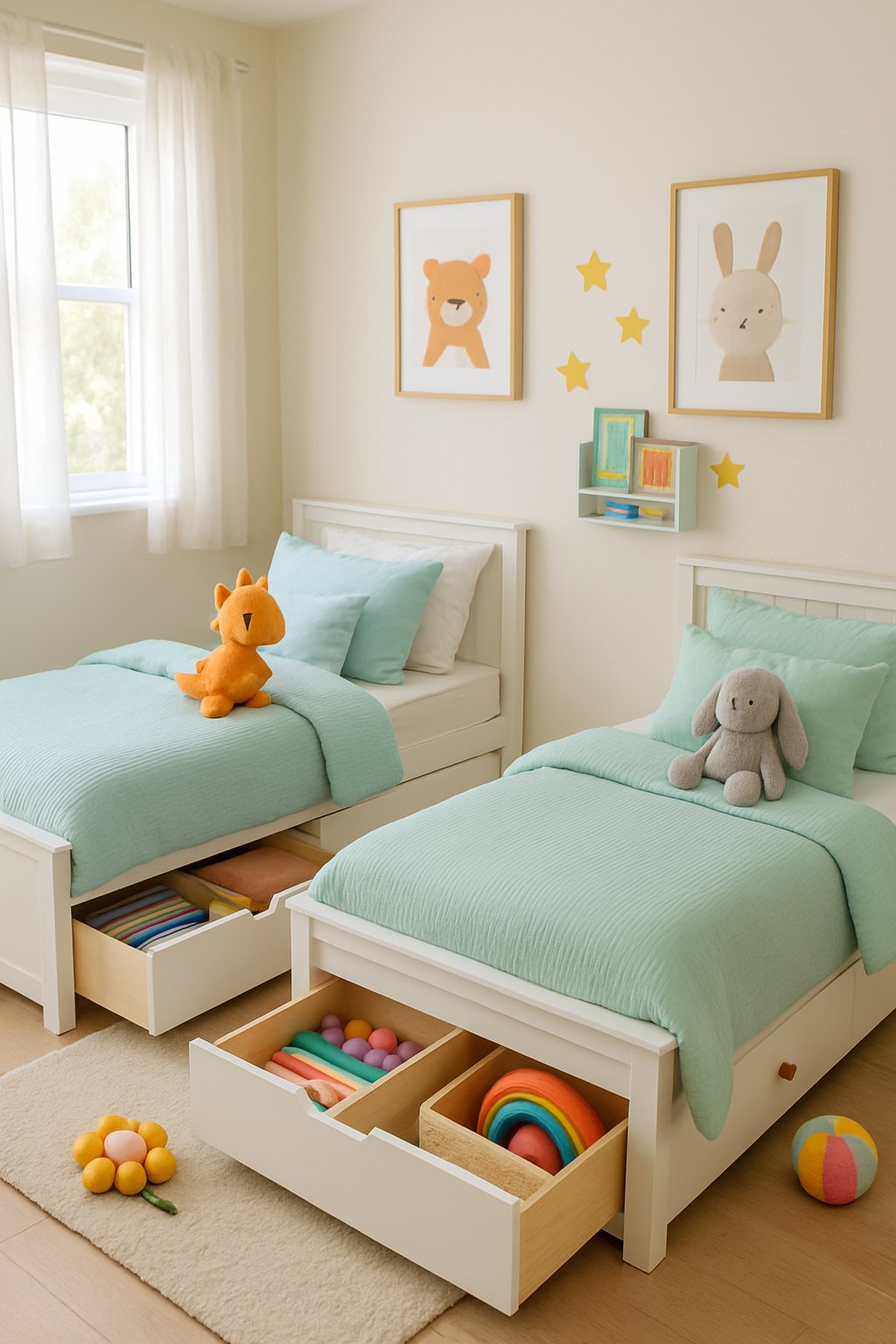
Twin beds with under-bed drawers make smart use of limited floor space. The drawers provide a place to store clothes, toys, or extra bedding without adding bulky furniture.
This setup helps keep the room organized and easy to clean. Children can reach their belongings quickly and learn to keep their own space tidy.
Simple designs with smooth-glide drawers suit both modern and classic bedrooms. Choosing durable materials ensures the drawers withstand daily use and remain functional over time.
4) Room divider curtains for flexible separation
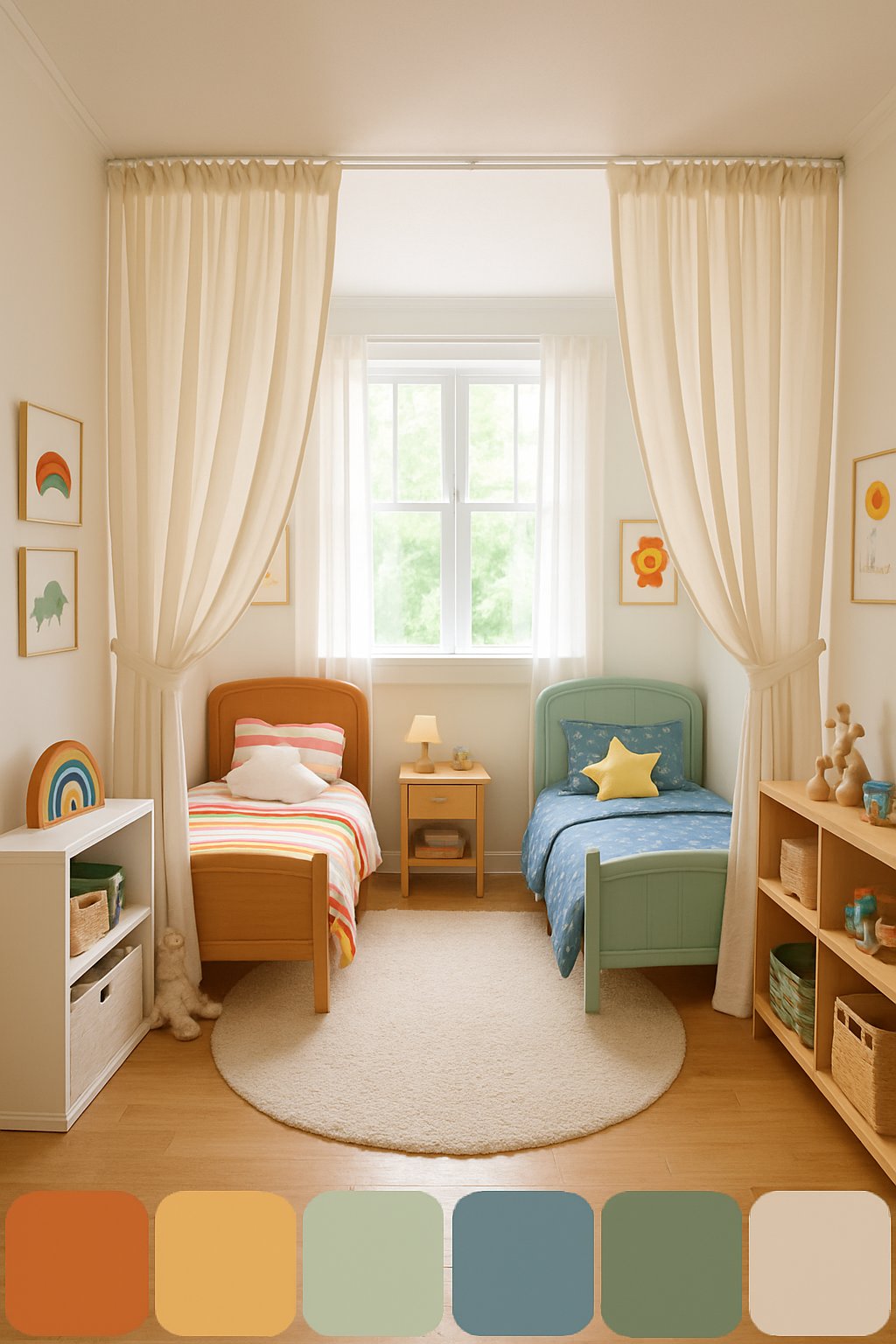
Room divider curtains help split a shared children’s bedroom without major changes. They add privacy while keeping the room open and airy.
Light fabrics work well to let natural light pass through, and patterned curtains can reflect each child’s personality.
Parents can use a ceiling track or tension rod to make the divider easy to move. When playtime or cleaning starts, the curtain can slide aside to open up the space again.
5) Reading nooks tucked into corners
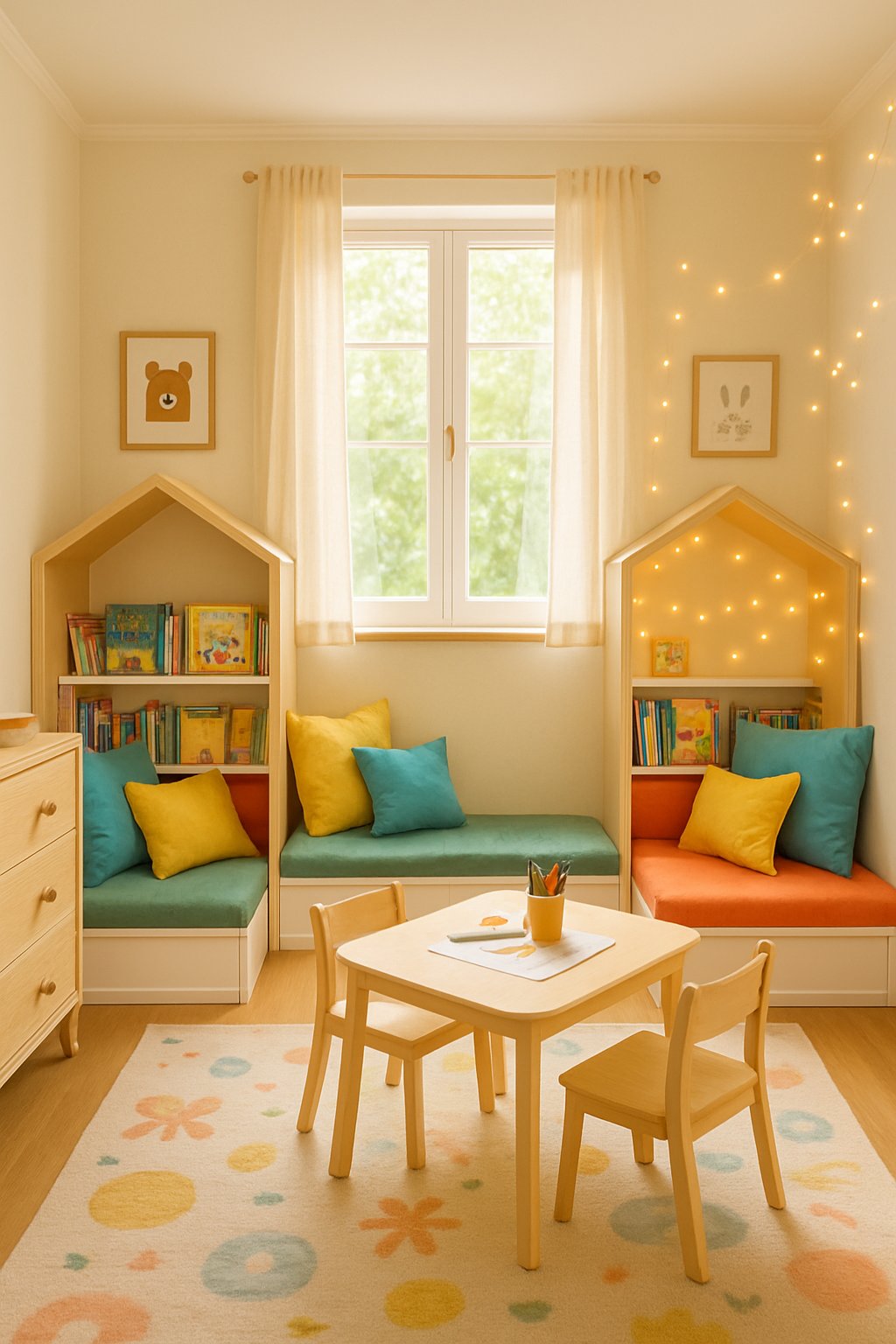
A corner reading nook adds comfort and function to a shared children’s bedroom. It gives each child a small, calm spot to relax with a book or wind down before bed.
Soft seating like beanbags or small armchairs helps define the space. Shelves or baskets nearby keep favorite books within easy reach.
Good lighting matters too, whether it’s a small floor lamp or a wall sconce. Adding cushions, a low rug, or a canopy makes the corner feel cozy without taking up much room.
6) Loft beds with desks underneath
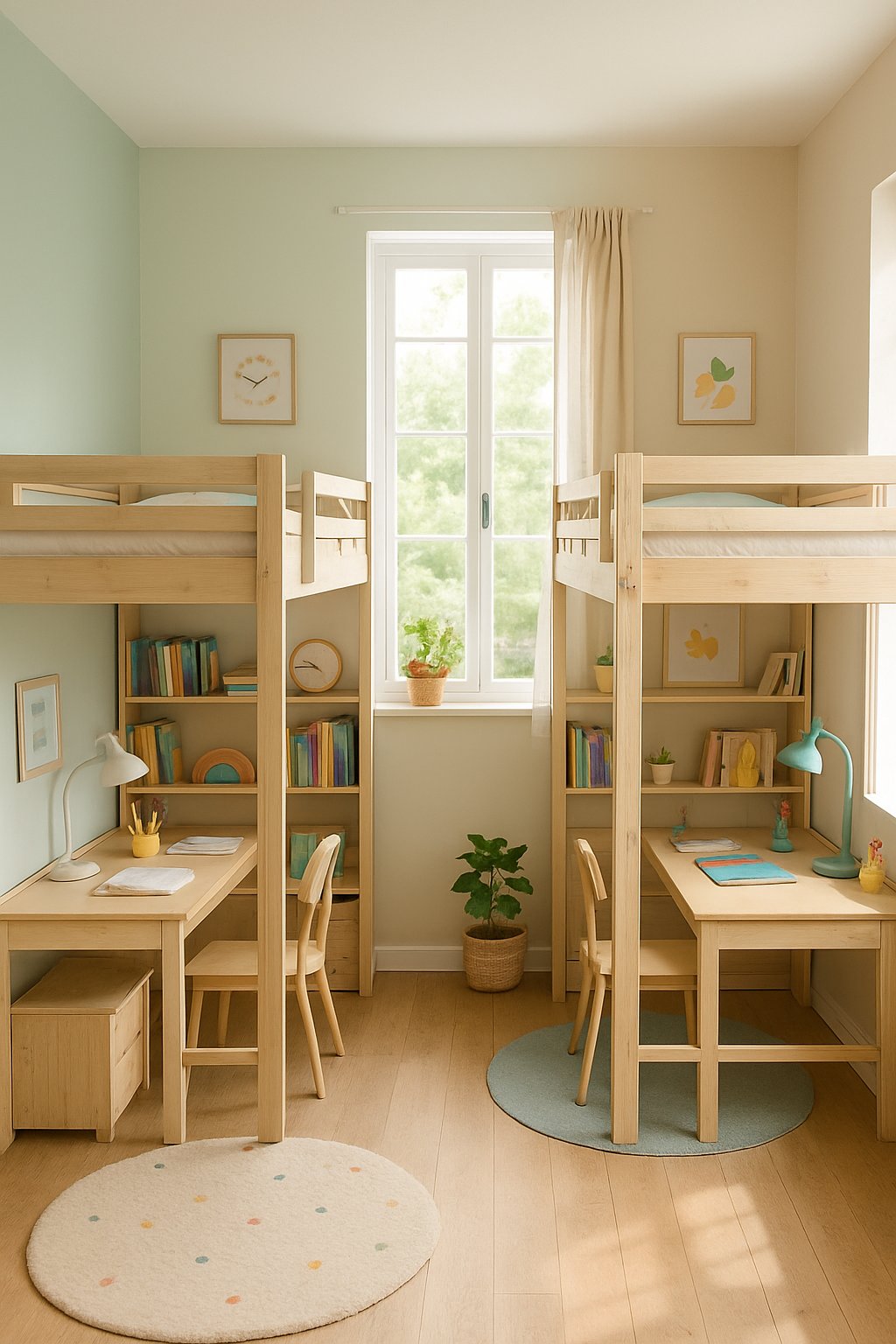
Loft beds with desks make smart use of vertical space in a shared room. By raising the bed, the area underneath turns into a study spot or storage zone without taking up extra floor space.
Many designs include built-in desks, shelves, or drawers for organizing school supplies. Others keep the space open so families can choose their own furniture.
Sturdy frames and guardrails keep the setup safe for kids. This arrangement helps each child have a personal workspace while leaving more room for play and movement.
7) Wall-mounted shelves for books and toys
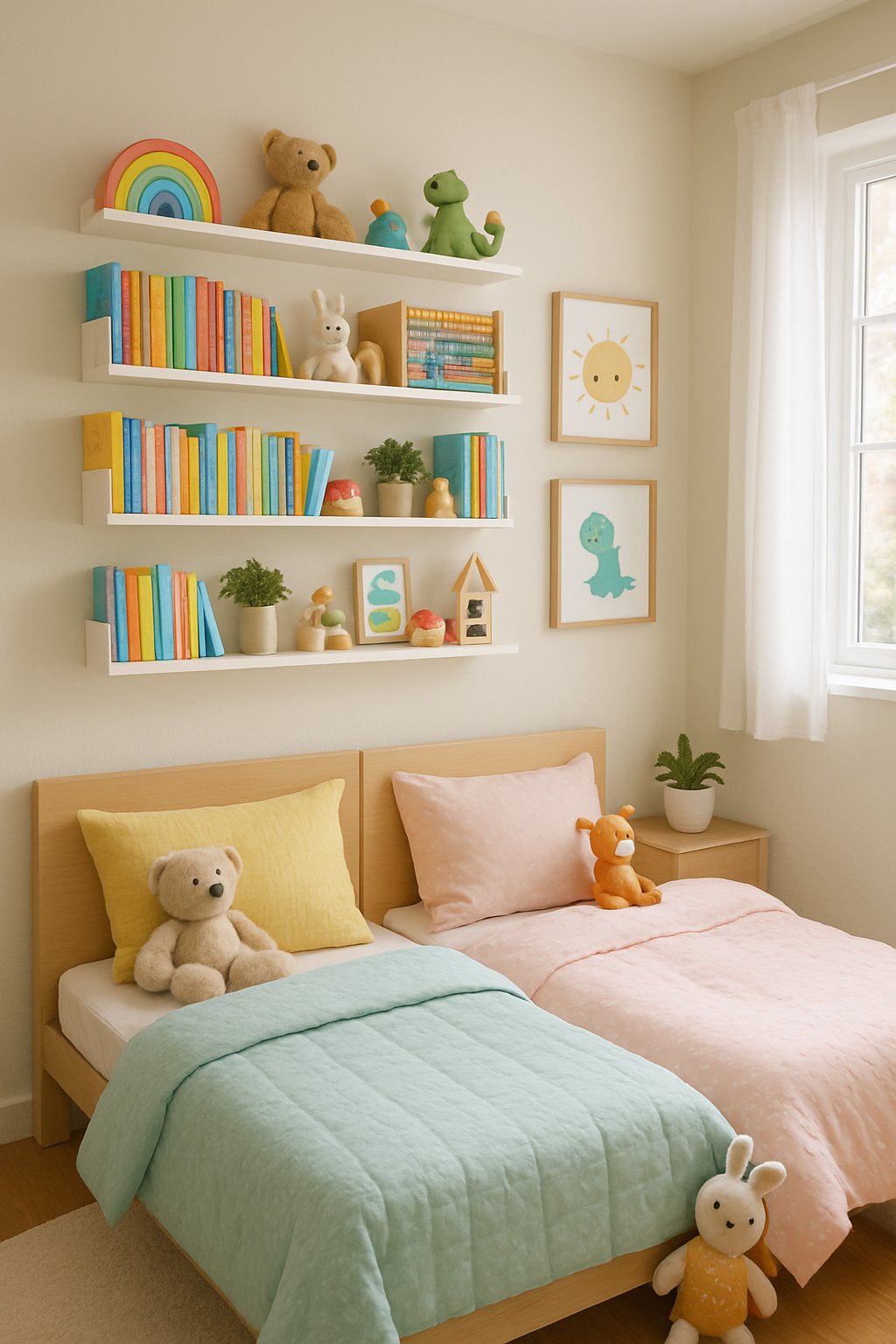
Wall-mounted shelves help save floor space and keep a shared room organized. They let children display books, toys, and small decor items neatly at eye level.
Parents can choose from wooden, metal, or plastic shelves, depending on the room’s style and storage needs. Shelves with rounded edges add safety, while open designs make items easy to reach.
Installing shelves above desks or beds makes good use of wall space. This setup keeps play areas clear and encourages kids to put things back in place after using them.
Design Considerations for Double Children’s Bedrooms
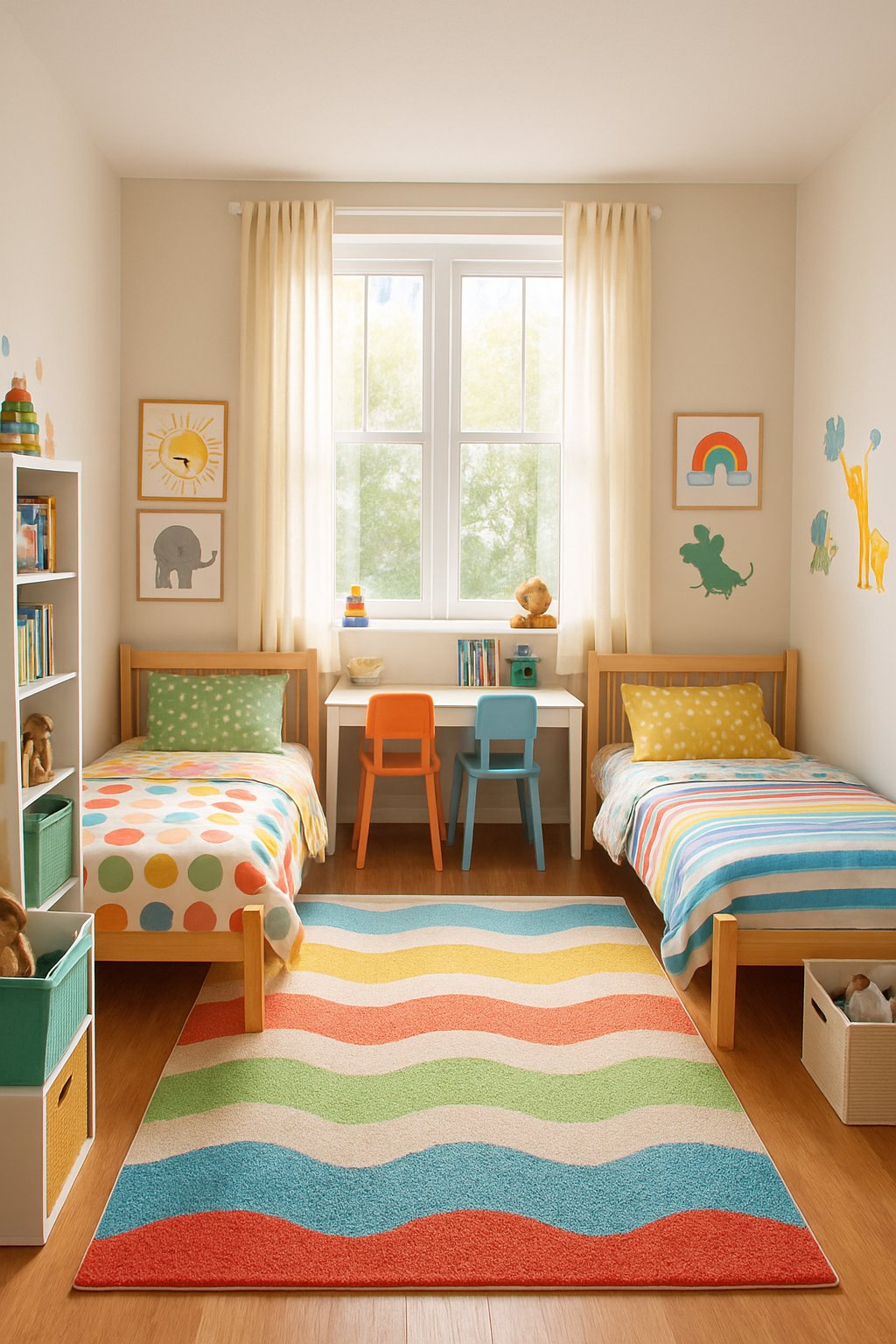
Designing a double children’s bedroom requires careful planning to create comfort, function, and visual balance. Each design choice—from bed placement to light direction—should help children share space with ease while supporting daily routines like play, homework, and rest.
Space Planning Essentials
Good space layout makes a shared room work well for both children. Beds should fit without blocking natural walkways or storage areas. Placing twin beds parallel to each other keeps symmetry, while an L-shaped setup helps open up a small corner for play or study.
A bunk bed can free up floor space, but safety rails and sturdy frames are essential. For children with different sleep schedules, a partition or curtain divider offers privacy while keeping the room flexible.
Adding under-bed drawers, stackable bins, or wall-mounted shelves keeps clutter low and maximizes vertical space. A small shared desk placed between beds can serve as a central workspace. In tight rooms, multi-function furniture—like loft beds with desks or dressers beneath—saves space and reduces crowding.
Designers often suggest sketching a basic floor plan before arranging furniture. Measuring wall lengths, window positions, and door swings prevents later adjustments. Small shifts, such as moving a bed a few inches, can improve traffic flow and comfort.
Choosing a Color Palette
Color affects both mood and how large the room feels. Subdued shades such as light gray, pale blue, or soft green create a calm setting that helps with rest. Brighter colors like yellow or coral can add fun, but using them only on accent items—pillows, artwork, or storage bins—keeps the room from feeling busy.
When two children share a space, combining two favorite colors in a balanced way keeps the design fair and personalized. For example, coordinating bedding patterns in each child’s chosen hue helps avoid competition over decor choices.
Neutral base tones make it easier to update the room later as children grow. Including natural textures like wood or cotton adds warmth without overwhelming the senses. To maintain harmony, limit major colors to three tones or fewer, with one light base and two secondary accents.
Maximizing Natural Light
Natural light improves the look and comfort of any shared room. Keeping windows clear of bulky furniture allows daylight to spread evenly. Light curtains or blinds in sheer white or beige diffuse sun without losing brightness.
If privacy is required, adjustable blinds work better than heavy drapes. Positioning desks or reading nooks near windows encourages productive daytime use and reduces the need for artificial lighting.
Mirrors placed opposite windows can reflect sunlight and make small rooms feel more open. If the layout blocks direct light, choosing light paint colors and smooth surfaces can help bounce light around the room.
Simple ceiling lights or wall sconces near each bed ensure even lighting at night, giving each child control over their reading or rest space. Thoughtful lighting design supports both shared and individual needs throughout the day.
Personalization and Privacy Solutions
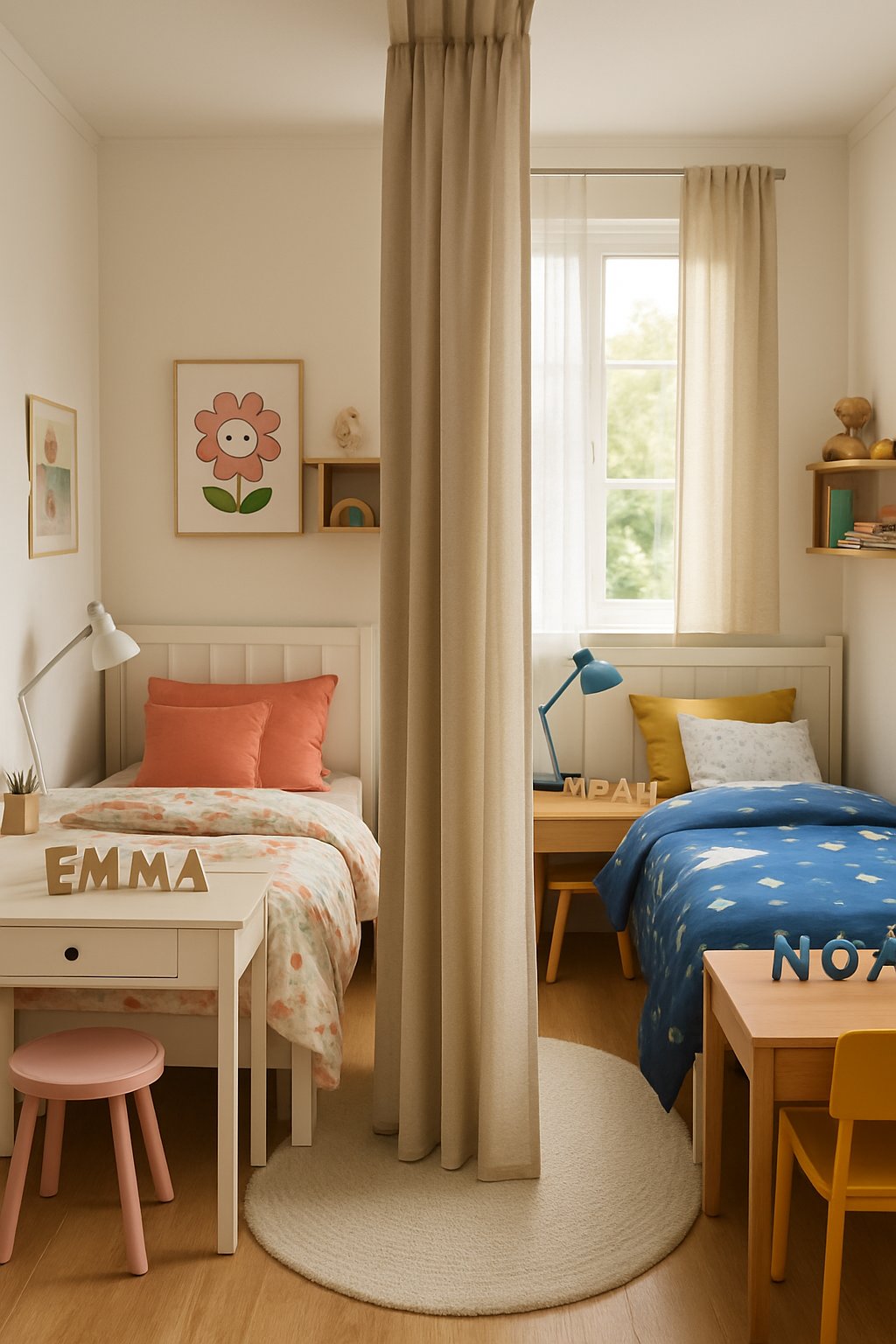
Shared children’s bedrooms work best when each child has a sense of ownership and enough separation to feel comfortable. Clear zones, personalized design touches, and subtle dividers can create privacy without crowding the space.
Zoning Shared Spaces
Defining areas for each child helps reduce conflict and keeps the room organized. Zoning can be done by arranging furniture strategically—placing beds or desks back-to-back, or separating them with open shelving or curtains. Each layout should allow both private and shared activities without blocking natural light or pathways.
Simple solutions like curtains, folding screens, or bookcases can divide a room affordably. Using color is another effective method—painting each side in different but coordinating hues gives visual boundaries while maintaining unity.
A short table or rug between beds signals a shared area for play. Labeling storage bins and assigning shelves or drawers ensures each child’s items remain distinct. Balance matters: too much division may make the room feel smaller, while thoughtful zones promote comfort and respect.
Decorating for Different Ages or Interests
When siblings have unique tastes or age gaps, design choices must reflect both personalities equally. Parents can achieve this by assigning separate color themes, artwork, or bedding patterns that express individuality while complementing one another.
Younger children might enjoy bright colors and playful motifs, while older ones may prefer muted shades or minimalist decor. Keeping large furniture neutral allows decor to change as children grow.
Personalized wall art, name signs, or small pinboards let each child display their interests privately. A shared design element, such as matching frames or a similar fabric texture, ties the room together. Thoughtful personalization supports self-expression without causing visual clutter or rivalry. Each child feels recognized within the same comfortable space.