Bedroom Cleaning Checklist For Kids
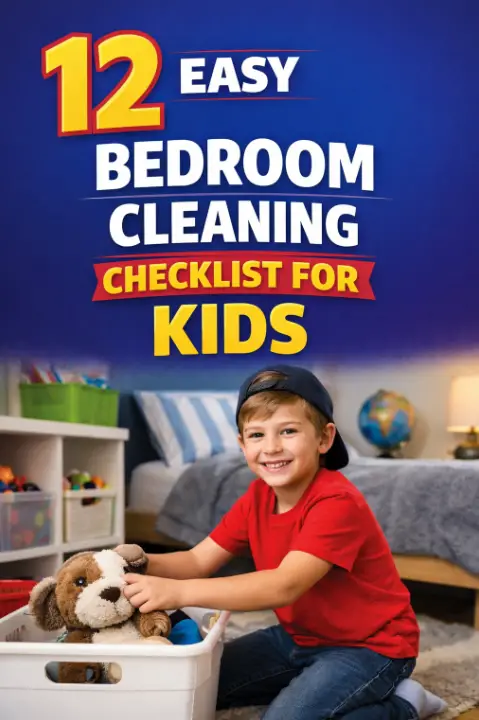
Let’s be honest—getting kids to clean their bedrooms can feel like negotiating with tiny, highly emotional tornadoes. Toys everywhere, clothes on the floor, mystery crumbs under the bed… sound familiar? If you’ve ever stood in your child’s doorway wondering where on earth to even start, you’re definitely not alone.
I’m writing this because I’ve been there too—frustrated, overwhelmed, and wishing there was a simple system that didn’t turn cleaning time into a full-blown meltdown. The good news? There is a better way. With the right bedroom cleaning checklist for kids, cleaning can become less stressful, more predictable, and yes—sometimes even a little fun.
This guide will walk you through a kid-friendly, age-appropriate bedroom cleaning checklist, along with practical tips to help your child build lifelong habits without constant reminders. Let’s turn chaos into calm, one small step at a time.
Why Kids Need a Bedroom Cleaning Checklist
Kids don’t ignore cleaning because they’re lazy. Most of the time, they’re overwhelmed. When a room looks messy, they genuinely don’t know where to start.
That’s where a checklist comes in.
A bedroom cleaning checklist for kids:
- Breaks big tasks into small, manageable steps
- Creates a clear routine they can follow independently
- Reduces arguments and power struggles
- Builds confidence and responsibility over time
IMO, expecting kids to “just clean your room” without guidance is like handing them a puzzle with no picture on the box. A checklist is that picture.
How to Introduce a Cleaning Checklist to Your Child
Before jumping into the checklist itself, how you introduce it really matters.
Keep the First Conversation Positive
Avoid phrases like “You never clean your room.” Instead, try:
“I found a cool way to make cleaning your room way easier.”
Kids respond better when cleaning feels like a tool, not a punishment.
Set Clear Expectations
Explain that the checklist:
- Is not about being perfect
- Is meant to help, not overwhelm
- Can be done in short bursts
FYI, consistency matters more than perfection here.
The Ultimate Bedroom Cleaning Checklist For Kids
This checklist is designed to be simple, visual, and repeatable. You can print it, laminate it, or turn it into a chart—whatever works best for your home.
Step 1: Pick Up All Trash
This is the easiest win and builds momentum fast.
Ask your child to:
- Throw away wrappers, tissues, broken toys
- Take cups or plates to the kitchen
- Empty their trash can if needed
Why it matters: A clean space starts with removing what doesn’t belong.
Step 2: Put Dirty Clothes in the Laundry Basket
Clothes are usually the biggest mess-maker.
Have them:
- Pick up all clothes from the floor
- Separate clean vs. dirty (with help if needed)
- Put dirty clothes in the laundry basket
Pro tip: Keep the laundry basket inside the bedroom to eliminate excuses.
Step 3: Make the Bed (Simple Version)
For kids, “make the bed” doesn’t need to look Instagram-perfect.
A kid-friendly version:
- Pull up the blanket
- Place pillows near the headboard
- Straighten just enough to look neat
Key takeaway: Neat, not perfect.
Step 4: Put Toys Back Where They Belong
This is where clear organization makes all the difference.
Encourage them to:
- Put toys in labeled bins
- Return books to shelves
- Stack items instead of scattering them
If everything has a home, cleanup becomes faster and less frustrating.
Step 5: Tidy the Desk or Table Area
If your child has a desk, this step is essential.
Checklist items:
- Put away pencils, crayons, markers
- Stack papers or put them in a folder
- Clear off food or drinks
Why this matters: A clean desk helps with focus and homework later.
Step 6: Organize Shoes and Bags
Kids often forget this step, but it makes a huge visual difference.
Have them:
- Line up shoes neatly
- Hang backpacks or place them in a corner
- Put sports gear in its designated spot
This step reinforces daily responsibility, not just weekly cleaning.
Step 7: Quick Floor Check
This is the final sweep.
Ask your child to:
- Look around the floor
- Pick up anything left behind
- Do a “last glance” before saying they’re done
Turning this into a game—like a “5-minute floor challenge”—can work wonders.
Age-Based Cleaning Expectations
Not all kids clean the same way, and that’s okay.
Toddlers (Ages 2–4)
Keep it extremely simple:
- Put toys in one bin
- Throw trash away
- Help make the bed together
At this age, participation matters more than results.
Young Kids (Ages 5–7)
They can handle:
- Full toy cleanup
- Clothes in laundry basket
- Simple bed-making
Visual checklists work best here.
Older Kids (Ages 8–12)
They’re ready for:
- Desk organization
- Sorting clean vs. dirty clothes
- Light dusting with help
This is the perfect age to build independence.
Teens (Ages 13+)
Teens should manage:
- Full bedroom cleaning
- Weekly deep clean tasks
- Laundry responsibility
Give them autonomy—but keep expectations clear.
How Long Should Bedroom Cleaning Take?
Short answer: Not long at all.
- Toddlers: 5–10 minutes
- Young kids: 10–15 minutes
- Older kids: 15–20 minutes
If it’s taking longer, the checklist might need simplifying—or the room may need better organization.
Tips to Make Cleaning Less of a Battle
Use Timers
Set a 10-minute timer and make it a challenge:
“Let’s see how much you can clean before the timer ends.”
Play Music
A favorite song or playlist can turn cleaning into a mini dance party.
Offer Small Rewards
Think:
- Stickers
- Extra story time
- Choosing dinner
Rewards don’t have to be big to be effective.
Common Mistakes Parents Make (And How to Avoid Them)
Doing It for Them
It’s tempting, but resist. Guidance is better than takeover.
Expecting Adult-Level Cleanliness
Kids are learning. Progress beats perfection every time.
Inconsistent Rules
If cleaning only matters sometimes, kids won’t take it seriously. Consistency builds habits.
Turning the Checklist Into a Daily Routine
The real magic happens when the checklist becomes routine.
Try:
- Daily 10-minute tidy before bed
- Weekend deep-clean day
- Visual charts on the wall or door
Once it’s routine, reminders become rare.
Printable vs. Visual Checklists
Both work—choose what fits your child best.
Printable checklists are great for:
- Older kids
- Daily accountability
- Responsibility charts
Visual checklists (with pictures) are ideal for:
- Toddlers
- Early readers
- Visual learners
IMO, laminating a checklist and using a dry-erase marker is a game changer.
Teaching Responsibility Without Pressure
Cleaning shouldn’t feel like a punishment.
Frame it as:
- Taking care of personal space
- Learning life skills
- Feeling proud of their room
When kids see cleaning as empowering, not controlling, everything changes.
Conclusion
A bedroom cleaning checklist for kids isn’t just about a tidy room—it’s about building confidence, responsibility, and independence in a way that feels manageable and kind.
By breaking cleaning into small steps, setting age-appropriate expectations, and keeping the tone positive, you’ll spend less time nagging and more time celebrating progress. Start simple, stay consistent, and remember: every habit begins with one small step.
So why not try the checklist today? Your future self—and your child—will thank you.