Are Tiny Houses Expensive? A Clear Answer with Facts and Figures
Tiny houses have become a popular trend in recent years, with many people choosing to downsize their living space and simplify their lifestyles. However, with the increasing popularity of tiny homes, the question arises: are tiny houses expensive? The answer is not straightforward and depends on several factors.
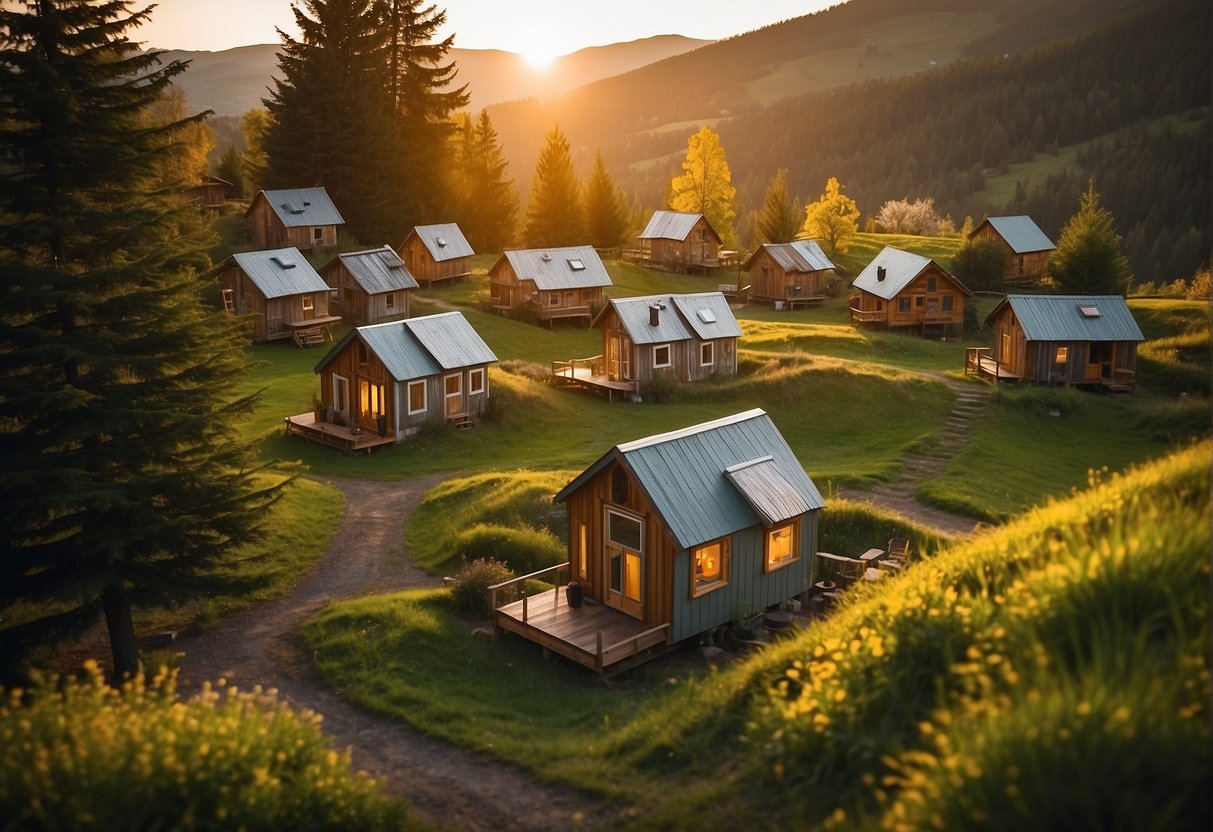
Firstly, the cost of a tiny house can vary greatly depending on whether it is custom-built or prefabricated. Custom-built tiny homes can cost anywhere from $50,000 to $140,000, while prefabricated tiny homes can cost as little as $4,000 for an unassembled kit, up to $80,000 or more for a fully finished home. Additionally, the cost of a tiny house can depend on its size and features, with larger and more elaborate tiny homes costing more than smaller, simpler ones.
Overall, while tiny houses can be an attractive option for those looking to simplify their lives and reduce their environmental impact, they may not necessarily be a cheaper alternative to traditional homes. However, the decision to invest in a tiny house ultimately depends on individual circumstances and priorities, including lifestyle preferences, financial considerations, and long-term goals.
Understanding Tiny House Costs
When it comes to understanding the cost of a tiny house, it is important to consider both the initial expenses and the ongoing costs of maintenance. Here’s a breakdown of what to expect.
Initial Expenses and Price Breakdown
The cost of a tiny house can vary greatly depending on factors such as size, materials, and design. According to the search results, the average cost of a tiny house ranges from $8,000 to $140,000. However, it is important to note that the cost can be much higher or lower depending on the specific needs and preferences of the buyer.
One factor that can greatly influence the cost of a tiny house is whether it is custom-built or prefabricated. A custom-built tiny house typically costs more due to the labor and materials required, while a prefabricated tiny house can be less expensive but may not offer as much flexibility in design.
Other initial expenses to consider include permits, utilities, and the cost of a trailer foundation if the tiny house is built on wheels. It is also important to factor in the cost of financing, as many buyers may need to take out a loan or mortgage to cover the cost of the tiny house.
Ongoing Costs and Maintenance
While the initial cost of a tiny house may be lower than that of a traditional home, it is important to consider the ongoing costs of maintenance. This includes property taxes, insurance, and the cost of utilities such as water, electricity, and gas.
In addition, tiny house owners may need to budget for regular upkeep and repairs. This can include maintenance on the trailer foundation, as well as repairs to plumbing, electrical systems, and other features of the tiny house.
Overall, while tiny houses can offer an affordable and sustainable living option, it is important for buyers to carefully consider the cost and budget for ongoing expenses and maintenance.
Comparative Analysis of Tiny Houses
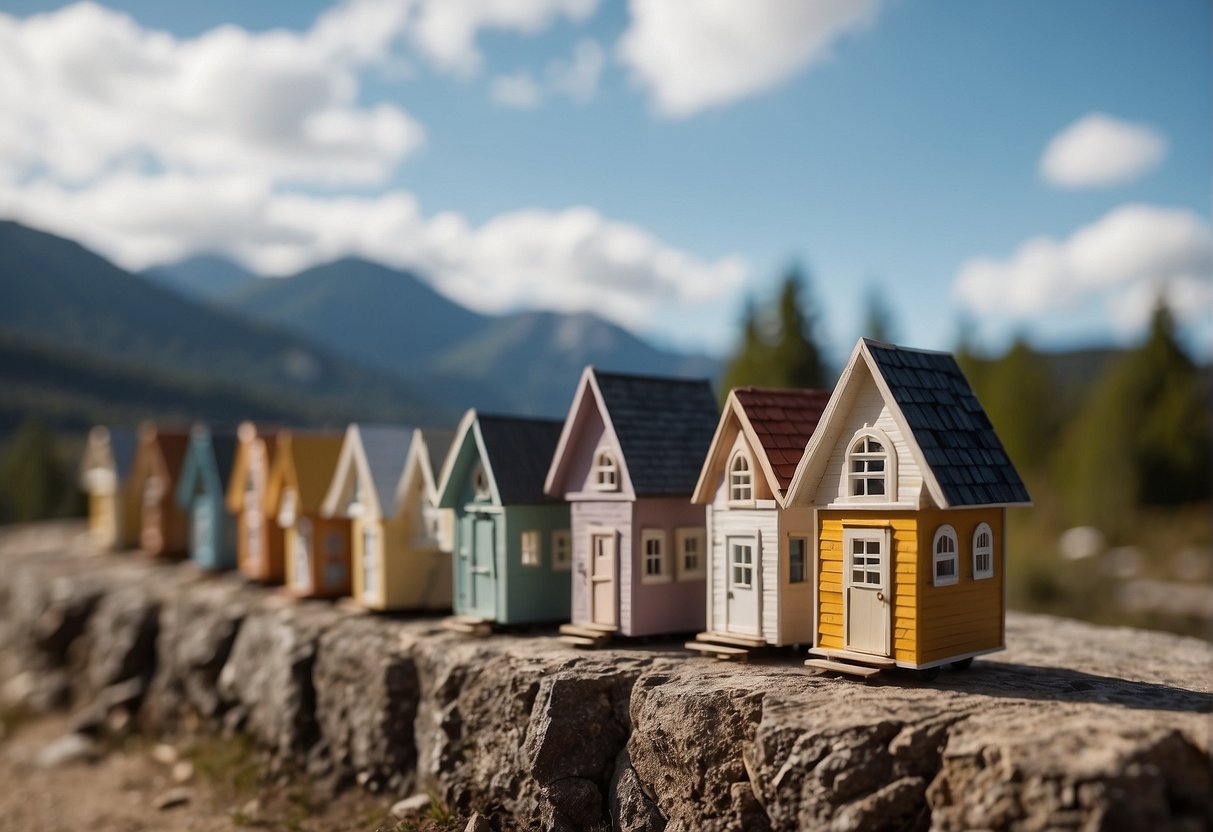
Tiny Houses vs. Traditional Homes
Tiny houses have become an increasingly popular alternative to traditional homes in recent years. One of the most significant differences between the two is the size. Tiny houses are typically less than 400 square feet, while traditional homes can range from 1,000 to over 3,000 square feet. The cost of a tiny house is also significantly lower than that of a traditional home.
Another difference between tiny houses and traditional homes is the mobility factor. Tiny houses on wheels have become a popular trend in recent years, allowing homeowners to move their homes from one location to another. Traditional homes, on the other hand, are stationary and require a lot of land to build on.
Cost Benefits and Challenges
One of the most significant benefits of owning a tiny house is the affordability. The average cost of a tiny house is around $45,000, compared to the average cost of a traditional home, which is around $200,000. This cost difference is due to the smaller size of tiny houses and the fact that they require fewer materials to build.
However, owning a tiny house does come with its challenges. One of the biggest challenges is finding a place to park the tiny house. Many cities and towns have zoning laws that prohibit tiny houses from being parked on residential lots. Additionally, tiny houses are often not considered real property, which can make it difficult to obtain traditional home loans and insurance.
Another challenge of owning a tiny house is the limited space. While the small size can be a benefit in terms of affordability, it can also be a challenge when it comes to storage and living space. Tiny house owners must often get creative with their storage solutions and be willing to downsize their possessions.
Despite the challenges, the tiny house movement continues to grow in popularity, particularly among millennials who are looking for an affordable and eco-friendly way to downsize their living space. Many tiny house owners also appreciate the sustainability and environmental impact of living in a smaller home.
Overall, tiny houses offer a unique and affordable housing option for those looking to downsize their living space or live a more minimalist lifestyle.
Frequently Asked Questions
What is the average cost to purchase a tiny house?
The average cost to purchase a tiny house can vary depending on several factors, including the size, location, and level of customization. According to recent research, the average cost of a tiny house ranges between $25,000 and $150,000. However, the cost can be higher or lower depending on your specific needs and preferences.
How much does it typically cost to build a 2-bedroom tiny house?
The cost of building a 2-bedroom tiny house can range from $50,000 to $100,000, depending on various factors such as the size, materials used, and level of customization. Building a tiny house can be more cost-effective than purchasing one, but it requires more time and effort.
Can you provide the price range for tiny homes currently for sale?
The price range for tiny homes currently for sale can vary depending on several factors, including the location, size, and level of customization. According to recent research, the price range for tiny homes currently for sale ranges between $30,000 and $150,000.
What are the expected costs for a 3-bedroom tiny house?
The expected costs for a 3-bedroom tiny house can range from $70,000 to $120,000, depending on various factors such as the size, materials used, and level of customization. Building a 3-bedroom tiny house can be more expensive than building a 2-bedroom or 1-bedroom tiny house.
Is it more cost-effective to build or purchase a pre-made tiny house?
It depends on your specific needs and preferences. Building a tiny house can be more cost-effective than purchasing one, but it requires more time and effort. Purchasing a pre-made tiny house can be more expensive, but it can save you time and effort.
What are the primary factors that contribute to the overall expense of a tiny house?
The primary factors that contribute to the overall expense of a tiny house include the size, location, materials used, level of customization, and labor costs. The cost of a tiny house can vary widely depending on these factors.